Your kitchen is the heart of your home, where meals are made and memories are created. But have you ever stopped to think about how much your kitchen needs care to stay safe, clean, and efficient?
Kitchen maintenance is the simple yet powerful routine that keeps your appliances working, your surfaces spotless, and your space inviting. If you want to save money, avoid unexpected repairs, and enjoy cooking without hassle, understanding kitchen maintenance is key. Keep reading, and you’ll discover easy tips that can transform your kitchen and make your life easier every day.
Credit: commercialcleaningcorp.com
Kitchen Maintenance Basics
Kitchen maintenance keeps your cooking space clean and safe. It helps prevent damage and saves money.
Simple daily and weekly tasks keep your kitchen working well. Regular care extends the life of appliances.
Daily Cleaning Habits
Daily cleaning stops dirt and germs from building up. It makes your kitchen ready for the next use.
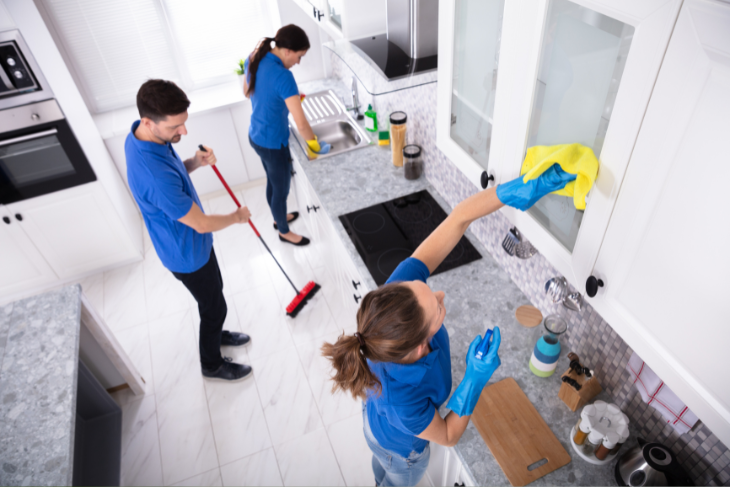
Wipe counters and clean dishes after meals. Sweep the floor to remove crumbs and spills.
- Wipe kitchen counters with a damp cloth
- Wash and dry dishes immediately
- Sweep or vacuum kitchen floor daily
- Clean stove and sink after cooking
- Empty trash to avoid bad smells
Weekly Deep Cleaning Tasks
Weekly cleaning tackles hard-to-reach spots and stubborn stains. It keeps your kitchen fresh and hygienic.
Focus on appliances, cupboards, and floors. Check for leaks or damage to fix early.
- Clean inside and outside of the refrigerator
- Wipe kitchen cabinet doors and handles
- Mop the kitchen floor thoroughly
- Clean microwave and other small appliances
- Check and clean sink drains
- Inspect pipes and taps for leaks
Appliance Care
Proper kitchen appliance care helps them work well and last longer. Simple cleaning and checks keep your appliances safe.
Regular maintenance stops breakdowns. It also saves money by avoiding costly repairs.
Refrigerator Upkeep
Keep your fridge clean and organized. Check door seals often to keep cold air in. Avoid overloading shelves to allow air circulation.
- Clean coils twice a year to improve efficiency
- Remove expired food weekly
- Check and set the temperature between 37°F and 40°F
- Defrost manually if ice builds up
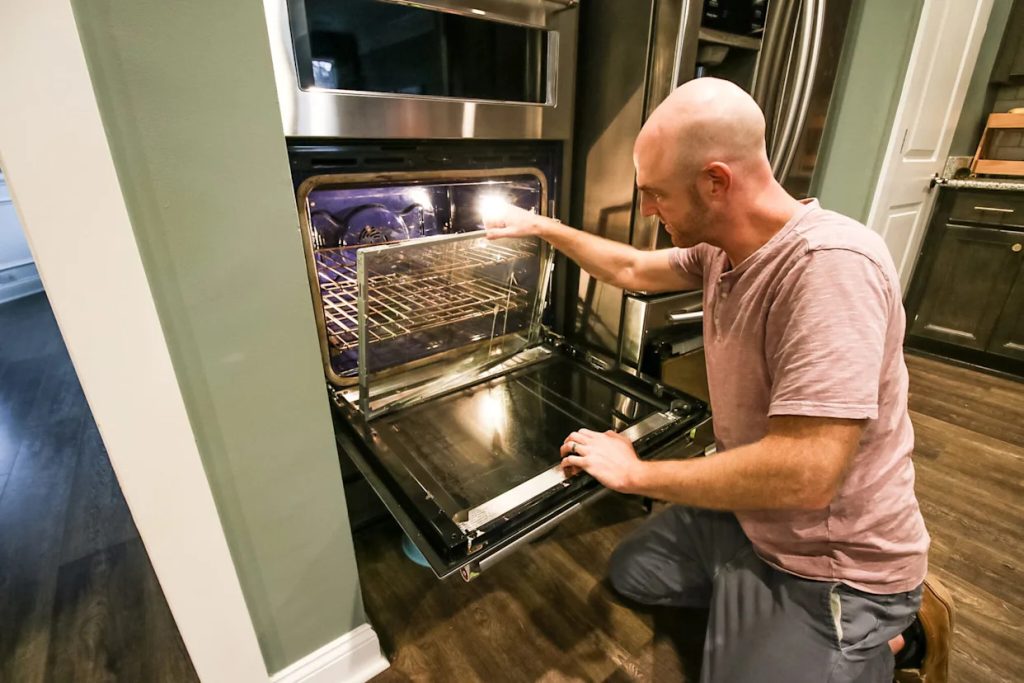
Oven And Stove Maintenance
Clean spills right after cooking to avoid stains. Check burners and heating elements for damage. Replace parts if they don’t heat evenly.
| Task | Frequency | Tips |
| Clean oven interior | Monthly | Use oven cleaner or baking soda paste |
| Check stove burners | Weekly | Remove and clean burner caps |
| Inspect door seals | Quarterly | Replace if cracked or loose |
Dishwasher Cleaning Tips
Run a cleaning cycle with vinegar or a dishwasher cleaner monthly. Remove food scraps from the filter after each use. Check spray arms and clean their holes.
- Empty and clean filter regularly
- Use the right detergent amount
- Check spray arms for blockages
- Run hot water before starting cycle
Countertops And Cabinets
Kitchen maintenance is key to keeping countertops and cabinets looking fresh. These parts of your kitchen get used daily. Dirt, spills, and wear can cause damage over time.
Regular care helps protect surfaces and extends their life. Clean and maintain them well to keep your kitchen neat and safe.
Surface Cleaning Techniques
Clean countertops and cabinets often using mild cleaners. Avoid harsh chemicals that can harm surfaces. Use soft cloths or sponges to wipe down areas gently.
For stubborn spots, use warm water with a little soap. Rinse well and dry with a clean towel to stop water marks.
- Use a soft cloth or sponge
- Choose mild soap or cleaner
- Wipe spills quickly
- Dry surfaces after cleaning
Preventing Damage And Stains
Avoid placing hot pots directly on countertops to stop burns. Use cutting boards to protect surfaces from scratches. Wipe spills right away to prevent stains.
Keep cabinets dry to avoid swelling or warping. Use coasters under drinks and clean up food crumbs regularly. Check hinges and handles to keep them tight and working.
- Use cutting boards and trivets
- Clean spills immediately
- Keep cabinets dry
- Check hardware often

Credit: advance-catering.co.uk
Plumbing And Fixtures
Kitchen plumbing and fixtures need regular care to work well. Proper maintenance saves money and avoids big problems.
Simple habits keep your sink and faucet in good shape. Fixing small leaks early prevents damage to your kitchen.
Sink And Faucet Care
Clean your sink and faucet often to stop buildup and stains. Use mild soap and soft cloths for cleaning.
- Check faucet handles and spouts for leaks
- Replace worn washers to stop dripping
- Use aerators to save water and reduce splashing
- Clean drain stoppers to remove trapped debris
- Polish fixtures with a vinegar solution to remove spots
Avoiding Clogs And Leaks
Prevent clogs by not pouring grease or food scraps down the drain. Use strainers to catch debris before it enters the pipes.
| Common Cause | How to Prevent |
| Grease buildup | Pour grease into a container, then trash it |
| Food scraps | Use sink strainers and clean them daily |
| Soap residue | Flush drain with hot water weekly |
| Loose pipes | Tighten connections and check regularly |
| Old washers | Replace washers at first sign of leaks |
Flooring And Ventilation
Kitchen maintenance includes caring for floors and ventilation. Good flooring keeps the kitchen safe and clean. Proper ventilation removes smoke and odors.
These two parts help your kitchen stay fresh and prevent accidents. Let’s look at how to keep floors and airflow in top shape.
Best Practices For Kitchen Floors
Clean floors prevent slips and keep germs away. Use materials that resist water and stains. Regularly check for cracks or loose tiles.
- Wipe spills immediately to avoid slips.
- Use mats near sinks and cooking areas.
- Sweep and mop floors daily.
- Choose slip-resistant flooring materials.
- Repair damaged areas quickly to prevent injuries.
Maintaining Proper Airflow
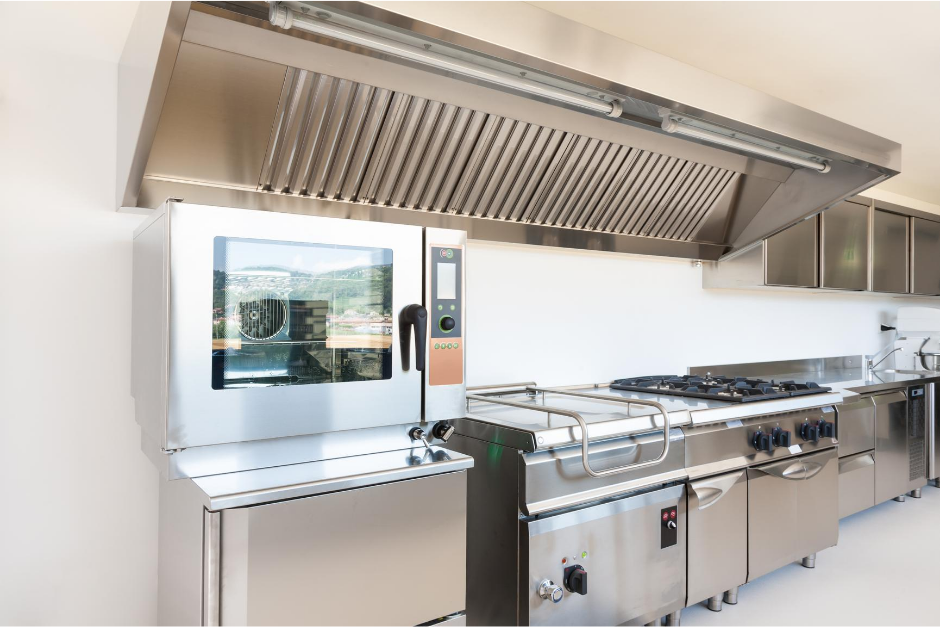
Good airflow removes smoke, steam, and odors. It also lowers heat and humidity. This keeps the kitchen comfortable and safe.
| Ventilation Type | Purpose | Maintenance Tips |
| Range Hood | Removes cooking fumes | Clean filters monthly |
| Exhaust Fan | Pushes out moist air | Check for blockages |
| Windows | Allows fresh air in | Open regularly |
| Air Vents | Circulates air | Keep vents clear |
Organizing And Storage
Kitchen maintenance includes keeping your space tidy and well-organized. Good organizing and storage help you find things fast.
Proper storage stops clutter and keeps your kitchen clean. It makes cooking easier and safer.
Decluttering Tips
Remove items you do not use often. Keep only what you need and use daily.
Sort kitchen tools and appliances into groups. This makes it easier to store them neatly.
- Throw away expired food and old spices
- Donate or recycle duplicate utensils
- Keep countertops clear of extra items
- Use containers to store small items
Maximizing Space Efficiency
Use vertical space by installing shelves or hooks. This frees up counter and cabinet space.
Store items by frequency of use. Keep daily items within easy reach and less used items higher up.
- Use stackable containers to save shelf space
- Install pull-out drawers for deep cabinets
- Use clear containers to see contents quickly
- Hang pots and pans to save drawer space
Credit: smcleanburlington.ca
Frequently Asked Questions
What Is Kitchen Maintenance And Why Is It Important?
Kitchen maintenance involves regular cleaning and upkeep of appliances and surfaces. It prevents damage, ensures hygiene, and improves functionality. Proper maintenance extends appliance lifespan and creates a safer cooking environment, reducing repair costs and enhancing kitchen efficiency.
How Often Should Kitchen Maintenance Be Performed?
Kitchen maintenance should be done daily for cleaning, weekly for deep cleaning, and monthly for appliance checks. Regular upkeep keeps the kitchen sanitary, prevents buildup, and helps spot issues early. Consistent maintenance ensures a smooth and safe cooking experience.
What Are The Essential Kitchen Maintenance Tasks?
Essential tasks include cleaning countertops, appliances, sinks, and floors. Checking for leaks, clearing vents, and inspecting appliances also matter. These actions prevent grime, mold, and mechanical failures, maintaining a clean and efficient kitchen space.
Can Kitchen Maintenance Improve Appliance Lifespan?
Yes, regular maintenance helps appliances run efficiently and last longer. Cleaning filters, checking seals, and avoiding overuse reduce wear and tear. Proper care lowers breakdown risk and saves money on repairs or replacements.
Conclusion
Keeping your kitchen clean and well-maintained saves time and money. Regular care stops small problems from becoming big issues. Clean surfaces and appliances help keep food safe. Fix leaks and check tools often to avoid damage. A tidy kitchen feels welcoming and works better.
Simple habits make a big difference every day. Take care of your kitchen, and it will serve you well. Small steps lead to a healthier, happier cooking space.