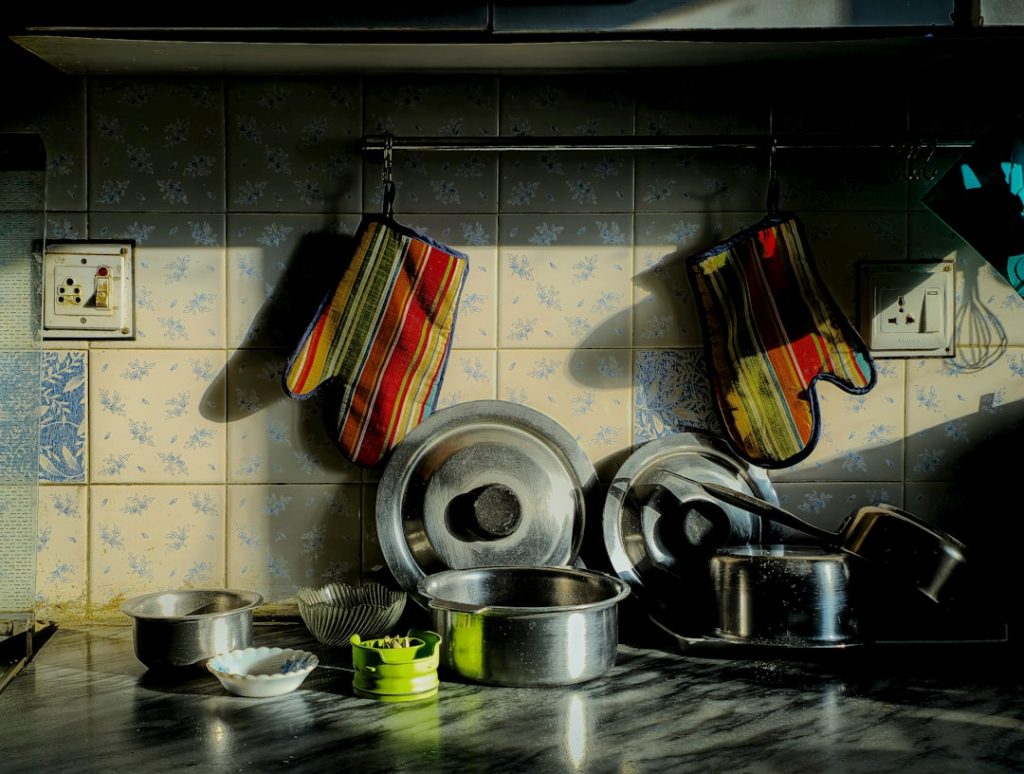
Have you ever wondered if your kitchen appliances need their own dedicated circuit? It’s a question that can save you from unexpected power trips and keep your home safe.
When you plug too many devices into the same outlet, you risk overloading your electrical system. But how do you know which appliances need special attention? You’ll discover the simple truth about kitchen circuits and how making the right choices can protect your appliances, your home, and your peace of mind.
Keep reading to find out exactly what you need to know.
Importance Of Dedicated Circuits
Kitchen appliances use a lot of electricity. This makes their power needs different from other home devices.
Dedicated circuits provide safe and steady power to these appliances. They help prevent electrical problems.
Safety Reasons For Dedicated Circuits
Using a dedicated circuit reduces the risk of electrical fires. Appliances get the right amount of power without overloading wires.
If many devices share one circuit, wires can overheat. This can cause damage or fire in the kitchen.
Preventing Circuit Overloads
Kitchen appliances like microwaves and refrigerators need high power. Sharing circuits can cause breakers to trip often.
Dedicated circuits stop frequent trips. They keep your appliances running smoothly without interruption.
Protecting Appliance Lifespan
Proper power supply helps appliances last longer. Sudden power drops or surges can damage sensitive parts inside.
Dedicated circuits give steady voltage. This protects your appliances from wear and tear caused by power issues.
Improved Performance
Appliances work better with stable power. Dedicated circuits reduce flickering and power loss during use.
This means your kitchen tools run efficiently. You get better results from cooking and food storage.
Common Kitchen Appliances
Kitchen appliances use different amounts of power. Some need their own electrical circuit. This helps keep your kitchen safe and working well.
Knowing which appliances need a designated circuit can save you from electrical problems. Let’s look at some common kitchen appliances.
Refrigerator
Refrigerators run all day and use a steady amount of power. They usually need a dedicated circuit to avoid power loss. This prevents the fridge from tripping breakers.
A dedicated circuit for the refrigerator helps keep your food safe by preventing unexpected shutdowns.
Microwave Oven
Microwave ovens draw a lot of electricity when running. They often require their own circuit to handle the high power load. This stops the breaker from tripping during cooking.
Dishwasher
Dishwashers use water heaters and motors that need steady power. A dedicated circuit ensures they work without interruption. This also helps prevent electrical hazards.
Electric Oven And Range
Electric ovens and ranges consume a large amount of electricity. They always need a designated circuit to support their power needs. This keeps your cooking safe and reliable.
Garbage Disposal
Garbage disposals have motors that use a moderate amount of power. They usually require a dedicated circuit to avoid overloading shared circuits.
Toaster And Small Appliances
Small appliances like toasters and blenders use less power. They often share circuits with other outlets. A dedicated circuit is not usually needed.
Electrical Load And Circuit Capacity
Kitchen appliances use a lot of electricity. They need enough power to work well and safely.
Understanding electrical load and circuit capacity helps decide if appliances need their own circuit.
Electrical Load
Electrical load means the amount of electricity an appliance uses. It is measured in watts or amps.
High-load appliances draw a lot of power and can overload shared circuits.
- Microwaves often use 1000 watts or more
- Refrigerators use about 150 to 400 watts
- Dishwashers can use 1200 watts or higher
- Electric ovens may need 3000 watts or more
Circuit Capacity
Circuit capacity is the maximum electricity a circuit can safely carry. It is measured in amps.
Most kitchen circuits have a 15 or 20 amp limit. Overloading a circuit can cause breakers to trip.
- A 15-amp circuit can handle about 1800 watts
- A 20-amp circuit can handle about 2400 watts
- Appliances should not exceed 80% of circuit capacity
- Dedicated circuits avoid overload and improve safety
Risks Of Overloading Circuits
Kitchen appliances use a lot of electricity. Plugging many devices into one circuit can cause problems. Overloading circuits can lead to dangerous situations.
It is important to understand the risks of overloading circuits. This helps keep your kitchen safe and your appliances working well.
Fire Hazards From Overloaded Circuits
Too much electricity on one circuit can cause wires to overheat. Overheated wires can start fires. Most kitchen fires start because of electrical issues.
- Wires get hot and melt insulation
- Exposed wires can spark and ignite
- Fire can spread quickly in kitchens
- Smoke from electrical fires is toxic
Damage To Appliances And Wiring
Overloading circuits can damage your appliances and wiring. Appliances may not get the right power. This can cause them to break or work poorly.
Wiring damage can cause shorts or circuit breaker trips. Fixing wiring is costly and time-consuming.
Signs Your Circuit Is Overloaded
| Sign | What It Means |
| Flickering Lights | Too much load on the circuit |
| Frequent Breaker Trips | Circuit protecting itself from overload |
| Warm Outlet or Switch | Wiring overheating inside the wall |
| Buzzing Sounds | Loose connections or overloaded wires |
Why Designated Circuits Matter
Designated circuits give appliances their own power line. This prevents overloading and reduces risk. Large appliances like refrigerators and ovens need dedicated circuits.
Key Appliances Requiring Dedicated Circuits
Kitchen appliances often need their own electrical circuits. This ensures safety and proper operation. Using shared circuits can cause frequent tripping of breakers and damage.
Some appliances draw high power and must be on dedicated circuits. This article covers key kitchen appliances that need special wiring.
Refrigerators
Refrigerators run continuously and use a steady amount of power. They require a dedicated 15-20 amp circuit to avoid overloads. Shared circuits can cause the fridge to lose power, spoiling food.
Microwaves
Microwaves use a lot of power when cooking. A dedicated 15-20 amp circuit is recommended for safety. This helps prevent the circuit breaker from tripping during use.
- Microwaves draw strong electrical loads
- Shared circuits may cause power interruptions
- Dedicated circuits improve appliance lifespan
Dishwashers
Dishwashers also need a dedicated circuit. They usually require a 15-20 amp breaker. This prevents interference with other kitchen appliances and helps the dishwasher run efficiently.
Electric Ranges And Ovens
Electric ranges and ovens need the most power in the kitchen. They require a 40-50 amp dedicated circuit. This supports their heavy electrical load safely.
| Appliance | Recommended Circuit Size |
| Refrigerator | 15-20 amps |
| Microwave | 15-20 amps |
| Dishwasher | 15-20 amps |
| Electric Range/Oven | 40-50 amps |
Benefits Of Dedicated Circuits
Kitchen appliances often need a lot of power to work properly. Using dedicated circuits helps keep your kitchen safe and efficient.
Dedicated circuits supply electricity to one appliance only. This reduces the risk of electrical problems and improves performance.
Improved Safety
Dedicated circuits lower the chance of electrical fires. They prevent overloads by keeping appliances on separate lines.
Better Appliance Performance
Appliances get steady power without drops. This helps them work at full strength and last longer.
Easier Troubleshooting
If an appliance stops working, finding the problem is simpler. You only check one circuit instead of many.
Code Compliance
Building codes often require dedicated circuits for certain kitchen devices. Following these rules keeps your home up to standard.
- Microwave ovens usually need a dedicated circuit.
- Refrigerators often require separate power lines.
- Dishwashers benefit from their own circuits.
- Garbage disposals should not share circuits.
Preventing Circuit Overload
| Appliance | Typical Power Use (Watts) | Recommended Circuit |
| Microwave Oven | 1000-1500 | Dedicated 20 Amp Circuit |
| Refrigerator | 600-800 | Dedicated 15 Amp Circuit |
| Dishwasher | 1200-1500 | Dedicated 15 or 20 Amp Circuit |
| Garbage Disposal | 500-1000 | Dedicated 15 Amp Circuit |
Installing Dedicated Circuits
Kitchen appliances use a lot of electricity. They need their own dedicated circuits to work safely. A dedicated circuit gives each appliance enough power without overloading the system.
This helps prevent tripped breakers and electrical fires. Installing dedicated circuits is important for big appliances like ovens, refrigerators, and microwaves.
Hiring A Professional Electrician
Electricians know the rules and safety codes for wiring. They can check your home’s electrical system and add circuits properly. This keeps your kitchen safe and up to code.
A professional can recommend the right circuit size for each appliance. They also handle permits and inspections if needed. This saves you time and reduces risks.
- Ensures safe installation
- Follows local electrical codes
- Recommends correct circuit size
- Handles permits and inspections
- Prevents electrical hazards
Diy Considerations
Some people choose to install dedicated circuits themselves. This can save money but needs careful planning. You must understand electrical wiring and safety rules.
Incorrect wiring can cause damage or fire. Make sure to turn off power before starting work. Use the right tools and materials for your circuits.
- Know local electrical codes
- Use proper safety gear
- Turn off power before work
- Use correct circuit breakers
- Test circuits after installation

Credit: www.cookingdetective.com
Cost Considerations
Installing designated circuits for kitchen appliances affects your budget. It is important to understand the costs involved.
These costs include parts, labor, and potential changes to your electrical system. Knowing what to expect helps you plan better.
Material And Equipment Costs
Adding a designated circuit requires wires, breakers, and outlets. Quality materials can increase the price but improve safety.
Using the right size wire and breaker is important to handle the appliance load. This choice impacts the total cost.
- Copper wiring costs more than aluminum
- Higher amperage breakers are pricier
- Special outlets may add to expenses
Labor And Installation Fees
Electricians charge for the time and skill needed to install circuits. Complex kitchens can raise labor costs.
Running new wiring through walls or ceilings takes more time. This increases the overall price.
- Simple installations cost less
- Older homes may require more work
- Permits and inspections add fees
Energy Efficiency And Long-term Savings
Designated circuits can improve appliance efficiency. Appliances run better and use less power.
Energy savings can lower your electricity bills over time. These savings may offset initial costs.
- Prevents circuit overloads
- Reduces risk of tripping breakers
- Extends appliance lifespan
Safety Standards And Regulations
Kitchen appliances often draw a lot of power. This can pose risks if wiring is not done properly. Electrical safety rules help prevent fires and shocks.
Many countries have laws about wiring and circuits in homes. These laws include rules about using designated circuits for kitchen appliances.
National Electrical Code (nec) Requirements
The NEC sets the standard for safe electrical design. It requires specific circuits for some kitchen appliances. This helps avoid overloads and hazards.
- Dishwashers must have dedicated circuits.
- Garbage disposals need their own circuit.
- Microwaves often require a separate circuit.
- Refrigerators usually need dedicated wiring.
Local Building Codes And Inspections
Local codes can add rules on top of the NEC. Inspectors check if homes follow these rules. They look for proper circuit use in kitchens.
Failing to meet these codes can lead to fines. It can also cause insurance problems if damage occurs.
Why Designated Circuits Matter
Dedicated circuits reduce risks. They stop appliances from sharing power that may cause overheating. This keeps wiring safe and appliances working well.
| Appliance | Typical Circuit Requirement | Reason |
|---|---|---|
| Electric Range | 50 amps dedicated circuit | High power draw |
| Microwave | 15-20 amps dedicated circuit | Prevents overload |
| Dishwasher | 15 amps dedicated circuit | Consistent power supply |
| Refrigerator | 15-20 amps dedicated circuit | Protects food safety |

Credit: www.searshomeservices.com
Tips For Maintaining Electrical Safety
Kitchen appliances often need special electrical attention. Keeping safety in mind can prevent accidents. Using the right circuits and proper maintenance helps protect your home.
This guide shares tips to keep your kitchen electrical system safe and efficient. Follow simple rules to avoid hazards and extend appliance life.
Use Designated Circuits For Appliances
Many kitchen appliances require their own circuit. This prevents overloads and reduces fire risk. Check your appliance manual for power needs.
High-power devices like refrigerators and microwaves usually need a dedicated circuit. Avoid plugging too many devices into one outlet.
Regularly Inspect Electrical Cords And Outlets
Damaged cords and faulty outlets can cause shocks or fires. Look for cracks, frays, or discoloration. Replace any damaged parts immediately.
- Unplug appliances before checking cords
- Test outlets for proper grounding
- Do not use extension cords for heavy appliances
- Keep cords away from water and heat
Avoid Overloading Circuits
Overloading circuits causes breakers to trip and increases fire risk. Spread out appliance use across different outlets and circuits.
| Appliance | Recommended Circuit |
| Refrigerator | Dedicated 15-20 Amp |
| Microwave | Dedicated 15-20 Amp |
| Dishwasher | Dedicated 15 Amp |
| Toaster | Standard 15 Amp |
Keep Appliances Dry And Clean
Water and dust cause electrical faults. Wipe appliances with a dry cloth. Clean vents and plugs regularly to avoid buildup.
Safety tip:Never touch electrical appliances with wet hands.

Credit: www.actelectricians.com
Frequently Asked Questions
Do Kitchen Appliances Require Separate Electrical Circuits?
Yes, many kitchen appliances need designated circuits to prevent overloads. This ensures safety and proper appliance function. High-power devices like ovens and refrigerators often require their own circuits.
What Happens If Kitchen Appliances Share One Circuit?
Sharing circuits can cause frequent breaker trips and electrical hazards. Appliances may underperform or damage due to insufficient power. Dedicated circuits help maintain appliance efficiency and home safety.
Which Kitchen Appliances Need Dedicated Circuits?
Large appliances like ovens, microwaves, dishwashers, and refrigerators usually need separate circuits. Small appliances may share circuits if power demands are low. Always check local electrical codes for specific requirements.
Can I Install Multiple Appliances On One Kitchen Circuit?
It depends on the circuit’s capacity and appliance power needs. Overloading circuits risks breakers tripping and fire hazards. Consult an electrician to determine safe circuit arrangements for your kitchen.
Conclusion
Kitchen appliances often need their own circuit for safety and efficiency. This helps prevent electrical overloads and keeps your home safe. Separate circuits also make appliances work better without interruptions. It saves you from frequent breaker trips and possible damage.
Always check your appliance’s power needs and your home’s wiring. A dedicated circuit is a smart choice for many kitchen devices. It protects both your appliances and your family. Simple steps like this help keep your kitchen running smoothly every day.