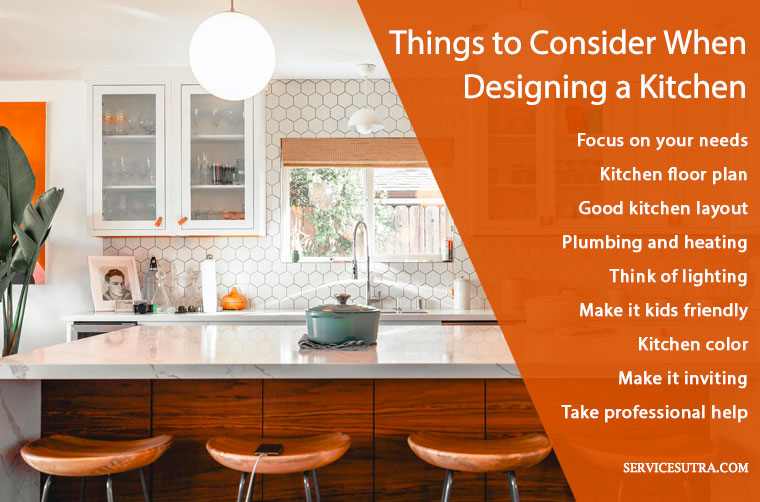
Designing a kitchen can be both exciting and overwhelming. It’s the heart of your home, where you’ll create meals, share stories, and entertain guests.
You want it to be perfect. But where do you start? Should you focus on functionality or aesthetics? What about the latest trends? The decisions seem endless, but don’t worry—you’re not alone. Imagine walking into a space that feels just right, where everything is within reach, and every corner reflects your personal style.
Sounds like a dream, right? We’ll guide you through the essential aspects you need to consider when designing your dream kitchen. By the end, you’ll feel confident and inspired to create a space that truly feels like home. Stick with us, and let’s transform your vision into reality!
Layout Planning
Creating a functional kitchen starts with effective layout planning. It’s the backbone of a smooth cooking experience. A well-thought-out layout enhances usability and efficiency. It can make cooking a joy instead of a chore. With careful planning, every inch of space serves a purpose. This helps to avoid clutter and chaos. Let’s explore some key aspects of layout planning.
Work Triangle
The work triangle is a classic concept in kitchen design. It connects the sink, stove, and refrigerator. This triangle should be compact but not cramped. Ideally, each side ranges from 4 to 9 feet. This distance allows easy movement between these key areas. Ensuring no obstacles block these paths is crucial. It maintains a smooth workflow and reduces unnecessary steps. This setup makes meal prep faster and more efficient.
Flow Optimization
Flow optimization ensures that movement in the kitchen is logical and efficient. Consider how you move through the kitchen daily. Think about tasks such as cooking, cleaning, and storing groceries. Arrange elements to match these natural movements. This improves convenience and reduces fatigue. Keep frequently used items within easy reach. Use cabinets and drawers wisely. This enhances accessibility and maintains a tidy appearance. A well-optimized flow helps in maintaining a stress-free cooking environment.
Storage Solutions
Creating efficient storage solutions is key to designing a functional and stylish kitchen. It’s where practicality meets aesthetics, ensuring that every item has its place without compromising on design. By carefully considering storage options, you can create a kitchen that is not only beautiful but also convenient and easy to navigate.
Cabinet Choices
Cabinets are the backbone of kitchen storage. The right choice can dramatically impact both the look and functionality of your space. Consider the materials and finishes that align with your overall kitchen theme.
Opt for soft-close hinges and drawer slides for a touch of luxury. These small details can enhance your daily cooking experience. Adjustable shelving inside cabinets offers flexibility to accommodate varying sizes of items.
Think about cabinet depth and height. Deeper cabinets can store larger items, while taller cabinets can utilize vertical space. Wouldn’t it be great if you never had to stack pots precariously again?
Pantry Options
A well-organized pantry can be a game-changer. Whether you have a walk-in pantry or a small cupboard, maximizing space is essential. Consider pull-out shelves or lazy Susans for easy access to all your ingredients.
Use clear containers to store dry goods. This not only keeps things tidy but also helps you see when you’re running low on essentials. Label everything to maintain order, so even the smallest members of your family can find what they need.
Think creatively about unused spaces. Could that narrow gap between the fridge and wall be transformed into a slide-out pantry? Reimagining small spaces can lead to big storage wins.
As you plan your kitchen storage, ask yourself: How can this space make my life easier? With thoughtful design choices, your kitchen can be both a culinary haven and a model of efficiency.
Appliance Selection
Choosing the right appliances can transform your kitchen. They can impact functionality and style. Consider these factors to make smart choices.
Energy Efficiency
Appliances consume a lot of power. Pick energy-efficient models to save money. Look for Energy Star ratings. They ensure lower energy bills. Efficient appliances are eco-friendly too. They reduce your carbon footprint.
Space Considerations
Measure your kitchen space carefully. Ensure appliances fit well in your design. Large appliances can make spaces feel cramped. Smaller models might be more suitable. Choose ones that match your cooking needs. Consider built-in options for a seamless look.
Lighting Design
Lighting design plays a crucial role in kitchen aesthetics and functionality. It can make or break the cooking experience. Good lighting enhances the room’s atmosphere and improves visibility. Balancing different lighting types is key for a harmonious kitchen. Focus on task and ambient lighting for a well-lit space.
Task Lighting
Task lighting is essential for specific kitchen activities. It provides focused light on work areas. Place it under cabinets to illuminate countertops. This helps with chopping, mixing, and reading recipes. Use LED strips or puck lights for efficient task lighting. Ensure the lights are bright but not blinding. Adjustable lights can cater to different needs. Task lighting reduces shadows, enhancing safety and precision.
Ambient Lighting
Ambient lighting sets the overall mood of the kitchen. It provides a soft glow throughout the space. Use ceiling fixtures or recessed lights for even distribution. Choose fixtures that match the kitchen’s style and decor. Dimmable ambient lights offer flexibility for various occasions. Balance warmth and brightness for a cozy yet functional atmosphere. Ambient lighting complements task lighting for a cohesive look.
Material Choices
Choosing materials for your kitchen is essential. The right materials impact durability, style, and functionality. Explore options that fit your lifestyle and design preferences. Consider ease of maintenance, cost, and aesthetic appeal. Selecting wisely can enhance your kitchen’s look and longevity. Let’s dive into key areas where material choices matter.
Countertop Materials
Countertops define your kitchen’s workspace. Granite offers durability and elegance. It withstands heat and scratches. Marble provides a classic look but needs care. It stains easily. Quartz is low-maintenance and versatile. It mimics stone without the upkeep. Laminate is budget-friendly with many colors. It may scratch, but it’s easy to replace. Choose a material that balances style and function.
Flooring Options
Flooring impacts comfort and style. Hardwood gives warmth and character. It lasts years but needs upkeep. Tile offers resilience and variety. It’s easy to clean but can be cold. Vinyl is affordable and water-resistant. It suits busy households. Cork provides a soft, eco-friendly option. It insulates well but needs sealing. Select flooring that matches your needs and taste.
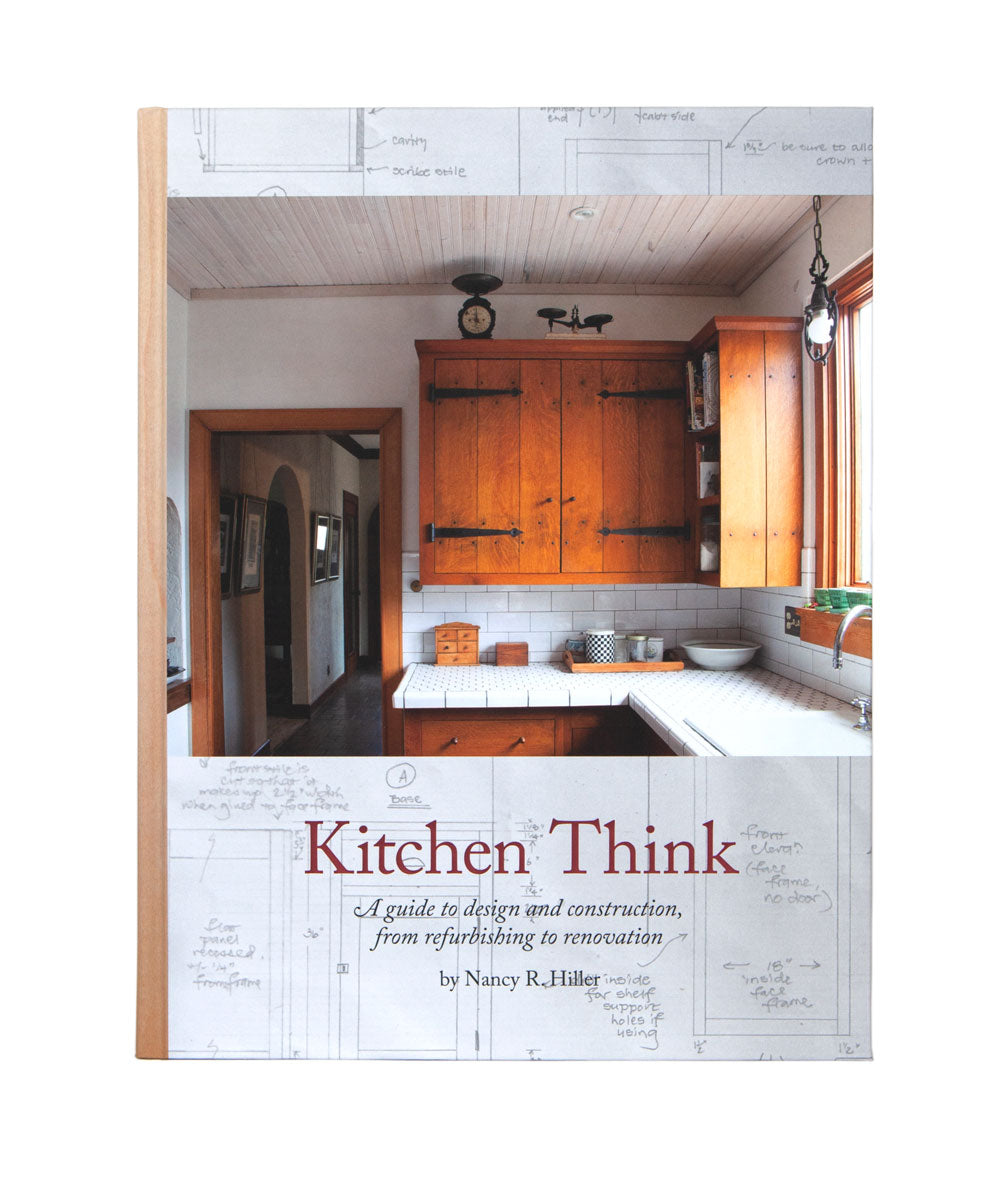
Credit: lostartpress.com
Color Schemes
Choosing the right color scheme for a kitchen sets the mood. Consider how colors affect light and space. Bright colors can make a room feel lively, while soft hues create a calm atmosphere.
Designing a kitchen goes beyond choosing cabinets and appliances. One of the most crucial aspects is your color scheme. The right colors can make your kitchen a place where you love to spend time. They can also influence the mood and functionality of the space. But where do you start when selecting a color scheme?Palette Harmony
Achieving harmony in your kitchen palette is about creating a balance that feels natural. Start by selecting a primary color that will dominate the space. This could be a neutral shade like white or gray, which works as a versatile base. Think about the colors that you want to surround yourself with every day. Do you want a bright, cheerful kitchen or a calming, serene one? Once you have your base color, choose complementary shades that enhance it. Consider the existing elements in your home. If you have an open floor plan, you might want your kitchen colors to flow seamlessly into the adjoining rooms.Accent Colors
Accent colors add personality and depth to your kitchen. They can be bold and daring or subtle and understated. Think about where you can add these pops of color—perhaps on a backsplash, through kitchen accessories, or even in your appliances. One of my friends chose a vibrant teal for their kitchen island, which became the talking point of every gathering. It was a bold choice that paid off. Ask yourself what elements in your kitchen can serve as a canvas for these accents. Could you paint a feature wall, or change the color of your bar stools? Little touches can make a big impact. When selecting accent colors, think about how they interact with your primary palette. They should enhance, not clash. It’s about finding a balance that feels right to you. Choosing the right color scheme is a creative and personal journey. What colors will make your kitchen feel like home?Budget Planning
Designing a kitchen is an exciting project that transforms your home. Budget planning is crucial to ensure the process stays on track. Without a clear budget, costs can spiral out of control. A well-planned budget helps you make informed decisions. It allows you to allocate funds wisely and avoid overspending.
Cost Estimation
Begin with a detailed cost estimation. Research average prices for materials and labor. Include cabinets, countertops, appliances, and fixtures. Don’t forget installation costs and potential repairs. Create a list of all necessary expenses. This helps you see the big picture and set realistic expectations.
Consider unexpected costs too. Set aside a portion of your budget for surprises. This ensures you won’t be caught off guard by hidden expenses.
Prioritizing Needs
Once costs are estimated, prioritize your needs. Decide what is essential for your kitchen’s functionality. Focus on items that add value to your daily life. These might include quality appliances or durable countertops.
Separate needs from wants. Identify features that are nice to have but not crucial. This helps you avoid spending on unnecessary extras. Stick to your priorities to keep the project within budget.
Safety Features
Designing a kitchen involves more than aesthetics. Safety features are essential for a functional space. A safe kitchen protects your family and guests from accidents. Prioritize these features during planning.
Fire Safety
Fire safety in the kitchen is crucial. Install smoke detectors near cooking areas. Choose heat-resistant materials for countertops. Keep fire extinguishers accessible and visible. Ensure electrical outlets are not overloaded. Use flame-resistant curtains and blinds. Have a plan for emergency evacuation.
Child-friendly Design
Young children can be curious and adventurous. A child-friendly kitchen reduces risks. Secure knives and sharp objects in locked drawers. Use childproof locks on cabinets storing chemicals. Install stove guards to protect little hands. Choose non-slip flooring to prevent falls. Keep small appliances out of reach. Add corner guards to counter edges for safety.
Eco-friendly Options
Designing a kitchen with eco-friendly options means choosing energy-efficient appliances and sustainable materials. Consider low-VOC paints and LED lighting to minimize environmental impact. Recycled countertops and cabinets can enhance both style and sustainability.
Designing a kitchen with eco-friendly options not only benefits the environment but also creates a healthier space for you and your family. You might wonder how small changes can make a big difference. By choosing sustainable materials and focusing on water conservation, you can create a kitchen that aligns with your values and lifestyle. Let’s dive into how these choices can shape your kitchen into an eco-friendly haven.Sustainable Materials
Choosing sustainable materials is a great first step. Consider bamboo or reclaimed wood for cabinets and countertops. These materials are not only durable but also renewable. Recycled glass countertops can add a unique look to your kitchen. They combine beauty with sustainability, showing that eco-friendly can also be stylish. When I designed my kitchen, I opted for cork flooring. It feels warm underfoot and is harvested without harming the trees. What sustainable materials will you choose to make your kitchen both beautiful and eco-conscious?Water Conservation
Water conservation in the kitchen can be easier than you think. Low-flow faucets reduce water usage without sacrificing performance. They’re a simple switch that can lead to substantial savings over time. Consider installing a dishwasher that’s energy efficient. Modern models use less water than washing by hand, and they do a better job cleaning your dishes. In my kitchen, I added a rainwater collection system for non-drinking purposes. It helps in watering plants and cleaning outdoor areas. How will you incorporate water-saving techniques in your kitchen design? By focusing on sustainable materials and water conservation, you’re not just building a kitchen—you’re creating a space that reflects a commitment to the environment. Every decision you make can contribute to a healthier planet and a more efficient home. What’s your next step in designing an eco-friendly kitchen?
Credit: telkitchens.co.uk
Personal Touch
Creating a kitchen with a personal touch involves considering your lifestyle and preferences. Choose colors and materials that reflect your taste. Plan the layout to suit your cooking habits and family needs.
Designing a kitchen is an exciting journey where you can truly express your personality. It’s where you spend countless hours crafting meals and sharing moments with loved ones. Adding a personal touch to your kitchen not only makes it feel unique but also enhances your connection to the space. Imagine walking into a kitchen that reflects your style, your memories, and your dreams. Isn’t that a space you’d love to be in?Decor Elements
Decor elements are the soul of your kitchen’s personal touch. Think about the colors that make you feel happy or calm. Maybe you love the vibrancy of turquoise or the serenity of pastel hues. Artwork and photos can tell your story. Hang a picture from your favorite vacation or an artwork that inspires you. These pieces can transform your kitchen from a mere functional space to a gallery of your life. Consider the lighting. A chandelier might add elegance, while pendant lights can bring a modern vibe. Lighting can change the mood dramatically; make sure it aligns with your style.Custom Features
Custom features are where your kitchen truly becomes yours. Do you need a spice rack that accommodates your vast collection? Or a wine cooler for your cherished bottles? Think about the materials you love. Would wooden countertops remind you of your grandmother’s farmhouse? Or would sleek marble surfaces echo your modern taste? Storage solutions can be personalized too. Pull-out shelves for easy access or built-in recycling bins can make your kitchen more efficient and tailored to your needs. Personalizing your kitchen should be fun. What quirky feature would surprise and delight your friends? Perhaps a hidden coffee nook or a unique backsplash. Your kitchen is your canvas—paint it with your personality. In creating your kitchen, what story do you want it to tell? Make it a space where you feel at home and excited to spend time.
Credit: lostartpress.com
Frequently Asked Questions
What Is The Golden Rule For Kitchen Design?
The golden rule for kitchen design is to follow the “work triangle” concept. Ensure efficient workflow by placing the sink, stove, and refrigerator in a triangular layout. This minimizes movement and maximizes efficiency, creating a functional and harmonious kitchen space.
Prioritize accessibility and space utilization for optimal design.
What Are The Factors To Consider In The Design Of A Kitchen?
Consider layout for efficient workflow. Focus on storage solutions to maximize space. Select durable and easy-to-clean materials. Ensure proper lighting for functionality. Choose appliances that fit your needs and space.
What Are The Rules When Designing A Kitchen?
Ensure a functional work triangle between the stove, sink, and refrigerator. Maximize storage with cabinets and drawers. Use durable, easy-to-clean materials for surfaces. Prioritize adequate lighting for tasks and ambiance. Maintain sufficient counter space for food preparation and appliances.
Is $10,000 Enough For A Kitchen Remodel?
$10,000 can cover a minor kitchen remodel. Focus on cosmetic updates like paint, hardware, or lighting. For larger renovations, costs may exceed this budget. Prioritize essential upgrades and DIY where possible to save costs. Always get multiple quotes to ensure the best value.
Conclusion
Designing a kitchen takes thoughtful planning. Consider space for movement and storage. Choose durable materials for countertops and floors. Think about lighting for different moods. Select appliances that fit your lifestyle. Prioritize safety with childproof features. Create a layout that enhances cooking flow.
Mix aesthetics with functionality for comfort and style. Personal touches make the kitchen inviting. Remember, a well-designed kitchen adds value to your home. It’s where meals and memories are made. Aim for a space that reflects your personality and meets your needs.
Happy designing!