Imagine walking into your kitchen and feeling an instant sense of harmony and functionality. It’s not just about having the latest appliances or the trendiest color palette; it’s about designing a space that feels right for you.
The secret to achieving this lies in what many designers call the “Golden Rule for Kitchen Design. ” But what exactly does this mean, and how can it transform your kitchen into the heart of your home? This rule isn’t just a designer’s tip; it’s a game-changer for creating a kitchen that works perfectly for your daily needs and lifestyle.
As you read on, you’ll discover how this principle can help you balance aesthetics with practicality, ensuring that every inch of your kitchen is both beautiful and usable. Ready to uncover the secret to a perfectly designed kitchen? Let’s dive in and explore how this golden rule can revolutionize your culinary space.
Layout Essentials
The heart of any home is the kitchen, and getting its layout right is crucial. You want a space that is not only functional but also inviting. Understanding layout essentials can transform your kitchen into a harmonious hub where efficiency meets aesthetic appeal. Consider how you move through the kitchen. Are you bumping into things or constantly reaching for items? These inconveniences can be minimized with strategic planning.
Work Triangle Concept
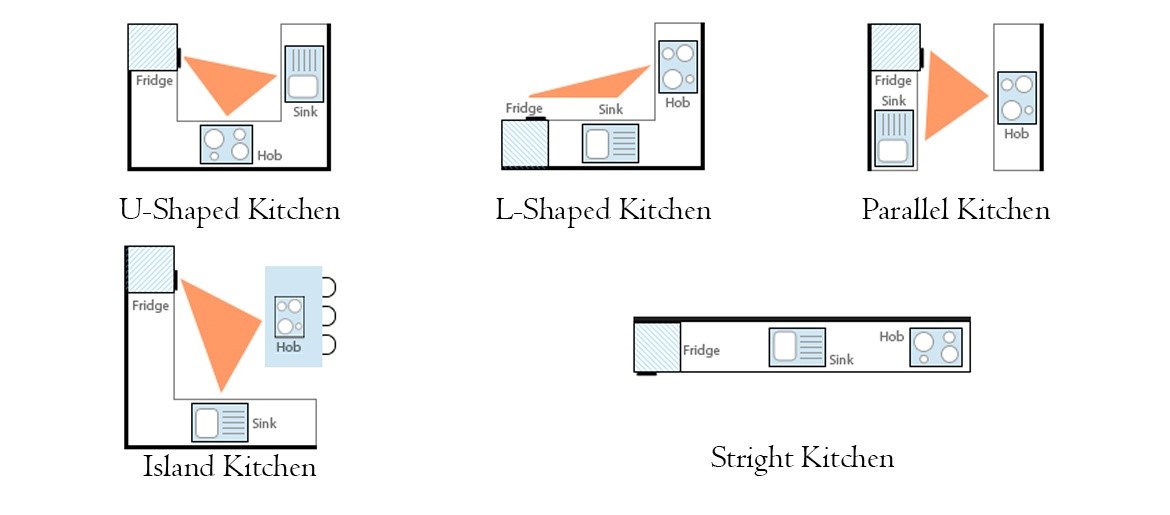
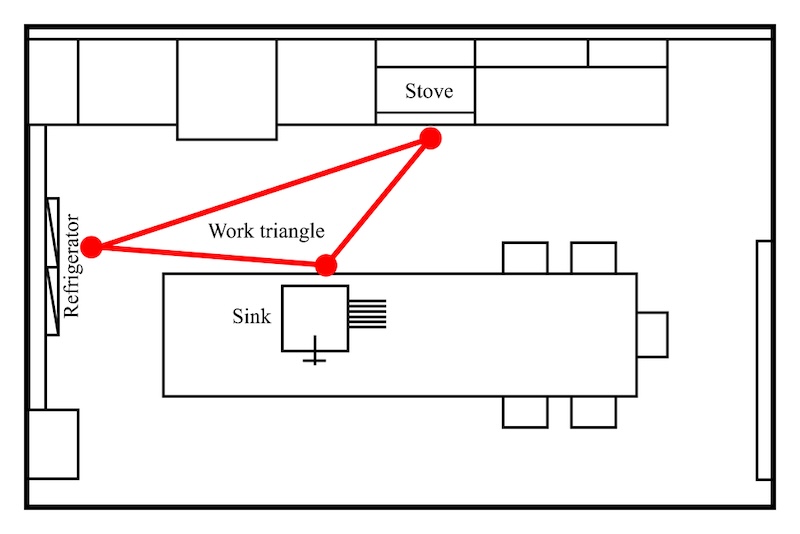
Have you ever noticed how you move between the stove, fridge, and sink? This is known as the work triangle, a key element in kitchen design. Each side of the triangle should be between four and nine feet to optimize movement. This ensures you aren’t taking unnecessary steps, saving you time and effort.
Imagine cooking a big family dinner without the hassle of constantly turning around. The work triangle reduces such friction, allowing you to focus on what truly matters—cooking delicious meals and enjoying time with loved ones. Evaluate your current setup. Does your kitchen have a natural flow?
Zoning For Functionality
Think about how you use different areas of your kitchen. Zoning is about assigning specific functions to particular zones. Have a prep zone near your ingredients and utensils for easy access. Place your cooking zone near the stove and oven for seamless transitions.
Consider the clean-up zone. A sink close to the dishwasher makes cleaning up less of a chore. Is there a space where you can easily unload groceries from the car? Zoning enhances functionality, making everyday tasks more efficient.
Reflect on how you can enhance your kitchen’s layout. What changes will make your kitchen more user-friendly? Start implementing small adjustments today and witness the difference they bring.
Credit: www.homworks.com
Maximizing Space
Designing a kitchen efficiently revolves around the golden triangle rule. This principle focuses on placing the sink, stove, and refrigerator in a triangular layout. This setup maximizes space and boosts functionality, making cooking tasks more streamlined and convenient.
Maximizing kitchen space is crucial for an efficient cooking area. A well-organized kitchen increases functionality and enhances your cooking experience. Every inch counts in making your kitchen work for you. Let’s explore how to maximize your kitchen space effectively.Vertical Storage Solutions
Utilize vertical space with tall cabinets and shelves. They keep items within reach yet out of the way. Install hooks or racks on walls for pots and pans. This frees up counter space and adds style. Use magnetic strips for knives and spice jars. It keeps them organized and visible. Stackable containers help in storing pantry items efficiently. They save space and reduce clutter.Smart Use Of Corners
Corners often become dead space in kitchens. Use corner shelves or lazy Susans. They offer accessible storage for hard-to-reach areas. Install pull-out drawers in corner cabinets. This maximizes space and improves access. Consider corner sinks or appliances. They provide functionality without consuming space. Design smartly to utilize every corner effectively.Lighting Strategies
The kitchen is often the heart of the home, and lighting plays a crucial role in making it functional and inviting. Lighting strategies can transform your kitchen into a space that’s both practical and beautiful. Whether you’re cooking a meal or hosting a gathering, good lighting can make all the difference.
Task Lighting Importance
Task lighting is essential in the kitchen. It illuminates areas where you perform specific tasks, like chopping vegetables or reading recipes. Under-cabinet lights are a great option for this purpose. They focus light directly onto your countertops, ensuring you see clearly without shadows.
Think about your experiences in poorly lit kitchens. It can be frustrating when you’re trying to cook and can’t see properly. Adding task lighting can eliminate this issue. It enhances your cooking experience, making it safer and more enjoyable.
Ambient And Accent Lighting
Ambient lighting sets the overall mood in your kitchen. It can be achieved with ceiling lights or recessed fixtures. This type of lighting ensures the room is evenly lit, providing a warm and welcoming atmosphere.
Accent lighting, on the other hand, highlights specific features or areas. You might use it to showcase a beautiful backsplash or a unique piece of art. It’s about creating visual interest and personalizing your space.
Consider how lighting can impact the ambiance during a dinner party. Well-planned ambient and accent lighting can make your guests feel relaxed and at ease. How can you use lighting to enhance your kitchen’s personality?
In conclusion, lighting strategies are key to effective kitchen design. By focusing on task, ambient, and accent lighting, you can create a kitchen that’s both functional and appealing. So, what will your next kitchen lighting project look like?

Credit: www.huntskitchendesigns.com
Material Selection
Material selection is a crucial aspect of kitchen design that can significantly impact both functionality and style. Choosing the right materials involves balancing factors like durability, maintenance, and aesthetics to create a space that not only looks good but also stands the test of time. Think about how often you’ll use your kitchen and what kind of wear and tear it will endure. The right choice of materials can make your kitchen a joy to use and a breeze to maintain.
Durability And Maintenance
When thinking about durability, consider how much use your kitchen will see. If you have a bustling household, you’ll need materials that can withstand constant activity. Stainless steel, for example, is a popular choice for countertops due to its resilience against heat and stains.
Maintenance is another key factor. Some materials, like natural stone, look stunning but require regular sealing to prevent damage. Others, like quartz, offer the beauty of stone with less upkeep. Ask yourself: how much time are you willing to spend on maintenance?
Aesthetic Considerations
Visual appeal is just as important as practicality. The materials you choose will set the tone for your kitchen’s overall look. Wood can add warmth and a rustic feel, while sleek metals provide a modern edge. What style resonates with you?
Color and texture play a vital role too. Light-colored materials can make a small kitchen feel more spacious, while darker tones add depth and richness. Mixing and matching textures, such as pairing smooth marble with rough-hewn wood, can create a visually interesting space. Have you considered how these elements come together in your kitchen design?
Ultimately, the choices you make about material selection can transform your kitchen into a space that’s both functional and beautiful. Take the time to explore your options and think about what will best suit your lifestyle and taste. What materials will make your kitchen the heart of your home?
Color And Texture
Color and texture are crucial in kitchen design. They set the mood and define the atmosphere. Choosing the right color palette can transform a kitchen space. Texture adds depth and can make a kitchen feel welcoming. Together, they create a harmonious environment. Let’s explore how to use color and texture effectively.
Creating Visual Interest
Visual interest is key in any kitchen. Use contrasting colors to draw the eye. Pair bold colors with neutral shades. This creates a striking effect. Texture adds another layer of interest. Try smooth surfaces alongside rough textures. This contrast enhances the visual appeal. Small details make a big difference.
Balancing Light And Dark
Balance light and dark colors for harmony. Light colors open up the space. Dark shades add sophistication and elegance. Use dark colors sparingly. They should accent rather than dominate. Light colors should be the base. This balance creates a comfortable environment. A well-lit kitchen feels more inviting.
Appliance Integration
Designing a kitchen involves thoughtful appliance integration, ensuring functionality and harmony. The golden rule emphasizes balanced spacing, allowing easy access and movement. Prioritize essential appliances to maintain a clutter-free and efficient workspace.
Appliance integration is a crucial aspect of kitchen design, transforming your space into a harmonious blend of aesthetics and functionality. A well-integrated appliance setup not only enhances the visual appeal but also optimizes your kitchen’s efficiency. By focusing on energy efficiency and seamless design, you can create a kitchen that is both stylish and practical.Choosing Energy-efficient Models
When selecting appliances, energy efficiency should be a top priority. Energy-efficient models can significantly reduce your utility bills, saving you money in the long run. Look for appliances with the ENERGY STAR label; these meet strict energy efficiency guidelines set by the government. Consider how often you use certain appliances. If you love cooking, investing in an energy-efficient oven or stove is wise. For those who enjoy fresh produce, an efficient refrigerator keeps food fresher longer while consuming less power. Energy-efficient appliances also contribute to a more sustainable lifestyle. By reducing energy consumption, you’re playing a part in conserving resources. Isn’t it satisfying to know your kitchen choices can positively impact the environment?Seamless Design Integration
Achieving a seamless design involves thoughtful placement and selection of appliances. Built-in appliances provide a sleek look, making your kitchen appear more organized and spacious. Choose colors and finishes that complement your cabinetry for a cohesive design. Consider how your appliances will fit into your kitchen layout. A built-in microwave can free up counter space, while a hidden dishwasher can maintain a clean line of sight. The goal is to create a flow that makes cooking and cleaning intuitive. Think about your daily routine when integrating appliances. Is your coffee maker in a convenient spot for those rushed mornings? Placing frequently used appliances within easy reach can enhance your kitchen experience. Remember, a well-designed kitchen is not just about looks—it’s about making your life easier.Ergonomics And Accessibility
Designing a kitchen with ergonomics and accessibility in mind centers around the “Golden Triangle” rule. This principle optimizes movement between the stove, sink, and refrigerator, ensuring efficiency and comfort. Proper layout minimizes strain and enhances usability for everyone in the household.
Designing a kitchen that works for everyone in the home is more than just about aesthetics. It’s about making sure it is functional and accessible. Ergonomics and accessibility are key components of a well-designed kitchen, ensuring that daily tasks are easier and safer for everyone. When you focus on these elements, you create a space that not only looks good but feels good to work in.Height And Reach Considerations
When you’re setting up your kitchen, think about how you move and work within the space. Are you constantly stretching to reach items or bending down to access lower cabinets? If so, it might be time to rethink the height of your countertops and the placement of your cabinets. Consider varying the heights of countertops to cater to different tasks, like chopping vegetables or kneading dough. This can prevent unnecessary strain on your back. Installing pull-down shelves or adjustable cabinets can make items more accessible, reducing the need to reach overhead or bend down frequently.Inclusive Design Features
A kitchen should cater to all ages and abilities. Have you thought about how someone with limited mobility might navigate your space? Features like wide pathways and lower countertops can make a significant difference. Consider adding lever-style handles instead of knobs, which are easier to use for people with arthritis or limited hand strength. A hands-free faucet can be a game-changer for those who find it difficult to turn knobs. These small changes can make your kitchen a welcoming space for everyone. Think about your kitchen layout. Is it easy for someone in a wheelchair to move around? Lowering appliances like microwaves to countertop level ensures accessibility for all users. By incorporating these inclusive design features, you create a kitchen where everyone feels comfortable and independent. Reflect on your kitchen’s current layout and features. Are they meeting the needs of everyone in your household? Making thoughtful adjustments can transform your kitchen from a simple cooking space into a hub of comfort and functionality for everyone.Personalization
Personalization is the heart of kitchen design. It transforms spaces into unique reflections of those who inhabit them. A personalized kitchen caters to individual tastes and practical needs, blending style with functionality. This approach ensures the kitchen is not just a place for cooking but a space that resonates with the soul of the home.
Reflecting Personal Style
Your kitchen should mirror your personality. Think about colors that bring you joy. Consider materials that match your lifestyle. Do you prefer sleek modern lines or rustic charm? Each element can reflect your taste, making the kitchen a true extension of your identity.
Incorporate decorative elements that speak to you. Artwork, vases, and unique light fixtures can enhance the ambiance. These touches transform a simple cooking area into a space that feels personal and inviting.
Incorporating Family Needs
A kitchen should serve everyone in the family. Consider the needs of each member. If children are present, safety features are essential. Non-slip flooring and rounded edges can prevent accidents. These additions ensure a safe environment for little ones.
Think about storage solutions that accommodate family habits. Large cabinets for bulk storage might be necessary. Open shelves can provide easy access for frequently used items. These choices make daily routines smoother and more efficient.
Cooking enthusiasts might require specialized equipment space. Those who love baking might need a dedicated counter area. Creating spaces that cater to hobbies can enhance the kitchen’s functionality.
Credit: nukitchendesigns.com
Frequently Asked Questions
What Is The Golden Kitchen Rule?
The golden kitchen rule is to clean as you cook. This keeps the workspace tidy and organized, preventing clutter and ensuring efficient meal preparation. Following this rule enhances safety and hygiene in the kitchen.
What Is The Most Important Rule In A Kitchen?
The most important rule in a kitchen is to maintain cleanliness and organization. Keep surfaces clean and sanitize tools regularly. Properly store ingredients to avoid contamination. This ensures food safety and a smooth cooking process, protecting everyone’s health. Prioritize hygiene to create a safe and efficient kitchen environment.
What Is The Golden Ratio In A Kitchen?
The golden ratio in a kitchen refers to the ideal layout proportions, enhancing functionality and aesthetics. It involves optimizing space by ensuring countertops, cabinets, and appliances are in harmonious relation. This design principle creates a balanced and efficient cooking environment, promoting both practicality and visual appeal.
What Are The Rules When Designing A Kitchen?
Design a kitchen with efficient workflow by ensuring the work triangle between sink, stove, and refrigerator. Maximize storage and use durable, easy-to-clean materials. Ensure proper lighting for safety and ambiance. Keep countertops clutter-free for ample workspace. Choose a cohesive style for a visually appealing space.
Conclusion
Creating a well-designed kitchen involves following the golden rule. Balance functionality with aesthetics for a harmonious space. Start with a clear plan. Focus on layout and lighting. Ensure easy access to appliances and storage. Choose durable materials for countertops and floors.
Personalize your kitchen with colors and decor. Remember, simplicity often leads to elegance. A kitchen should feel welcoming and efficient. Keep the workspace organized. Prioritize your needs and preferences. With thoughtful design, your kitchen becomes a joyful hub. Enjoy the heart of your home every day.