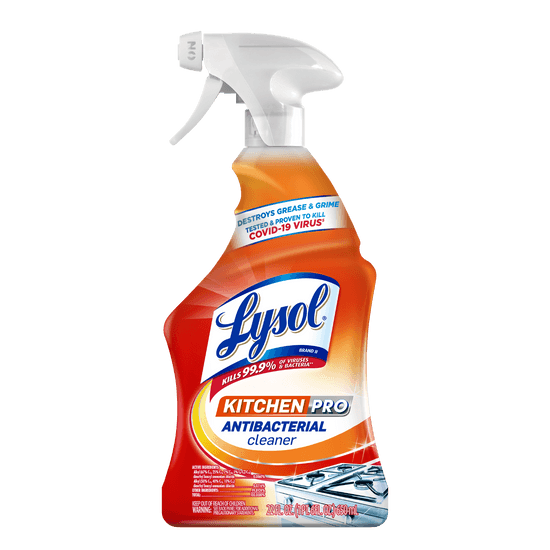
You want your quartz countertops to stay beautiful and damage-free for years. But when it comes to cleaning, you might wonder if using Kitchen Lysol Cleaner is safe.
Could it harm your quartz surfaces or leave unwanted marks? If you’ve ever hesitated before grabbing that spray bottle, you’re not alone. This article will clear up the confusion and help you protect your countertops while keeping your kitchen fresh and clean.
Keep reading to find out what you need to know before using Lysol on your quartz.
Quartz Countertop Basics
Quartz countertops are popular in many kitchens. They offer a mix of beauty and strength.
Understanding their makeup helps you care for them well. This guide explains quartz countertop basics.
Composition And Durability
Quartz countertops are made from crushed quartz stone mixed with resin and pigments. This makes a strong, non-porous surface.
- About 90% natural quartz crystals
- Resin binds the quartz and adds color
- Non-porous surface resists stains
- Highly durable and scratch-resistant
- Not heat-proof; avoid hot pans
Quartz is tougher than granite but can still get damaged by harsh chemicals like Lysol cleaner. Gentle cleaners are best.
Common Uses In Kitchens
Quartz is a favorite choice for kitchen counters. It blends style with practical use.
| Use | Reason |
| Kitchen countertops | Durable and easy to clean |
| Kitchen islands | Strong surface for prep work |
| Backsplashes | Matches countertop for a sleek look |
| Bar tops | Resistant to stains and scratches |
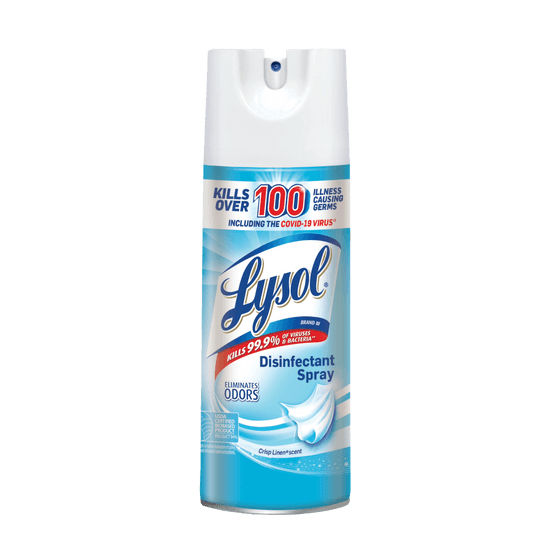
Credit: www.lysol.com
Kitchen Lysol Cleaner Components
Kitchen Lysol Cleaner is a common disinfectant used in many homes. It helps clean surfaces and kill germs in kitchens.
Understanding its components can help you know if it is safe for quartz countertops.
Active Ingredients
The main active ingredients in Kitchen Lysol Cleaner include chemicals that kill bacteria and viruses. These are usually strong but safe if used correctly.
- Quaternary ammonium compounds (quats)
- Alcohol-based substances
- Hydrogen peroxide in some formulas
These ingredients work together to clean and disinfect surfaces quickly. They break down germs and make surfaces hygienic.
Disinfecting Properties
Kitchen Lysol Cleaner kills many types of germs, including bacteria, viruses, and fungi. This makes it effective for kitchen use.
The disinfecting action helps reduce the risk of illness by removing harmful microbes from surfaces.
- Kills 99.9% of bacteria and viruses
- Effective against cold and flu viruses
- Prevents mold and mildew growth
Chemical Reactions With Quartz
Quartz countertops are made from natural quartz mixed with resins. These resins protect the surface and keep it strong. Some cleaners contain chemicals that can react with quartz or its resins.
It is important to know if Lysol Cleaner can cause any damage. Lysol has chemicals like alcohol and detergents. These might affect quartz surfaces if used incorrectly.
Potential Damage Risks
Lysol Cleaner contains ingredients that may harm quartz countertops. Strong chemicals can wear down the resin layer. This wear can lead to stains or dull spots.
Using Lysol Cleaner often or leaving it on the surface too long increases risk. Some chemicals may cause discoloration or etching on quartz.
- Harsh chemicals can break down resin
- Prolonged exposure may cause stains
- Acidic ingredients can etch the surface
- Frequent use increases damage chances
Effect On Surface Finish
Lysol Cleaner may change the smooth finish of quartz countertops. The surface can lose its shine and become rough. This happens if the cleaner reacts with the resin layer.
Scratches or dull areas may appear after cleaning with Lysol. It is best to use gentle cleaners made for quartz. Avoid letting Lysol sit on the surface for long times.
- Loss of shine on quartz surface
- Surface may feel rough or scratched
- Cleaning with mild products is safer
- Quick wipe-off reduces damage risk

Credit: www.fynesdesigns.com
Safe Cleaning Alternatives
Kitchen Lysol cleaner can damage quartz countertops. It contains harsh chemicals that may dull the surface.
Using safe cleaners helps keep quartz shiny and strong for years. Choose gentle products made for quartz care.
Recommended Cleaners For Quartz
Use pH-balanced cleaners made for natural stone or quartz surfaces. These cleaners do not harm the finish.
Look for products labeled as non-abrasive and ammonia-free. These keep quartz looking new without damage.
- Mild dish soap mixed with warm water
- Stone-safe sprays designed for quartz
- Isopropyl alcohol diluted with water
Diy Cleaning Solutions
Make your own quartz cleaner using simple ingredients. This is safe and cost-effective for daily use.
A mixture of water and mild soap or diluted vinegar can clean quartz without damage.
- Mix one cup of warm water with a few drops of dish soap
- Combine one part white vinegar with three parts water for tougher stains
- Wipe with a soft cloth or sponge, then dry with a clean towel
Preventive Measures
Quartz countertops are popular for their durability and beauty. Using the right cleaner helps keep them safe. Lysol cleaner can be strong, so it is important to use it carefully.
Taking preventive steps protects your quartz from damage. Clean your countertop with care to keep it looking great for years.
Proper Cleaning Techniques
Use mild soap and warm water to clean quartz surfaces. Apply cleaner with a soft cloth or sponge. Avoid scrubbing hard to prevent scratches.
Rinse the surface well and dry it with a clean towel. This stops streaks and water spots from forming.
- Use a soft cloth or sponge
- Apply mild soap and warm water
- Rinse and dry the surface
- Clean spills quickly to avoid stains
Avoiding Harsh Chemicals
Do not use strong cleaners like bleach or ammonia on quartz. These can dull or damage the surface. Lysol cleaner contains chemicals that may harm quartz if used often.
Choose cleaners made for natural stone or quartz. Always test new cleaners on a small hidden area first.
- Avoid bleach, ammonia, and acidic cleaners
- Skip abrasive scrubbing pads or powders
- Use gentle cleaners made for quartz
- Test new products on a small spot
When Damage Occurs
Quartz countertops are strong and resist many cleaners. Lysol cleaner can be safe if used right. But damage can happen if the cleaner is too harsh or left on too long.
Damage usually happens when Lysol or other cleaners contain acids or bleach. These chemicals can wear down the surface of quartz over time. It is best to avoid strong chemicals on quartz.
Signs Of Wear And Tear
Look for changes on your quartz surface to spot damage early. These signs mean the cleaner may have harmed the countertop.
- Dull or cloudy spots where the shine is gone
- Small cracks or chips forming on the surface
- Discoloration or stains that do not wash away
- Rough or uneven areas that feel different to touch
Noticing these signs early can help you fix the damage before it gets worse.
Repair Options For Quartz
Minor damage to quartz can often be repaired at home or by a professional. Repairs depend on the damage type and size.
- Use quartz polish to restore shine on dull spots
- Fill small chips or cracks with a resin repair kit
- Clean stains with a gentle, non-abrasive cleaner
- Call a professional for deep scratches or large damage
Taking care of your quartz countertop quickly prevents more costly repairs later.

Credit: unitedgranitepa.com
Frequently Asked Questions
Will Kitchen Lysol Cleaner Damage Quartz Countertops?
Kitchen Lysol Cleaner contains chemicals that can dull quartz surfaces. Avoid using it regularly to prevent discoloration and wear. Opt for pH-balanced, non-abrasive cleaners designed for quartz to maintain its shine and durability.
Is Lysol Safe For Daily Quartz Countertop Cleaning?
Lysol is not recommended for daily quartz cleaning due to its harsh chemicals. Use mild soap and water or specialized quartz cleaners for regular maintenance. This keeps your countertops looking new and prevents damage over time.
How To Clean Quartz Countertops Without Harming Them?
Use a soft cloth with warm water and mild dish soap to clean quartz. Avoid bleach, acidic cleaners, or abrasive pads that can etch or dull the surface. Wipe spills promptly to prevent staining and maintain quartz’s natural beauty.
Can Lysol Cause Discoloration On Quartz Surfaces?
Yes, Lysol’s strong disinfectants may cause discoloration or dull spots on quartz countertops. Prolonged use increases this risk. Stick to quartz-safe cleaning products to preserve the countertop’s original color and finish.
Conclusion
Kitchen Lysol cleaner can damage quartz surfaces if used often. Quartz needs gentle care with mild cleaners and soft cloths. Avoid harsh chemicals to keep your countertop looking new. Wiping spills quickly helps protect the stone from stains. Safe cleaning keeps your quartz countertop strong and shiny.
Take simple steps to maintain beauty and durability every day. Your quartz countertop will stay in great shape for years.