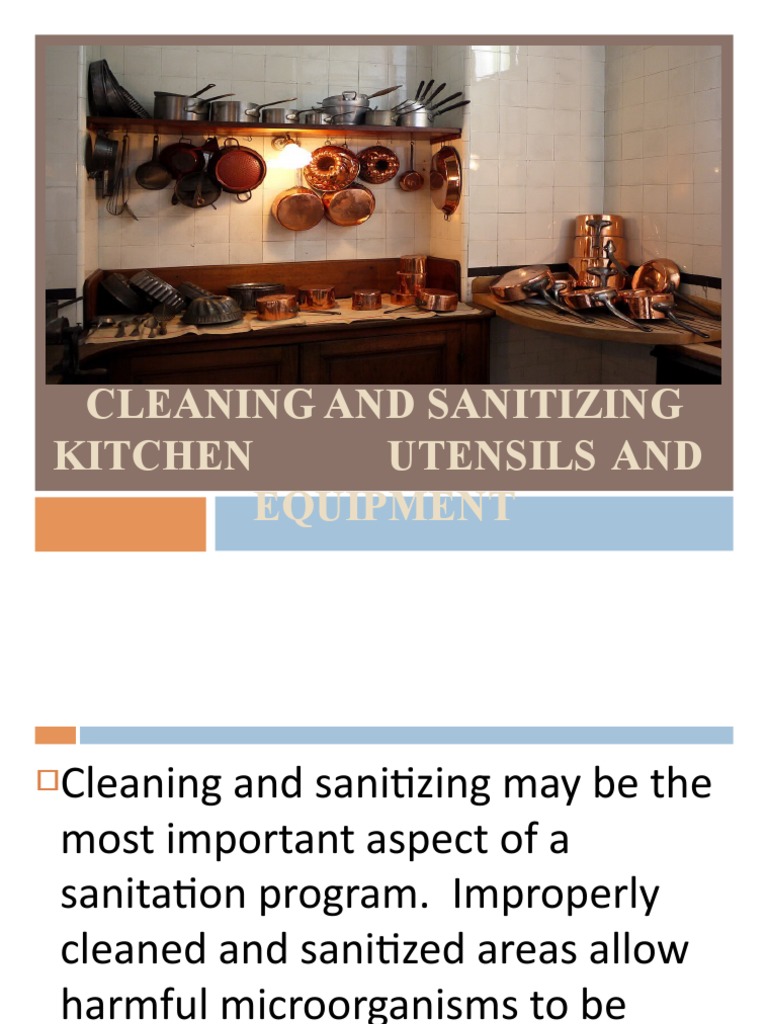
Imagine preparing a delicious meal for your family, only to find out that invisible germs have turned your kitchen into a breeding ground for bacteria. It’s a chilling thought, isn’t it?
Your kitchen should be a safe haven for culinary creativity, not a hotspot for harmful microbes. Yet, without proper sanitation of your kitchen tools and equipment, you might be unknowingly serving up more than just good food. Sanitizing isn’t just another chore; it’s a vital step in ensuring the health and safety of everyone who gathers around your table.
By taking the time to properly clean and sanitize your kitchen essentials, you’re not just preventing foodborne illnesses; you’re also preserving the taste and quality of your meals. Wouldn’t you want to protect your loved ones and enjoy your culinary creations without worry? Dive into the article to discover why maintaining a germ-free kitchen isn’t just important—it’s essential for peace of mind and the well-being of those you care about. Let’s explore how a few simple practices can transform your kitchen into a safe and inviting space.

Credit: www.scribd.com
Health Risks Of Unsanitized Tools
In the hustle and bustle of everyday cooking, it’s easy to overlook the cleanliness of your kitchen tools and equipment. Yet, the health risks of unsanitized tools are significant and can impact your wellbeing. Imagine preparing a meal with tools that harbor bacteria or cross-contamination risks—your kitchen can quickly become a breeding ground for illness.
Bacterial Growth
Bacteria love warm, moist environments. Your kitchen tools are no exception. Left unchecked, they can multiply rapidly on surfaces like cutting boards and knives. This isn’t just a concern for raw meats; even fruits and vegetables can harbor dangerous bacteria. Regular sanitation helps keep these invisible threats at bay. Have you ever wondered why your salad gave you a stomach ache? It might be those unsanitized tools.
Cross-contamination
Cross-contamination is a silent saboteur in many kitchens. It occurs when bacteria from one food item transfers to another via your tools. Picture slicing chicken and then using the same knife on fresh veggies without cleaning it—your healthy salad just became a health risk. Simple habits like washing your tools immediately after use can prevent this. Are your kitchen habits unknowingly risking your health?
Taking the time to sanitize your kitchen tools and equipment is not just a chore; it’s a necessity. By doing so, you protect yourself and your loved ones from potential health hazards. It’s a small effort that pays off in big ways, ensuring every meal is safe and enjoyable.

Credit: profitingfromsafety.com
Benefits Of Regular Sanitation
Sanitizing kitchen tools and equipment prevents the spread of harmful bacteria. Clean surfaces ensure food safety and reduce contamination risks. Regular sanitation helps maintain a healthy cooking environment, protecting your family from foodborne illnesses.
Sanitizing kitchen tools and equipment is a crucial step in maintaining a healthy cooking environment. Regular sanitation not only ensures cleanliness but also brings multiple benefits that enhance your culinary experience. From ensuring your food is safe to eat to elevating the flavors of your dishes, keeping your kitchen clean is an investment in both health and taste.Improved Food Safety
When you sanitize your kitchen tools regularly, you significantly reduce the risk of foodborne illnesses. Bacteria like Salmonella and E. coli thrive on unclean surfaces and can easily transfer to the food you prepare. Imagine preparing a fresh salad on a cutting board that was used for raw chicken without proper cleaning. By maintaining a routine of sanitizing your tools, you create a safer environment for your family. You can enjoy your meals with peace of mind, knowing that your kitchen is a safe space for food preparation. Think about it—how often do you check if your spatula or knife is genuinely clean before using it?Enhanced Flavor
A clean kitchen tool can be the secret ingredient to a delicious meal. Residue from previous cooking can alter the taste and aroma of your current dish. Picture using a whisk with remnants of last night’s garlic sauce to beat eggs for a dessert. The result may not be appetizing. By regularly cleaning your kitchen equipment, each dish you prepare stands on its own. You allow the true flavors of your ingredients to shine without interference. It’s like giving your food a blank canvas to express itself fully. Regularly sanitizing your kitchen tools offers tangible benefits that can transform your cooking experience. How committed are you to making these small but significant changes in your kitchen routine?Common Kitchen Tools To Sanitize
Keeping kitchen tools clean stops germs from spreading. Clean tools keep food safe to eat. Regular sanitation helps avoid health issues.
Ensuring your kitchen tools and equipment are properly sanitized is crucial for maintaining a safe cooking environment. Many people may not realize how much bacteria can linger on the surfaces we use daily. Neglecting this essential step can lead to foodborne illnesses, which are both unpleasant and preventable. Let’s dive into some common kitchen tools that need your attention.Cutting Boards
Cutting boards are notorious for harboring bacteria, especially when used for raw meat. Have you ever noticed tiny grooves and cuts on your board? These are perfect hiding spots for germs. It’s wise to sanitize them with a mixture of hot water and bleach or vinegar after each use. Using separate boards for meat and vegetables can also reduce contamination risks.Utensils And Knives
Utensils and knives come into direct contact with food, making them prime candidates for sanitization. You might think a simple rinse is enough, but bits of food can stick to surfaces, allowing bacteria to multiply. Consider washing them in hot, soapy water and then sanitizing with a mild bleach solution. Dishwashers are excellent for this purpose, but a thorough hand wash works too.Appliances
Appliances like blenders, food processors, and microwaves often get overlooked. Remember that smoothie you made last week? The remnants could still be inside your blender, breeding bacteria. Regularly wipe down surfaces with a sanitizing solution and ensure removable parts are cleaned thoroughly. This habit not only keeps your appliances clean but also extends their lifespan. By taking the time to sanitize these kitchen essentials, you’re making a conscious effort to protect your health. Have you ever fallen sick after a meal at home and wondered why? It might be time to reassess your cleaning routine. Your kitchen will be a safer, healthier place for you and your family.Effective Sanitizing Techniques
Sanitizing kitchen tools and equipment keeps harmful bacteria at bay. It prevents food contamination and ensures safe cooking. Clean utensils protect your health by reducing the risk of foodborne illnesses. Regular cleaning also extends the life of your kitchen items.
Prioritize hygiene for a safer kitchen environment.
Sanitizing kitchen tools and equipment is not just an extra step; it’s a necessity for maintaining a safe and healthy cooking environment. Bacteria and germs thrive in kitchens, especially on surfaces that come into contact with food. Knowing how to effectively sanitize your tools can prevent foodborne illnesses and keep your meals safe. Let’s dive into some practical methods to ensure your kitchen is as clean as it can be.Using Heat
Heat is a powerful ally in the fight against germs. Boiling water can effectively sanitize metal utensils and certain cookware. Simply immerse items in boiling water for at least one minute to kill most bacteria. Dishwashers also use heat to sanitize, reaching temperatures that hand washing can’t. Always check if your items are dishwasher safe to avoid damage. This method saves time and ensures thorough cleaning.Chemical Solutions
Chemical sanitizers like bleach and hydrogen peroxide are effective for killing bacteria. A simple bleach solution can be made by mixing one tablespoon of bleach with a gallon of water. Use this to wipe down cutting boards and counters, ensuring the surfaces are safe for food preparation. Always rinse thoroughly after using chemical solutions to avoid any residue that might affect food. Wearing gloves can also protect your skin from harsh chemicals. Remember, safety first!Natural Alternatives
If you prefer a more natural approach, consider using vinegar or lemon juice. These can sanitize surfaces due to their acidic nature. Simply spray vinegar on your kitchen tools and let it sit for a few minutes before rinsing. Baking soda is another great option. It not only sanitizes but also deodorizes, making it perfect for cleaning cutting boards. Mix with water to form a paste, scrub, and rinse well. Have you tried these techniques in your kitchen? If not, why not start today and experience a cleaner, safer cooking space?Frequency Of Sanitization
Sanitizing kitchen tools and equipment is crucial for health safety. The frequency of sanitization significantly impacts the hygiene level in your kitchen. Regular cleaning prevents bacteria and germs from spreading. Different items require varying degrees of sanitization. Understanding the frequency can help maintain a clean cooking environment. Let’s explore how often you should sanitize your kitchen tools and equipment.
Daily Essentials
Some kitchen items need daily sanitization. Cutting boards, knives, and countertops fall under this category. They come in direct contact with food. This increases the risk of contamination. Washing them daily keeps harmful bacteria at bay. Use hot water and soap for effective cleaning. A daily routine ensures these tools remain safe for use.
Weekly Deep Clean
Certain equipment requires a weekly deep clean. Ovens, microwaves, and refrigerators need thorough attention. They accumulate grime and residue over time. A weekly deep clean prevents buildup and ensures efficiency. Use specialized cleaners for these appliances. Pay attention to hidden corners and surfaces. This routine keeps your kitchen in top condition.
Impact On Kitchen Hygiene
Sanitizing kitchen tools and equipment is essential for maintaining kitchen hygiene. A clean kitchen ensures the health and safety of everyone in the household. Without proper sanitation, germs can quickly spread, leading to potential health risks.
Reducing Germ Spread
Kitchen tools often come into contact with raw food. These foods can carry harmful bacteria. If not sanitized, these germs can linger on surfaces. This increases the risk of cross-contamination. Regular sanitation helps kill these harmful bacteria. It reduces the chance of spreading germs to other foods.
Creating A Safe Cooking Environment
A sanitized kitchen promotes a safe cooking space. It prevents foodborne illnesses. Clean tools and surfaces ensure that meals are safe to eat. This creates peace of mind for anyone preparing food. A safe cooking environment is crucial for family health.

Credit: www.scribd.com
Frequently Asked Questions
Why Is It Important To Sanitize Tools And Equipment?
Sanitizing tools and equipment prevents the spread of germs, ensuring safety and hygiene. It protects users from infections, maintains equipment efficiency, and prolongs lifespan. Regular cleaning enhances trust and compliance with health standards, crucial for businesses in food, healthcare, and beauty sectors.
Prioritize sanitation to safeguard health and reputation.
Why Is It Important To Sanitize Kitchen Tools And Equipment Brainly?
Sanitizing kitchen tools prevents foodborne illnesses by eliminating harmful bacteria. It ensures food safety and maintains hygiene. Clean tools also extend the lifespan of equipment, saving costs. Proper sanitation boosts health and safety in the kitchen environment.
Why Is It Important To Clean And Sanitize Your Kitchen?
Cleaning and sanitizing your kitchen prevents foodborne illnesses. It removes bacteria, viruses, and harmful pathogens. A clean kitchen ensures safe food preparation. Regular maintenance reduces cross-contamination risks. It promotes a healthier cooking environment, protecting your family’s health.
Why Is It Important To Clean And Sanitize?
Cleaning and sanitizing prevent the spread of germs and diseases. It ensures a safe environment for everyone. Regular practice reduces infection risks, promotes health, and maintains hygiene standards. Effective cleaning improves air quality and prolongs the lifespan of surfaces. It is essential for health safety in homes and workplaces.
Conclusion
Keeping kitchen tools clean is vital for health and safety. Germs spread easily, causing illness. Regular sanitization prevents bacteria growth. Clean tools ensure safe food preparation. Protect family from potential harm. A clean kitchen boosts confidence in cooking. It shows care and responsibility.
Make sanitization a daily routine. It saves time and worry. Healthy habits start in the kitchen. Prioritize cleanliness for peace of mind. Simple steps lead to a healthier home. Remember, a clean kitchen is a happy kitchen. Stay committed to cleanliness.
Your efforts make a big difference.