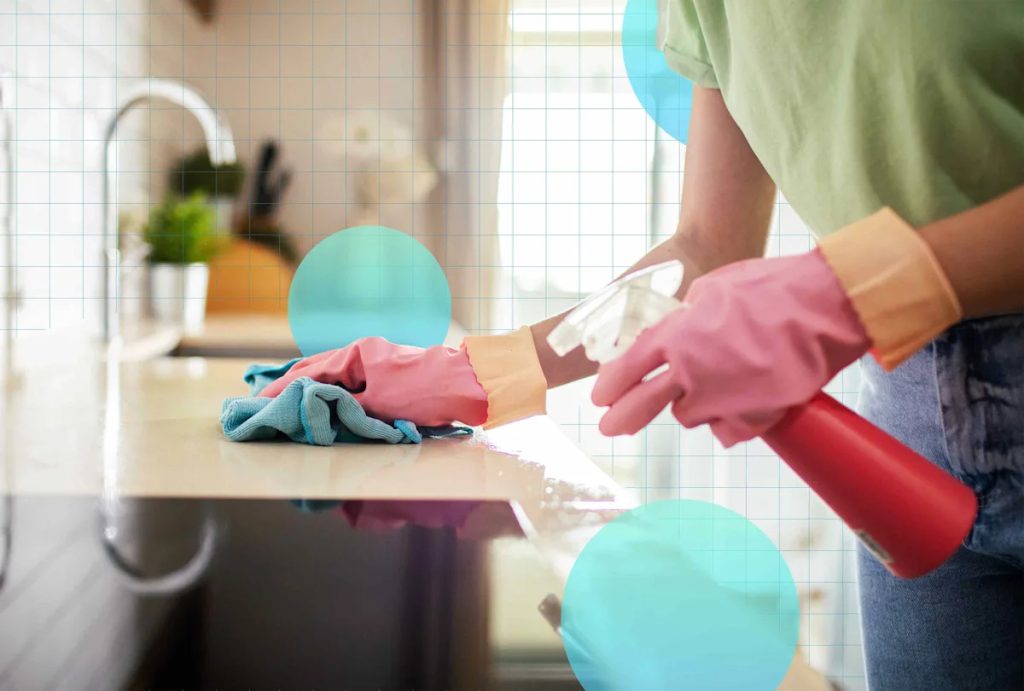
Have you ever stopped to think about what’s really on your kitchen tools? Those knives, cutting boards, and spoons you use every day can hide harmful germs and bacteria.
If you don’t clean and sanitize them properly, you could be putting your health at risk without even realizing it. You’ll discover why keeping your kitchen tools spotless is not just about cleanliness—it’s about protecting yourself and your loved ones from foodborne illnesses.
Keep reading to learn simple but powerful habits that can make a big difference in your kitchen safety.
Health Risks Of Dirty Kitchen Tools
Dirty kitchen tools can cause serious health problems. Germs grow easily on unclean surfaces. These germs can spread to food and make people sick.
Cleaning and sanitizing tools stops germs from spreading. It keeps your kitchen safe and your family healthy.
Bacterial Contamination
Bacteria can live on dirty knives, cutting boards, and other tools. These bacteria can multiply fast. They cause food to spoil and can make you sick.
Common bacteria found on kitchen tools include Salmonella, E. coli, and Listeria. These bacteria come from raw meat, eggs, and unwashed vegetables.
Cross-contamination Dangers
Cross-contamination happens when germs spread from one food to another. This can occur through dirty kitchen tools. It can also happen when tools are used for raw and cooked foods without cleaning.
- Using the same knife for raw meat and vegetables
- Cutting boards that hold raw and cooked foods
- Unwashed utensils passed between foods
- Sponges and cloths that spread bacteria
Foodborne Illnesses
Foodborne illnesses happen when you eat food with harmful bacteria. Dirty kitchen tools increase this risk. Symptoms include stomach pain, diarrhea, and vomiting.
| Illness | Cause | Common Source |
| Salmonellosis | Salmonella bacteria | Raw poultry, eggs |
| E. coli Infection | E. coli bacteria | Undercooked beef, unwashed produce |
| Listeriosis | Listeria bacteria | Unpasteurized dairy, deli meats |

Credit: www.yahoo.com
Differences Between Cleaning And Sanitizing
Cleaning and sanitizing are two important steps to keep kitchen tools safe. Both help stop germs but do different jobs.
Understanding these steps helps prevent food contamination and illness.
What Cleaning Entails
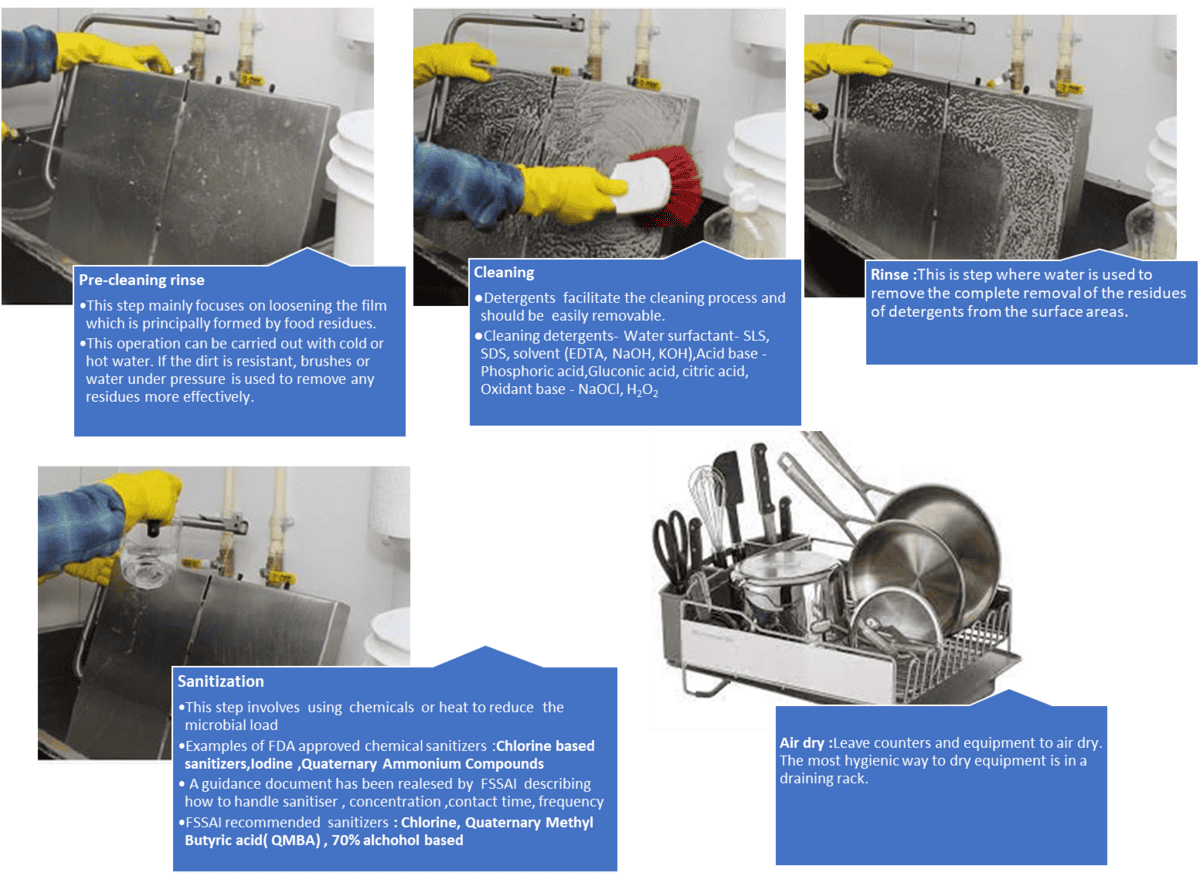
Cleaning means removing dirt, food, and grease from kitchen tools. You use soap and water to wash them.
This step helps get rid of visible germs but does not kill all bacteria.
Purpose Of Sanitizing
Sanitizing lowers the number of germs on tools to a safe level. It kills most bacteria and viruses.
This step uses chemicals or heat after cleaning to make tools safer for use.
When To Clean Vs. Sanitize
Clean kitchen tools after each use to remove food and dirt. Sanitize tools before food contact or after cleaning.
- Clean tools after cooking or eating
- Sanitize tools before preparing food
- Sanitize tools after cleaning to kill germs
Essential Kitchen Tools To Clean And Sanitize
Keeping kitchen tools clean stops the spread of germs. It helps make food safe to eat. Cleaning removes dirt and food bits. Sanitizing kills bacteria and viruses on tools.
Some kitchen tools need extra care to stay safe. This guide covers cutting boards, knives and utensils, mixing bowls, and containers.
Cutting Boards
Cutting boards hold food while you chop. They can trap germs in cuts and grooves. Clean and sanitize them after every use. Use separate boards for meat and vegetables.
- Wash boards with hot soapy water
- Rinse well to remove soap
- Sanitize with a bleach solution or vinegar
- Let boards dry completely before storing
- Replace boards with deep cuts or cracks
Knives And Utensils
Knives and utensils touch food directly. They can carry bacteria from one dish to another. Clean them carefully after use. Avoid leaving them wet to stop rust and germs.
| Tool | Cleaning Tip |
| Knives | Wash by hand, dry immediately |
| Spoons and Forks | Use dishwasher or hot water wash |
| Whisks and Tongs | Clean inside parts thoroughly |
Mixing Bowls And Containers
Mixing bowls and containers hold food during prep and storage. They can hold germs if not cleaned well. Use warm water and soap to clean. Sanitize plastic containers to avoid stains and smells.
Tips to keep bowls and containers safe:
- Rinse food scraps before washing
- Use a scrub brush for stubborn stains
- Sanitize with boiling water or vinegar spray
- Dry well before storing lids
Credit: foodsafetyworks.com
Effective Cleaning Methods
Cleaning and sanitizing kitchen tools stops germs from spreading. It keeps food safe and your kitchen healthy.
Using the right cleaning methods helps remove dirt and bacteria. This section explains good ways to clean kitchen tools.
Using Soap And Water
Soap and water remove grease and food bits from tools. Warm water makes soap work better to break down oils and dirt.
- Use warm water to rinse tools first.
- Apply soap and scrub all surfaces.
- Rinse well to wash away soap and grime.
- Dry tools with a clean towel or air dry.
Proper Scrubbing Techniques
Scrubbing helps remove stuck-on food and bacteria. Use the right brush or sponge for each tool.
| Tool Type | Recommended Scrubber | Scrubbing Tips |
| Knives | Soft sponge | Scrub gently to avoid dulling blades |
| Pots and Pans | Stiff brush or scouring pad | Scrub firmly to remove tough stains |
| Plastic Utensils | Soft brush or sponge | Scrub all sides, including handles |
Dishwasher Advantages
Dishwashers clean tools using hot water and strong jets. They kill many germs and save time.
Advantages of dishwashers:
- Use very hot water to sanitize tools
- Reach small spaces with strong water jets
- Dry tools quickly to prevent bacteria growth
- Reduce manual scrubbing effort
Sanitizing Techniques For Kitchen Tools
Cleaning and sanitizing kitchen tools keep your cooking safe and healthy. Dirt, germs, and bacteria can hide on knives, spoons, and cutting boards.
Using the right sanitizing methods helps stop food contamination. It lowers the risk of foodborne illness and keeps your kitchen clean.
Chemical Sanitizers
Chemical sanitizers use safe substances to kill germs on kitchen tools. Common types include chlorine, quaternary ammonium, and iodine.
These chemicals work fast and are easy to use. You usually soak or spray tools, then let them air dry for best results.
- Chlorine bleach is strong and cheap
- Quaternary ammonium is gentle and effective
- Iodine works well on different surfaces
Heat-based Sanitizing
Heat kills germs by using hot water or steam. It works well for metal and heat-safe tools like pots and pans.
Dishwashers often use heat to sanitize. Boiling water or steaming can also clean tools without chemicals.
- Boil tools for at least 1 minute
- Use a dishwasher with a sanitizing cycle
- Steam tools to remove bacteria
Natural Alternatives
Natural sanitizers use safe ingredients from nature. Vinegar, lemon juice, and baking soda can clean and reduce germs.
These options are gentle and eco-friendly. They are good for light sanitizing and daily cleaning of kitchen tools.
- Vinegar helps break down dirt and kills some bacteria
- Lemon juice adds freshness and natural acidity
- Baking soda cleans stains and odors

Credit: www.foodengineeringmag.com
Frequency Of Cleaning And Sanitizing
Keeping kitchen tools clean and sanitized is key to food safety. It stops germs from spreading and keeps food fresh.
How often you clean depends on what you use the tools for and how they get dirty. Regular cleaning protects your health.
Daily Practices
Clean kitchen tools every day after use. This removes food scraps and germs that can grow quickly.
- Wash knives, cutting boards, and utensils with hot, soapy water.
- Dry tools fully before storing to stop bacteria growth.
- Wipe down handles and surfaces often.
- Use separate tools for cooked and raw foods.
After Handling Raw Foods
Raw meat, fish, and eggs carry bacteria that cause illness. Clean tools immediately after contact.
- Rinse tools to remove any raw food bits.
- Wash with hot water and soap to kill germs.
- Sanitize with a safe disinfectant or bleach solution.
- Let tools air dry or use a clean towel.
Periodic Deep Cleaning
Deep cleaning removes buildup and hidden germs. Do this weekly or monthly depending on tool use.
| Tool Type | Deep Cleaning Frequency | Method |
|---|---|---|
| Cutting Boards | Weekly | Scrub with baking soda and vinegar, then rinse well |
| Knives | Monthly | Soak in warm soapy water, sharpen and sanitize |
| Utensils | Monthly | Clean with dishwasher or soak in hot water and bleach solution |
Tips To Maintain Clean Kitchen Tools
Keeping kitchen tools clean is important to stop germs and dirt. Clean tools help keep food safe and tasty.
Simple habits can keep your kitchen tools in good shape and ready to use.
Storage Best Practices
Store kitchen tools in dry, clean places to stop bacteria growth. Use racks or holders that let air flow. Avoid piling tools to prevent damage.
- Keep knives in a knife block or magnetic strip
- Store cutting boards upright to dry fully
- Use containers for small tools like peelers and spoons
- Make sure storage areas are free from dust and pests
Regular Inspection
Check your kitchen tools often for cracks, rust, or dirt build-up. Broken tools can hide germs and cause injuries.
| Tool | What to Check | How Often |
| Knives | Rust, sharpness, handle damage | Weekly |
| Cutting Boards | Cracks, stains, warping | Weekly |
| Spatulas and Spoons | Cleanliness, cracks | After each use |
Avoiding Cross-contamination
Use different tools for raw and cooked foods to stop germs spreading. Clean tools well after each use to keep them safe.
Follow these tips to avoid cross-contamination:
- Use separate cutting boards for meat and vegetables.
- Wash tools with hot, soapy water after handling raw food.
- Dry tools completely before storing them.
- Do not share knives or utensils between raw and cooked food without cleaning.
Frequently Asked Questions
Why Is Cleaning Kitchen Tools Essential?
Cleaning kitchen tools removes food residues and harmful bacteria. It prevents foodborne illnesses and keeps your kitchen hygienic and safe.
How Does Sanitizing Kitchen Tools Differ From Cleaning?
Cleaning removes dirt and debris, while sanitizing kills bacteria and viruses. Both steps are necessary for proper kitchen tool hygiene.
What Risks Come From Unclean Kitchen Tools?
Unclean tools can cause cross-contamination, food poisoning, and allergic reactions. They also lead to unpleasant odors and reduced tool lifespan.
How Often Should Kitchen Tools Be Sanitized?
Sanitize kitchen tools after every use, especially after handling raw meat. Regular sanitizing ensures a safe cooking environment and prevents bacteria buildup.
Conclusion
Cleaning and sanitizing kitchen tools keeps your cooking safe and healthy. Germs and bacteria hide on dirty utensils and can cause illness. Regular cleaning stops germs from spreading to food. It also helps your tools last longer and work better.
Clean tools make your kitchen look neat and smell fresh. A small effort daily prevents big health problems later. Keep your kitchen tools clean to protect yourself and your family. Simple steps create a safer, happier cooking space. Clean tools, healthy meals, peace of mind.