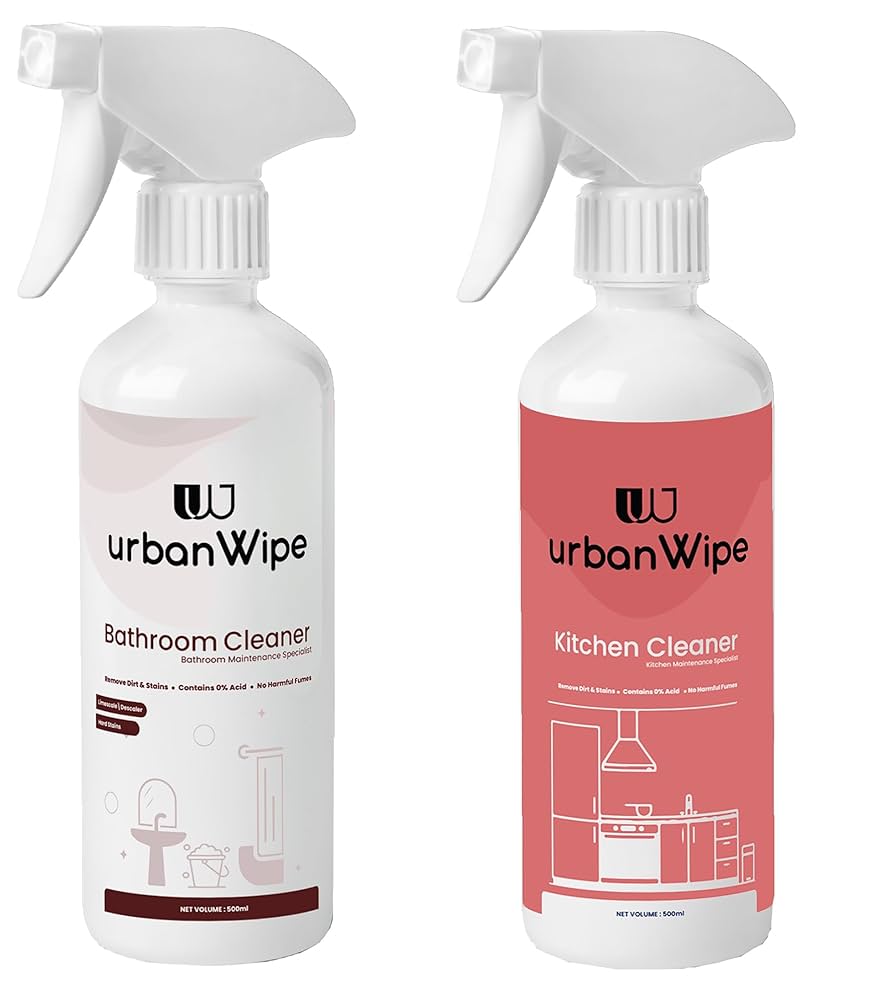
Are you wondering why bathroom cleaners and kitchen cleaners are sold separately? You might think one cleaner could do the job for both spaces.
But here’s the truth: your bathroom and kitchen need very different care. Using the wrong cleaner can leave surfaces dirty, damage materials, or even put your health at risk. You’ll discover the key differences between bathroom and kitchen cleaners. Understanding these will help you keep your home sparkling clean and safe.
Keep reading to find out which cleaner is right for your needs!
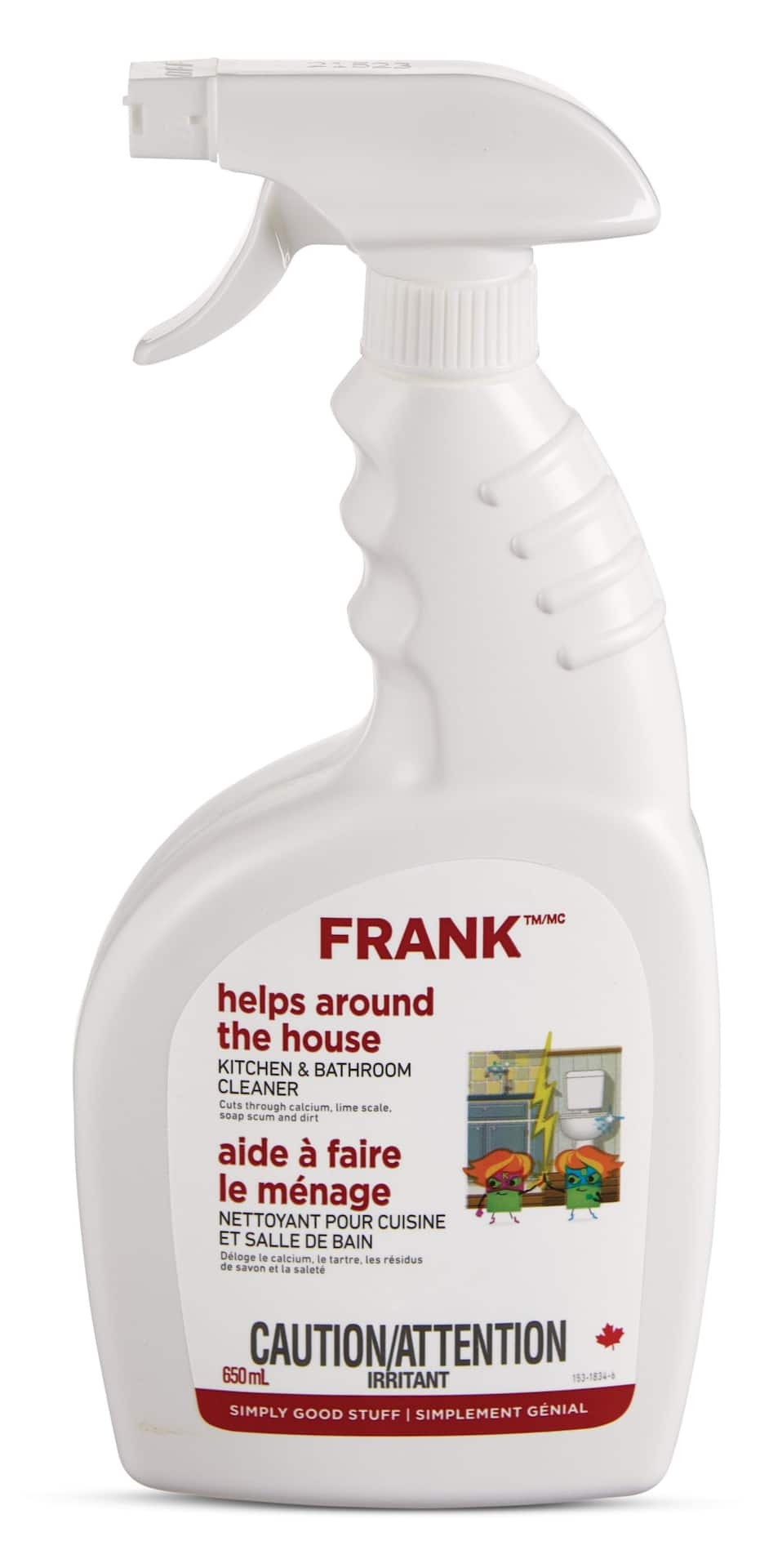
Credit: www.canadiantire.ca
Purpose Of Bathroom Cleaners
Bathroom cleaners are made to clean and disinfect bathroom areas. They remove germs, soap scum, and grime.
These cleaners help keep bathroom surfaces hygienic and fresh. They are different from kitchen cleaners.
Targeted Surfaces
Bathroom cleaners focus on surfaces found in bathrooms. They clean areas that often get wet and dirty.
- Toilets and toilet seats
- Sinks and faucets
- Bathtubs and showers
- Tiles and grout
- Mirrors and glass shelves
Common Ingredients
Bathroom cleaners use ingredients that fight mold, mildew, and bacteria. They also help remove soap scum.
- Bleach to kill germs and whiten surfaces
- Acids like citric acid or hydrochloric acid to dissolve minerals
- Surfactants to break down dirt and oils
- Fragrances to leave a fresh scent
Types Of Stains Tackled
Bathroom cleaners remove stains common in wet and humid spaces. These stains need strong cleaners.
- Soap scum buildup on tiles and tubs
- Hard water stains on faucets and glass
- Mold and mildew in corners and grout
- Body oils and dirt around sinks
- Rust stains from metal fixtures
Purpose Of Kitchen Cleaners
Kitchen cleaners help remove dirt and germs from kitchen surfaces. They make the kitchen safe and hygienic for cooking.
These cleaners are made to handle food stains and grease that build up in kitchens. They protect your family from harmful bacteria.
Targeted Surfaces
Kitchen cleaners work on many surfaces found in kitchens. They clean countertops, sinks, and stovetops well. They also remove grease from cabinet doors and appliances.
- Granite and marble countertops
- Stainless steel sinks and appliances
- Ceramic and glass stovetops
- Tile backsplashes
- Plastic and wooden cutting boards
Common Ingredients
Many kitchen cleaners use ingredients that cut grease and kill germs. Some ingredients remove stains without harming surfaces.
| Ingredient | Purpose |
| Surfactants | Break down grease and dirt |
| Bleach | Disinfect and whiten surfaces |
| Citric Acid | Remove hard water stains |
| Enzymes | Break down food particles |
| Fragrances | Add pleasant smell |
Types Of Stains Tackled
Kitchen cleaners fight many common stains. They remove oils, food spills, and even burned-on grime.
- Grease from cooking oils
- Food spills like tomato sauce and coffee
- Water spots and mineral deposits
- Burnt food residues on pans and stoves
- Sticky residues from sugar or syrup
Formulation Differences
Bathroom cleaners and kitchen cleaners look similar but work differently. Their formulas suit different surfaces and germs.
Understanding how they differ helps you pick the right cleaner for each room.
Ph Levels
Bathroom cleaners usually have a low pH, making them acidic. This helps remove soap scum and hard water stains.
Kitchen cleaners are often neutral or slightly alkaline. They clean grease and food residues without harming surfaces.
Chemical Composition
Bathroom cleaners contain acids like hydrochloric or sulfamic acid. These break down mineral deposits and mildew.
Kitchen cleaners have surfactants and degreasers. These chemicals cut through oil and food stains safely.
| Cleaner Type | Main Chemicals | Purpose |
| Bathroom Cleaner | Acids (e.g., hydrochloric acid) | Remove mineral stains and mold |
| Kitchen Cleaner | Surfactants, Degreasers | Clean grease and food residues |
Fragrance And Additives
Bathroom cleaners often have strong antiseptic smells to mask odors. They may include agents to fight mold.
- Kitchen cleaners use lighter, food-safe fragrances.
- They may include antibacterial ingredients for food safety.
- Additives in bathroom cleaners focus on mildew control.
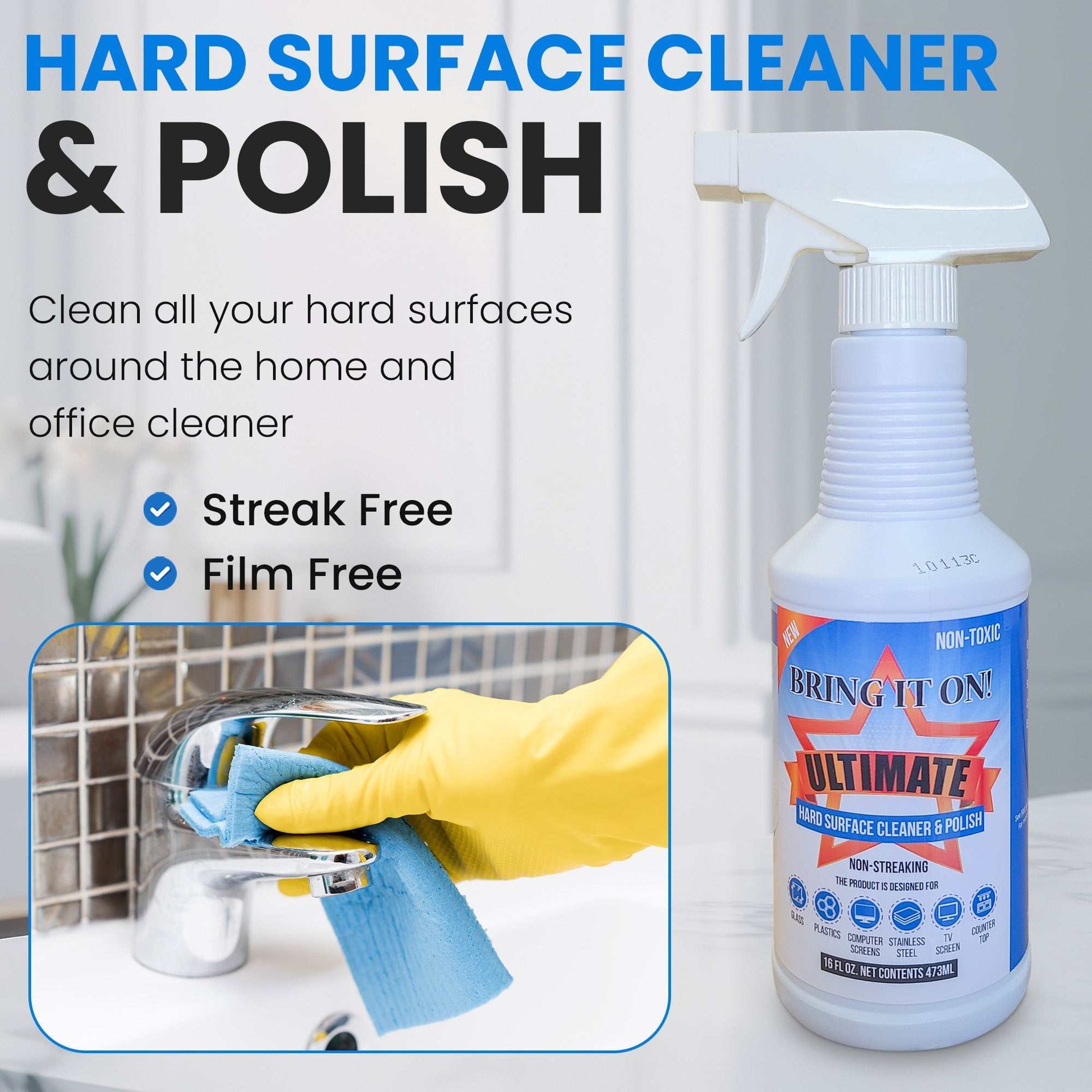
Credit: bringitoncleaner.com
Safety Considerations
Bathroom and kitchen cleaners serve different purposes. Each has unique safety factors. Knowing these can protect your health and home.
Understanding how these cleaners work helps you use them safely. It also reduces risks of accidents or damage.
Toxicity Levels
Bathroom cleaners often contain strong chemicals to remove soap scum and mold. These can be more toxic than kitchen cleaners.
- Bathroom cleaners may include bleach, ammonia, and acids.
- Kitchen cleaners usually have milder ingredients to protect food surfaces.
- Always check labels for warnings about toxicity.
- Keep both types away from children and pets.
Usage Precautions
Using bathroom and kitchen cleaners requires care. Each needs different handling to avoid harm.
| Cleaner Type | Recommended Use | Safety Tips |
|---|---|---|
| Bathroom Cleaner | Surfaces like tiles, tubs, toilets | Wear gloves, ventilate room, avoid mixing with other chemicals |
| Kitchen Cleaner | Countertops, sinks, appliances | Rinse thoroughly, avoid contact with food, use food-safe products |
Environmental Impact
Both types of cleaners can affect the environment. Bathroom cleaners often have chemicals that harm water life.
Kitchen cleaners tend to be less harsh but still need careful disposal. Choosing eco-friendly options helps reduce damage.
Effectiveness On Various Stains
Bathroom cleaners and kitchen cleaners are made for different types of stains. Each works best on certain messes. Understanding their effectiveness helps you clean better.
Both cleaners target stains but use different formulas. This makes them strong against specific dirt and weak against others.
Grease And Food Residue
Kitchen cleaners are very good at cutting through grease and food leftovers. They use strong degreasers that break down oily stains fast.
Bathroom cleaners usually do not work well on grease. They focus more on mineral and soap build-up. Using kitchen cleaner on grease gives better results.
- Kitchen cleaner removes cooking oils easily
- Bathroom cleaner may leave greasy spots
- Use kitchen cleaner for stove and counters
Soap Scum And Mold
Bathroom cleaners are designed to fight soap scum and mold. They contain ingredients that dissolve soap build-up and kill mold spores.
Kitchen cleaners do not work well on soap scum and mold. They focus on food stains and grease. Bathroom cleaners keep showers and sinks clean from these stains.
- Bathroom cleaner removes soap scum from tiles
- Mold stains fade with bathroom cleaner use
- Kitchen cleaner is less effective on mold
Hard Water Deposits
Hard water deposits are common in bathrooms. Bathroom cleaners have acids that break down these mineral deposits easily.
Kitchen cleaners may remove some hard water spots but are not strong enough for thick deposits. Bathroom cleaners work better on faucets and showerheads.
- Bathroom cleaner dissolves mineral build-up quickly
- Kitchen cleaner may leave deposits behind
- Use bathroom cleaner on hard water stains
Choosing The Right Cleaner
Bathroom cleaners and kitchen cleaners have different formulas. Each is made to work best on certain surfaces and dirt types.
Picking the right cleaner helps keep your home safe and clean without damage.
Surface Compatibility
Bathroom cleaners often contain strong acids to fight soap scum and hard water stains. These can damage kitchen surfaces.
Kitchen cleaners focus on grease and food stains. They are gentler on surfaces like countertops and appliances.
- Bathroom cleaners: safe for tiles, porcelain, and glass
- Kitchen cleaners: safe for wood, granite, and stainless steel
- Using the wrong cleaner can cause discoloration or damage
Allergy And Sensitivity Factors
Some cleaners have strong fragrances or chemicals that may irritate skin or lungs. Bathrooms often need stronger chemicals.
Kitchen cleaners usually have milder scents and less harsh ingredients. This lowers allergy risks in food areas.
- Check labels for allergens and irritants
- Choose fragrance-free options if sensitive
- Use gloves when handling strong cleaners
Eco-friendly Options
Eco-friendly cleaners use natural ingredients that break down quickly. They are safer for the environment and your home.
Both bathroom and kitchen eco-cleaners work well but may have different formulas to target grime types.
- Look for biodegradable and non-toxic labels
- Eco bathroom cleaners remove lime and mold safely
- Eco kitchen cleaners cut grease without harsh chemicals
Tips For Optimal Cleaning
Bathroom and kitchen cleaners have different roles. Using them correctly improves cleanliness. Understanding how to apply and combine these products helps avoid damage.
Here are tips on application, cleaning frequency, and combining products for better results in both rooms.
Application Techniques
Use bathroom cleaners mainly on soap scum, mold, and hard water stains. Kitchen cleaners focus on grease and food residues. Apply the right cleaner to the right surface to avoid damage.
- Spray cleaner evenly on the surface
- Let it sit for a few minutes to work
- Use a soft cloth or sponge to scrub gently
- Rinse thoroughly with water after cleaning
- Avoid mixing cleaners to prevent harmful fumes
Frequency Of Cleaning
Bathroom surfaces need cleaning more often due to moisture and bacteria growth. Kitchens require regular cleaning to remove food particles and grease.
| Area | Recommended Cleaning Frequency |
| Bathroom sink and counters | Every 2-3 days |
| Toilet and shower | Once a week |
| Kitchen countertops | Daily after use |
| Stovetop and backsplash | After every cooking session |
Combination With Other Products
Do not mix bathroom and kitchen cleaners. Some chemicals react badly together. Use separate cloths and sponges for each area to stop cross-contamination.
Safe combinations to try:
- Bathroom cleaner + water for diluted use
- Kitchen cleaner + warm water for grease removal
- Vinegar + baking soda (only in kitchen drains, not mixed with other cleaners)

Credit: www.thegreencompany.online
Frequently Asked Questions
What Are The Main Differences Between Bathroom And Kitchen Cleaners?
Bathroom cleaners target soap scum, mildew, and hard water stains. Kitchen cleaners focus on grease, food residue, and bacteria. Their formulas differ to address specific grime types and surfaces safely, ensuring effective cleaning without damage.
Can I Use Kitchen Cleaner In The Bathroom?
Using kitchen cleaner in the bathroom is not recommended. Kitchen cleaners may lack ingredients to tackle mold or soap scum. They might not disinfect bathroom germs effectively, risking less hygienic surfaces.
Why Are Bathroom Cleaners Stronger Than Kitchen Cleaners?
Bathroom cleaners often contain stronger acids or disinfectants to remove tough stains and kill bacteria. Kitchens require milder formulas to protect food surfaces and avoid harmful chemical residues. Strength varies to suit cleaning needs safely.
Do Kitchen Cleaners Remove Grease Better Than Bathroom Cleaners?
Yes, kitchen cleaners are specially formulated to break down grease and oily residues. Bathroom cleaners focus more on mineral deposits and soap scum, making them less effective for grease removal.
Conclusion
Bathroom and kitchen cleaners serve different purposes. Bathroom cleaners fight soap scum and mold. Kitchen cleaners remove grease and food stains. Using the right cleaner protects surfaces and health. Mixing cleaners can cause bad reactions. Always read labels before use.
Choose products designed for each room. Clean regularly for a fresh, safe home. Small steps make a big difference. Keep your house clean and healthy.