
Are you ready to transform your kitchen but don’t know where to start? The first step is ripping out your old kitchen, and having the right tools can make all the difference.
Without the proper gear, the job can quickly become frustrating, messy, and even dangerous. But don’t worry—this guide will walk you through exactly what you need to get the job done smoothly and safely. Keep reading, and you’ll discover the essential tools that will save you time, effort, and headaches as you take the first step toward your dream kitchen.

Credit: www.amazon.com
Basic Safety Gear
Ripping out a kitchen involves many risks. Wearing the right safety gear helps protect you from injuries.
Here are the essential safety items you need before starting your kitchen demolition work.
Gloves
Gloves protect your hands from sharp edges, splinters, and harmful substances. Choose thick, durable gloves made for heavy work.
Safety Glasses
Safety glasses shield your eyes from flying debris and dust. Use glasses that fit well and offer full coverage.
Dust Mask
A dust mask keeps harmful particles out of your lungs. It is important when breaking walls or removing old materials.
- Choose a mask rated for dust and fine particles
- Replace the mask if it becomes damaged or dirty
- Wear it snugly over your nose and mouth
Hearing Protection
Power tools and demolition can create loud noise. Protect your ears with hearing protection devices. Here is a table showing common types:
| Type | Description | Best Use |
|---|---|---|
| Earplugs | Small foam or silicone plugs inserted into the ear canal | Good for short-term noise exposure |
| Earmuffs | Pads that cover the entire ear and reduce noise levels | Better for longer projects |
| Electronic Ear Protection | Blocks loud noises but allows normal sounds | Ideal for detailed work needing communication |

Credit: www.amazon.com
Essential Hand Tools
Ripping out a kitchen needs the right hand tools. These tools help you remove cabinets, countertops, and fixtures safely.
Using the correct tools makes the work faster and keeps you safe from injuries.
Screwdrivers
Screwdrivers are key for removing screws from cabinets and appliances. You need both flathead and Phillips types.
A good set has different sizes to fit small and large screws. Using the right size prevents damage to screw heads.
Pry Bars
Pry bars help lift and remove cabinets and trim. They give leverage to pull nailed or glued parts apart.
Choose pry bars with a curved end and a flat end. This design helps you get under surfaces without breaking them.
- Flat end for prying under edges
- Curved end for pulling nails
- Strong steel for durability
Utility Knife
A utility knife cuts caulk, drywall, and other materials. It helps separate glued or sealed surfaces.
Use a sharp blade and change it often. A dull blade can slip and cause injuries or damage surfaces.
Hammer
A hammer is needed for removing nails and breaking apart wood pieces. A claw hammer works well for most tasks.
Use the claw to pull out nails and the flat side to tap or break materials gently.
Power Tools For Efficiency
Removing a kitchen takes time and effort. Using the right power tools can speed up the process. These tools help you cut through wood, metal, and screws with ease.
Power tools reduce manual labor and make your work safer and cleaner. Let’s look at three essential tools for ripping out a kitchen.
Reciprocating Saw
A reciprocating saw is perfect for cutting through cabinets, pipes, and old framing. It works like a handsaw but uses a motor to move the blade back and forth quickly.
- Cut nails and screws hidden in wood
- Remove old drywall and framing
- Trim pipes and metal fixtures
- Reach tight spaces with narrow blades
Drill
A drill is needed to remove screws and bolts from cabinets and appliances. It also helps to make holes if you need to install temporary supports or remove fixed parts.
| Drill Type | Best Use | Tip |
| Cordless Drill | General screw removal | Keep batteries charged |
| Hammer Drill | Drilling into concrete or masonry | Use masonry bits |
| Impact Driver | Removing tight screws and bolts | Use correct driver bits |
Oscillating Multi-tool
An oscillating multi-tool cuts, scrapes, and sands in small or tight areas. It is useful for detail work and removing trim or caulking.
Key uses of an oscillating multi-tool:
- Cut drywall near edges
- Remove grout or caulk
- Sand small surfaces
- Cut nails or screws in tight spots
Specialty Tools
Ripping out a kitchen requires more than just basic tools. Specialty tools help you remove materials safely and efficiently. These tools protect walls and surfaces from damage.
Using the right specialty tools makes the job easier. It also saves time and reduces frustration during the kitchen removal process.
Putty Knife
A putty knife helps scrape off old paint, glue, and debris. It has a flat, wide blade that fits under materials to lift them gently.
Putty knives come in different sizes and stiffness. Choose one based on the task, such as removing wallpaper or loosening caulk.
- Use a flexible putty knife for delicate surfaces
- Stiffer blades work well for scraping thick glue
- Wide blades cover more area, speeding up work
Wire Cutters
Wire cutters are essential for cutting electrical wires safely. They help disconnect power before removing cabinets or appliances.
Choose wire cutters with insulated handles to protect yourself from shocks. Sharp blades make clean cuts and reduce wire damage.
- Cut wires close to their source
- Use insulated handles for safety
- Keep blades sharp for easier cutting
Caulk Removal Tools
Caulk removal tools help scrape old caulk from seams and edges. Removing caulk is important before installing new countertops or backsplashes.
These tools have sharp, angled blades made for scraping without damaging surfaces. Some come with curved ends for better reach.
- Use a caulk removal tool to avoid wall damage
- Scrape gently along seams and corners
- Clean the area well after removing caulk
Cleanup Equipment
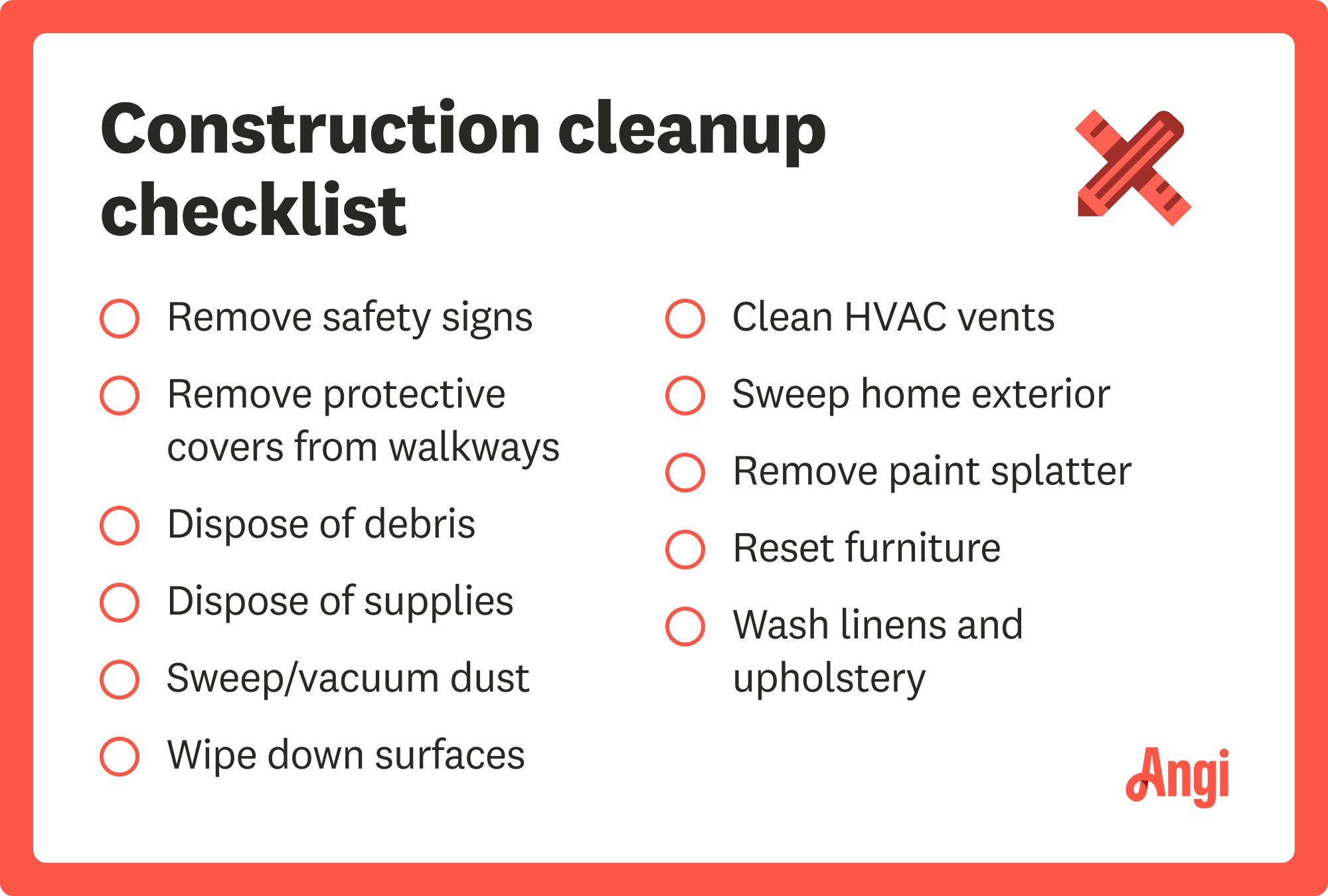
Removing a kitchen creates a big mess. Dust, debris, and scraps cover the floor and counters. Cleaning up fast keeps the work area safe and neat.
Using the right cleanup tools saves time and effort. These tools help collect waste and dust during and after the kitchen removal.
Heavy Duty Trash Bags
Heavy duty trash bags hold large amounts of waste. They resist tearing from sharp pieces like broken tiles or nails. Use strong bags to avoid spills.
Choose bags with thick plastic and reinforced seams. They make it easier to carry heavy debris to the dumpster or truck.
- Look for bags rated for at least 30 gallons
- Use bags with a thickness of 3 mils or more
- Double bag very heavy or sharp waste
Shop Vacuum
A shop vacuum cleans up dust and small debris left on floors and counters. It works better than a regular vacuum for kitchen removal mess.
Pick a vacuum with a strong motor and a large dustbin. This tool helps keep the air clear and the workspace tidy.
- Choose a vacuum with wet and dry cleaning options
- Look for models with strong suction power
- Empty the dustbin often to keep it working well
Brooms And Dustpans
Brooms and dustpans are basic tools for sweeping debris into piles. Use them to clear large areas quickly before vacuuming.
Stiff bristle brooms work best on rough floors. Dustpans with wide mouths collect more debris in one sweep.
- Choose a broom with durable, stiff bristles
- Use a dustpan with a rubber edge for easy sweeping
- Sweep debris into piles before vacuuming or bagging
Credit: www.angi.com
Organizing And Disposal Tips
Removing a kitchen requires careful planning to keep things organized. Proper disposal helps protect the environment. Follow these tips to sort and manage your kitchen waste.
Sorting materials and knowing your recycling options can make the process easier. Using disposal services can save time and effort.
Sorting Materials
Start by separating items into groups. This helps with recycling and disposal. Common groups include wood, metal, plastics, and hazardous waste.
- Wood pieces and cabinetry
- Metal fixtures and hardware
- Plastic containers and packaging
- Glass items and tiles
- Hazardous materials like paint or cleaners
Recycling Options
Many materials from your kitchen can be recycled. Check local rules to know what is accepted. Recycling centers often take metals, glass, and some plastics.
| Material | Recycling Accepted |
| Wood | Depends on condition and type |
| Metal | Yes, almost all types |
| Plastic | Only certain types like PET and HDPE |
| Glass | Yes, clean and unbroken |
| Hazardous Waste | No, needs special handling |
Disposal Services
Disposal services can help remove large debris and hazardous waste. Some offer pickup or drop-off options. Contact local waste management for details.
- Rent a dumpster for bulky waste
- Hire professionals for safe hazardous waste removal
- Use municipal waste centers for general trash
- Schedule pickups for recyclable materials
Frequently Asked Questions
What Essential Tools Do I Need To Rip Out A Kitchen?
You need a crowbar, hammer, screwdriver, utility knife, and adjustable wrench. These tools help safely remove cabinets, countertops, and appliances efficiently.
How Do I Safely Disconnect Kitchen Appliances?
Turn off power and water supply before disconnecting. Use a wrench to loosen water connections and a screwdriver for electrical panels.
Can I Remove Kitchen Cabinets Without Professional Help?
Yes, with the right tools and careful technique, you can remove cabinets. Always protect walls and floors to avoid damage during removal.
What Protective Gear Is Necessary For Kitchen Demolition?
Wear safety goggles, gloves, dust mask, and sturdy shoes. This gear prevents injuries from sharp objects, dust, and heavy debris.
Conclusion
Ripping out a kitchen takes the right tools and some effort. A crowbar, screwdriver, hammer, and utility knife are essential. Don’t forget safety gear like gloves and goggles. Taking your time helps avoid damage and injury. With these tools, you can start your kitchen project confidently.
Ready to get hands-on? The right tools make all the difference.