Keeping your kitchen clean can feel like a never-ending task. You want your space to be fresh, safe, and inviting, but choosing the right cleaning products can be confusing.
What should you use for cleaning your kitchen to get the best results without damaging surfaces or risking your health? You’ll discover simple, effective solutions that make your kitchen sparkle. By the end, you’ll know exactly what to use for every corner of your kitchen, saving you time and effort while keeping your home spotless.
Ready to transform your cleaning routine? Let’s dive in.

Credit: us.amazon.com
Essential Kitchen Cleaning Tools
Keeping your kitchen clean requires the right tools. Good cleaning tools make tasks easier and faster.
This guide covers the main types of scrubbers, cloths, and brushes you need for a spotless kitchen.
Types Of Scrubbers And Sponges
Scrubbers and sponges come in many forms. Each type works best for certain kitchen surfaces or messes.
- Soft sponges for gentle cleaning on delicate surfaces.
- Abrasive scrubbers to remove tough stains and baked-on food.
- Non-scratch pads for non-stick cookware and glass.
- Steel wool for heavy-duty cleaning of grills and pans.
Choosing The Right Cleaning Cloths
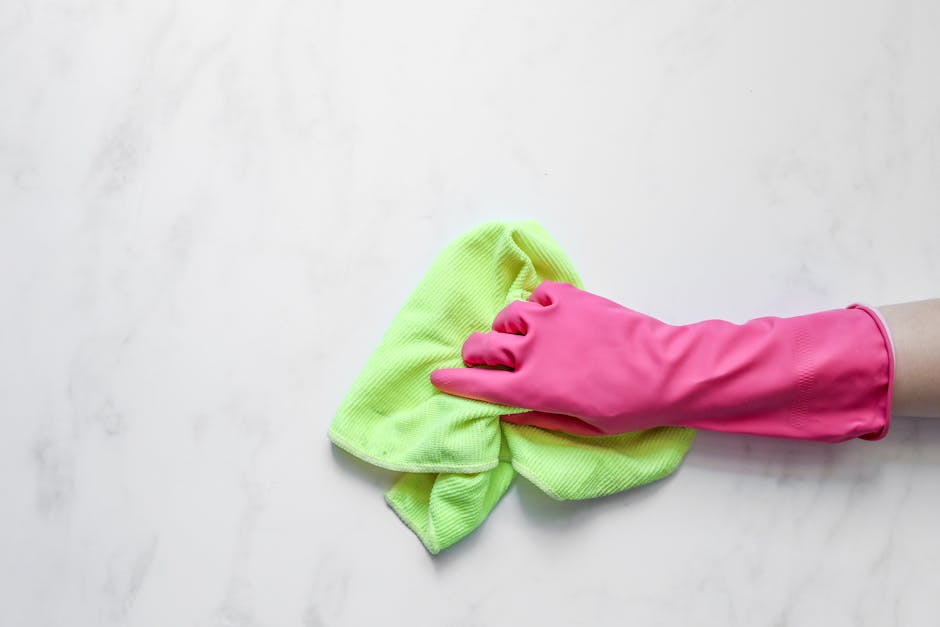
Cleaning cloths absorb spills and wipe surfaces clean. Pick the right cloth for the task.
| Cloth Type | Best Use | Material |
| Microfiber cloth | General cleaning and polishing | Synthetic fibers |
| Cotton cloth | Drying dishes and wiping counters | Natural fibers |
| Chamois leather | Drying and shining glass | Soft leather |
| Disposable wipes | Quick cleanups and disinfecting | Nonwoven fabric |
Must-have Brushes For Tough Spots
Brushes help reach cracks and scrub hard-to-clean areas. Use the right brush for tough spots.
- Dish brushes with stiff bristles clean pots and pans well.
- Toothbrush-style brushes are great for grout and small crevices.
- Scrubbing brushes with long handles reach deep sinks easily.
- Vegetable brushes also work well for scrubbing produce and stubborn grime.
Effective Cleaning Agents
Cleaning your kitchen is important to keep it safe and fresh. Choosing the right cleaning agents helps remove dirt and germs well.
There are many options for cleaning agents. Some are natural, some are store-bought, and some you can make at home.
Natural Cleaners For Safe Use
Natural cleaners use ingredients from nature. They are gentle on surfaces and safe for your family.
Common natural cleaners include vinegar, baking soda, and lemon juice. They clean well without harsh chemicals.
- White vinegar kills bacteria and removes stains.
- Baking soda scrubs away grime and odors.
- Lemon juice cuts grease and leaves a fresh scent.
- Castile soap cleans surfaces softly and effectively.
Commercial Cleaning Products
Commercial cleaners are made for tough kitchen messes. They often contain strong ingredients for quick cleaning.
Read labels to choose the right product for your kitchen surface. Use gloves to protect your hands.
- All-purpose sprays clean counters and appliances.
- Degreasers remove heavy oil and food stains.
- Disinfectants kill germs on cutting boards and sinks.
- Glass cleaners make windows and shiny surfaces clear.
Diy Cleaning Solutions
You can mix your own cleaners with simple ingredients. DIY solutions save money and reduce chemicals.
These mixtures work well for daily cleaning and small spills.
- Mix vinegar and water for a good surface spray.
- Combine baking soda and water to scrub pots and pans.
- Use lemon juice with salt to clean cutting boards.
- Mix castile soap with water for gentle dish soap.
Cleaning Different Kitchen Surfaces
Keeping kitchen surfaces clean is important for health and appearance. Different materials need different cleaning methods.
Using the right cleaner protects surfaces and helps them last longer. Learn what to use for each type of kitchen surface.
Countertops And Worktops
Countertops come in many materials like granite, quartz, or laminate. Use mild soap and warm water to clean most types.
Avoid harsh chemicals that can damage the surface. For stains, use baking soda paste or a gentle cleaner made for your countertop type.
- Use soft cloth or sponge to avoid scratches
- Clean spills quickly to prevent stains
- Test cleaners on a small spot first
Stainless Steel Appliances
Stainless steel shows fingerprints and smudges easily. Use a soft cloth and mild detergent to clean.
Wipe in the direction of the grain to keep the finish smooth. Use a little olive oil or stainless steel cleaner to polish and shine.
- Avoid abrasive pads that scratch the surface
- Dry with a microfiber cloth to prevent water marks
- Clean regularly to keep appliances looking new
Ceramic And Glass Surfaces
Ceramic and glass surfaces are easy to clean with glass cleaner or a vinegar-water mix. Use a soft cloth or paper towel.
For tough stains, use baking soda paste and gently scrub. Avoid harsh scrubbers that can scratch these delicate surfaces.
- Use streak-free glass cleaner for shine
- Remove spills quickly to avoid buildup
- Dry surfaces to prevent water spots
Wooden Cabinets And Shelves
Wood needs gentle cleaning to avoid damage. Use a damp cloth with mild soap and water to wipe down surfaces.
Dry wood quickly with a clean cloth. Use wood polish or oil to keep the wood looking healthy and shiny.
- Do not soak wood with water
- Use soft cloths to prevent scratches
- Polish wood once a month for care
:max_bytes(150000):strip_icc()/sea-dawn-attitude-goo-gone-degreasers-bryan-belknap-02-dd652aa1618040788c90bfa50e3517ca.jpeg)
Credit: www.seriouseats.com
Tackling Common Kitchen Stains
Kitchens often get messy with different types of stains. Knowing how to clean these stains helps keep your kitchen fresh and safe.
This guide shows easy ways to remove common kitchen stains using simple cleaning tips.
Grease And Oil Removal
Grease and oil stains can be sticky and hard to clean. Use warm water and dish soap to break down the grease.
Apply the soap directly on the stain and scrub gently with a sponge or cloth. Rinse with warm water and dry.
- Use warm water to help dissolve grease
- Dish soap works best for cutting through oil
- Scrub gently to avoid spreading the stain
- Rinse and dry to prevent residue
Removing Food And Drink Spills
Food and drink spills can leave stains on counters and floors. Wipe spills quickly to stop stains from setting.
Use a damp cloth with mild detergent to clean the area. For sticky spills, warm water helps loosen the residue.
- Clean spills as soon as possible
- Use mild detergent for safe cleaning
- Warm water helps remove sticky spots
- Dry the surface to avoid water marks
Dealing With Hard Water Spots
Hard water spots form when water evaporates and leaves minerals behind. These spots can look like white marks on sinks and faucets.
Use vinegar to dissolve mineral deposits. Soak a cloth in vinegar and place it on the spots for a few minutes. Then scrub gently and rinse.
- Use white vinegar to remove mineral buildup
- Soak cloth in vinegar for better cleaning
- Scrub gently to avoid damage
- Rinse well to clear vinegar residue
Maintaining Sparkling Surfaces
Keeping your kitchen clean helps maintain its shine and hygiene. Using the right cleaning tools and habits is key. Sparkling surfaces make cooking more pleasant and safe.
Regular cleaning removes dirt and grime before it builds up. Good habits save time and effort in the long run.
Daily Cleaning Habits
Wipe down counters and sinks every day. Use a soft cloth and mild cleaner to avoid damage. This stops stains and crumbs from piling up.
Clean spills immediately. This keeps your surfaces spotless and reduces germs.
- Use a microfiber cloth for wiping surfaces
- Wash dishes or load the dishwasher daily
- Clean stovetop after each use
- Empty trash regularly to avoid odors
Deep Cleaning Tips
Deep clean your kitchen weekly or biweekly. Focus on areas that get dirty fast like sinks, cabinets, and appliances. Use stronger cleaners for tough spots.
Scrub surfaces gently to avoid scratches. Rinse well and dry to prevent water marks.
- Use baking soda and vinegar for natural cleaning
- Clean inside the microwave and oven
- Sanitize cutting boards and handles
- Polish stainless steel with a soft cloth
Preventive Measures To Avoid Build-up
Prevent dirt and grease from sticking by using protective measures. Cover surfaces when cooking and clean tools after use. Good air flow helps dry surfaces fast.
Use mats or liners in drawers and shelves to catch crumbs. Regularly check for leaks to stop water damage and mold.
- Use splatter screens when frying
- Place mats under kitchen appliances
- Fix leaks promptly
- Open windows or use exhaust fans
Safety Tips For Kitchen Cleaning
Cleaning your kitchen is important to keep it healthy and fresh. Using the right safety steps helps avoid accidents. Always be careful with cleaning products and tools.
This guide shares simple safety tips for handling chemicals, ventilating the area, and using protective gear during kitchen cleaning.
Handling Chemicals Safely
Many kitchen cleaners contain strong chemicals. Use them safely to protect your skin and eyes. Never mix different cleaning products. This can cause dangerous gases.
- Read the label before use.
- Keep chemicals away from children and pets.
- Use only the amount needed for cleaning.
- Store chemicals in a cool, dry place.
- Wash your hands after handling chemicals.
Proper Ventilation During Cleaning
Good airflow helps remove fumes and keeps the air fresh. Open windows and doors if you can. Use a fan to move air out of the kitchen.
| Ventilation Method | Why It Helps |
| Open Windows | Brings fresh air inside |
| Use Exhaust Fan | Removes fumes quickly |
| Open Doors | Improves air flow |
Protective Gear Recommendations
Protect your body when cleaning. Wear gloves to keep chemicals off your skin. Use goggles to stop splashes from reaching your eyes. A mask helps if fumes bother you.
- Wear rubber gloves to protect hands
- Use safety goggles to shield eyes
- Consider a face mask to avoid breathing fumes
- Wear old clothes or an apron to protect skin

Credit: www.amazon.com
Frequently Asked Questions
What Are The Best Natural Cleaners For Kitchen Surfaces?
Natural cleaners like vinegar, baking soda, and lemon juice effectively clean kitchen surfaces. They remove stains, grease, and odors without harsh chemicals. These options are eco-friendly and safe for food contact areas, making them ideal for regular kitchen cleaning tasks.
Can I Use Bleach To Clean Kitchen Countertops?
Bleach can disinfect kitchen countertops but should be used cautiously. Always dilute bleach with water and avoid mixing it with other cleaners. Use it sparingly on non-porous surfaces and rinse thoroughly to prevent damage or health risks.
How Do I Clean Stainless Steel Kitchen Appliances?
Use a soft cloth with warm water and mild dish soap to clean stainless steel appliances. Dry immediately to avoid water spots. For stubborn stains, use a vinegar-water solution or a specialized stainless steel cleaner to restore shine.
What Is The Safest Cleaner For Kitchen Cutting Boards?
A mixture of white vinegar and water is safe and effective for cleaning cutting boards. It kills bacteria without harsh chemicals. For deeper cleaning, sprinkle baking soda, scrub gently, and rinse thoroughly with warm water.
Conclusion
Keeping your kitchen clean is essential for a healthy home. Use natural cleaners like vinegar and baking soda for effective results. These are safe and easy to find. Microfiber cloths work well for wiping surfaces. They trap dust and dirt efficiently.
For stubborn stains, a gentle scrub brush helps. Remember to clean regularly to prevent buildup. A tidy kitchen feels inviting and pleasant. Make cleaning a routine for best outcomes. Simple tools and natural solutions can make a big difference. Enjoy a spotless kitchen with these easy steps.
Happy cleaning!