
Designing your dream kitchen can be an exciting project, but it can quickly turn into a nightmare if you make certain common mistakes. These errors not only disrupt the functionality but can also shatter your vision of a perfect kitchen.
Imagine investing time and money, only to end up with a space that frustrates rather than delights you. As you dive into the world of kitchen design, it’s crucial to know what pitfalls to avoid. This guide will reveal the mistakes you can’t afford to make.
Stay with us, and discover how to create a kitchen that’s as practical as it is stunning, ensuring your cooking space is nothing short of a culinary haven.
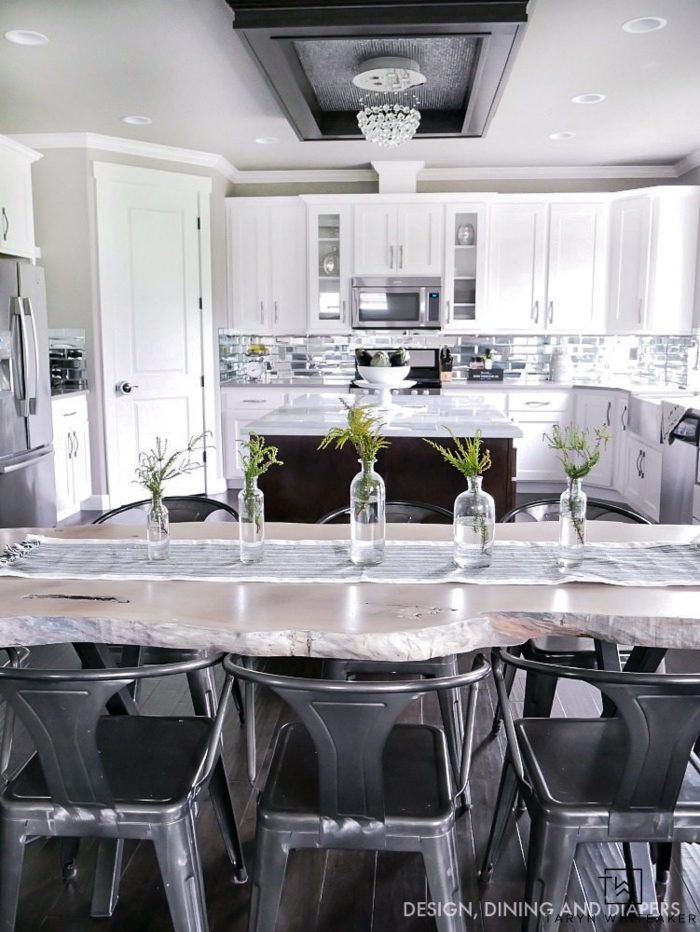
Credit: tarynwhiteaker.com
Ignoring Workflow
Ignoring workflow leads to kitchen chaos. Arrange work zones for cooking, cleaning, and storage logically. Ensure smooth flow to enhance efficiency and comfort in your kitchen design.
Designing a kitchen can be an exciting journey, but it can quickly turn into a nightmare if you ignore the workflow. Imagine constantly bumping into family members or struggling to find a clear path from the fridge to the stove. This chaos can make cooking stressful rather than enjoyable. To create a kitchen that functions smoothly, understanding and respecting the workflow is crucial. Let’s dive into some common mistakes you should avoid.Neglecting The Work Triangle
The work triangle is a timeless concept in kitchen design, focusing on the placement of the stove, refrigerator, and sink. These three points should form a triangle that allows easy movement among them. If you neglect this, you’ll find yourself walking unnecessary distances or struggling to find space for food prep. Picture the frustration of having to maneuver around an island or table every time you need to grab something from the fridge. Keeping the work triangle compact yet spacious is key. Ensure there’s nothing obstructing this crucial path.Overlooking Kitchen Zones
Every kitchen has different zones, including cooking, cleaning, and storage. Overlooking these zones can make even the simplest tasks cumbersome. Imagine trying to chop vegetables when your knives are stored far from the prep area. Think about where you’ll do specific tasks and organize your kitchen accordingly. Keep pots and pans near the stove and cleaning supplies under the sink. By doing this, you streamline your activities and save valuable time and effort. Creating a kitchen that respects the workflow is about balance and planning. Have you ever struggled in a poorly designed kitchen? What changes would make it a more pleasant space for you? Prioritize workflow, and you’ll enjoy a kitchen that’s both functional and inviting.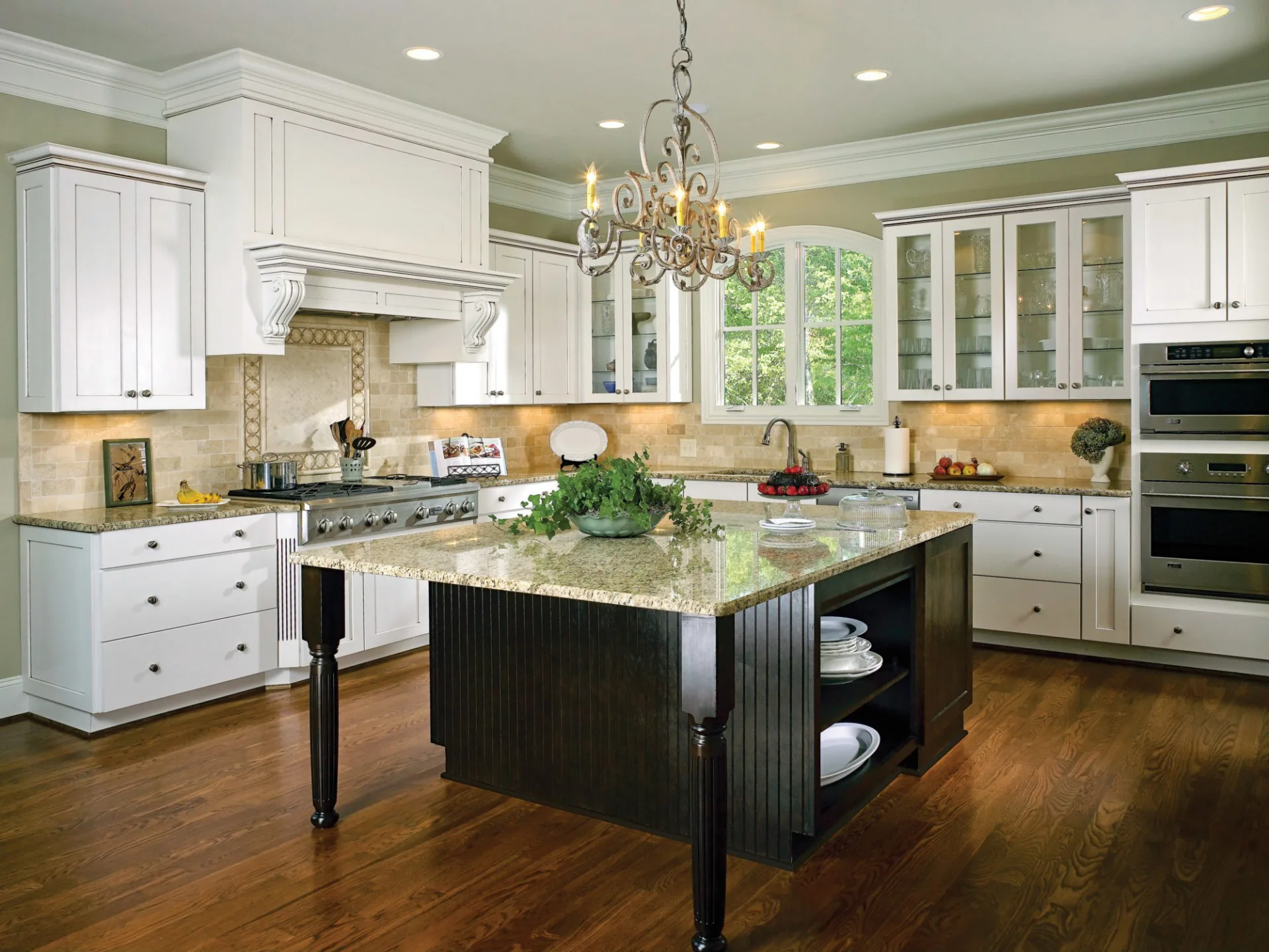
Credit: www.wellbornforest.com
Skimping On Storage
Designing a kitchen requires careful planning, especially around storage solutions. Skimping on storage can lead to a cluttered and inefficient space. Prioritizing adequate storage will enhance functionality and maintain a neat environment. Without enough storage, everyday items can overwhelm your kitchen.
Insufficient Cabinet Space
Cabinets are essential for organizing kitchen essentials. Not enough cabinet space makes storing cookware difficult. Overcrowded cabinets result in frustration and chaos. Plan for ample cabinets to accommodate all utensils and appliances. Consider vertical cabinets to maximize space usage. Think about adjustable shelves for flexibility in storage options.
Lack Of Pantry Solutions
A pantry stores food items neatly. Without a pantry, groceries clutter countertops. Create a dedicated pantry for easy access to ingredients. Use pull-out shelves for efficient storage and retrieval. Optimize space by using bins and organizers. A well-organized pantry simplifies meal preparation and reduces stress.
Poor Lighting Choices
Creating the perfect kitchen involves more than stylish cabinets and modern appliances. Lighting plays a crucial role in how functional and inviting your kitchen feels. Poor lighting choices can undermine even the most well-designed spaces. It impacts cooking efficiency and the mood of the room. Many homeowners neglect proper lighting in their kitchens, leading to frustrating experiences. Let’s explore common mistakes to avoid.
Inadequate Task Lighting
Task lighting is essential for food preparation and cooking. Without it, cutting vegetables or reading recipes becomes a challenge. Under-cabinet lights are ideal for illuminating countertops. Ensure enough brightness to avoid shadows. Poor task lighting can lead to accidents and inefficient cooking. Consider adjustable fixtures to direct light where needed. Avoid relying solely on overhead lights for tasks. They fail to provide focused illumination.
Overlooking Ambient Lighting
Ambient lighting sets the overall mood in the kitchen. It fills the space with a warm, welcoming glow. Many kitchens lack sufficient ambient lighting, creating harsh environments. Use ceiling fixtures or recessed lights to enhance atmosphere. Soft light is crucial for cozy dinners and gatherings. Without it, kitchens feel cold and uninviting. Balance ambient lighting with task lighting for optimal effect. Aim for a harmonious blend to enhance functionality and aesthetics.
Choosing The Wrong Materials
Choosing inappropriate materials can lead to a dysfunctional kitchen. Materials that stain or damage easily should be avoided. Select durable, easy-to-clean options for a practical and lasting design.
Choosing the wrong materials can ruin your kitchen design. Materials impact both the look and function of your kitchen. Bad choices lead to regret and costly repairs. Avoid these pitfalls by understanding the importance of selecting the right materials.Using Non-durable Surfaces
Weak surfaces show wear quickly. They scratch, stain, and chip easily. Laminate countertops, for instance, may not last long. They lack the durability of granite or quartz. Strong surfaces withstand daily use without showing damage. Choose materials that endure spills and heat. Investing in quality pays off over time. Your kitchen remains beautiful and functional longer.Selecting Hard-to-clean Finishes
Some finishes trap dirt and grime. High-gloss cabinets, for example, show fingerprints and smudges. Cleaning them becomes a constant chore. Matte finishes hide imperfections better. They require less frequent wiping. Textured surfaces can trap dust and grease. Smooth surfaces clean easily and maintain a fresh look. Choose wisely to save time and effort in maintenance.Compromising On Ventilation
Compromising on ventilation in kitchen design can lead to unpleasant odors. Proper ventilation ensures fresh air and removes smoke and steam. Many overlook this crucial aspect, resulting in a less enjoyable cooking experience. A well-ventilated kitchen is essential for comfort and health.
Ignoring Range Hood Importance
The range hood is vital for removing cooking fumes. Without it, smoke and odors linger. A powerful range hood keeps the kitchen air clean and fresh. It captures grease, smoke, and moisture, preventing them from spreading. Choosing the right range hood is key to effective ventilation.
Neglecting Proper Air Circulation
Proper air circulation prevents stale air buildup. A lack of circulation leads to humidity and unpleasant smells. Good airflow ensures a comfortable kitchen environment. Windows, vents, and fans help maintain air movement. Prioritizing air circulation enhances kitchen usability.
Forgetting About Ergonomics
Ignoring ergonomic principles can lead to discomfort and inefficiency in kitchen design. Prioritize user-friendly layouts and accessible storage to enhance functionality. A well-thought-out design supports ease of movement and minimizes strain during cooking tasks.
Designing a kitchen is an exciting endeavor, but it’s easy to overlook crucial elements that can make or break your cooking and dining experience. One major oversight is forgetting about ergonomics. Poor ergonomic design can lead to discomfort and inefficiency in your kitchen. Imagine constantly straining to reach things or bumping into appliances while you cook. Focusing on ergonomics ensures that your kitchen is both comfortable and functional, making everyday tasks more enjoyable.Disregarding Counter Height
One common mistake is choosing the wrong counter height. If your countertops are too high or too low, you might strain your back during meal prep. Standard counter height is about 36 inches, but consider your height and comfort. Have you ever found yourself bending too much while chopping vegetables? Adjustable counters or adding different levels in your kitchen design can cater to different tasks. Don’t underestimate the impact of a few inches on your cooking experience.Overlooking Appliance Placement
The placement of appliances can dramatically affect the flow of your kitchen. Placing the refrigerator too far from the sink or stove can turn cooking into a marathon. Imagine having to cross the room multiple times just to prepare a simple meal. Think about how you move in the kitchen. The kitchen triangle—connecting the stove, refrigerator, and sink—should be compact and unobstructed. Ensure that these key elements are within easy reach to make your cooking efficient and enjoyable. In your kitchen design journey, remember the importance of ergonomics. How will your choices affect your daily routine? Prioritize comfort and functionality to create a space that truly works for you.Overlooking Electrical Needs
Ignoring electrical needs can lead to a dysfunctional kitchen space. Ensure enough outlets for appliances and lighting. Plan for future upgrades to avoid costly changes later.
Designing a kitchen is an exciting journey, but it’s easy to overlook some critical elements, like electrical needs. Imagine cooking your favorite meal only to realize there aren’t enough outlets for all your appliances. This scenario is more common than you might think, and it can turn your dream kitchen into a frustrating space. Ensuring you address electrical needs is key to creating a functional and enjoyable kitchen.Insufficient Power Outlets
One of the most common mistakes is not having enough power outlets. You might think a few will suffice, but consider all the gadgets and appliances you use daily. Blenders, toasters, coffee makers, and other devices all compete for power. Think about where you use your appliances. Place outlets strategically to avoid the dreaded extension cord chaos. Consider adding outlets to kitchen islands or countertops where you prep meals. This will save you time and reduce clutter.Ignoring Future Electrical Demands
As technology evolves, your kitchen will likely require more power. Ignoring future electrical demands can limit your kitchen’s functionality. Planning ahead for additional outlets or higher voltage needs can save you costly renovations later. Think about smart appliances or charging stations for your devices. Even if you’re not using them now, they might become essential soon. Ask yourself, will your kitchen be ready for the tech of tomorrow? Prepare your kitchen for these advancements to ensure it serves you well for years to come.
Credit: www.youtube.com
Mismanaging Space
Avoid cluttering countertops with unnecessary items. Ensure cabinets are accessible to prevent frustration. Properly plan appliance placement for ease of use.
Mismanaging space in kitchen design can lead to frustration and inefficiency. Imagine reaching for a pot only to knock over a stack of plates. A poorly planned kitchen can make cooking feel like an obstacle course. You want your kitchen to be welcoming and practical, not a maze of missteps. Let’s explore common mistakes that can cramp your style and waste valuable space.Cramped Layout Designs
A cramped layout restricts movement and can turn cooking into a hassle. If your kitchen feels like a tight squeeze, it might be because the layout doesn’t flow. Think about where you naturally move when cooking. Consider pathways between the fridge, stove, and sink. If they’re cluttered or blocked, you’ll spend more time navigating than cooking. A friend once placed her kitchen island too close to the stove, and every meal felt like an obstacle course. Reflect on your kitchen’s current setup. Are you constantly bumping into things? Rearranging furniture or removing unnecessary items can make a big difference.Wasting Potential Storage Areas
Unused spaces are like gold mines for storage. You don’t need to be a professional organizer to spot them. Look up, down, and around. Tall cabinets can house rarely used items, and the space above the fridge can store bulky appliances. Are there blank walls that could hold shelves? A colleague once shared how adding wall-mounted racks transformed her kitchen. Suddenly, spices were within arm’s reach, and countertops were clear. Evaluate your kitchen’s hidden potential. What areas are currently empty? Even small adjustments can free up space and make your kitchen more functional. Ask yourself: How can I make every inch work for me? Your kitchen should serve you, not the other way around.Ignoring Aesthetic Cohesion
Designing a kitchen is an exciting venture, but overlooking aesthetic cohesion can lead to chaos. A kitchen should not only be functional but also visually harmonious. Ignoring aesthetic cohesion can result in a disjointed space that feels uncomfortable and uninviting. Let’s dive into the common pitfalls that disrupt aesthetic flow, ensuring your kitchen becomes the heart of your home.
Clashing Color Schemes
Color is powerful—it can transform a room from dull to dazzling. Yet, mismatched colors can quickly ruin the vibe. Imagine a kitchen with bright red cabinets, neon green walls, and purple countertops. It sounds wild, right? Such clashes can make the space feel overwhelming and chaotic.
To avoid this, select a color palette that complements each element. Consider colors that create warmth and invite guests in. You might love bold shades, but they should still harmonize. Have you ever walked into a room and felt it was too loud? That’s what clashing colors do.
Inconsistent Design Themes
Imagine stepping into a kitchen that looks part farmhouse, part ultra-modern. Confusing, isn’t it? Mixing too many design themes can disorient anyone who enters the space. You want a kitchen where each piece tells the same story.
Stick to a theme that resonates with you and your home. A cohesive design brings peace and order, making it pleasant to cook and entertain. Think about the mood you want to set. Wouldn’t you prefer a kitchen that flows effortlessly from one element to another?
Designing a kitchen is like crafting a masterpiece. The wrong moves can lead to disharmony, but with careful choices, your kitchen can be a space of beauty and balance. What does your dream kitchen look like?
Frequently Asked Questions
Do And Don’ts In Kitchen Design?
Maximize space with efficient layout. Prioritize good lighting and ventilation. Choose durable, easy-to-clean materials. Avoid cluttered countertops. Don’t ignore workflow between sink, stove, and fridge.
What To Avoid When Designing A Kitchen?
Avoid cluttered layouts by ensuring efficient use of space. Choose durable materials for countertops and flooring. Ensure proper ventilation to prevent odors. Install sufficient lighting for functionality. Plan storage solutions to keep essentials organized.
What Is The Golden Rule For Kitchen Design?
The golden rule for kitchen design is the “kitchen work triangle. ” It optimizes efficiency by positioning the sink, stove, and refrigerator in a triangular layout. This arrangement minimizes walking distance and enhances workflow, ensuring a functional and convenient cooking space.
Keep pathways clear and ensure each area is easily accessible.
What Are The Rules When Designing A Kitchen?
Design a kitchen with the work triangle in mind: sink, stove, and fridge. Ensure ample storage and counter space. Prioritize good lighting and ventilation. Choose durable, easy-to-clean materials. Maintain a balance between functionality and aesthetics for a welcoming space.
Conclusion
Creating a kitchen involves careful planning and smart decisions. Avoid common mistakes to ensure a functional space. Consider layout, lighting, and storage needs. Overcrowded countertops can make cooking stressful. Choose durable materials that fit your lifestyle. Don’t ignore ventilation, it keeps the kitchen fresh.
Balance aesthetics with practicality for long-term satisfaction. Test appliance locations to prevent workflow issues. Keep in mind your personal style and needs. A well-thought-out kitchen enhances daily life. Happy designing!