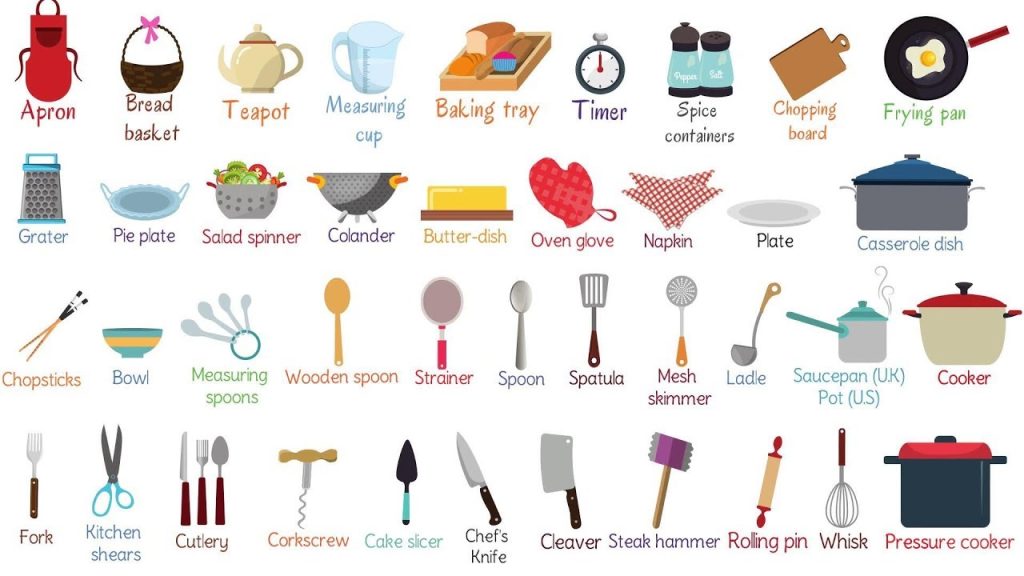
Have you ever found yourself puzzled by the sheer variety of gadgets and utensils in your kitchen? You’re not alone.
Kitchen tools, those trusty companions that help you whip up delightful meals, often seem mysterious and overwhelming. But they don’t have to be! Understanding kitchen tools can transform your cooking experience, making it easier, more efficient, and even more enjoyable.
Imagine being able to confidently select the right tool for every culinary task, enhancing not just the taste, but also the joy of cooking. Are you ready to unlock the secrets of your kitchen and elevate your culinary skills? Let’s dive into the world of kitchen tools together, where clarity and confidence await you with every chop, stir, and whisk.

Credit: shriandsam.com
Choosing The Right Cookware
Choosing the right cookware can transform your cooking experience. The right tools elevate flavor and efficiency in the kitchen. With so many options available, selecting cookware can be daunting. Consider material, size, shape, and maintenance to find the perfect match.
Material Options
Cookware materials affect cooking performance and durability. Stainless steel is popular for its non-reactive surface and durability. It resists rust and stains, making it ideal for daily use. Cast iron retains heat well, providing even cooking and excellent browning. Non-stick pans are great for easy cleaning and low-fat cooking. Copper offers quick heat conduction but requires regular polishing to maintain its shine.
Size And Shape Considerations
Size impacts cooking capacity and storage. Small pots suit individual meals, while larger ones accommodate family dinners. Consider the shape of your cookware. Round pans are versatile for stirring and flipping. Square pans provide extra cooking space. Deep pots are best for soups and stews.
Maintenance Tips
Proper care extends the life of your cookware. Wash non-stick pans with gentle soap to prevent damage. Season cast iron regularly to maintain its non-stick surface. Stainless steel benefits from occasional polishing to remove spots. Avoid stacking heavy pans to prevent scratches and dents.
Knives For Every Kitchen Task
Kitchen tools include knives designed for every cooking task. Each knife serves a unique purpose, from slicing bread to chopping vegetables. Having the right knife makes meal preparation easier and more efficient.
When it comes to preparing meals, knives are the backbone of every kitchen. They are not just tools; they can transform how you cook and even the quality of your dishes. Imagine trying to cut a tomato with a dull knife – frustrating, right? Having the right knife for each task not only makes cooking more enjoyable but also more efficient. Let’s dive into the essential knives you should have in your kitchen and how to take care of them.Types Of Knives
A well-stocked kitchen should have a variety of knives. Each type is designed for specific tasks. The chef’s knife is versatile and can handle most chopping and slicing jobs. A paring knife is perfect for peeling and intricate work. Serrated knives are ideal for cutting bread and soft fruits without squishing them. A boning knife is great for separating meat from bones. What knife do you find yourself reaching for most often?Knife Care And Maintenance
Keeping your knives in top shape is essential for their longevity and performance. Always clean them after each use to prevent rust and dullness. Sharpen your knives regularly with a whetstone or honing rod. Store them safely in a knife block or magnetic strip to avoid unnecessary damage. These small steps can make a big difference in your cooking experience.Essential Knife Skills
Having the right knives is only half the battle. Knowing how to use them properly is key. Hold the knife with a firm grip, using a pinch grip for better control. Practice slicing, dicing, and chopping techniques to improve efficiency. Use a cutting board that won’t dull your knives. The more you practice, the more confident you’ll become in your knife skills. Have you ever considered taking a knife skills class to improve your cooking? With these insights, your kitchen can be equipped for any culinary adventure. Remember, the right knife makes the task easier and more enjoyable. What’s stopping you from sharpening your skills today?Measuring Tools Essentials
Measuring tools are essential in every kitchen. They ensure accurate ingredient amounts. This accuracy leads to consistent and tasty dishes. For both novice and experienced cooks, understanding these tools is key. Let’s dive into the essentials.
Types Of Measuring Tools
Measuring tools come in various forms. Cups and spoons are common in kitchens. They measure dry and liquid ingredients. Kitchen scales offer more precision. They are perfect for baking. Different tools serve different purposes.
Accuracy And Precision
Accuracy is crucial in cooking. It affects the final taste of dishes. Precision avoids ingredient wastage. Using the right tool ensures both. Kitchen scales provide exact measurements. Cups and spoons are quick and easy. Choose the tool that fits your recipe.
Proper Usage Techniques
Using measuring tools correctly is vital. Fill cups to the brim for accuracy. Level off with a knife. Use the correct spoon size for liquids. For scales, place a bowl first. Tare to zero before adding ingredients. This ensures precise measurements.

Credit: www.pinterest.com
Mixing And Baking Tools
Mixing and baking tools form the backbone of any kitchen. These tools simplify preparing and creating delicious baked goods. Whether you’re a seasoned baker or just starting, having the right tools makes a difference. They help achieve the desired consistency and texture in your recipes. Let’s dive into some essential tools for mixing and baking.
Bowls And Whisks
Every kitchen needs a variety of bowls for mixing. Choose bowls that are sturdy and easy to clean. Glass and stainless steel are popular options. They are durable and versatile for many tasks. Whisks are crucial for mixing ingredients smoothly. They help incorporate air into mixtures, making them light and fluffy. Opt for a whisk that feels comfortable in your hand.
Baking Pans And Sheets
Baking pans and sheets come in many shapes and sizes. They are essential for baking cakes, cookies, and bread. Non-stick pans help in easy release of baked goods. Choose pans with even heat distribution for best results. Baking sheets are perfect for cookies and pastries. Look for ones with a rim to prevent spills and mess.
Specialty Baking Gadgets
Specialty gadgets make baking more exciting. Cookie cutters help create fun shapes. They add a personal touch to baked treats. A pastry blender is useful for cutting butter into flour. It ensures flaky crusts and pastries. A kitchen scale provides precise measurements. It is essential for consistent baking results.
Cooking Utensils
Kitchen tools are essential items used daily for cooking and food preparation. They include spoons, knives, and spatulas, helping in mixing, chopping, and stirring. These utensils ensure food is cooked evenly and efficiently, making meal preparation easier and more enjoyable.
Cooking utensils are essential in every kitchen. They help in preparing and serving food. These tools come in various shapes and sizes. Each has its unique function and benefit.Spatulas And Spoons
Spatulas are versatile tools. They are perfect for flipping pancakes or omelets. Silicone spatulas are ideal for scraping bowls clean. Wooden spoons are durable and safe for non-stick pans. They are great for stirring soups and sauces. Both tools have different uses but are equally important.Tongs And Turners
Tongs are excellent for gripping and lifting food. They help with serving salads or turning steaks. Turners, often called spatulas, are flat tools. They are used for flipping burgers or fish. Both tongs and turners make cooking easier and more efficient.Heat Resistant Tools
Heat resistant tools withstand high temperatures. Silicone spatulas are popular for this reason. They don’t melt or warp under heat. They are safe for use in hot pots and pans. These tools are essential for safe and effective cooking. Cooking utensils simplify many tasks. Each tool has a unique role in the kitchen. From stirring to flipping, they enhance your cooking experience.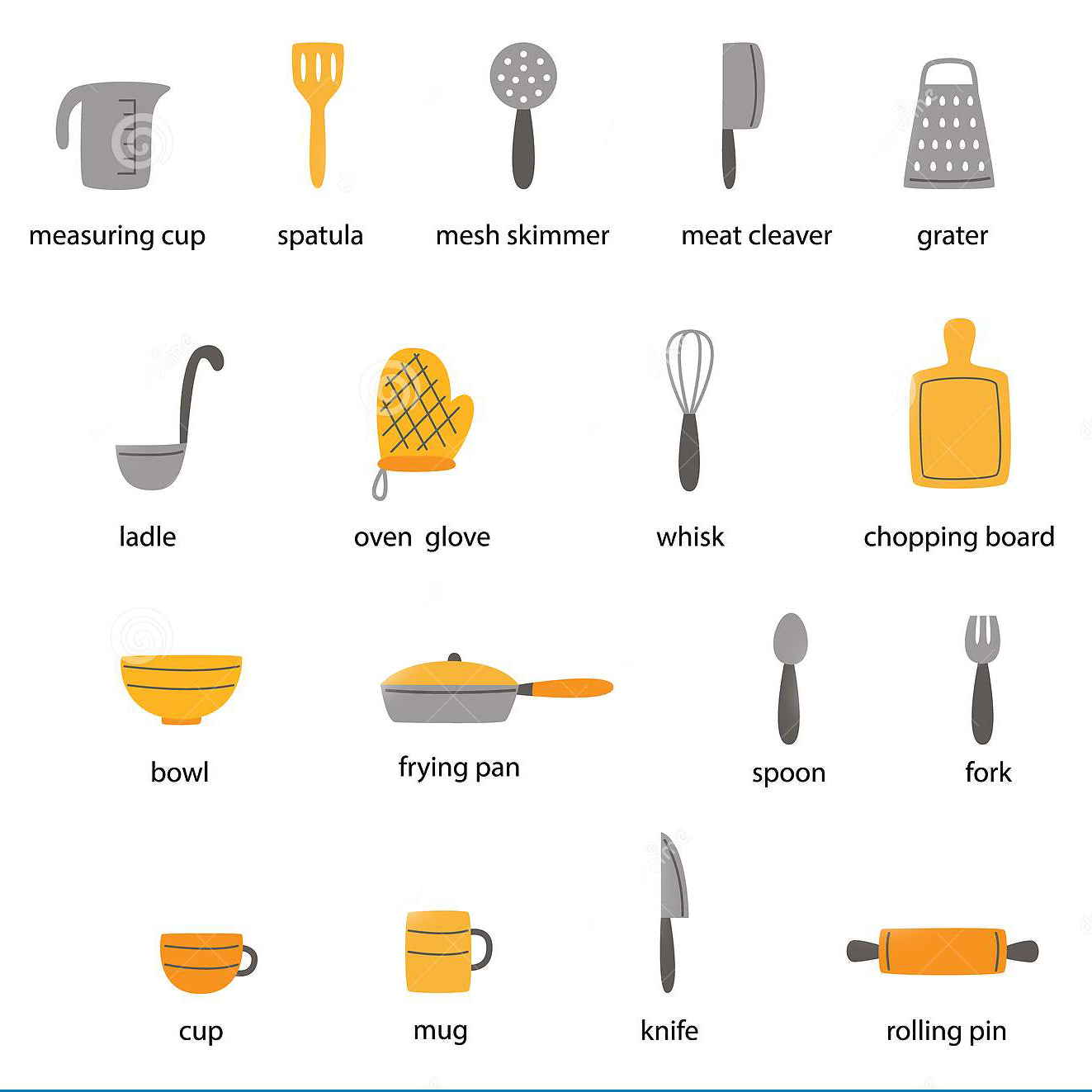
Credit: shriandsam.com
Small Appliances
Small appliances make kitchen tasks easy and efficient. They save time and effort. These handy tools are essential for modern cooking. They range from blenders to coffee makers. Each appliance serves a unique purpose. Let’s explore some popular small appliances.
Blenders And Food Processors
Blenders mix ingredients smoothly. They are perfect for smoothies and soups. Most have multiple speed settings. This allows for precise blending. Food processors handle chopping and slicing. They make meal prep quick and easy. With sharp blades, they process tough ingredients. Blenders and food processors are must-haves for any kitchen.
Toasters And Microwaves
Toasters toast bread evenly. They are simple and efficient. Most come with adjustable settings. This helps achieve the desired browning level. Microwaves heat food quickly. They are perfect for reheating meals. With various power levels, microwaves offer versatility. Toasters and microwaves are essential for quick meals.
Coffee Makers And Kettles
Coffee makers brew fresh coffee at home. They come in different sizes and styles. Some have programmable features for convenience. Kettles heat water fast. They are ideal for tea and instant meals. Electric kettles are energy-efficient. Coffee makers and kettles are staples for caffeine lovers.
Storage Solutions
Kitchen tools help organize and store items efficiently. They include racks, containers, and shelves, keeping utensils and ingredients within easy reach. Having the right storage solutions enhances kitchen functionality and tidiness.
When it comes to creating a functional kitchen, storage solutions are crucial. Having the right kitchen tools is only half the battle; knowing how to store them effectively can make or break your cooking experience. From containers and organizers to space-saving tips, having a well-organized kitchen can transform your cooking process from chaotic to seamless.Containers And Organizers
Investing in quality containers can save you both time and space. Opt for clear, stackable containers that let you see what’s inside at a glance. This makes it easier to find what you need without rummaging through drawers. Organizers can dramatically improve your kitchen’s functionality. Drawer dividers are a game-changer for keeping utensils in order. Consider using shelf risers to double your storage space in cabinets.Keeping Tools Accessible
Have you ever found yourself frantically searching for a spatula mid-cooking? Keeping your tools within easy reach can save you from such stress. Hang frequently used items like ladles or tongs on hooks near the stove. A magnetic strip on the wall can keep knives handy and out of the way. This setup not only looks sleek but also frees up valuable drawer space.Space-saving Tips
Maximizing space in a small kitchen requires creativity. Consider using the insides of cabinet doors for extra storage. You can attach hooks or small racks to store lids or spices. Collapsible tools can be a lifesaver in tight spaces. Items like foldable colanders or nesting bowls can free up much-needed room. Think about what you use most often and arrange your storage to support that. Have you ever thought about how much easier cooking could be with better organization? By implementing these storage solutions, your kitchen can become not just a place to prepare meals but a space of inspiration and efficiency.Safety And Hygiene Practices
Kitchen tools are essential for maintaining safety and hygiene in food preparation. Knives, cutting boards, and utensils help prevent cross-contamination. Regular cleaning and proper storage ensure a healthy cooking environment.
When you think about kitchen tools, safety and hygiene might not be the first things that come to mind. However, they play a crucial role in ensuring your kitchen remains a healthy and accident-free zone. Neglecting safety and hygiene practices can lead to foodborne illnesses or even kitchen mishaps. Let’s dive into some essential practices to keep your kitchen safe and hygienic.Proper Cleaning Techniques
Cleaning your kitchen tools is not just about removing visible dirt. It’s about ensuring they are free from harmful bacteria. Consider knives: You might wash them with soap and water, but are you drying them properly? A damp knife can harbor germs and rust. Always dry your knives immediately after washing. Think about cutting boards. They need more than a quick rinse. Scrub them with hot water and soap, then air-dry to prevent bacterial growth. Using a vinegar solution occasionally can help keep them sanitized.Avoiding Cross-contamination
Cross-contamination is a silent threat in many kitchens. It’s easy to spread bacteria from raw meats to fresh veggies without realizing it. Use separate cutting boards for raw meat and vegetables. This simple practice can prevent bacteria from spreading. Always wash your hands after handling raw ingredients. It’s a step often skipped but essential for keeping germs at bay. Your hands touch everything in the kitchen, so keeping them clean is vital.Maintaining A Safe Kitchen Environment
A safe kitchen environment goes beyond cleaning. It’s about organizing and storing your tools correctly to prevent accidents. Store your knives in a designated holder or drawer. Leaving them on countertops can lead to accidental cuts. Ensure your kitchen floor is free from spills. Slipping on a wet floor can lead to serious injuries. Keep towels handy to quickly clean up any mess. Lastly, regularly check your appliances for wear and tear. A faulty blender or toaster can be a fire hazard. Keep them in good condition to avoid accidents. Reflect on your current kitchen practices: Are there areas you could improve in terms of safety and hygiene? Making small changes can lead to a healthier and more efficient kitchen space for you and your family.Frequently Asked Questions
What Are The Main Kitchen Tools?
Essential kitchen tools include knives, cutting boards, pots, pans, measuring cups, spoons, spatulas, and mixing bowls. These tools assist in efficient cooking and food preparation. Quality tools enhance cooking experiences and ensure better results. Keep them organized for easy access and convenience in the kitchen.
What Are The 20 Kitchen Tools And Their Uses?
1. Knife: Cutting and slicing. 2. Cutting board: Chopping surface. 3. Peeler: Removes fruit and vegetable skins. 4. Whisk: Blending and mixing. 5. Tongs: Grabbing and flipping food. 6. Grater: Shreds cheese and vegetables. 7. Measuring cups: Measure ingredients. 8.
Measuring spoons: Precise ingredient measurement. 9. Mixing bowl: Mix ingredients. 10. Colander: Drains liquids. 11. Ladle: Serves soups. 12. Spatula: Flips and serves food. 13. Rolling pin: Rolls dough. 14. Timer: Tracks cooking time. 15. Can opener: Opens cans. 16.
Strainer: Separates solids from liquids. 17. Garlic press: Crushes garlic. 18. Zester: Extracts zest from citrus fruits. 19. Potato masher: Mashes potatoes. 20. Blender: Blends and purees ingredients.
What Are The 5 Categories Of Kitchen Tools?
Kitchen tools fall into five categories: cookware, utensils, appliances, knives, and storage solutions. Cookware includes pots and pans. Utensils cover spatulas and spoons. Appliances consist of mixers and blenders. Knives are essential for chopping. Storage solutions keep items organized. Each category serves a distinct purpose in culinary tasks.
What Are Tools Called In The Kitchen?
Kitchen tools are utensils and gadgets used for cooking and food preparation. These include knives, spoons, spatulas, pots, pans, measuring cups, and cutting boards. Kitchen appliances like blenders and mixers are also essential tools. They help in efficient cooking and baking, making meal preparation easier and more enjoyable.
Conclusion
Kitchen tools simplify cooking tasks and enhance your culinary experience. They range from simple spatulas to advanced mixers, each serving a unique purpose. Good tools save time and improve food quality. Choose tools that suit your cooking style and needs.
Regular maintenance keeps them effective. Investing in the right tools pays off in long-term kitchen efficiency. Start small and expand your collection as needed. Quality matters more than quantity. Experiment with different tools to find your favorites. Enjoy the process of discovering what works best in your kitchen.
Happy cooking with your chosen tools!