
What is kitchen design? It’s more than just arranging appliances and cabinets.
It’s about crafting a space that reflects your personality and meets your needs. Imagine walking into a kitchen that not only looks stunning but also makes cooking a breeze. This is the magic of thoughtful kitchen design. You might wonder, why does this matter to you?
Because the kitchen is the heart of your home. It’s where you share meals, create memories, and spend quality time. By the end of this article, you’ll discover how good design can transform your kitchen into a space that’s not only functional but also a joy to be in. Stick around to learn how you can achieve this in your own home.
The Essence Of Kitchen Design
Kitchen design involves planning the layout and style of your kitchen space. It balances functionality with aesthetics, ensuring a practical and beautiful environment. This process includes choosing cabinets, countertops, and appliances to suit your needs and taste.
The kitchen is more than just a place to cook; it is the heart of the home where memories are created and cherished. Designing a kitchen involves more than selecting pretty cabinets and fancy appliances. It is about creating a space that seamlessly combines beauty and practicality, reflecting your personal style while meeting everyday needs. Let’s explore the essence of kitchen design and what makes a kitchen truly exceptional.Balancing Functionality And Aesthetics
A well-designed kitchen strikes a perfect balance between how it looks and how it works. Consider the layout—can you easily move between the stove, sink, and refrigerator? This triangle concept is crucial for efficient cooking. Think about storage solutions that make sense. Pull-out drawers can save you from digging through cluttered cabinets. Open shelves might offer easy access, but they also require you to keep things tidy. A mix of both can provide practicality and style. Is your kitchen lighting both functional and inviting? Under-cabinet lights can illuminate workspaces, while pendant lights add charm. Each choice impacts the mood and utility of your kitchen.Embracing Modern Trends
Modern trends can breathe fresh life into your kitchen design. Have you considered smart appliances? Imagine a refrigerator that tells you when you’re out of milk or an oven you can control with your phone. These innovations can make your life easier and more enjoyable. Sustainability is another trend gaining popularity. Eco-friendly materials, like bamboo flooring or recycled glass countertops, not only protect the environment but also add unique textures and colors to your space. Color palettes have evolved too. Neutral tones remain timeless, but bold colors are making a statement. A splash of vibrant backsplash can transform the entire look. Would a pop of color reflect your personality and energize your cooking space? Remember, trends should enhance your kitchen’s functionality and aesthetics, not complicate them. Embrace what’s useful and resonates with your lifestyle, ensuring your kitchen remains a joy to use and admire every day.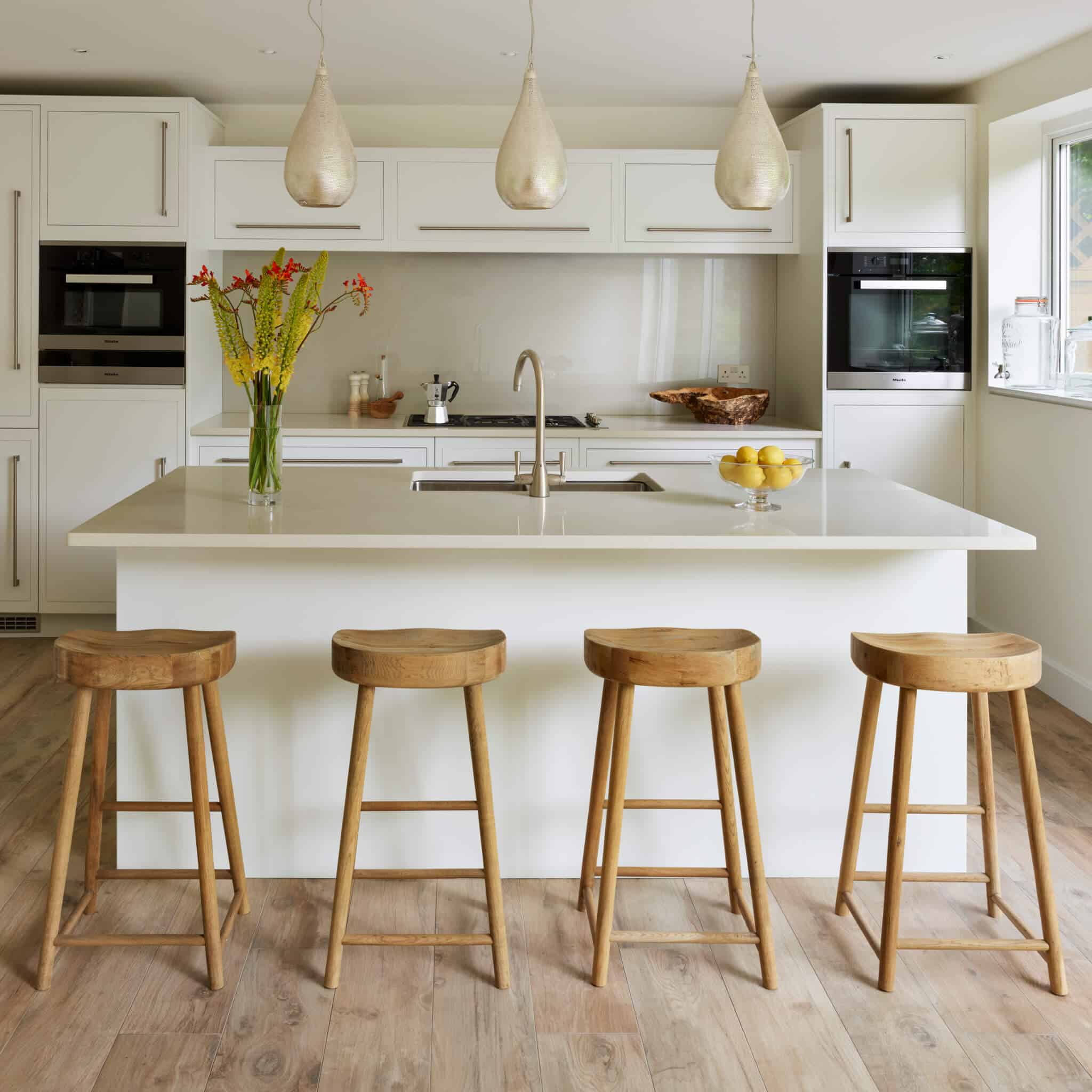
Credit: www.harveyjones.com
Key Elements In Stylish Kitchens
Stylish kitchens blend functionality with aesthetics, showcasing sleek countertops, modern appliances, and smart storage solutions. Lighting and color choices play crucial roles in creating inviting spaces.
Designing a kitchen is like orchestrating a symphony where each element plays a crucial role in creating harmony. A stylish kitchen not only looks beautiful but also functions efficiently. Whether you’re planning a complete renovation or just a few updates, understanding the key elements in stylish kitchens can transform your space into something extraordinary.Colors And Materials
The colors and materials you choose set the tone for your kitchen’s overall vibe. Consider neutral shades like white, gray, and beige for a timeless look. They provide a clean canvas that allows other elements to shine. If you love bold statements, think about adding a splash of color with vibrant cabinets or a striking backsplash. Materials like quartz countertops and stainless steel appliances not only look sleek but are also durable. Remember, your choices should reflect your personal style and practical needs.Lighting And Ambiance
Lighting is a game-changer in kitchen design, and it goes beyond just having a bright space. Layered lighting, including task, ambient, and accent lighting, can create a welcoming atmosphere. Imagine preparing a meal under under-cabinet lights that illuminate your workspace perfectly. Pendants over the island add a touch of elegance and can serve as a focal point. Think about the mood you want to set. Soft, warm lighting can make your kitchen cozy and inviting, while cooler tones give a modern, clean look.Innovative Storage Solutions
A clutter-free kitchen is a happy kitchen, and innovative storage solutions can help you achieve this effortlessly. Pull-out shelves and deep drawers can maximize your space and keep everything within reach. Have you ever struggled to find a pot or pan in the back of a cupboard? Consider installing lazy Susans or vertical dividers for easy access. Personalize your storage based on your cooking habits. If you’re an avid baker, dedicate a drawer for your baking essentials. Tailor your space to suit how you live and cook. What are your favorite elements in your kitchen? Is there a part of your kitchen you wish you could change? Reflecting on these questions can guide you in creating the stylish kitchen you desire.Popular Kitchen Layouts
When planning your kitchen design, choosing the right layout is crucial. The layout not only dictates the flow of your space but also impacts your cooking and dining experience. Let’s explore some popular kitchen layouts that might be perfect for your home.
Open Concept Designs
Open concept kitchens are gaining popularity for their spacious feel and modern aesthetic. Imagine a seamless blend between your kitchen and living areas. This design encourages social interaction, allowing you to chat with guests while preparing meals.
Think about how liberating it feels to cook without barriers. You can enjoy the beauty of natural light flooding in from large windows. However, consider how this openness might affect noise levels and privacy.
If you love hosting, an open concept kitchen lets you stay part of the conversation. You might even find that you cook more often just to enjoy the expansive space.
Galley And L-shaped Kitchens
Galley kitchens are efficient and space-saving, ideal for smaller homes. Picture two parallel counters, creating a corridor of culinary creativity. This layout can help streamline your cooking process, with everything within arm’s reach.
Yet, it might feel cramped if too many cooks are in the kitchen. Reflect on whether you prefer an intimate cooking space or need room for multiple chefs.
L-shaped kitchens offer flexibility and extra room. They fit well into open spaces or corners, allowing for more storage and counter space. You can easily add a dining table or an island, making it a versatile choice.
Consider how an L-shaped design can create distinct zones for cooking, dining, and socializing. Do you need a layout that adapts to your lifestyle changes? This might be the one for you.
Choosing the right kitchen layout is a personal decision. What features matter most to you? Think about your daily routines and how you want your kitchen to function. Your ideal kitchen layout awaits; it’s time to make it a reality.

Credit: www.amenify.in
Sustainable Kitchen Design
Sustainable kitchen design prioritizes eco-friendly practices and reduces environmental impact. This approach creates a space that is both functional and responsible. It integrates materials and appliances that minimize waste and conserve energy.
Eco-friendly Materials
Eco-friendly materials play a crucial role in sustainable kitchen design. Choose countertops made from recycled glass or bamboo. These options minimize resource depletion and are durable. Cabinets crafted from reclaimed wood offer a unique look. They also reduce the demand for new lumber. Consider flooring made from cork or linoleum. Both are renewable resources that add warmth and texture.
Energy-efficient Appliances
Energy-efficient appliances are essential in a sustainable kitchen. They consume less power and reduce utility costs. Look for appliances with the Energy Star label. This certification ensures lower energy usage. LED lighting is another efficient choice. It lasts longer and uses less electricity. Smart refrigerators can optimize cooling and save energy. They help maintain freshness while being eco-conscious.
Personalizing Your Kitchen Space
Creating a unique kitchen design means choosing colors, layouts, and materials that reflect personal taste. Each element, from cabinets to countertops, should align with daily habits. This ensures a functional and inviting cooking space.
Personalizing your kitchen space is more than just choosing colors and materials. It’s about creating a space that feels like home, a place where your personality shines through in every corner. Whether you’re a master chef or someone who loves a cozy breakfast nook, tailoring your kitchen to reflect your lifestyle can make it both functional and inspiring. Imagine a kitchen that not only serves your culinary needs but also tells your story. How do you envision your dream kitchen space?Incorporating Personal Style
Your kitchen should be a reflection of who you are. Think about the styles and themes you love. Are you drawn to rustic charm or sleek modern designs? Maybe you prefer a blend of both. Consider the colors and textures that make you feel at home. Do you find joy in bright, energetic hues or calming, neutral tones? Your choices can transform your kitchen into a vibrant gathering place or a peaceful retreat. Don’t be afraid to mix elements. Combining different styles can create a unique and personalized look. Embrace creativity to make your kitchen truly yours.Custom Features And Decor
Adding custom features can elevate your kitchen’s functionality and aesthetic. Imagine having a built-in coffee station for your morning ritual or a spacious island for hosting family dinners. Think about specialized storage solutions that cater to your needs. Pull-out cabinets, hidden pantries, or open shelving can make a big difference in organizing your space. Decor plays a vital role in personalizing your kitchen. Choose artwork, lighting, and accessories that resonate with you. Do they reflect your travels, passions, or favorite memories? Personal touches can turn a mundane space into something extraordinary. As you consider these elements, ask yourself what truly matters in your kitchen. What makes it feel like a part of your home, rather than just another room? Your answers will guide you in creating a kitchen that you love and cherish.Future Trends In Kitchen Design
Kitchen design blends style and functionality, creating spaces that suit personal tastes and modern living. Future trends highlight smart technology and eco-friendly materials, enhancing convenience and sustainability.
The world of kitchen design is evolving rapidly, driven by technology and changing lifestyle preferences. As we look ahead, it’s exciting to see how future trends will reshape this essential space in our homes. These trends not only enhance the aesthetic appeal of kitchens but also improve functionality and efficiency.Smart Kitchens
Smart kitchens are becoming the heart of future kitchen design. Imagine a refrigerator that alerts you when you’re out of milk or an oven that can be preheated from your smartphone on your way home. These innovations not only make daily tasks more convenient but also save time and reduce stress. Technology makes it possible to control appliances with a simple voice command or a tap on your phone. This trend is about creating a seamless blend of technology and everyday living. As you embrace smart technology, consider how it can simplify your life and enhance your cooking experience.Minimalist And Functional Spaces
Minimalist design focuses on simplicity, clean lines, and uncluttered spaces. This trend is perfect for those who appreciate a calm and organized environment. Think about the joy of cooking in a kitchen where everything has its place, and there’s plenty of room to move around. Functionality is at the core of minimalist design. It’s not just about removing clutter but also ensuring that every element serves a purpose. For example, a kitchen island can double as a dining table or a workspace, making the most out of limited space. How can you incorporate these trends into your kitchen? Start by assessing your needs and lifestyle. Consider what elements will enhance your daily routine and reflect your personal style. Remember, the goal is to create a kitchen that works for you, now and in the future.
Credit: in.pinterest.com
Frequently Asked Questions
What Is The Meaning Of Kitchen Design?
Kitchen design involves planning and creating functional and aesthetically pleasing kitchen spaces. It includes layout, color schemes, cabinetry, appliances, and lighting. Effective design optimizes workflow and enhances the kitchen’s usability and style. It reflects personal taste while maximizing efficiency and comfort.
What Does A Kitchen Designer Do?
A kitchen designer creates functional and aesthetically pleasing kitchen spaces. They plan layouts, select materials, and coordinate colors. Designers work closely with clients to understand their needs and preferences. They ensure efficient use of space and compliance with building codes.
Their expertise enhances both the utility and appeal of kitchens.
What Is The Golden Rule For Kitchen Design?
The golden rule for kitchen design is to prioritize functionality and flow. Ensure easy access to the sink, stove, and refrigerator, often referred to as the “kitchen work triangle. ” This layout enhances efficiency and convenience, making cooking and cleaning tasks smoother and more enjoyable.
How Much Does A Kitchen Designer Cost?
A kitchen designer typically costs between $65 to $250 per hour. Prices vary based on experience and location. Some designers may charge a flat fee ranging from $2,000 to $8,000 for the entire project. Always request quotes and compare services to find the best fit for your budget.
Conclusion
Kitchen design blends function with style. Choosing the right layout matters. Colors, cabinets, and lighting shape the room’s feel. Simple changes create big impacts. Think about space and needs. Personal taste makes a kitchen unique. Don’t forget comfort and usability.
Every detail counts in kitchen design. Create a space that feels welcoming. Use design to enhance daily life. Explore styles that suit your home. Embrace creativity and practicality. Design a kitchen that inspires you every day.