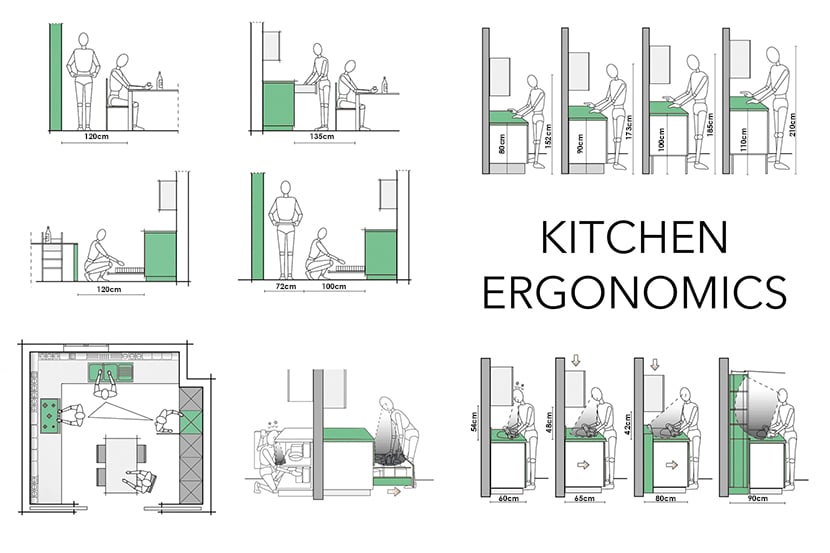
Imagine transforming your kitchen into a space where you feel effortlessly comfortable and incredibly efficient. That’s the magic of ergonomics in kitchen design.
You might not realize it, but the layout and design of your kitchen can significantly impact how you feel and function while cooking, cleaning, or even just grabbing a snack. Have you ever felt frustrated when reaching for a pot that’s too high up or found yourself awkwardly stretching to get a utensil?
These little annoyances can add up, making your time in the kitchen less enjoyable. But what if there was a way to eliminate these inconveniences and make your kitchen work for you? By understanding and applying ergonomic principles, you can redesign your kitchen to suit your needs perfectly. You’ll discover how minor adjustments can lead to big improvements in comfort and efficiency. Curious to learn how to create a kitchen that feels custom-made just for you? Keep reading to uncover the secrets of ergonomic kitchen design and see how it can transform your daily routine.
Credit: www.kuche7.com
Ergonomics Principles
Ergonomics in kitchen design focuses on creating a comfortable and efficient space. It ensures that everything is within easy reach. This approach helps reduce strain and enhances the cooking experience.
Ergonomics in kitchen design is all about creating a space where functionality meets comfort. It’s not just about aesthetics; it’s about how you can work efficiently and safely in your kitchen. Understanding the principles of ergonomics can transform your cooking experience. Imagine a kitchen where everything you need is at arm’s length, reducing strain and enhancing productivity. How can these principles make your daily kitchen tasks smoother? Let’s dive into some key ergonomic principles that can make a real difference in your culinary space.Understanding The Work Triangle
The work triangle is an essential concept in kitchen ergonomics. It involves the strategic placement of the stove, refrigerator, and sink. Ideally, these should form a triangle, minimizing unnecessary movements. This layout reduces the steps you take while cooking, making your workflow more efficient. Have you ever found yourself rushing between these three points? A well-designed work triangle can alleviate this hassle.Height Matters
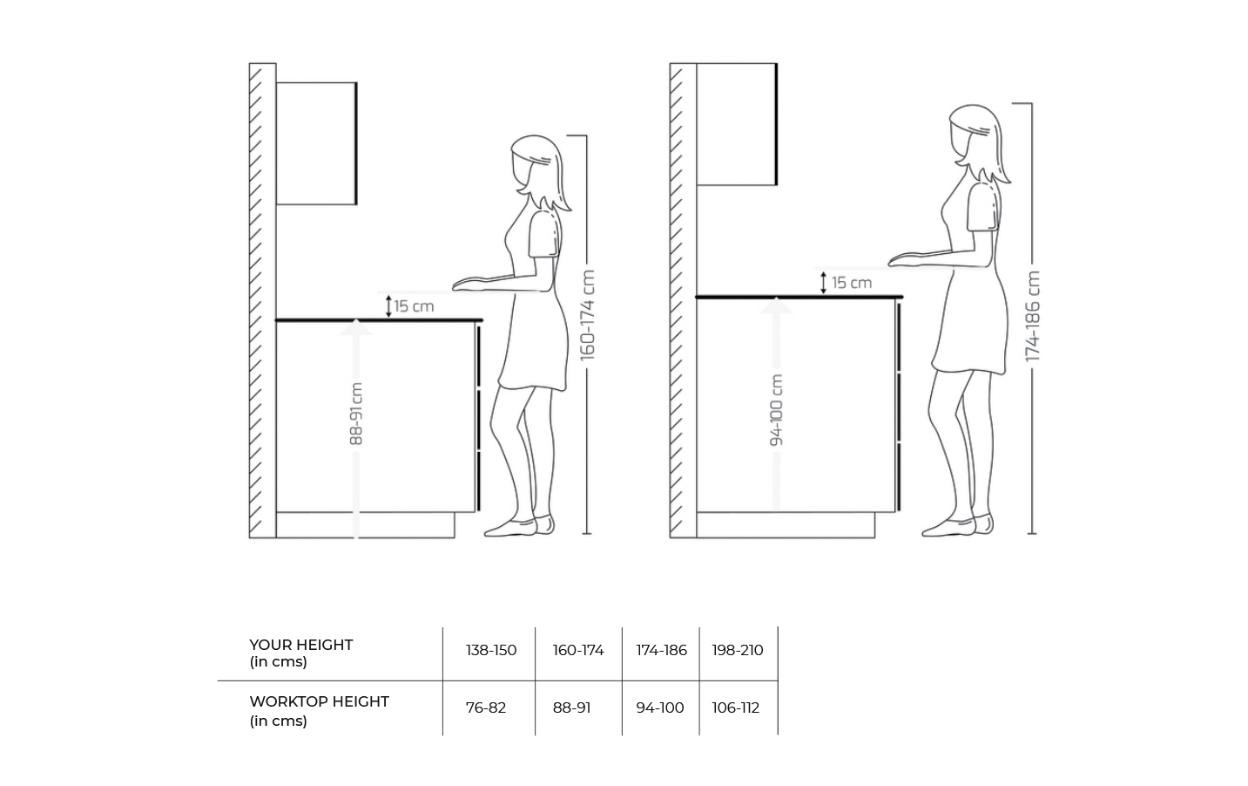
Height is a crucial factor in ergonomic design. Countertops should be at a comfortable level to avoid bending or stretching. Adjustable counters can cater to different heights, offering flexibility. This setup can save your back from unnecessary strain. Have you considered how a simple adjustment could impact your posture?Easy Access Storage
Easy access to storage can revolutionize your kitchen experience. Arrange your cabinets so frequently used items are within reach. Avoid the need to climb or stretch awkwardly. Pull-out shelves and lazy Susans can enhance accessibility, making cooking more enjoyable. Are your everyday kitchen essentials conveniently placed? Proper lighting is not just about ambiance; it’s essential for safety and efficiency. Ensure your kitchen is well-lit, with focused lights on work areas. Adequate lighting reduces eye strain and helps you see what you’re doing clearly. Consider how improved visibility can enhance your culinary skills.Comfortable Flooring
Think about the time you spend standing in the kitchen. Comfortable flooring can reduce fatigue. Materials like cork or rubber provide cushioning, making long cooking sessions less tiring. Are your feet thanking you at the end of your culinary adventures? By applying these ergonomic principles, your kitchen can become a space that truly serves your needs. It’s about creating a harmonious environment where you feel at ease while preparing meals. How can you adjust your kitchen today to make it more ergonomic?Kitchen Layouts
Understanding kitchen layouts is vital in ergonomic design. The layout determines how efficiently you can use the space. A well-planned kitchen minimizes movement and maximizes comfort. Let’s explore some key concepts that enhance kitchen ergonomics.
Work Triangle Concept
The work triangle connects the stove, sink, and refrigerator. These are the kitchen’s primary work areas. The idea is to minimize the distance between them. This reduces unnecessary steps and increases efficiency. Ideally, the sides of the triangle should add up to 15-25 feet. This ensures smooth movement between tasks.
Zoning For Efficiency
Zoning organizes the kitchen into specific areas. Each zone has a dedicated purpose. Common zones include food storage, preparation, and cooking. This organization helps in keeping tasks streamlined. It allows for easy access to tools and ingredients. Proper zoning enhances the kitchen’s functionality and comfort.
Countertop Heights
When designing a kitchen, countertop heights play a crucial role in ensuring comfort and efficiency. If you’ve ever cooked for hours and ended up with a sore back, you know how important this is. Proper countertop heights can make all the difference in your kitchen experience. Let’s dive into the essential aspects of countertop heights in ergonomic kitchen design.
Standard Measurements
Standard countertop heights typically range from 36 to 42 inches. This measurement often caters to the average height, providing a comfortable space for meal prep and cooking.
Think about your own kitchen habits. Do you spend a lot of time chopping vegetables? A countertop height around 36 inches might be perfect for you, allowing you to work without straining your back.
However, if you’re taller or shorter than average, these standard measurements might not be ideal. Consider your daily routine and how these heights fit into your comfort zone.
Adjustable Solutions
Adjustable solutions offer flexibility and customization. Imagine a countertop that can be raised or lowered according to your needs. Sounds like a dream, right?
This option is great for multi-user kitchens. If your partner is taller, adjustable countertops can accommodate both of you, enhancing your kitchen experience.
Installing adjustable countertops can be a game-changer. They cater to your specific needs, ensuring comfort and efficiency. Is your kitchen ready for this innovative upgrade?
In essence, choosing the right countertop height impacts your kitchen’s functionality and your comfort. Whether you opt for standard measurements or adjustable solutions, ensure they fit your lifestyle and physical needs.
Cabinet And Storage Design
Ergonomics in kitchen design is essential for creating a space that not only looks good but is also comfortable and efficient to use. A key component of this is cabinet and storage design. Have you ever found yourself stretching awkwardly to reach a pot or pan? Or perhaps you’ve rummaged through cluttered cabinets for that elusive spice jar? Effective cabinet and storage solutions can transform your kitchen experience, making cooking less of a chore and more of a joy.
Accessible Shelving
Accessible shelving is all about ease and convenience. Position shelves at eye level to avoid unnecessary bending or stretching. This simple adjustment can save you time and discomfort.
Consider using open shelving for frequently used items. It keeps everything within easy reach and adds a modern touch to your kitchen. Plus, it encourages you to keep the space tidy since everything is on display.
Adjustable shelves can also be a game-changer. They allow you to tailor the space to fit your needs. Whether storing tall bottles or flat trays, adjustable shelving adapts to your lifestyle.
Pull-out Systems
Pull-out systems bring items to you instead of you reaching for them. These systems are perfect for deep cabinets where items can get lost in the back. Imagine effortlessly sliding out a shelf to access pots and pans, rather than digging through a dark cabinet.
Pull-out spice racks and pantry shelves are particularly useful. They keep everything organized and visible, ensuring you don’t buy duplicates of what you already have. It’s a small change that can make meal prep smoother and more efficient.
Installing pull-out trash bins is another smart move. This design keeps waste out of sight but easy to access. It’s a subtle upgrade that enhances both hygiene and aesthetics in your kitchen.
Have you thought about how these design choices can improve your daily routine? Small tweaks can lead to big improvements in how you interact with your kitchen. Consider what changes could make your space more ergonomic and enjoyable.
Appliance Placement
Appliance placement is crucial in kitchen ergonomics. Proper placement enhances efficiency and reduces unnecessary movement. It ensures tasks are completed smoothly, minimizing physical strain.
Proximity Considerations
Think about how close appliances are to each other. Place the refrigerator near the food prep area. This reduces time spent walking back and forth. Position the stove near the sink. It helps in easy transfer of pots and pans. Keep the dishwasher close to the sink. This simplifies loading and unloading dishes.
Consider the workflow in your kitchen. Arrange appliances based on frequent tasks. This ensures that everything is within reach. It saves time and effort.
User-friendly Interfaces
Choose appliances with easy-to-use controls. Ensure buttons and knobs are intuitive. This makes operation simple and hassle-free. Look for clear displays and easy-to-read labels. This helps users with varying levels of experience.
Opt for appliances with comfortable handle designs. Easy grip handles reduce strain on wrists. Ensure doors open easily without requiring excessive force.
Consider appliances that offer programmable settings. These allow customization for frequent tasks. They make daily routines more efficient.
Lighting And Visibility
Lighting and visibility are crucial in kitchen design ergonomics. Proper lighting enhances safety and efficiency. It ensures that tasks are completed without strain or error. A well-lit kitchen also creates a warm and inviting atmosphere. Good visibility is essential for both functionality and aesthetics.
Task Lighting Importance
Task lighting is vital for focused activities. It illuminates specific work areas like countertops and stoves. This lighting reduces eye strain and improves precision. Under-cabinet lights are popular for task lighting. They provide direct light where it’s most needed. Adjustable task lights offer flexibility in different tasks.
Natural Light Integration
Natural light is an excellent source of illumination. It creates a pleasant ambiance and reduces electricity use. Windows and skylights are ideal for letting in natural light. They make the kitchen feel open and airy. Use sheer curtains to diffuse sunlight gently. Mirrors can reflect natural light to brighten the space further.
Flooring And Movement
Ergonomics in kitchen design enhances comfort and efficiency. Thoughtful flooring choices support smooth movement. Well-planned layouts reduce strain and improve access to essentials.
Designing an ergonomic kitchen involves more than just choosing cabinets and countertops. Flooring and movement play a crucial role in ensuring your kitchen is a safe and efficient space. The right flooring can prevent accidents, while thoughtful layout planning can make cooking a joy rather than a chore.Non-slip Surfaces
Choosing non-slip flooring is essential for kitchen safety. Kitchens are prone to spills, and slipping can lead to serious injuries. Consider materials like textured tiles, vinyl, or rubber flooring, which offer excellent grip even when wet. Imagine the peace of mind knowing that your kitchen floor is safe for everyone, from energetic kids to elderly family members. Investing in non-slip surfaces is a simple step that can prevent accidents and make your kitchen a welcoming place for all.Clear Pathways
Creating clear pathways in your kitchen promotes smooth and efficient movement. A well-thought-out layout reduces the risk of tripping and makes it easier to navigate when carrying hot dishes or heavy pots. Think about how often you move between the stove, sink, and refrigerator. This is known as the “kitchen triangle,” and maintaining unobstructed paths here can enhance your cooking experience. Are there any obstacles in your kitchen that often get in the way? Consider rearranging them to create a more streamlined space. Clear pathways not only enhance safety but also contribute to a more enjoyable cooking environment. These small adjustments in flooring and movement can make a significant difference in your kitchen’s functionality. Prioritize these aspects, and you’ll find your kitchen becomes a more efficient and enjoyable space to cook and gather.
Credit: ergochef.com
Seating And Dining Areas
Ergonomics in kitchen design enhances comfort and efficiency. Proper seating and dining areas reduce strain and improve posture. Thoughtful layout fosters a more enjoyable cooking and dining experience.
Seating and dining areas in kitchen design are more than just places to sit and eat. They serve as the heart of social gatherings and family bonding. Ergonomics plays a vital role in ensuring these areas are both functional and comfortable.Comfortable Arrangements
Comfort is key to enjoying meals and conversations. Consider the height of your dining chairs and table. Are they suitable for all members of your household? The right seating arrangement can make or break the dining experience. Think about how your guests interact. Do chairs allow easy conversation, or do they feel isolated? Invest in cushions that offer support. A well-padded seat can encourage longer stays at the table, enhancing social interactions.Space Optimization
A cluttered space can feel overwhelming. Look at your dining area. Is there room to move around comfortably? Measure your available space. This helps in choosing the right table size to fit your area. A round table might work better in tighter spaces. You can also use foldable furniture. It allows more flexibility and keeps the space open when not in use. Consider storage solutions. Built-in benches with storage underneath can keep your dining area tidy. Think about how you use your dining space. Is it mainly for meals, or do you also work there? This can guide your design choices. How can you make your seating and dining areas more inviting? Small changes can greatly impact comfort and efficiency, making your kitchen a hub of joy and connection.Ergonomic Tools And Accessories
Ergonomic tools and accessories enhance kitchen comfort and efficiency. They help reduce strain during cooking and cleaning tasks. With thoughtful design, these items make daily activities easier and more enjoyable.
Supportive Utensils
Supportive utensils are designed with comfort in mind. Their handles are easy to grip. They reduce stress on fingers and wrists. Some utensils have weighted handles. This balance aids control and precision. Non-slip surfaces prevent accidents. These utensils make cooking safer and more comfortable.
Efficient Gadgets
Efficient gadgets simplify kitchen tasks. They save time and energy. Electric can openers reduce hand strain. Chopping devices speed up meal prep. Adjustable measuring tools ensure accuracy. Multi-functional gadgets combine tasks. This reduces clutter and increases efficiency. Smart designs make cooking more enjoyable.
Future Trends
Ergonomics in kitchen design focuses on creating spaces that enhance comfort and efficiency. It considers the placement of appliances and work surfaces to minimize strain and maximize convenience. This trend aims to make cooking and meal preparation easier and more enjoyable for everyone.
In the world of kitchen design, the concept of ergonomics is evolving rapidly, shaping how we interact with our cooking spaces. As technology and environmental consciousness become more integral to our daily lives, kitchen design must adapt to meet these changing needs. This evolution is not just about aesthetics; it’s about creating spaces that make cooking easier, more efficient, and kinder to the planet. Let’s dive into some exciting future trends that are set to redefine kitchen ergonomics.Smart Kitchen Innovations
Imagine waking up to the smell of freshly brewed coffee, prepared without lifting a finger. Smart kitchens are making this a reality. These innovations include appliances that connect to your smartphone, allowing you to control your kitchen remotely. You can preheat your oven on your way home, saving time and energy. Voice-activated assistants can provide recipe suggestions, helping you whip up meals with ease. Smart fridges can even track your inventory and suggest grocery lists. Integrating these technologies can streamline your cooking process, making it more enjoyable and efficient. How would you like your kitchen to serve you better?Sustainable Practices
The future of kitchen design is also about sustainability. With growing concerns about the environment, more homeowners are seeking eco-friendly solutions. Using materials like bamboo or recycled glass for countertops not only reduces your carbon footprint but also adds a unique touch to your kitchen. Energy-efficient appliances are another trend gaining traction. They consume less power, saving you money on utility bills and helping the environment. You could also consider installing a composting system for organic waste. These practices not only help the planet but also create a healthier living space for you and your family. Are you ready to make your kitchen a pioneer of sustainability?
Credit: www.pinterest.com
Frequently Asked Questions
What Does Ergonomics Mean In The Kitchen?
Ergonomics in the kitchen means designing spaces for comfort, efficiency, and safety. It involves optimal countertop heights, accessible storage, and minimizing repetitive movements. Proper ergonomics reduce physical strain and enhance productivity, creating a user-friendly environment. Consider layout, lighting, and appliance placement to ensure ease of use and functionality.
What Is Ergonomic Kitchen Design?
Ergonomic kitchen design optimizes layout for efficiency and comfort. It reduces strain by positioning appliances and workspaces within easy reach. This design enhances workflow, prioritizing user-friendly elements and accessibility. The goal is to minimize unnecessary movements and improve functionality, creating a more comfortable cooking environment.
What Do You Mean By Ergonomics In Design?
Ergonomics in design focuses on creating products that prioritize user comfort, efficiency, and safety. It involves understanding human interactions and designing tools, furniture, or environments that minimize discomfort and enhance usability. Effective ergonomic design reduces strain and improves overall user experience, ensuring products fit well with human needs and capabilities.
What Are The Ergonomic Issues In The Kitchen?
Kitchen ergonomic issues include poor countertop height, inadequate lighting, and insufficient storage. Reaching for high shelves can strain muscles. Prolonged standing without support can cause fatigue. Uncomfortable seating and awkward work triangle arrangements hinder efficiency. Proper design and adjustable features enhance comfort and safety.
Conclusion
Creating an ergonomic kitchen design is essential for comfort and efficiency. It helps reduce strain and enhances usability. Think about the placement of appliances and tools. Make sure everything is easy to reach and use. Choose adjustable furniture to fit various needs.
Prioritize safety with slip-resistant flooring and proper lighting. Remember, a well-designed kitchen can make cooking more enjoyable. It also supports health by minimizing physical stress. Ergonomics in kitchen design is about smart planning. So, focus on functional and user-friendly spaces.
This can transform your cooking experience into a smoother process.