Imagine walking into your kitchen, ready to prepare a delicious meal. You open the cupboards and pull out ingredients, all while feeling assured that your workspace is spotless and safe.
But how can you be sure? This is where cleaning and sanitizing come into play. These two processes are crucial in maintaining a hygienic kitchen, ensuring that you and your loved ones enjoy meals free from harmful bacteria and germs.
You’ll discover the difference between cleaning and sanitizing, why both are essential, and how you can easily incorporate them into your daily kitchen routine. By understanding these practices, you’ll not only enhance the safety of your cooking environment but also gain peace of mind. So, if you’re eager to uncover the secrets of a truly clean kitchen, keep reading. Your culinary sanctuary awaits transformation!

Credit: maggymaid.com
Difference Between Cleaning And Sanitizing
Cleaning removes dirt and food particles from kitchen surfaces. Sanitizing kills germs and bacteria, providing a safer environment. Both are crucial for maintaining a hygienic kitchen.
Understanding the difference between cleaning and sanitizing in your kitchen is crucial for maintaining a healthy environment. You might think they’re the same, but they’re distinct processes with unique purposes. Cleaning removes dirt and grime, while sanitizing tackles the invisible bacteria and germs lurking on surfaces.What Does Cleaning Entail?
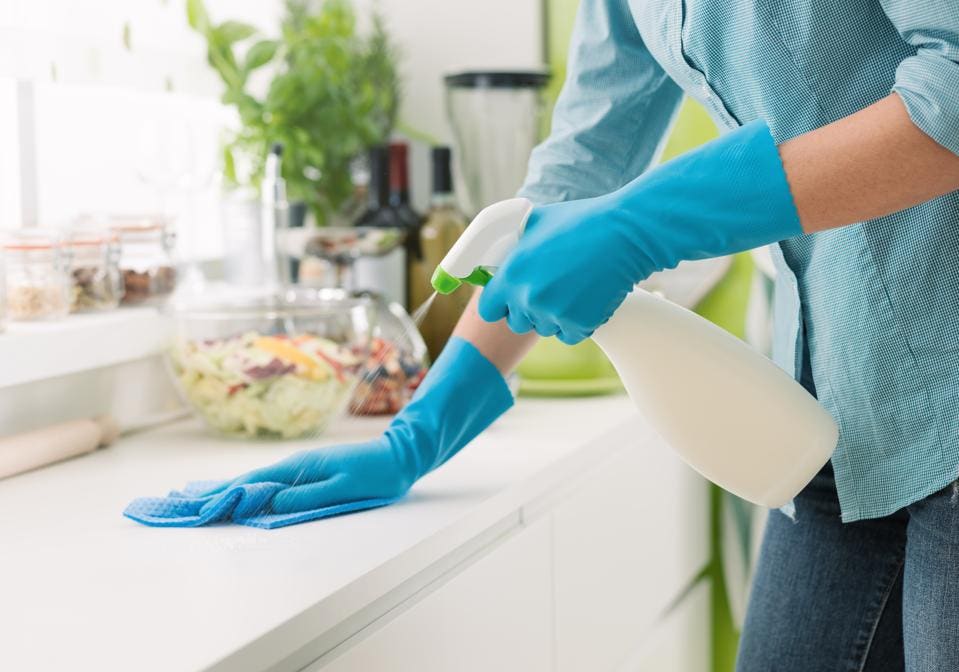
Cleaning is all about the visible stuff. Think food particles on countertops or grease on stovetops. You often use soap, detergent, or other cleaning agents paired with water to tackle these. Consider this: when you wipe the kitchen counter after preparing a meal, you’re cleaning. You’re dealing with the food spills, crumbs, and any other visible mess.How Does Sanitizing Differ?
Sanitizing goes beyond what you can see. It’s about reducing the bacteria and germs that can cause illness. This process typically involves using chemical solutions like bleach or alcohol-based products. Imagine after cleaning the counter, you apply a sanitizer to kill any germs left behind. You can’t see them, but they can affect your health. This step is crucial after handling raw meat or eggs.Why Both Are Necessary?
Both cleaning and sanitizing are essential for a safe kitchen. Cleaning alone might leave harmful bacteria behind. Sanitizing without cleaning first is less effective, as dirt can block sanitizers from reaching germs. Think about the last time you had a stomach bug. Could it have been avoided by better kitchen hygiene? These two steps ensure your kitchen is truly clean and safe.How Can You Implement These Practices?
Start by setting a routine. After every meal, clean surfaces to remove visible dirt. Follow up with a sanitizer, especially after handling raw foods. Make it a habit, and you’ll notice a healthier kitchen environment. Do you often rush through these tasks? Slow down and focus on both steps. Your health is worth the time investment.Your Turn: Assess Your Kitchen Habits
Are you confident that your kitchen practices are up to par? Take a moment to evaluate your habits. Are you cleaning and sanitizing consistently? By being proactive, you can prevent potential health risks. You have the power to ensure your kitchen is a safe space for you and your family. Are you ready to make the necessary changes for a healthier home?:max_bytes(150000):strip_icc()/__opt__aboutcom__coeus__resources__content_migration__serious_eats__seriouseats.com__2020__04__20200401-sanitize-kitchen-cleaning-countertop-shutterstock-7e30a7536ca949e5a57e968d28460ab9.jpg)
Credit: www.seriouseats.com
Importance Of Kitchen Hygiene
Kitchen hygiene is crucial for health and safety. It prevents foodborne illnesses. A clean kitchen also makes cooking more enjoyable. It ensures that food remains fresh and uncontaminated. Regular cleaning and sanitizing reduce the risk of harmful bacteria.
Ignoring kitchen hygiene can lead to serious health issues. Many bacteria thrive in dirty environments. These can cause stomach problems and infections. Keeping the kitchen clean protects your family.
Reduces Risk Of Illness
Cleaning and sanitizing kill germs. It stops bacteria from spreading. This reduces the chance of getting sick. Food poisoning is a common result of poor hygiene. Proper cleaning makes your food safe to eat.
Ensures Safe Food Preparation
Safe food preparation starts with a clean kitchen. Sanitizing surfaces prevents cross-contamination. This ensures ingredients are safe to use. Clean utensils and surfaces protect against harmful bacteria.
Improves Kitchen Efficiency
A tidy kitchen boosts efficiency. It makes cooking faster and easier. You find tools and ingredients quickly. A clean workspace helps you focus on cooking. It also reduces stress during meal preparation.
Enhances Food Taste And Quality
Hygiene affects food taste and quality. Dirty surfaces can spoil fresh produce. Clean kitchens enhance flavors. They keep ingredients fresh and tasty. Proper sanitation preserves food quality.
Steps For Effective Cleaning
Cleaning and sanitizing in the kitchen removes dirt and germs from surfaces. First, clean with soap and water. Then, sanitize using a disinfectant. This two-step process ensures a healthy cooking environment by reducing bacteria and viruses. Regular practice keeps your kitchen safe and hygienic.
Cleaning and sanitizing the kitchen is crucial. It prevents germs and keeps food safe. Effective cleaning requires the right steps. These steps ensure thoroughness and hygiene. Let’s explore the best practices for a spotless kitchen.Choosing The Right Cleaning Products
Select cleaning products wisely. Not all products are equal. Some are better for specific surfaces. Read labels carefully. Look for antibacterial properties. These kill germs effectively. Consider eco-friendly options. They are safer for the environment. Choose products free from harsh chemicals. Your health is important.Proper Techniques For Cleaning Surfaces
Use the right techniques for cleaning. Start with dry wiping. Remove loose dirt and crumbs. Next, apply cleaning solutions. Use a damp cloth or sponge. Scrub in circular motions. This removes stubborn stains. For countertops, focus on edges and corners. These spots collect grime. Rinse surfaces with clean water. This removes residue. Dry with a clean towel. Prevents water spots and streaks.Sanitizing Methods
Cleaning and sanitizing in the kitchen ensures a safe environment by removing dirt and reducing germs. Proper methods include washing surfaces with soap and water, followed by applying a disinfectant. This two-step process helps maintain hygiene and prevent foodborne illnesses.
Regular practice is key for a healthy kitchen.
In the kitchen, keeping your space clean and safe involves more than just wiping counters. Cleaning removes dirt and grime, but sanitizing goes a step further, ensuring harmful bacteria and viruses are reduced to safe levels. Different methods can be used to achieve this, each with its advantages. Let’s delve into some practical sanitizing methods you can apply in your own kitchen.Chemical Sanitizers
Chemical sanitizers are a popular choice for many kitchens due to their effectiveness. They are easy to find in stores and can quickly kill a wide range of germs. Common options include bleach solutions, quaternary ammonium compounds, and iodine-based sanitizers. Remember to follow the instructions on the label closely. Using too much can be harmful, while too little might not sanitize effectively. Ensure surfaces are rinsed thoroughly after sanitizing to prevent chemical residues. Have you ever wondered why restaurants always seem so clean? Many use chemical sanitizers daily to keep their kitchens in tip-top shape. Consider adopting this practice in your home for peace of mind.Natural Sanitizing Options
If you prefer a more natural approach, there are effective options available. Vinegar, for example, is excellent for sanitizing surfaces. Its acidity helps to kill bacteria, and it’s a staple you probably already have in your pantry. Lemon juice is another natural sanitizer. Its high acidity can disinfect surfaces and leave a fresh scent. Simply cut a lemon in half and rub it on the surfaces you wish to sanitize. Essential oils like tea tree and lavender also possess antimicrobial properties. Mix a few drops with water to create a natural spray. This could be a great alternative if you’re sensitive to chemical smells. Which method suits your lifestyle best? Whether you choose chemical sanitizers or natural options, the key is consistency. Make sanitizing a regular part of your kitchen routine for a healthier environment.Common Kitchen Germs
Kitchen germs like E. coli and salmonella can thrive on countertops and utensils. Cleaning removes dirt, while sanitizing kills harmful bacteria, ensuring a safe cooking environment. Regularly washing surfaces and tools helps prevent foodborne illnesses, keeping your kitchen hygienic and healthy.
When you step into your kitchen to whip up a meal, you may not be thinking about the tiny invaders lurking on your counters and utensils. Yet, common kitchen germs can pose serious risks to your health. Understanding these germs and knowing how to effectively clean and sanitize your kitchen is crucial for a safe cooking environment.Identifying Harmful Bacteria
Do you know what bacteria are hiding in your kitchen? Salmonella, E. coli, and Listeria are just a few of the culprits that thrive in kitchen spaces. These bacteria can cause food poisoning, making you feel miserable for days. Consider this: a simple spill of raw chicken juice can harbor Salmonella. If left unchecked, it can spread to other surfaces. Always be vigilant about cleanliness, especially after handling raw meats. Use antibacterial wipes or sprays to keep those surfaces free of harmful bacteria.Preventing Cross-contamination
Cross-contamination is a sneaky way bacteria spread in your kitchen. Picture this: you chop vegetables right after slicing raw chicken, using the same cutting board. This simple mistake can transfer bacteria from raw meat to your fresh produce. To prevent this, always use separate cutting boards for meat and vegetables. If that’s not possible, wash your cutting board thoroughly between uses. Have you ever considered color-coding your kitchen tools? It’s a simple yet effective way to keep track of what is safe for each food type. Remember, a clean kitchen is more than just spotless countertops. It’s about knowing where germs hide and taking steps to stop them in their tracks. Your health, and the health of those you cook for, depends on it. Are you ready to make your kitchen a safer place?Best Practices For Kitchen Safety
Ensuring kitchen safety is crucial for health and well-being. Effective cleaning and sanitizing prevent foodborne illnesses. A clean kitchen also enhances food flavor and quality. Following best practices ensures a safe cooking environment.
Regular Cleaning Schedule
Create a cleaning schedule to maintain kitchen hygiene. Clean countertops and surfaces daily. Wipe spills immediately to prevent bacteria growth. Weekly, deep clean appliances like ovens and microwaves. Regularly clean kitchen floors to avoid dirt buildup. A set schedule prevents overwhelming tasks and promotes consistency.
Maintaining A Clean Environment
Keep the kitchen clutter-free to reduce contamination risk. Store food properly in sealed containers. Ensure the refrigerator is set to the correct temperature. Regularly check for expired items to avoid spoilage. Clean utensils and cutting boards after each use. Use separate boards for raw meat and vegetables. This practice minimizes cross-contamination.
Tools For Cleaning And Sanitizing
Cleaning and sanitizing in the kitchen require the right tools. With the correct equipment, you ensure a safe and healthy cooking space. Each tool plays a vital role in maintaining cleanliness.
Essential Cleaning Equipment
Sponges and scrubbers are basic yet important. They help scrub off stubborn food particles. Dishcloths and towels come next. These are ideal for wiping surfaces dry. Mops and brooms are perfect for floors. They sweep away dirt and grime efficiently. Brushes of different sizes tackle corners and crevices. Each brush serves a unique purpose. Buckets and basins hold water and cleaning solutions. These tools make cleaning organized and efficient.
Choosing Effective Sanitizing Tools
Sanitizing tools are equally essential. Spray bottles are a must. Fill them with sanitizing solutions for easy application. Disinfectant wipes are convenient for quick cleans. They are handy for wiping down counters and appliances. Steam cleaners use heat to kill germs. They are effective for deep sanitizing. UV sanitizers are advanced tools. They use light to eliminate bacteria. Choose tools that suit your kitchen’s needs. A clean kitchen leads to a healthy home.

Credit: www.youtube.com
Frequently Asked Questions
What Is Cleaning And Sanitizing In The Kitchen?
Cleaning removes dirt and food residue from surfaces. Sanitizing reduces bacteria and viruses to safe levels. Both are essential for maintaining a hygienic kitchen environment. Use appropriate cleaning agents and techniques for effective results. Regular cleaning and sanitizing prevent contamination and ensure food safety in the kitchen.
What Is The Correct Cleaning And Sanitizing?
Cleaning removes dirt and germs from surfaces using soap and water. Sanitizing reduces germs to safe levels using chemical solutions or heat. Always clean before sanitizing for effective results. Follow product instructions carefully to ensure proper sanitation. Regular cleaning and sanitizing prevent contamination and maintain a healthy environment.
What Is An Example Of Cleaning And Sanitizing?
Cleaning involves wiping surfaces with soap and water. Sanitizing reduces germs using disinfectants. For example, clean a kitchen counter with soap, then sanitize with a bleach solution.
What Are The 5 Steps Of Cleaning And Sanitizing?
Cleaning and sanitizing involve five key steps: Pre-clean surfaces to remove debris. Wash with detergent and water. Rinse thoroughly with clean water. Apply an appropriate sanitizer. Allow surfaces to air dry completely. These steps ensure effective removal of dirt and bacteria, maintaining hygiene and safety standards.
Conclusion
Keeping the kitchen clean and sanitized is crucial. It prevents harmful bacteria. Protects your loved ones from foodborne illnesses. Clean surfaces regularly with soap and water. Use a sanitizer to kill germs. Focus on high-touch areas like counters and handles.
Don’t forget cutting boards and utensils. Proper cleaning extends the life of kitchen tools. It ensures a safe cooking environment. Consistent practices lead to healthier meals. Simplify your routine for better results. Make cleanliness a daily habit. Your kitchen will be a safer place.
Enjoy cooking with peace of mind.