Do you ever find yourself standing in your kitchen, surrounded by gadgets, and still feeling like you’re missing the essential tools to make cooking a breeze? You’re not alone.
Many of us stock our kitchens with trendy gadgets, only to realize we’re not using them. The real secret to culinary success lies in just a handful of indispensable tools. We’ll uncover the five kitchen tools that transform cooking from a chore into a joy.
These essentials streamline your process, enhance your skills, and make every meal taste better. Curious to find out what they are? Keep reading, and you’ll discover how these tools can revolutionize your kitchen experience.
Chef’s Knife
When you think of essential kitchen tools, the chef’s knife probably tops the list. It’s not just a blade; it’s your culinary companion. This versatile tool can make or break your cooking experience. Imagine slicing through a ripe tomato effortlessly or chopping herbs with precision. A great chef’s knife is like an extension of your hand, empowering you to create magic in the kitchen.
Choosing The Right Blade
Your journey with a chef’s knife begins with choosing the right blade. A well-balanced knife can transform cooking into a joyful experience. Look for a blade made of high-carbon stainless steel. It’s durable and stays sharp longer. Consider the size too; an 8-inch blade is a popular choice for its versatility.
Test the grip before you buy. A comfortable handle ensures control and reduces fatigue. If possible, visit a store to feel the knife in your hand. Your knife should feel like a natural extension of your arm. Ask yourself: Does it feel balanced? Is the grip secure?
Caring For Your Knife
Maintaining your chef’s knife is crucial for longevity. Always hand wash your knife with warm, soapy water. Avoid the dishwasher; it can dull the blade over time. Dry it immediately to prevent rust.
Regular sharpening is essential. A sharp knife ensures safety and efficiency. Use a sharpening stone or professional service every few months. Honing should be part of your routine; it aligns the blade edge, keeping it sharp between uses.
Essential Techniques
Mastering knife skills elevates your cooking. Start with basic techniques like chopping, slicing, and dicing. Practice makes perfect, so don’t be afraid to spend time honing your skills. Proper grip and motion are key to precision.
Use the rocking motion for chopping herbs or garlic. It’s efficient and keeps your fingers safe. For slicing, let the knife do the work. Gliding through ingredients with ease is a sign of good technique. Have you tried mincing onions without tears? A sharp knife can make a world of difference.
Remember, your chef’s knife is a powerful tool. Treat it with respect, and it will reward you with years of culinary delight. What’s your favorite recipe to make when your knife is freshly sharpened?
Credit: shriandsam.com
Cutting Board
A cutting board is essential in any kitchen. It provides a safe surface for chopping vegetables and meat. Among the top five kitchen tools, a cutting board stands out for its versatility and durability. It helps keep countertops clean and prevents knife damage.
When you think about essential kitchen tools, the cutting board is a must-have. It’s the silent hero in your kitchen, providing a sturdy surface for all your slicing, dicing, and chopping tasks. But did you know that choosing the right cutting board can make a difference in your cooking experience and even your health? Let’s dive into what you should consider when selecting and maintaining your cutting board.Material Options
Cutting boards come in a variety of materials, each with its benefits and drawbacks. Wooden boards are popular for their natural aesthetic and durability. They’re gentle on your knives and can last for years with proper care. However, they can be a bit more challenging to clean. Plastic boards are lightweight and dishwasher safe, making them convenient for everyday use. They’re less likely to harbor bacteria, but they can scar easily, which may eventually require replacement. Bamboo boards offer an eco-friendly option, known for being harder than most woods, but they may dull your knives over time.Maintenance Tips
Keeping your cutting board in top shape is simpler than you might think. For wooden boards, you’ll want to oil them regularly. Use mineral oil to keep the wood hydrated and prevent cracking. Make it a habit to oil your board every few weeks for best results. Plastic boards are low-maintenance, but they do need occasional deep cleaning. A quick run in the dishwasher is usually sufficient, but consider a vinegar soak for extra sanitation. Bamboo boards require less oiling than wood but still need occasional treatment to remain in good condition.Hygiene Practices
Cutting board hygiene is crucial for safe cooking. Are you using different boards for raw meat and vegetables? If not, you might be risking cross-contamination. Designate separate boards for different food types to reduce this risk. Cleaning your cutting board after each use is a must. Use hot, soapy water and scrub thoroughly. For an added layer of cleanliness, consider a vinegar or bleach solution. Remember, a clean board is a safe board. Selecting the right cutting board involves more than just choosing the right material. It’s about maintaining it well and practicing good hygiene. So, next time you’re prepping a meal, think about your cutting board choices. Are they serving you well?Measuring Cups And Spoons
Essential in every kitchen, measuring cups and spoons ensure precise ingredient quantities for perfect recipes. These tools help maintain consistency in cooking and baking, making them indispensable for any culinary enthusiast. Accurate measurements are key to delicious and successful dishes every time.
Measuring cups and spoons are essential kitchen tools that can make or break your cooking and baking experiences. They ensure that each ingredient is added in the right amount, keeping your recipes precise and consistent. Imagine trying to bake a cake without them—would you risk guessing the amount of flour or sugar? These handy tools are your culinary allies, helping you replicate your favorite dishes time and again with the same perfect taste.Types And Uses
Measuring cups and spoons come in various types, usually made of plastic, metal, or glass. Each material has its benefits; metal is durable, plastic is lightweight, and glass is easy to clean. They typically include a set of different sizes for both dry and liquid ingredients. Think of them as your secret weapon—whether you’re measuring a teaspoon of vanilla for cookies or a cup of milk for pancakes, the right set can make all the difference.Accuracy In Measurement
Accuracy is key when it comes to cooking and baking. Using measuring cups and spoons ensures your recipe’s success by providing precise amounts. A heaping tablespoon of salt can turn a savory dish unpalatable, while too little flour can make your cake fall flat. Have you ever noticed how professional chefs always rely on exact measurements? This is your chance to cook like a pro, one teaspoon at a time.Storage Solutions
Storing your measuring cups and spoons can be as simple or creative as you like. Keep them nested in a drawer for easy access, or hang them on hooks to save space. Some people find joy in organizing their kitchen tools by color or size. How do you store yours? Finding a method that suits your kitchen’s layout can save time and keep you organized. Measuring cups and spoons are more than just tools—they’re a gateway to culinary success. With so many types and a focus on accuracy, they help you bring your favorite recipes to life. And with the right storage solutions, they can enhance the efficiency and aesthetics of your kitchen space.
Credit: www.foodboozeandbaggage.com
Non-stick Skillet
A non-stick skillet is essential for easy cooking and cleaning. It pairs well with spatulas, measuring cups, mixing bowls, cutting boards, and food processors, making everyday cooking simpler and more efficient.
Imagine cooking a perfectly golden pancake that slides effortlessly onto your plate. That’s the magic of a non-stick skillet. This kitchen tool is a favorite among cooks for its ability to prevent food from sticking, making cleanup a breeze. But there’s more to choosing and using a non-stick skillet than meets the eye.Selecting The Right Skillet
Choosing the perfect non-stick skillet is crucial for your cooking success. Look for materials like hard-anodized aluminum or ceramic. These ensure even heat distribution and durability. Size matters too. A 10-inch skillet is versatile enough for everyday use, while a smaller one is ideal for omelets and side dishes. Consider the handle. A comfortable grip can make cooking more enjoyable. Opt for a skillet with a heat-resistant handle to prevent burns. Have you checked if it’s oven-safe? Some dishes benefit from finishing in the oven.Cooking Techniques
Mastering cooking techniques can elevate your culinary skills. Heat your skillet before adding any food. This prevents sticking and ensures a crispy finish. Use medium heat. High heat can damage the non-stick surface over time. Stir with silicone or wooden utensils. Metal can scratch the coating. Ever tried frying eggs without oil? A non-stick skillet makes it possible, and you’ll love the healthier result. Experiment with different recipes. Non-stick skillets excel at delicate tasks like flipping crepes or searing fish.Extending Skillet Life
Taking care of your non-stick skillet prolongs its lifespan. Avoid the dishwasher. Hand washing with mild soap keeps the surface intact. Never use abrasive scrubbers. They can wear down the non-stick coating. Store it properly. Hanging or stacking with a cloth between skillets prevents scratches. Have you noticed residue building up? Occasionally, sprinkle baking soda and gently scrub to refresh the surface. Investing in a non-stick skillet is wise. Treat it with care, and it will serve you well for years. Is your skillet helping you create culinary masterpieces, or is it time for an upgrade?Mixing Bowls
Mixing bowls are essential in any kitchen. They are perfect for combining ingredients. Other important kitchen tools include measuring cups, spatulas, whisks, cutting boards, and knives. Each tool has a unique role in preparing delicious meals efficiently.
Mixing bowls are essential tools in every kitchen. They hold ingredients while you mix, stir, or combine them. Whether baking a cake or tossing a salad, mixing bowls are your go-to. They come in various sizes to suit different cooking needs. Their versatility makes them a staple in homes worldwide. Explore more about these practical kitchen tools.Variety Of Materials
Mixing bowls come in several materials. Stainless steel bowls are durable and resist stains. Glass bowls allow you to see your ingredients clearly. Plastic bowls are lightweight and easy to handle. Ceramic bowls add a touch of elegance. Each material offers unique benefits. Choose based on your cooking style.Multi-purpose Uses
Mixing bowls serve multiple purposes. Use them for mixing dough or batter. They are great for marinating meats. Serve salads or side dishes in them. Store leftovers in the fridge. They help with meal prep efficiently. Their versatility is unmatched.Space-saving Tips
Store mixing bowls smartly. Nest them inside each other to save space. Stack them in a cupboard or drawer. Use adjustable shelves to fit different sizes. Hang them on kitchen racks. This keeps your kitchen organized. Make the most of limited space.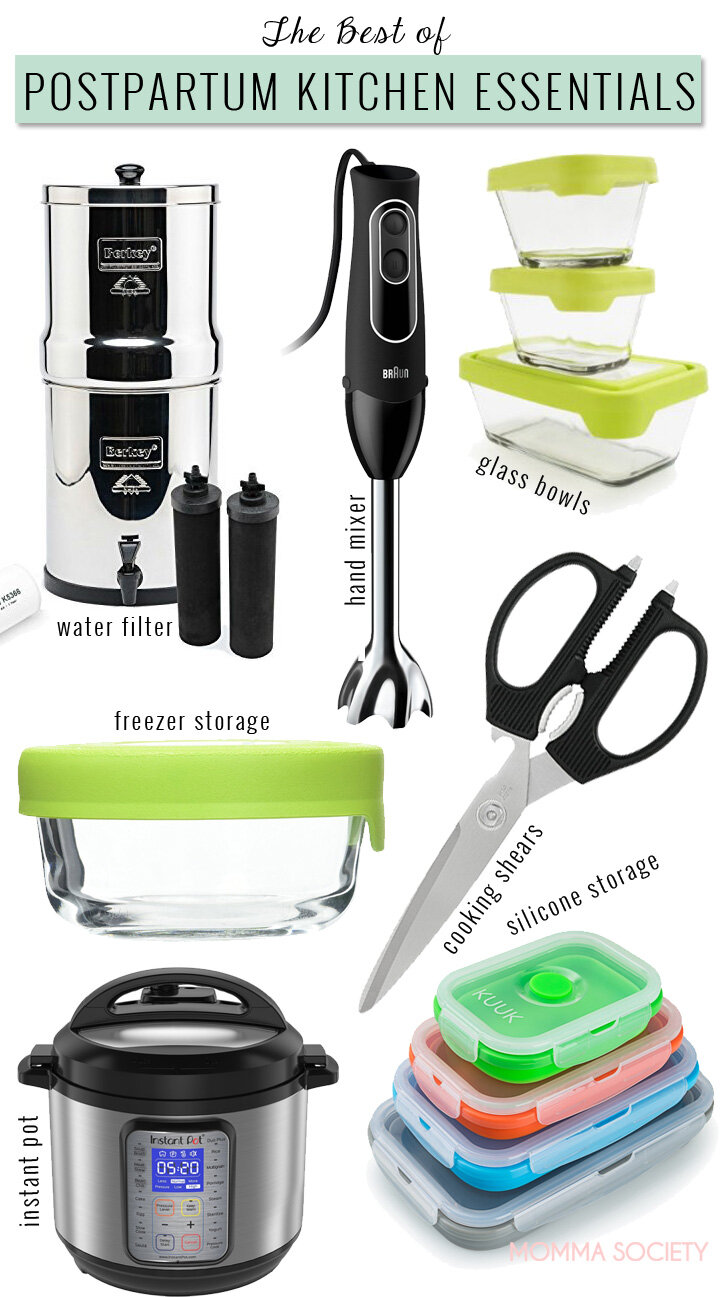
Credit: www.mommasociety.com
Frequently Asked Questions
What Are The 5 Categories Of Kitchen Tools?
The five categories of kitchen tools are cutting tools, measuring tools, cooking utensils, mixing tools, and baking tools. Cutting tools include knives and peelers. Measuring tools consist of cups and spoons. Cooking utensils cover spatulas and ladles. Mixing tools involve whisks and bowls.
Baking tools include pans and molds.
What Are 10 Kitchen Tools And Their Uses?
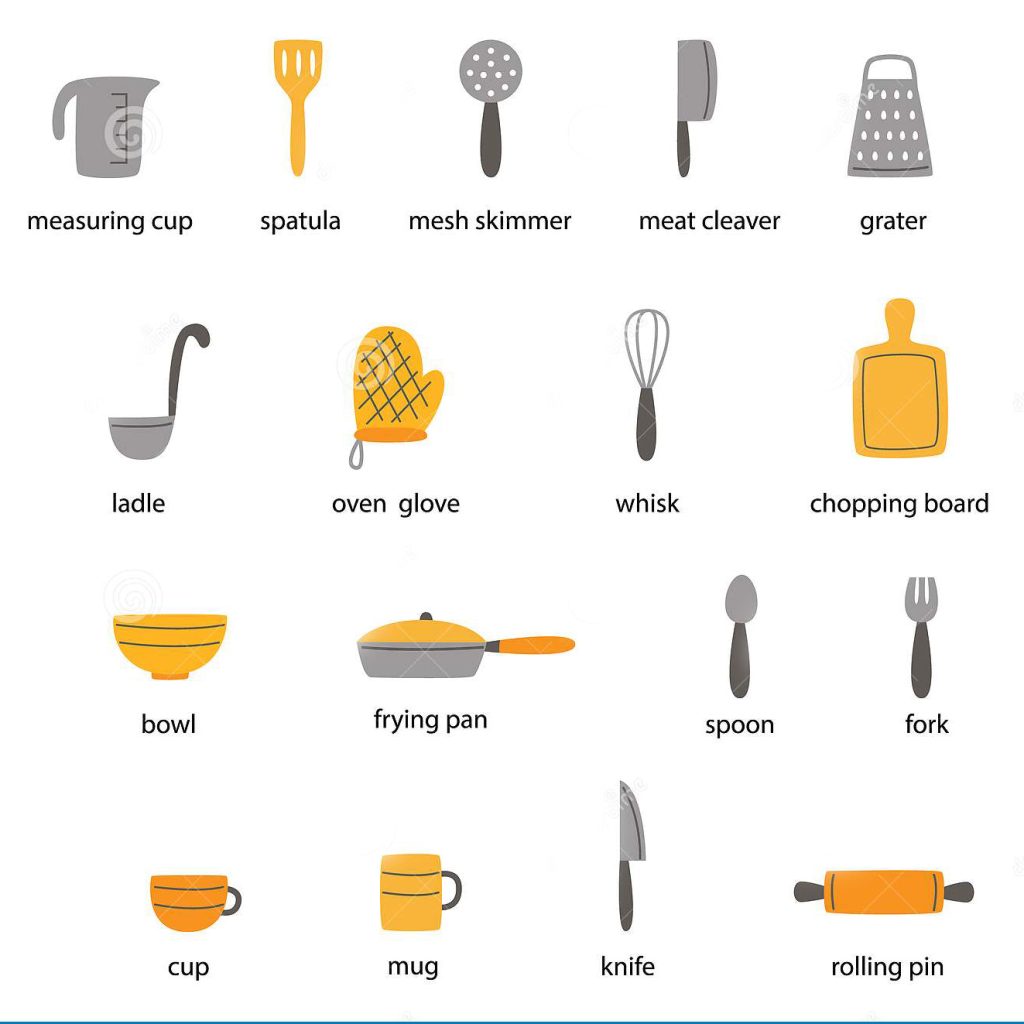
1. Knife: Cuts and slices ingredients. 2. Cutting board: Provides a surface for chopping. 3. Measuring cups: Measures liquid and dry ingredients. 4. Mixing bowl: Holds ingredients for mixing. 5. Whisk: Blends and whips mixtures. 6. Grater: Shreds cheese and vegetables.
7. Peeler: Removes skin from produce. 8. Tongs: Grips and flips food. 9. Ladle: Serves soups and stews. 10. Spatula: Flips and spreads food.
What Are The 5c In The Kitchen?
The 5Cs in the kitchen are: Cutting, Cooking, Cleaning, Chilling, and Cross-contamination prevention. These key practices ensure food safety and efficiency. Proper handling and hygiene reduce risks and enhance kitchen productivity. Implementing the 5Cs can lead to healthier, safer meals and a more organized cooking environment.
What Are The 20 Kitchen Tools And Their Uses?
1. Knife: Cuts and slices ingredients. 2. Cutting board: Provides a surface for chopping. 3. Measuring cups: Measure liquid or dry ingredients. 4. Measuring spoons: Measure small quantities. 5. Mixing bowls: Combine and mix ingredients. 6. Whisk: Blend or whip mixtures.
7. Spatula: Flip or spread food. 8. Peeler: Removes skin from fruits and vegetables. 9. Grater: Shreds cheese or vegetables. 10. Colander: Drains pasta or vegetables. 11. Tongs: Grip and serve food. 12. Can opener: Opens cans easily. 13. Rolling pin: Flattens dough.
14. Baking sheet: Bakes cookies or pastries. 15. Ladle: Serves soups or stews. 16. Skillet: Cooks or fries food. 17. Saucepan: Heats liquids or sauces. 18. Blender: Purees or mixes ingredients. 19. Oven mitts: Protect hands from heat. 20. Timer: Tracks cooking time.
Conclusion
Exploring essential kitchen tools makes cooking easier. These tools boost efficiency. They simplify meal prep. From sharp knives to sturdy spatulas, each tool has its role. Good tools save time. They improve food quality. Cooking becomes more fun. Invest in the right kitchen gear.
Your culinary experience will enhance. You’ll enjoy creating delicious meals. Discover tools that fit your style. Learn their uses. Try new recipes. Cooking is a journey. Make it enjoyable. With these tools, your kitchen becomes a haven for creativity. Transform ordinary cooking into delightful experiences.
Embrace the art of cooking today.