Is titanium cookware safe? It’s a question that might have crossed your mind as you stand in the kitchen aisle, weighing your options.
You’re not alone. With the market flooded with various cookware materials, choosing the right one can feel overwhelming. Safety in the kitchen is paramount, and you deserve to know what you’re cooking with. Whether you’re a seasoned chef or someone who just loves to whip up a quick meal, understanding the safety of titanium cookware is crucial for your peace of mind.
Dive into this article to uncover the truth about titanium cookware, and arm yourself with the knowledge you need to make an informed choice. Your health, and your culinary creations, deserve nothing less.
Titanium Cookware Basics
Titanium cookware is gaining popularity for its durability and safety. Understanding its basics helps you choose the right kitchen tools. Titanium’s unique properties make it a favorite among cooking enthusiasts.
Material Composition
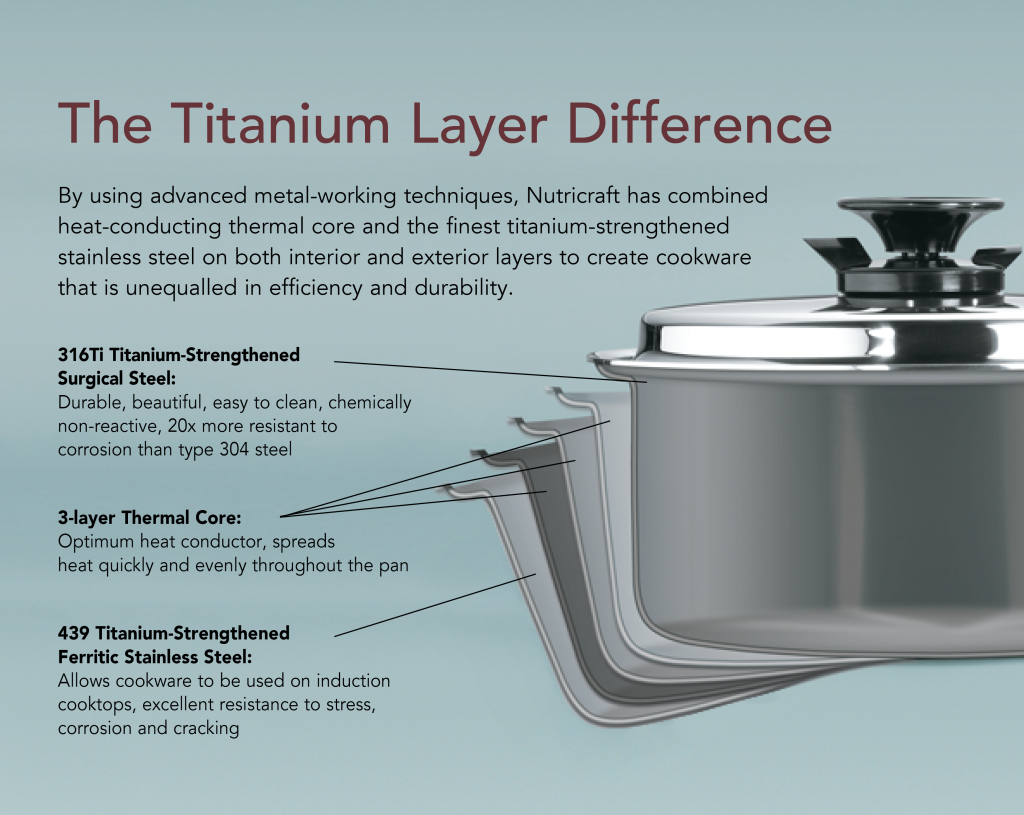
Titanium cookware usually combines titanium with other metals. Pure titanium is lightweight and strong. It resists corrosion and rust. Manufacturers often mix titanium with aluminum. This blend improves heat distribution. The non-stick coating is often titanium-infused. This makes cooking and cleaning easier.
Manufacturing Process
The production of titanium cookware involves several steps. First, manufacturers source raw titanium. They then combine it with other metals. The mixture undergoes melting and casting. This forms the cookware’s basic structure. Next, the non-stick layer is applied. This layer ensures easy food release. Finally, the cookware is tested for quality. Inspections ensure durability and safety.
Credit: fromourplace.com
Safety Features
Titanium cookware offers safety with its non-reactive surface, making it suitable for all types of cooking. Its durability ensures long-term use, while maintaining a lightweight design. Free from harmful chemicals, titanium cookware contributes to healthier meal preparation.
Titanium cookware has become increasingly popular due to its durability and lightweight nature. But how safe is it for your kitchen? Let’s dive into the safety features that make titanium cookware a reliable choice for your cooking needs.Non-toxic Properties
Titanium cookware is celebrated for its non-toxic properties. Unlike some other metals, titanium does not leach harmful chemicals into your food. This means you can cook without worrying about toxins contaminating your meals. Think about the last time you questioned what was in your non-stick pan. With titanium, you have peace of mind knowing your cookware is naturally safe. Titanium is also resistant to corrosion. This ensures your pans remain toxin-free over time, even with frequent use.Heat Resistance
Another major safety feature of titanium cookware is its impressive heat resistance. Titanium can withstand high temperatures without warping or breaking down. Have you ever accidentally left a pan on high heat? With titanium, there’s less risk of damage or dangerous fumes. This resilience means titanium cookware is ideal for various cooking techniques, from searing to simmering. Titanium evenly distributes heat, minimizing hot spots that can burn food. This ensures your meals cook uniformly, enhancing both safety and flavor. Do these safety features make titanium cookware a worthy investment for your kitchen? You might find that the peace of mind it offers is priceless.Health Benefits
Titanium cookware offers safety benefits due to its non-toxic nature and resistance to corrosion. It is lightweight and durable, providing a reliable cooking surface. Many appreciate its ability to distribute heat evenly, reducing the risk of burning food and ensuring healthier meals.
When you think about cooking, safety is usually a top priority. But have you ever considered the health benefits of your cookware? Titanium cookware not only promises safety but also offers some surprising health advantages. Let’s dive into how using titanium cookware can enhance your meals and overall well-being.Nutrient Retention
Cooking with titanium can help you keep more nutrients in your food. Unlike some other materials, titanium heats food quickly and evenly. This means you spend less time cooking, which preserves vital vitamins and minerals. Have you ever noticed how some vegetables lose their vibrant color when cooked for too long? That’s nutrient loss. With titanium cookware, you can maintain the natural goodness of your ingredients. Imagine preparing a stir-fry that not only looks fresh but is packed with essential nutrients. That’s the kind of difference titanium can make in your meals.Reduced Oil Usage
One of the standout features of titanium cookware is its non-stick surface. This allows you to cook with much less oil, which is a win for both your waistline and heart health. Think about your favorite fried egg cooked with just a dab of oil. You get the perfect texture without the excess fat. It’s not just about reducing calories; it’s about making healthier choices easily. Have you tried cooking your vegetables with little to no oil? Titanium cookware makes it possible without compromising on taste. It’s a small change that can lead to big health benefits. By considering these aspects, you can make informed decisions about your cookware. Titanium offers not just safety but also a boost in nutritional value and healthier cooking habits. So, are you ready to make the switch?Potential Risks
Titanium cookware is generally safe, but potential risks exist. Possible concerns include chemical coatings or mixing with other metals. Ensuring high-quality products can minimize health risks.
When considering new cookware, safety is often a top concern. Titanium cookware has gained popularity for its durability and non-stick properties. However, are there any potential risks? Let’s delve into some important considerations that you should keep in mind.Metal Leaching
Titanium is known for being non-reactive, which means it doesn’t typically leach metals into food. However, not all titanium cookware is made entirely of titanium. Many are actually a blend of materials. It’s crucial to check the label to ensure there are no harmful metals that could leach into your meals. Imagine cooking a tomato-based sauce in a pan and unknowingly adding unwanted metals to your food. It’s a scenario you want to avoid. You can ensure safety by choosing high-quality, well-reputed brands. They are less likely to mix titanium with harmful metals.Surface Damage
Even the strongest cookware can suffer from surface damage over time. Titanium cookware is highly durable, but improper use can still cause scratches. Using metal utensils can harm the surface, potentially affecting its non-stick quality. You might recall the time you used a metal spatula on a non-stick pan, only to find scratches later. The same can happen with titanium cookware if you’re not careful. Opt for silicone or wooden utensils to prolong the life of your cookware. Do you regularly use high heat settings when cooking? Extreme heat can also affect the surface of your titanium cookware. It’s best to stick to medium heat for most cooking tasks to avoid damaging the surface. Staying informed and cautious can help you enjoy the benefits of titanium cookware without compromising safety. What steps will you take to ensure your cookware is both safe and durable?Comparative Analysis
Titanium cookware is often touted for its durability and safety. But how does it stack up against other popular materials like stainless steel and non-stick? This comparative analysis will help you decide whether titanium is the right choice for your kitchen.
Titanium Vs. Stainless Steel
Both titanium and stainless steel are known for their durability. Titanium is lighter, which can make handling pots and pans easier, especially when cooking large meals. Stainless steel, on the other hand, is heavier but often provides a more even heat distribution.
Think about cleaning. Titanium is generally more resistant to scratches, so you can use metal utensils without fear of damaging your cookware. Stainless steel requires a bit more care to avoid surface damage.
Price might be a deciding factor for you. Titanium cookware tends to be more expensive. But if lightweight and scratch resistance matter most, investing in titanium could be worth it.
Titanium Vs. Non-stick
If you’ve ever cooked a delicate omelet, you know the importance of a good non-stick surface. Titanium offers a natural non-stick quality without the chemical coatings that are common in traditional non-stick cookware.
Consider longevity. Titanium won’t lose its non-stick properties over time, unlike many non-stick pans that degrade with use. This means you won’t need to replace your cookware as often.
Health-conscious? Non-stick coatings can release harmful fumes when overheated. Titanium remains stable at high temperatures, providing peace of mind for health and safety.
Have you ever pondered what your cookware says about your cooking style? Choosing titanium might reflect a preference for sustainable and long-lasting kitchen tools. What’s more important to you: ease of use, safety, or cost?

Credit: www.amazon.com
Consumer Reviews
Titanium cookware is gaining popularity among home cooks. Its lightweight and durability make it a favorite. But what do users really think? Let’s explore consumer reviews to understand its safety and performance.
User Experiences
Many users praise titanium cookware for its non-stick quality. They find it easy to clean and use daily. Some mention that food cooks evenly without sticking. Users also appreciate its long-lasting nature, with pots and pans maintaining their look. On the downside, some reviews highlight its high cost. For a few, the cookware did not meet their expectations in non-stick performance. Overall, user feedback leans toward positive.
Expert Opinions
Experts in cookware safety often recommend titanium. They highlight its non-reactive nature, reducing risks of chemical leaching. Health professionals agree that titanium cookware is generally safe. Some experts note its advantage over Teflon-coated alternatives. They emphasize its ability to withstand high temperatures without releasing toxins. Experts also advise checking the product quality. Not all titanium cookware is created equal. Ensure it meets safety standards for peace of mind.
Care And Maintenance
Titanium cookware is known for its durability and safety features. Proper care ensures its longevity and performance. Regular maintenance keeps your cookware in top condition. It also ensures safety during use.
Cleaning Tips
Always let the cookware cool before cleaning. Sudden temperature changes can warp it. Use a soft sponge or cloth for washing. Avoid abrasive scrubbers that scratch the surface. Mild dish soap works best for cleaning. Rinse thoroughly to remove any soap residue. Dry the cookware immediately with a clean towel. This prevents water spots and keeps it shiny.
Longevity Practices
Store titanium cookware properly to avoid damage. Stack with a protective layer between each piece. Use silicone or wooden utensils to prevent scratches. Avoid metal utensils which can harm the surface. Regularly check for loose handles or screws. Tighten them to ensure safe use. Avoid overheating the cookware. It can affect the non-stick properties over time. Follow these practices for lasting titanium cookware.

Credit: hestanculinary.com
Frequently Asked Questions
Which Is Better Titanium Or Stainless Steel Cookware?
Titanium cookware is lightweight and resistant to corrosion. Stainless steel offers durability and even heat distribution. Choose titanium for lightweight and corrosion resistance. Opt for stainless steel for durability and even heating. Preferences depend on cooking needs and budget.
Are Titanium Pans Good For Your Health?
Titanium pans are safe and non-toxic for cooking. They resist corrosion and don’t leach harmful chemicals. Their durability ensures long-term use, promoting healthier cooking. Lightweight design offers easy handling, making them a popular choice for health-conscious individuals. Always check for additional coatings, as some may contain harmful substances.
What Is The Healthiest Metal For Cookware?
Stainless steel is the healthiest metal for cookware. It is durable, non-reactive, and resistant to corrosion. This material does not leach harmful chemicals into food, ensuring safe cooking. Stainless steel cookware is easy to clean and suitable for various cooking methods, making it a versatile and safe choice.
What Is Better, Ceramic Or Titanium Cookware?
Ceramic cookware offers non-stick properties and is free from chemicals. Titanium cookware is durable, lightweight, and heats evenly. Choose ceramic for healthier cooking and easy cleaning. Opt for titanium for long-lasting durability and even heat distribution. Consider your cooking needs and preferences when deciding between ceramic or titanium cookware.
Conclusion
Titanium cookware stands as a safe choice for home kitchens. Its non-toxic nature offers peace of mind. Cooking with titanium provides durability and reliability. The lightweight design makes handling effortless. Easy cleaning adds to its appeal, saving time. While slightly pricier, the benefits justify the cost.
Many home cooks appreciate its consistent performance. It’s a solid investment for health-conscious individuals. Choosing titanium cookware supports a healthier kitchen environment. Trust in its safety and enjoy cooking without worry. A smart choice for those valuing quality and safety in cookware.