
Are you curious about the safety of carbon steel cookware? You’re not alone.
Many people wonder if this popular kitchen choice is a safe option for their cooking needs. You might have heard about its durability and non-stick properties, but what about its safety? It’s a question that deserves attention, especially when it comes to preparing healthy meals for yourself and your family.
Imagine cooking your favorite dish without worrying about harmful chemicals. Picture the confidence you’ll feel knowing that your cookware choice aligns with your health goals. We’re diving deep into the world of carbon steel cookware to uncover the facts. We’ll explore its benefits, address common concerns, and help you make an informed decision. Stick around as we unravel the truth behind carbon steel cookware and its safety in your kitchen.
Carbon Steel Composition
Carbon steel cookware is generally safe for cooking due to its simple composition. Made primarily from iron and carbon, it offers durability without harmful chemicals. Ensure proper seasoning and maintenance to avoid rust and enhance its non-stick properties.
Carbon steel cookware has been gaining popularity among home cooks and professional chefs alike. But what exactly is carbon steel made of, and why should you care? Understanding its composition is essential for making informed decisions about your kitchen equipment. Let’s dive into the materials and manufacturing process that make carbon steel a preferred choice for many.Materials Used
Carbon steel is primarily made from two elements: iron and carbon. These elements are mixed to create a sturdy and reliable material. Typically, carbon steel contains about 99% iron and 1% carbon. This composition is what gives it its unique characteristics. The small amount of carbon significantly enhances the strength and hardness of the steel. It’s fascinating how such a small percentage can make a big difference. Another interesting fact is that carbon steel is free from harmful chemicals found in non-stick coatings. This makes it a safer option for those concerned about health risks. Do you feel more comfortable knowing your cookware doesn’t release toxins when heated?Manufacturing Process
The manufacturing process of carbon steel involves heating iron and carbon together. The mixture is then rolled into sheets or shaped into cookware. This process is crucial as it determines the quality and durability of the final product. The cookware is often seasoned with oil to create a natural non-stick surface. Have you ever seasoned a pan before? It’s surprisingly simple and adds to the longevity of the cookware. Manufacturers focus on precise control during the heating and shaping stages. This ensures consistency and high performance in every piece. The attention to detail in this process is why many chefs prefer carbon steel over other materials. Choosing carbon steel cookware means investing in quality and safety. The composition and manufacturing process play vital roles in what makes this material exceptional. Are you ready to experience the benefits of carbon steel in your kitchen?Benefits Of Carbon Steel Cookware
Carbon steel cookware has gained popularity among home cooks and professional chefs alike. Its unique characteristics make it a worthy addition to your kitchen arsenal. But what exactly are the benefits of using carbon steel cookware? Let’s explore some key advantages that make it a top choice for many.
Durability And Longevity
Carbon steel cookware is built to last. Unlike non-stick pans that can wear out over time, carbon steel develops a natural patina that enhances its durability. This means you can count on it to withstand high temperatures and regular use without warping or scratching.
Imagine having a pan that only gets better with age. A carbon steel skillet can be passed down through generations. It’s a great investment for your kitchen, ensuring you won’t have to replace your cookware frequently.
Heat Conductivity
Carbon steel is excellent at conducting heat. It heats up quickly and evenly, allowing you to cook your meals more efficiently. This means less waiting time and more consistent cooking results, making meal preparation a breeze.
Ever struggled with hotspots in your pans? Carbon steel minimizes this issue, providing even cooking across the surface. Whether you’re searing meat or frying vegetables, you can achieve that perfect golden crust every time.
Versatility In Cooking
Carbon steel cookware is incredibly versatile. You can use it for a wide range of cooking methods—from frying and sautéing to baking and roasting. This adaptability makes it a valuable tool in any kitchen.
Do you love experimenting with different cuisines? Carbon steel handles it all. Whether it’s a Spanish paella or a French omelet, you can use the same pan for various dishes, saving you space and money.
Incorporating carbon steel cookware into your kitchen routine can transform the way you cook. Are you ready to enjoy the benefits it offers? With its durability, heat conductivity, and versatility, carbon steel is a smart choice for anyone looking to elevate their culinary experience.
Safety Concerns
Carbon steel cookware has gained popularity for its durability. Some people have safety concerns about using it. Understanding these concerns helps in making informed decisions.
Toxicity Myths
Many believe carbon steel may release toxins. This is a myth. Carbon steel is made from iron and carbon. These materials are safe for cooking. Unlike non-stick pans, carbon steel has no harmful coatings. It does not leach chemicals into food.
Using carbon steel is safe. There are no health risks from its composition. It is important to dispel these myths. Trust the science behind carbon steel’s safety.
Rust And Maintenance
Rust can form on carbon steel cookware. It is a common concern. Rust does not mean the cookware is unsafe. It can be prevented with proper care.
Keep the pan dry after washing. Apply a light coat of oil. This prevents rust and maintains the pan’s quality. Regular seasoning helps keep the cookware in good condition. Proper maintenance ensures long-lasting safety.

Credit: www.instagram.com
Comparison With Other Cookware
Choosing the right cookware affects your cooking results and health. Carbon steel cookware gains attention for its durability and heat distribution. But how does it compare with other popular cookware materials?
Non-stick Alternatives
Non-stick pans are common in many kitchens. They offer easy food release and quick cleaning. Yet, they can pose health risks. Overheating non-stick surfaces may release harmful chemicals. Carbon steel, on the other hand, is free from synthetic coatings. It offers a safe cooking surface without toxic fumes.
Non-stick pans wear out faster. Scratches and chips reduce their lifespan. Carbon steel is more durable. It withstands high heat and frequent use. With proper care, it lasts for decades. This makes it a cost-effective choice for many home cooks.
Stainless Steel
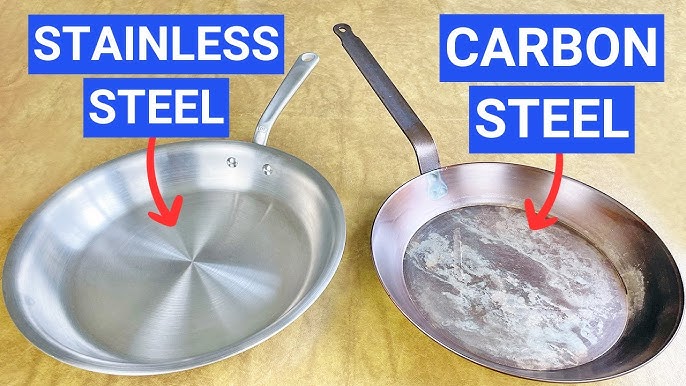
Stainless steel cookware is another popular choice. It is rust-resistant and offers a sleek look. Unlike carbon steel, it does not react with acidic foods. This makes it versatile for different recipes. Yet, stainless steel lacks the same heat responsiveness. Carbon steel heats quickly and evenly. This provides better control over cooking temperatures.
Stainless steel is often heavier than carbon steel. This can be a drawback for some users. Carbon steel is lighter and easier to handle. It offers the benefits of cast iron without the extra weight.
Both types require seasoning to maintain their non-stick properties. With time, carbon steel develops a natural patina. This enhances its performance and gives it a unique character.
Proper Care And Maintenance
Carbon steel cookware is safe with proper care. Regular seasoning prevents rust and enhances non-stick properties. Cleaning gently with warm water maintains its quality, ensuring long-lasting use.
Carbon steel cookware offers durability and excellent heat retention. To ensure it remains safe and efficient, proper care is essential. Regular maintenance extends its lifespan and keeps it functioning well. This involves seasoning and cleaning. Each process contributes to the cookware’s performance and safety.Seasoning Techniques
Seasoning carbon steel creates a protective layer. It prevents rust and improves cooking performance. Start by washing the cookware with warm water. Dry it completely to avoid moisture. Apply a thin layer of cooking oil evenly. Heat it until the oil smokes slightly. This bonds the oil to the surface. Repeat this process regularly. It builds a strong, non-stick coating.Cleaning Methods
Proper cleaning keeps carbon steel in top condition. Avoid using soap frequently. Soap can strip the seasoning layer. Instead, use hot water to clean the surface. Scrub gently with a soft brush or cloth. For stuck-on food, use salt and a bit of oil. Rub the mixture gently to lift residues. Dry the cookware immediately after cleaning. This prevents moisture-related damage.Environmental Impact
Carbon steel cookware is safe and eco-friendly, often preferred for its durability and even heat distribution. It requires minimal energy during production, reducing its environmental footprint. Plus, its long lifespan means less waste, making it a sustainable choice for conscious consumers.
When choosing cookware, considering the environmental impact is just as important as performance in the kitchen. Carbon steel cookware is gaining popularity, but how does it fare in terms of sustainability and recyclability? Let’s break down its environmental footprint and see if this cookware aligns with your eco-friendly values.Sustainability
Carbon steel is known for its durability, lasting for generations if maintained properly. This longevity reduces the need for frequent replacements, minimizing waste. Have you ever thought about how often you replace non-stick pans? Carbon steel can be a one-time investment, saving resources and money in the long run. Manufacturing processes for carbon steel can be more environmentally friendly compared to other materials. Less energy-intensive methods are often used, making it a more sustainable choice.Recyclability
Carbon steel is highly recyclable, which is a major plus for eco-conscious consumers. At the end of its life, it can be repurposed without losing quality. Imagine contributing to a circular economy where your old cookware is melted down and reborn as something new. This reduces the demand for new raw materials and cuts down on waste. Next time you’re shopping for cookware, think about its recyclability. Wouldn’t it be great if your purchase today could be part of tomorrow’s solution? Choosing carbon steel is not just about cooking; it’s about making choices that positively impact the environment. Is your cookware doing its part?Expert Opinions
Many people wonder about the safety of carbon steel cookware. Experts from different fields offer insights into this popular kitchen tool. Their opinions help clarify safety concerns and benefits.
Health Professionals
Health professionals often evaluate cookware for potential health risks. Carbon steel cookware is generally considered safe. It doesn’t leach harmful chemicals into food. Unlike some non-stick coatings, carbon steel is free from PFOA and PTFE. These chemicals can be harmful at high temperatures. Doctors recommend maintaining the seasoning on carbon steel. This prevents rust and ensures a non-stick surface without chemicals.
Nutritionists appreciate carbon steel for its even heat distribution. This helps in cooking food more evenly, preserving nutrients. They suggest using minimal oil to enhance the healthiness of meals. Chefs often prefer carbon steel for its durability and safety in high-heat cooking.
Cooking Enthusiasts
Cooking enthusiasts love carbon steel for its versatility. It’s ideal for searing, sautéing, and frying. Many home cooks enjoy the ease of maintenance. A well-seasoned pan is almost non-stick. Enthusiasts stress the importance of proper care. Regular seasoning keeps the pan in top condition. This also extends its lifespan.
Some enthusiasts note a learning curve. Carbon steel heats quickly and retains heat well. This requires attention to prevent burning. But, with practice, many find it rewarding. Their feedback highlights its affordability and long-term value.

Credit: prudentreviews.com
Credit: www.youtube.com
Frequently Asked Questions
What Are The Downsides Of Carbon Steel Pans?
Carbon steel pans require regular seasoning to prevent rust. They can react with acidic foods, altering taste. These pans may warp under high heat and are not dishwasher-safe. Beginners might find them challenging to maintain properly. Proper care is essential to ensure their longevity and performance.
Is Carbon Steel Pan Safe For Health?
Yes, carbon steel pans are safe for health. They are free from harmful chemicals and can improve cooking with seasoning. Regular use can add iron to your diet, beneficial for health. Always ensure proper maintenance to prevent rust and enhance longevity.
Enjoy healthy cooking with carbon steel pans.
Is Carbon Steel Better Than Stainless Steel?
Carbon steel is generally stronger than stainless steel. It is ideal for applications requiring durability. Stainless steel resists corrosion better, making it suitable for environments exposed to moisture. Choose carbon steel for strength and stainless steel for corrosion resistance.
What Should You Not Cook On Carbon Steel?
Avoid cooking acidic foods like tomatoes or vinegar-based dishes on carbon steel. They can strip the seasoning. Cooking delicate fish might cause sticking. High-moisture foods can cause rust if not dried thoroughly. Use carbon steel for searing, browning, or frying for best results.
Conclusion
Carbon steel cookware offers many benefits. Safe, durable, and versatile. It’s a great choice for healthy cooking. It requires proper care to last long. Regular seasoning prevents rust. The material heats evenly, enhancing cooking results. It’s lighter than cast iron, making it easier to handle.
This cookware suits various cooking styles. Perfect for frying, sautéing, and baking. Carbon steel is trusted by many chefs worldwide. Consider it for your kitchen needs. It could be a valuable addition. Overall, it’s a solid option for cooking enthusiasts.
Enjoy safe and effective meals with carbon steel cookware.