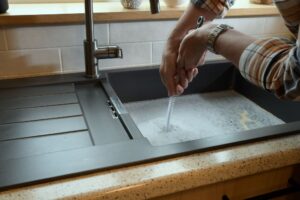
Is your kitchen sink clogged right now? You might be wondering if this is just a minor hassle or a serious problem that needs your immediate attention.
Ignoring a clogged sink can quickly turn a small inconvenience into a big, costly mess. But how do you know when it’s truly an emergency? You’ll discover the signs that your clogged kitchen sink requires urgent action—and simple steps you can take to protect your home and save yourself from stress.
Keep reading to find out if your sink needs fixing right now before things get worse.
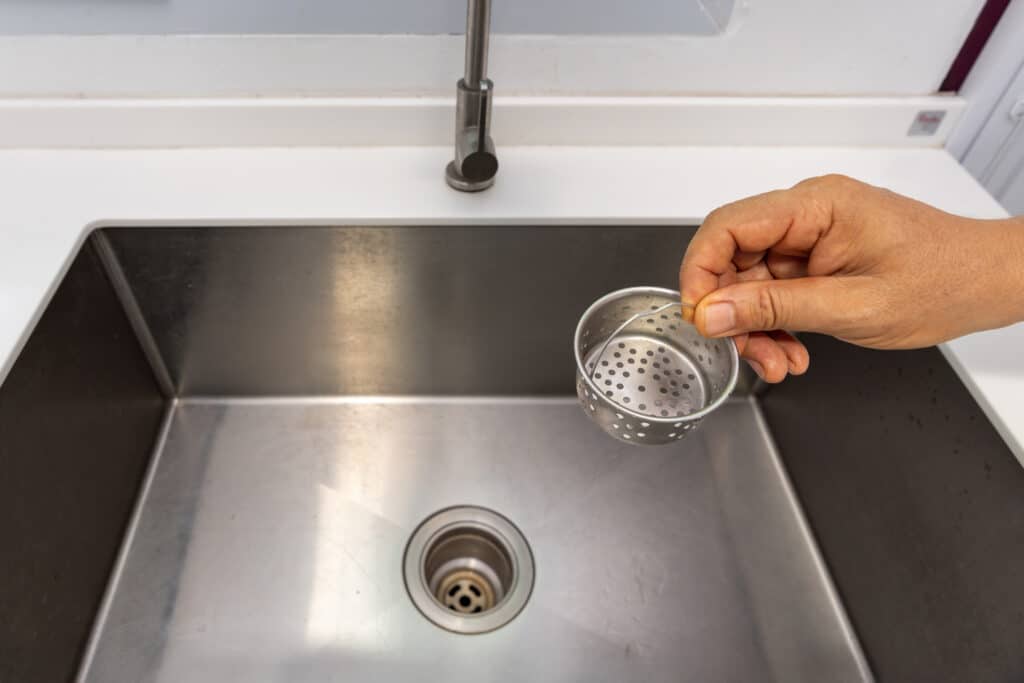
Credit: myplumbertn.com
Signs Of A Clogged Sink
A clogged kitchen sink can cause many problems in your home. It stops water from flowing properly and can make your kitchen messy.
Knowing the signs of a clogged sink helps you act fast. Early detection can save time and avoid bigger issues.
Slow Drainage
Water drains slowly when your sink is clogged. You may notice the water takes longer to go down after washing dishes or rinsing vegetables.
Slow drainage happens because debris blocks the pipes. Food scraps, grease, and soap buildup can cause this problem.
Unpleasant Odors
Bad smells coming from your sink show a possible clog. Stuck food and waste create foul odors that can spread in your kitchen.
- Rotting food stuck in pipes
- Trapped grease and soap scum
- Slowly decomposing waste
Water Backup
Water may rise in the sink when the drain clogs. It can overflow and cause water damage under the sink or on the floor.
| Cause | Effect |
| Blocked drain pipe | Water pools in the sink |
| Grease buildup | Water flows back slowly |
| Food debris | Sink overflows easily |
Gurgling Sounds
Strange gurgling noises come from the drain when air tries to escape. This sound means water and air are trapped in the pipes.
Gurgling signs to watch for:
- Bubble sounds while water drains
- Noise increases when other drains run
- Unusual sounds during dishwasher use
Common Causes
A clogged kitchen sink can stop water from draining. It may also cause bad smells and leaks.
Knowing what causes clogs helps you fix problems faster. It also helps avoid future issues.
Food Debris
Food scraps often get stuck in the drain. Small pieces build up over time and block water flow.
Items like vegetable peels, coffee grounds, and eggshells cause common blockages.
- Vegetable peels
- Coffee grounds
- Eggshells
- Starchy foods like pasta or rice
Grease Build-up
Grease from cooking fats cools and hardens inside pipes. It traps other debris and narrows the drain.
Pouring grease down the sink causes slow drains and blockages over time.
- Cooking oils
- Butter and margarine
- Fatty meat drippings
Foreign Objects
Sometimes small items fall into the sink and block the pipes. These objects stop water flow quickly.
Common objects include utensils, bottle caps, and small toys.
- Utensils like forks or spoons
- Bottle caps
- Small toys or parts
- Jewelry pieces
Pipe Damage
Damaged pipes can cause leaks and blockages. Cracks or bends trap debris inside the drain.
Pipes may get damaged from age, pressure, or poor installation.
- Cracks or holes in pipes
- Loose pipe connections
- Bent or crushed pipes
- Corroded metal pipes
Risks Of Delaying Repairs
A clogged kitchen sink may seem like a small problem. Ignoring it can cause bigger issues later.
Delaying repairs puts your home and health at risk. It can lead to costly damage and hazards.
Water Damage
Water can leak from the clogged sink pipes. This can damage cabinets, floors, and walls.
Wet areas weaken wood and cause paint to peel. Water damage may also affect electrical wiring.
Mold Growth
Standing water from a clog creates a perfect place for mold. Mold grows quickly in damp spots.
Mold can spread inside walls and under floors. It damages building materials and causes bad smells.
Increased Repair Costs
Fixing a small clog is cheaper than fixing water damage or mold. The longer you wait, the higher the cost.
- Replacing pipes
- Repairing cabinets and flooring
- Removing mold safely
- Fixing electrical problems
Health Hazards
Clogged sinks can cause dirty water to back up. This water carries bacteria and germs.
Mold spores can cause allergies and breathing problems. Water damage can also attract pests.
Emergency Vs. Routine Maintenance
A clogged kitchen sink can be a minor hassle or a big problem. Knowing when to fix it right away helps avoid damage.
Some clogs need quick action. Others can wait until it is convenient. This guide helps you decide.
When To Act Immediately
Act fast if the clog causes water to back up or leak. This can damage cabinets or floors.
- Water is not draining at all.
- Water rises and spills over the sink edge.
- There is a bad smell from the drain.
- Leaks appear under the sink.
- Multiple drains in your home are slow or clogged.
When To Schedule Later
Schedule maintenance later if the clog slows drainage but does not cause leaks or spills.
| Signs | Action |
| Slow draining water | Use a plunger or drain cleaner soon |
| Minor gurgling sounds | Monitor and clean regularly |
| Occasional bad odors | Use natural cleaners and air out the area |
Diy Solutions
A clogged kitchen sink can be frustrating. It might stop water from draining properly. Many blockages you can fix yourself. Simple tools and household items often clear the clog.
Knowing easy methods helps avoid calling a plumber. Try these safe and effective DIY solutions before the problem gets worse.
Plunger Techniques
A plunger is a common tool for sink clogs. It creates pressure to push blockages loose. Use the right type of plunger for sinks.
- Fill the sink with enough water to cover the plunger cup.
- Place the plunger over the drain opening tightly.
- Push and pull the plunger quickly several times.
- Lift the plunger to see if water drains.
- Repeat if needed until the clog clears.
Using Baking Soda And Vinegar
Baking soda and vinegar create a fizzy reaction. It helps break down grime and minor clogs. This method is natural and safe for pipes.
| Item | Amount | Action |
| Baking Soda | 1/2 cup | Pour down the drain |
| Vinegar | 1/2 cup | Pour after baking soda |
| Hot Water | 1-2 cups | Flush after 15 minutes |
Let the mixture sit for 15 minutes. Then flush the drain with hot water. This clears many minor blockages without harsh chemicals.
Avoiding Harsh Chemicals
Harsh chemical cleaners can damage pipes and harm the environment. They may cause burns or fumes. Choose safer options when fixing clogs.
Consider these tips to avoid harsh chemicals:
- Use a plunger or baking soda and vinegar first.
- Try mechanical tools like a drain snake if needed.
- Call a professional for tough blockages.
- Wear gloves and keep the area ventilated.
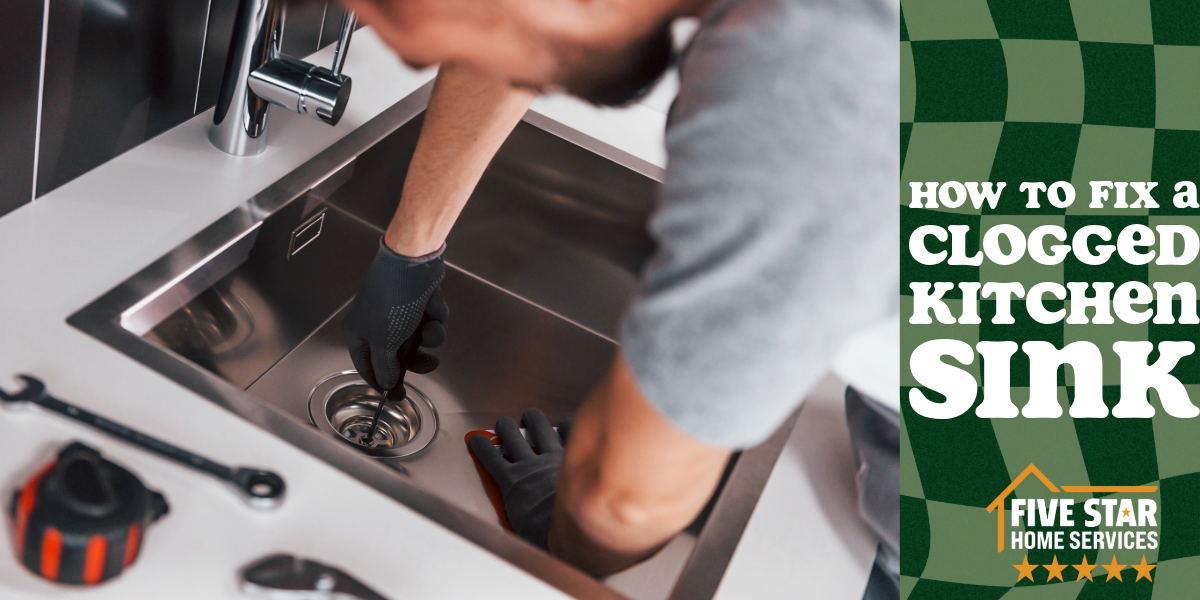
Credit: www.myfivestarhomeservices.com
When To Call A Professional
A clogged kitchen sink can be a small problem or a big one. Knowing when to call a professional can save you time and money.
Some clogs clear quickly with simple tools. Others need expert help to avoid damage.
Persistent Clogs
If your sink stays clogged after trying to clear it, call a plumber. Persistent clogs may hide deeper problems.
Using chemicals or plungers repeatedly can make the issue worse. A professional can find the root cause and fix it safely.
Multiple Fixtures Affected
When more than one sink or drain is clogged, the problem is likely in the main pipe. This needs expert attention.
A plumber can check your home’s plumbing system and clear the main line. Ignoring this can cause bigger backups.
Signs Of Pipe Damage
Cracks, leaks, or strange smells near your sink mean pipe damage. Call a professional right away to prevent water damage.
Damaged pipes need repair or replacement. A plumber can inspect and fix the problem safely.
Preventing Future Clogs
Clogged kitchen sinks cause water backup and bad smells. Taking steps to prevent clogs helps keep your sink working well. Small changes in daily habits can stop blockages before they start.
Use easy methods to keep your drains clear. These include how you throw away waste and how often you clean your sink. You can also add simple tools to catch debris before it goes down the drain.
Proper Disposal Habits
Throwing the wrong things down the drain causes clogs. Avoid putting grease, coffee grounds, or food scraps into the sink. These materials stick inside pipes and trap other debris.
- Pour cooking oil into a container and throw it in the trash
- Scrape plates into the garbage before washing
- Use a compost bin for vegetable peels and other organic waste
- Do not flush large food particles or fibrous items
Regular Cleaning Tips
Cleaning your sink and drain often prevents buildup. Use safe cleaners and simple tools to remove grease and debris. This keeps water flowing smoothly and stops smells.
- Pour boiling water down the drain once a week
- Use a baking soda and vinegar mixture monthly to clean pipes
- Scrub the sink surface with mild soap and a sponge regularly
- Use a drain brush to clear visible debris
Installing Drain Screens
Drain screens catch food and debris before they enter pipes. They are simple to install and clean. Screens reduce the chance of clogs and make cleaning easier.
| Type of Screen | Material | Benefits |
|---|---|---|
| Mesh Screen | Stainless Steel | Durable, easy to clean, traps small particles |
| Silicone Strainer | Silicone | Flexible, fits many sinks, easy to remove |
| Plastic Basket | Plastic | Lightweight, cost-effective, holds larger debris |

Credit: aslanplumbing.ca
Frequently Asked Questions
What Causes A Kitchen Sink To Get Clogged?
Kitchen sinks clog due to food scraps, grease buildup, and soap residue. These block pipes and slow drainage, requiring timely cleaning to prevent severe blockages and odors.
Is A Clogged Kitchen Sink An Emergency?
A clogged kitchen sink is an emergency if water backs up and causes leaks or flooding. Immediate action prevents damage, mold growth, and costly repairs.
How Can I Quickly Fix A Clogged Sink?
Use a plunger or a drain snake to clear minor clogs. Avoid chemical drain cleaners as they may damage pipes and worsen blockages.
When Should I Call A Plumber For A Clogged Sink?
Call a plumber if DIY methods fail or if there’s persistent slow drainage, foul odors, or water leaks. Professional help prevents plumbing damage and ensures proper cleaning.
Conclusion
A clogged kitchen sink can cause big problems fast. Water may back up and make a mess. This can damage pipes and your home. Acting quickly helps avoid costly repairs later. Small clogs might clear on their own. But stubborn blockages need proper tools or a plumber.
Regular sink care keeps clogs away. Don’t ignore slow drains or bad smells. Taking simple steps saves time and stress. Keep your kitchen running smoothly and safe.