
When it comes to creating your dream kitchen, you want every detail to be just right. From the layout to the color scheme, each choice plays a crucial role in shaping a space that feels both functional and inviting.
But, let’s face it, designing a kitchen can be overwhelming. That’s where a kitchen designer comes in. Imagine having a professional by your side, someone who understands your vision and can turn it into reality. You’re not just choosing cabinets and countertops; you’re crafting a space where memories are made.
Think about the excitement of seeing your ideas come to life, the joy of cooking in a kitchen that truly fits your lifestyle. But how do you ensure you’re on the same page with your designer? How do you effectively communicate your needs and preferences? In this guide, we’ll show you exactly how to work with a kitchen designer to make the process smooth and enjoyable. Discover the secrets to a successful collaboration that leads to a kitchen you’ll love for years to come. Stay with us as we unlock the strategies to transform your kitchen dreams into reality.
Finding The Right Designer
Selecting a kitchen designer involves clear communication and understanding of your style. Share your ideas and budget details. Collaborate on the design process to ensure a functional and attractive kitchen space.
Finding the right kitchen designer is crucial for your dream kitchen. A skilled designer can transform your ideas into reality. But where do you start? Understanding how to find the right professional can make all the difference. Here’s a guide to help you choose wisely.Research And Recommendations
Start by asking friends and family for recommendations. They may know designers with a proven track record. Online reviews and ratings can also be helpful. Look for designers with positive feedback and satisfied clients. Social media platforms often showcase designers’ work, offering insights into their style and expertise.Evaluating Portfolios
A designer’s portfolio is a window to their creativity. Examine their past projects carefully. Do they align with your vision? Look for variety in styles and techniques. A diverse portfolio indicates adaptability. It shows the designer’s ability to cater to different tastes.Setting Initial Consultations
Meeting potential designers is key. Schedule consultations to discuss your ideas. Pay attention to how they listen and respond. Are they open to your suggestions? A good designer will respect your input. They will also provide valuable insights. This initial interaction helps assess compatibility.
Credit: kitchensonbroadway.com
Establishing Your Vision
Establishing your vision is the first crucial step in collaborating with a kitchen designer. It’s about transforming your ideas into a concrete plan that aligns with your lifestyle and preferences. By clearly defining your vision, you set a solid foundation for the design process, ensuring your new kitchen meets your expectations and enhances your daily routines.
Identifying Needs And Wants
Start by listing what you need versus what you want. Needs are essentials like ample storage or durable surfaces. Wants might be luxury items like a wine fridge or a kitchen island. Prioritize needs first to ensure practicality.
Think about your daily kitchen activities. Do you cook elaborate meals or prefer quick and easy dishes? Your cooking habits will guide your choices. Consider how much space you need for appliances or if you require a dedicated space for meal prep.
Ask yourself: What frustrates you about your current kitchen? This question can reveal hidden needs. Perhaps it’s a lack of counter space or inconvenient storage. Addressing these issues will lead to a design that truly works for you.
Creating A Mood Board
Gather inspiration from magazines, websites, and social media. A mood board helps visualize your dream kitchen. Include colors, textures, and design elements that appeal to you.
Use tools like Pinterest to save images of kitchens you love. Notice patterns in your choices; maybe you gravitate towards minimalist designs or rustic charm. These insights are valuable in shaping your vision.
Don’t hesitate to add unconventional ideas. Perhaps a bold color for the cabinets or unique lighting fixtures. These elements can personalize your space, making it distinctly yours.
Defining Your Style
Reflect on your personal style. Are you drawn to modern, sleek lines or traditional warmth? Your style preference will influence every aspect of the kitchen design.
Consider the overall aesthetic of your home. Your kitchen should complement, not clash, with existing decor. Consistency in style creates a harmonious flow throughout your living space.
Discuss your style with your designer. Their expertise can help refine your ideas, ensuring they translate effectively into the final design. Don’t be afraid to ask questions or suggest adjustments. It’s your vision, after all.
Establishing your vision is a journey of discovery. By identifying your needs and wants, creating a mood board, and defining your style, you lay the groundwork for a kitchen that is not only functional but also reflects your personality. As you embark on this design adventure, remember that every choice brings you closer to realizing your dream kitchen. What’s your first step in this exciting process?
Budget Planning
Working with a kitchen designer can transform your cooking space into a dream kitchen. However, before diving into aesthetics and layouts, it’s crucial to plan your budget wisely. Budget planning is the backbone of any successful kitchen renovation. It ensures you don’t get carried away by shiny appliances and intricate tiles, keeping your financial health intact. Let’s dig into the essentials of budget planning with a focus on setting realistic expectations and communicating effectively with your designer.
Setting A Realistic Budget
Start by evaluating your finances and deciding on a maximum amount you’re comfortable spending. Consider your income, savings, and any financial commitments you have. Creating a spreadsheet can be helpful, breaking down costs like appliances, labor, and materials.
Reflect on your priorities—are you willing to splurge on state-of-the-art appliances or prefer to invest in durable cabinetry? This will guide your budget allocation. Remember, a realistic budget not only prevents financial strain but also guides your designer in proposing feasible options.
Prioritizing Expenses
Not all elements in a kitchen renovation carry equal importance. Determine what aspects are non-negotiable for you. Perhaps you want a top-notch oven or crave a spacious island. Identifying these priorities can help you allocate funds where they matter most.
Think about the long-term value. Investing in quality countertops might save you money on repairs down the line. Create a list ranking expenses from essential to optional. This way, if budget constraints arise, you know exactly where adjustments can be made.
Discussing Cost With Designer
Open communication with your kitchen designer is pivotal. Share your budget candidly and ask for their professional advice on cost-effective materials and design choices. A good designer will respect your financial boundaries and provide alternatives that align with your vision.
Ask questions to understand the breakdown of costs—are there hidden fees, or potential areas for saving? This dialogue can prevent misunderstandings and ensure that your renovation stays on track financially. Have you considered asking your designer for a detailed quote to avoid surprises later?
Involve your designer in budget discussions early on. This partnership can lead to creative solutions, helping you achieve a stunning kitchen without breaking the bank.
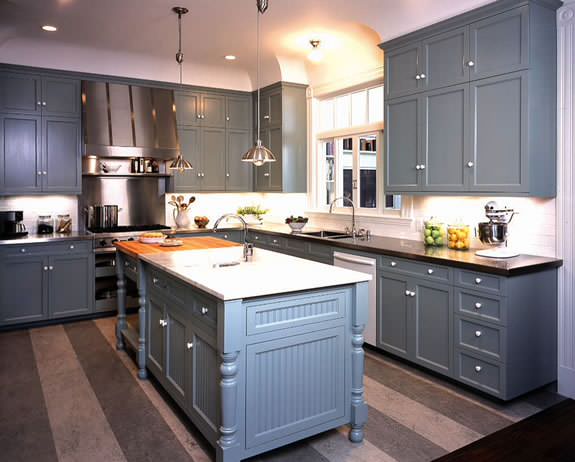
Credit: www.houzz.com
Effective Communication
Partnering with a kitchen designer requires clear and open communication. Share your ideas and preferences honestly for the best results. Discuss your budget and timelines upfront to avoid misunderstandings.
Effective communication is key to a successful partnership with a kitchen designer. It ensures that your vision comes to life and avoids any potential misunderstandings. By keeping the lines of communication open, you can ensure a smoother process and a more satisfying outcome.Regular Updates And Meetings
Regular updates and meetings are crucial. They keep you informed about the progress and allow you to make timely decisions. Schedule consistent check-ins with your designer to discuss any changes or adjustments needed. Imagine being surprised by a design choice that doesn’t fit your style. Regular meetings help prevent such surprises. It’s your chance to stay involved and ensure your kitchen reflects your taste and needs.Sharing Feedback
Your feedback is invaluable. It guides your designer in tailoring the design to suit your preferences. Be specific about what you like or dislike to help them understand your vision better. Don’t hesitate to express your thoughts on materials, colors, or layouts. Your input can steer the project in the right direction and avoid costly changes later.Addressing Concerns Promptly
Addressing concerns promptly is essential to avoid escalating issues. If something doesn’t seem right, speak up immediately. Quick communication can prevent minor problems from turning into major setbacks. Consider a time when a small issue, like a mismatched cabinet color, became a big problem because it wasn’t addressed early. Promptly voicing concerns ensures that your project stays on track and aligns with your expectations. How do you plan to ensure effective communication with your kitchen designer?Understanding Design Elements
Working with a kitchen designer can transform your cooking space. Understanding design elements is key to a successful collaboration. These elements guide the overall look and functionality of your kitchen. Let’s explore how layout, materials, and color play crucial roles.
Layout And Space Planning
Every kitchen needs a smart layout. It determines how you move and work in the space. A designer helps create efficient pathways between appliances and counters. Consider the work triangle: sink, stove, and refrigerator. This setup minimizes steps and boosts efficiency. Proper space planning saves time and effort.
Material Selection
Materials define the kitchen’s style and durability. Designers suggest options like granite, laminate, or wood. Each material has its pros and cons. Granite is durable but expensive. Laminate is budget-friendly but less heat-resistant. Wood adds warmth but needs regular maintenance. Choose materials that fit your lifestyle.
Color Schemes And Textures
Colors and textures breathe life into your kitchen. They set the mood and style. A designer helps select colors that match your taste. Light colors make spaces feel larger. Dark shades add drama and elegance. Textures add depth and interest. Mix smooth surfaces with rough ones for a balanced look. The right combination creates a welcoming atmosphere.

Credit: www.youtube.com
Project Timeline Management
Collaborating with a kitchen designer ensures your project stays on track. Discuss your needs and set clear timelines. Regular communication helps keep the design process smooth and efficient.
Managing the project timeline is crucial when working with a kitchen designer. It’s the backbone of your renovation journey, ensuring everything runs smoothly and on schedule. The timeline outlines each phase of your kitchen remodel, from initial planning to the final reveal. By mastering this aspect, you’ll minimize stress and keep your dream kitchen on track.Setting Milestones
Setting clear milestones is your roadmap to a successful kitchen renovation. Start by discussing major phases with your designer, like design approval, material selection, and installation. Each milestone acts as a checkpoint, ensuring that the project progresses as planned. Why not break your timeline into smaller tasks? For example, allocate specific weeks for choosing cabinets or appliances. This keeps the project manageable and allows you to celebrate small victories along the way.Anticipating Delays
Delays are part of any renovation, but anticipating them can save you headaches. Discuss potential setbacks with your designer, such as shipping issues or unforeseen construction challenges. This proactive approach allows you to build buffer time into your schedule. Have you ever thought about having contingency plans? For instance, if your preferred tile is out of stock, have an alternative ready. Being flexible and prepared keeps the project moving forward without compromising your vision.Ensuring Timely Completion
To ensure a timely completion, maintain regular communication with your kitchen designer. Schedule weekly updates to discuss progress and address any concerns. This keeps everyone accountable and on the same page. Consider using project management tools or apps to track tasks and deadlines. These tools provide real-time updates and help you manage your timeline effectively. Are you ready to see your dream kitchen come to life on time? By staying organized and proactive, you can make it happen.Finalizing Details
Finalizing details with a kitchen designer ensures your vision comes to life. Discuss layout, materials, and appliances clearly. Be open to suggestions to enhance functionality and style.
Finalizing details with a kitchen designer is an exciting phase. You’ve planned and imagined your new kitchen. Now, it’s time to bring it all together. This stage ensures your kitchen vision matches your needs.Reviewing Design Plans
Carefully review the design plans with your designer. Check if the layout suits your lifestyle. Ensure all measurements are correct. Look for any potential issues in the design. Discuss any changes you want. This helps avoid problems later.Approving Final Choices
Make final choices about materials and colors. Choose countertops, cabinets, and appliances. Confirm your selections with the designer. Ensure they match your style and budget. These choices define the kitchen’s look and feel.Preparing For Installation
Prepare your home for the installation process. Clear the kitchen area of personal items. Coordinate with the designer about the installation schedule. Understand the steps involved in the process. This ensures a smooth installation with minimal disruptions.Frequently Asked Questions
How Much Do Kitchen Designers Usually Charge?
Kitchen designers typically charge between $75 to $250 per hour. Some may offer flat fees, ranging from $2,000 to $8,000. Costs can vary based on experience and project complexity. Always request detailed quotes to understand pricing structures.
What Does A Kitchen Designer Do?
A kitchen designer creates functional and stylish kitchen layouts, selecting materials and finishes. They optimize space and workflow. Designers collaborate with clients, ensuring personalized designs that meet needs and budget. They also stay updated on trends and technology, providing expert advice for efficient kitchens.
Their goal is a harmonious and practical space.
What Is The Golden Rule For Kitchen Design?
The golden rule for kitchen design is optimizing the work triangle: sink, stove, and refrigerator. Ensure efficient movement between these three areas. This setup enhances functionality and creates a smooth workflow, making cooking tasks quicker and easier. Prioritize accessibility and convenience in your kitchen layout.
How Do I Work With A Designer?
Collaborate effectively by clearly communicating your vision and goals. Provide feedback promptly and constructively. Trust their expertise and give creative freedom. Establish a timeline and budget. Maintain open communication throughout the project.
Conclusion
Working with a kitchen designer makes remodeling easy and stress-free. They help plan your dream kitchen within your budget. Clear communication builds trust and ensures your needs are met. Designers offer creative solutions for any space, big or small. Collaboration is key to achieving the perfect kitchen.
Stay involved and share your ideas. Remember, patience and flexibility go a long way. Enjoy the process and watch your vision come to life. With a professional’s touch, your kitchen becomes a beautiful, functional space. Ready to start your kitchen journey?
Reach out to a designer today.