
Mastering the art of cooking isn’t just about following recipes; it’s about knowing how to use your kitchen tools and equipment effectively. Imagine slicing vegetables with ease, cooking meals faster, and cleaning up with less hassle.
Sounds amazing, right? Whether you’re a seasoned chef or a beginner in the kitchen, understanding the right way to use your kitchen gadgets can transform your cooking experience. Have you ever wondered if you’re using your blender to its full potential?
Or questioned if your knife skills could be sharper? If you’ve nodded along, then this guide is for you. Dive in, and discover tips that can save you time, enhance your dishes, and make your kitchen time more enjoyable. Ready to unlock the secrets of your kitchen? Let’s get started!
Essential Kitchen Tools
Having the right kitchen tools makes cooking easier. Essential kitchen tools are the backbone of any kitchen. They help you prepare meals efficiently. Knowing how to use them saves time and effort. These tools are simple yet powerful. They are vital for every home cook.
Knives And Cutting Boards
A sharp knife is your best friend in the kitchen. It slices, dices, and chops ingredients quickly. Choose a knife that feels comfortable. A cutting board protects your counters. It also prevents the knife from dulling. Wood and plastic boards are popular choices. Keep them clean to avoid germs. Regularly sharpen your knives for smooth cutting.
Mixing Bowls And Measuring Cups
Mixing bowls are a must for stirring and combining ingredients. They come in various sizes for different tasks. Choose bowls that are durable and easy to clean. Measuring cups ensure accuracy in recipes. Use them for liquids and dry ingredients. Accurate measurements lead to better results. Have a set of measuring spoons as well.
Cookware Basics
Cookware includes pans, pots, and baking trays. Non-stick pans are ideal for cooking without sticking. Stainless steel pots are great for boiling and simmering. Baking trays are essential for oven dishes. Choose cookware that suits your cooking style. Look for quality materials that last. Proper cookware makes cooking enjoyable.
Proper Usage Techniques
Using kitchen tools correctly is vital for safety and efficiency. Proper techniques save time and prevent accidents. Understanding each tool’s function ensures better cooking results. Let’s explore some essential skills.
Knife Skills And Safety
Knives are essential in every kitchen. Hold the knife firmly with your dominant hand. Keep fingers tucked under to avoid cuts. Slice with a smooth, steady motion. Always use a cutting board. Keep your knives sharp. Dull blades slip more easily. Store knives in a block or a magnetic strip. This prevents accidents and keeps blades sharp.
Effective Mixing And Measuring
Proper mixing ensures even textures in your dishes. Use a whisk for liquids and batters. A spatula works best for folding ingredients. For measuring, use dry measuring cups for flour and sugar. Use liquid measuring cups for water, milk, or oil. Level off dry ingredients with a knife for accuracy. Incorrect measurements can change a recipe’s outcome.
Heat Control In Cooking
Controlling heat is crucial for cooking success. Use high heat for boiling and searing. Medium heat is ideal for frying and browning. Low heat is perfect for simmering and slow cooking. Adjust heat settings gradually. Sudden changes can burn or undercook food. Use a thermometer to check oven temperatures. Stovetops vary, so practice makes perfect.
Maintenance And Care
Proper care of kitchen tools ensures longevity and safety. Clean utensils after each use to prevent bacteria. Store items in designated spaces to avoid damage.
Maintaining your kitchen tools and equipment is essential to ensure they last long and perform well. Proper care not only saves you money but also enhances your cooking experience. Imagine the frustration of reaching for a dull knife or a malfunctioning blender when preparing a meal. Taking simple steps to care for your kitchen tools can prevent such nuisances and keep your kitchen running smoothly.Cleaning Tips
Keeping your kitchen tools clean is crucial for hygiene and longevity. After each use, wash your tools with warm water and mild soap. Scrub gently with a soft brush to avoid scratches. For stubborn stains on pots and pans, try a mixture of baking soda and vinegar. It’s effective and non-toxic. Rinse thoroughly to ensure no residue remains. Remember to dry tools immediately after washing. Leaving them wet can lead to rust or mold. A simple wipe with a clean towel does wonders.Storage Solutions
Proper storage prevents damage and keeps your tools organized. Store knives in a knife block or magnetic strip. It prevents dulling and accidents. Use drawer dividers for utensils. It makes finding what you need quick and easy. Plus, it keeps them from clattering around and getting damaged. Consider a pegboard for larger items like pots and pans. It saves space and gives easy access. Hanging them also keeps them in better condition.Regular Maintenance
Routine checks and maintenance can prolong the life of your equipment. Sharpen knives regularly to maintain their efficiency. A dull knife is not only frustrating but also dangerous. Inspect electrical appliances for wear and tear. Check cords and plugs for any damage. Repair or replace parts as needed to avoid safety hazards. Oil wooden tools, such as cutting boards and spoons, to prevent cracking. It also keeps them looking new. Are you taking good care of your kitchen tools and equipment? Implementing these simple practices can drastically change your cooking experience and save you money in the long run.
Credit: www.straightupfood.com
Advanced Equipment
In a modern kitchen, advanced equipment can simplify cooking tasks. These tools bring precision and efficiency to meal preparation. From food processors to specialty tools, each has unique features. Understanding their use maximizes their potential. Let’s delve into some of these advanced kitchen essentials.
Using Food Processors
Food processors cut, slice, and dice vegetables effortlessly. They are versatile, handling many tasks efficiently. Use them for making dough or chopping nuts. They reduce prep time significantly. Always ensure the lid is secure before starting. Use the pulse function for better control. Clean blades carefully to avoid injury.
Mastering Blenders
Blenders are essential for smoothies and soups. They blend ingredients to a smooth consistency. Select the right speed for the task. Start slow to avoid splashing. Use them to crush ice or blend fruits. Ensure the lid is tightly closed. Clean immediately after use to prevent residue buildup.
Exploring Specialty Tools
Specialty tools add flair to kitchen tasks. Spiralizers create vegetable noodles easily. Mandolines slice vegetables with precision. Pasta makers craft homemade pasta. Each tool has a specific function. Follow the manual for best practices. Regular maintenance ensures longevity. Explore these tools to enhance your cooking.
Safety Precautions
In every kitchen, safety is key. Understanding how to safely handle tools and equipment is crucial. This ensures a smooth cooking experience and prevents accidents. Let’s explore some essential safety precautions.
Handling Hot Surfaces
Hot surfaces can cause burns. Always use oven mitts or heat-resistant gloves. Be mindful of oven doors and stovetops. They stay hot even after turning off. Keep children away from hot surfaces.
Place pots and pans on stable surfaces. This prevents spills and accidents. Turn pot handles inward to avoid knocking them over.
Avoiding Cross-contamination
Cross-contamination spreads bacteria. Use separate cutting boards for raw meat and vegetables. Wash hands after handling raw food. Clean all surfaces and utensils with hot, soapy water. This reduces the risk of foodborne illness.
Store raw meat away from ready-to-eat foods. This keeps your kitchen safe and healthy.
Safe Use Of Electrical Appliances
Electrical appliances require careful handling. Ensure cords are in good condition. Avoid using appliances near water. Water and electricity don’t mix.
Unplug appliances when not in use. This prevents electrical hazards. Follow manufacturer’s instructions for safe operation. Regularly check appliances for damage.
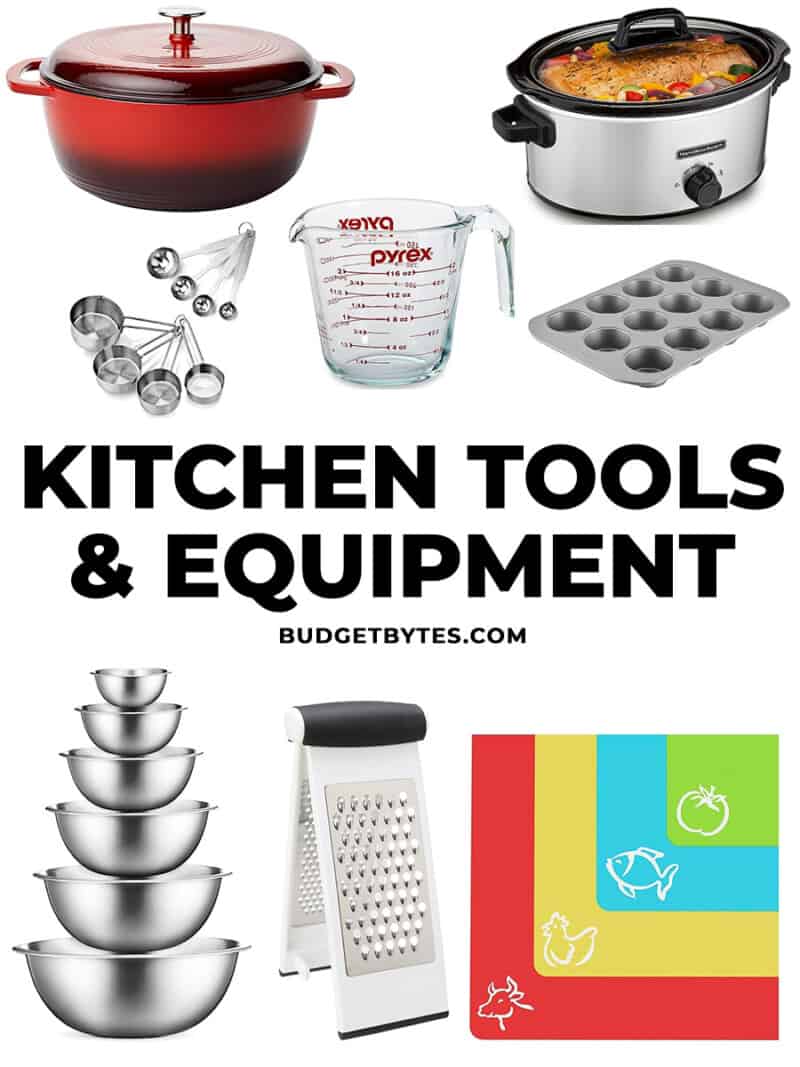
Credit: www.budgetbytes.com
Expert Advice
Gaining expertise in the kitchen requires more than just recipes. The right tools and equipment can make a significant difference. Expert advice can guide you in selecting and using these tools effectively. Let’s explore some tips from the pros.
Choosing The Right Tools
Selecting the best kitchen tools starts with understanding your needs. Basic items like a chef’s knife, cutting board, and measuring cups are essential. Consider your cooking habits. Do you bake often? A good mixer might be necessary. For grilling enthusiasts, a sturdy set of tongs is vital. Choose tools that feel comfortable and suit your cooking style.
Investing In Quality Equipment
Quality equipment can enhance your cooking experience. Invest in durable pots and pans. They distribute heat evenly and last longer. Consider stainless steel or cast iron for longevity. Quality doesn’t always mean expensive. Read reviews and ask for recommendations. A little research can go a long way.
Learning From Professional Chefs
Professional chefs offer valuable insights into kitchen tools. Watch cooking shows or attend workshops. Observe how chefs handle their tools. Notice their knife skills and equipment choices. Many chefs share tips online. Follow them on social media for daily inspiration. Learning from the experts can boost your confidence in the kitchen.

Credit: ph.pinterest.com
Frequently Asked Questions
What Are The 20 Kitchen Tools And Their Uses?
Knife: Slices, dices, and chops ingredients. Cutting board: Provides surface for cutting. Peeler: Removes skin from vegetables. Grater: Shreds cheese and veggies. Whisk: Blends ingredients smoothly. Measuring cups: Accurate ingredient measurement. Mixing bowls: Mix ingredients efficiently. Tongs: Grip and flip food.
Colander: Drains pasta and vegetables. Spatula: Flips and serves food.
What Are The 10 Kitchen Tools And Their Uses In Order?
1. Knife: Cuts and chops ingredients. 2. Cutting Board: Provides surface for cutting. 3. Measuring Cups: Measures liquid and dry ingredients. 4. Mixing Bowls: Mixes ingredients. 5. Wooden Spoon: Stirs and mixes. 6. Whisk: Beats and whips ingredients. 7. Tongs: Grips and turns food.
8. Peeler: Removes skin from vegetables. 9. Grater: Shreds cheese and vegetables. 10. Colander: Drains liquids.
How To Use Tools, Utensils, And Equipment Properly?
Use tools and utensils for their intended purpose. Maintain cleanliness and store them properly. Follow manufacturer instructions for equipment. Ensure regular maintenance and safety checks. Always handle with care to prevent damage or injury.
What Are The Main Uses Of Kitchen Tools And Equipment?
Kitchen tools and equipment simplify food preparation and cooking. They enhance efficiency, ensure safety, and improve food quality. Cutting, mixing, measuring, and cooking tasks become easier and faster. They help maintain cleanliness and organization in the kitchen. Proper tools also preserve ingredient flavors and textures.
Conclusion
Using kitchen tools can make cooking easier and more fun. Each tool has a purpose. Knowing how to use them saves time and effort. Start with simple tools. Knife, cutting board, and measuring cups are essential. Practice with these daily.
Explore and try new tools as confidence grows. Cooking becomes less of a chore. Meals become enjoyable and tasty. Share your meals with friends and family. They’ll appreciate the effort. Remember, practice makes perfect. Keep learning and experimenting. Cooking is a journey.
Enjoy every step along the way.