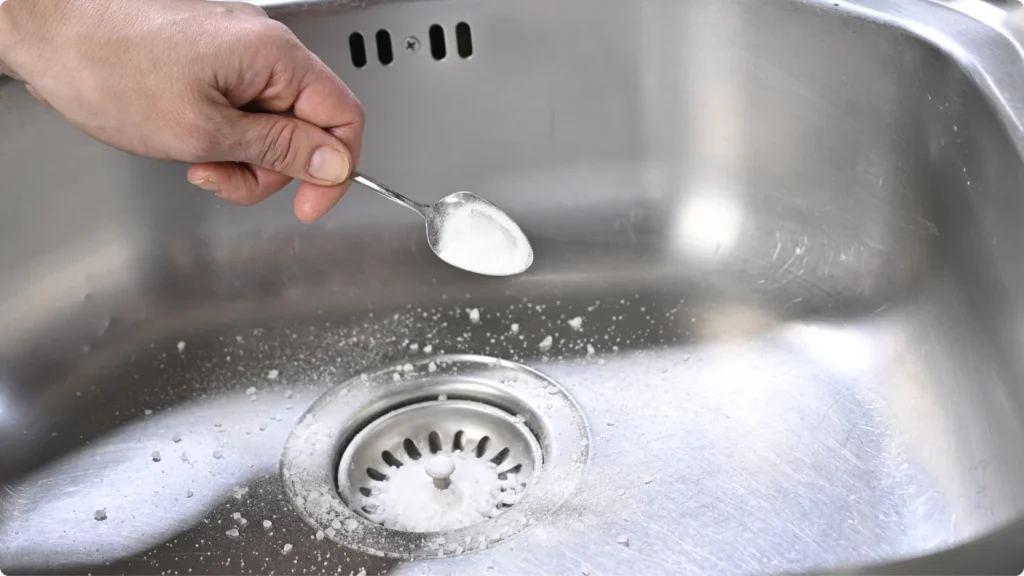
Are you tired of dealing with a sluggish kitchen sink that just won’t drain properly? You’re not alone.
Clogged kitchen sinks are a common nuisance, disrupting your daily routine and causing unnecessary stress. But what if you could easily resolve this issue and prevent it from happening again? Imagine a kitchen where water flows smoothly, and unpleasant odors are a thing of the past.
This article will guide you on how to use drain cleaner effectively in your kitchen sink, ensuring a hassle-free experience. With simple steps and practical tips, you’ll regain control over your kitchen sink and enjoy a cleaner, more efficient kitchen. Stay with us to learn the secrets of maintaining a clog-free kitchen sink and discover how simple solutions can transform your everyday life.
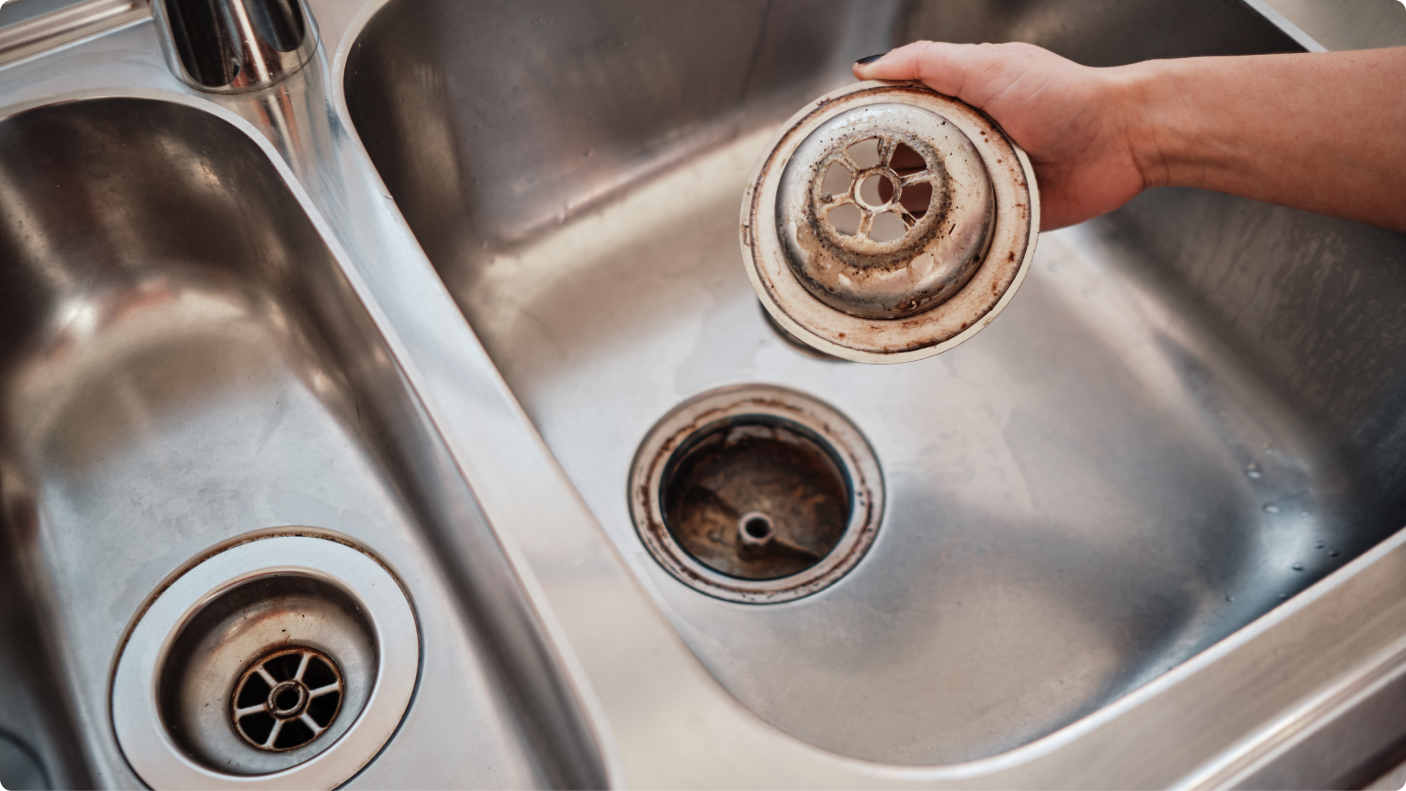
Credit: www.liquidplumr.com
Choosing The Right Drain Cleaner
Selecting a drain cleaner for the kitchen sink involves understanding the blockage type. Pour the cleaner carefully, ensuring it covers the clog. Always follow the instructions on the label for best results. Regular maintenance helps keep the drain clear and prevents future issues.
Choosing the right drain cleaner for your kitchen sink can feel overwhelming, especially with the myriad of options available. You might be wondering what’s best for your specific needs or if there’s a safer choice for your household. Understanding the differences between chemical and natural options, along with important safety considerations, can guide you in making an informed decision.Chemical Vs. Natural Options
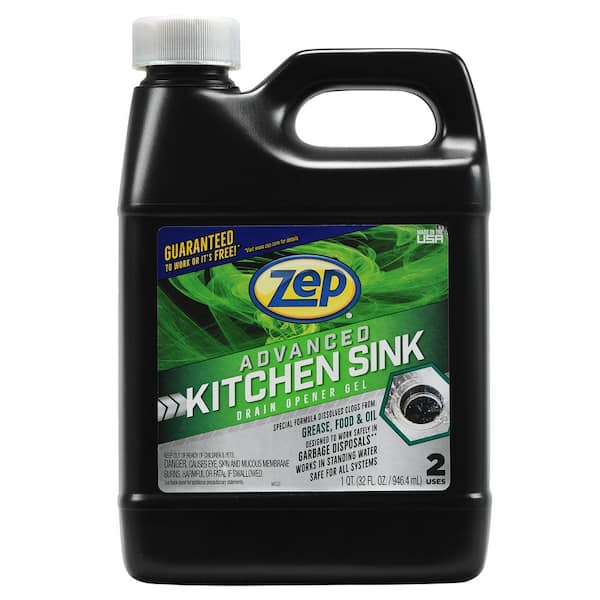
When faced with a clogged kitchen sink, you might think of grabbing a powerful chemical drain cleaner. These cleaners are often highly effective, breaking down stubborn clogs quickly. But, they come with risks such as potential damage to pipes and harmful fumes. On the other hand, natural drain cleaners use gentle ingredients like baking soda and vinegar. They are safer for both your pipes and the environment. If you’ve ever tried a baking soda and vinegar mix, you know it can tackle minor clogs and is a great preventative measure. Which one should you choose? Consider the severity of the clog and your comfort with using chemicals in your home. Are you dealing with a major blockage or just a routine clean-up?Safety Considerations
Using drain cleaners safely is crucial. Chemical cleaners can be hazardous if not handled properly. Always read the label instructions before use, and wear gloves and goggles to protect yourself from splashes. Ensure the area is well-ventilated to avoid inhaling any toxic fumes. It’s a small step but makes a big difference in keeping you safe. For natural options, the risks are minimal, but it’s still wise to use them carefully. Even natural ingredients can cause irritation if they come into contact with your skin or eyes. Have you ever thought about how these choices impact your household’s safety? Prioritizing safety can help you maintain a healthy home environment while effectively managing clogs.Preparing For Cleaning
To clean a kitchen sink, first ensure the sink is empty and dry. Pour the recommended amount of drain cleaner directly into the drain. Follow the instructions on the cleaner’s label for the best results. Remember to ventilate the area to avoid inhaling fumes.
Preparing for cleaning is a crucial step before using a drain cleaner in your kitchen sink. You might be tempted to jump right into the task, but taking a few moments to gather your tools and gear can make the process smoother and safer. It’s like setting the stage for success—one that keeps your kitchen functioning and your stress levels low.Gathering Necessary Tools
Before you start, make sure you have all the tools needed. This typically includes a bucket, a plunger, and, of course, the drain cleaner itself. If you’re like me, you’ve probably experienced the frustration of starting a task only to realize you’re missing a crucial item. Gathering everything beforehand saves time and keeps you focused. Consider keeping these tools in a designated area in your home for easy access whenever needed.Protective Gear For Safety
Safety should be your top priority when dealing with chemicals. Always wear gloves to protect your hands from harsh substances. Eye protection is also recommended to avoid any accidental splashes. I once underestimated the strength of a cleaner and ended up with irritated skin. A simple pair of gloves could have avoided that discomfort. This gear doesn’t just protect you; it allows you to work confidently without hesitation. Have you ever thought about how much more effective you can be when you’re not worried about safety? Following these steps helps you focus solely on the task at hand.Step-by-step Cleaning Process
Cleaning your kitchen sink with drain cleaner might seem straightforward, but doing it right can save you from potential mishaps. Whether it’s a slow drain or an outright clog, following a methodical cleaning process ensures safety and effectiveness. Let’s walk through the steps to keep your sink in top shape.
Clearing The Area
Before you start, make sure the sink area is clear. Remove all dishes and cleaning supplies from around the sink. This not only gives you space to work but also prevents accidental spills on items you care about.
Think about how often you’ve hurriedly poured drain cleaner, only to have it splash on a dish. Clearing the area can save you from unwanted cleaning afterwards.
Application Techniques
Now, it’s time to apply the drain cleaner. Always read the instructions on the label. Pour the specified amount directly into the drain.
Have you ever wondered why your drain cleaner isn’t working? Often, it’s because we don’t give it enough time to break down the clog. Set a timer for the recommended duration and let the cleaner do its job.
Rinsing And Flushing
Once the cleaner has done its work, rinse the sink thoroughly. Run hot water for several minutes to flush out any remaining residue. This step is crucial for preventing future clogs and keeping your pipes in good condition.
Imagine the satisfaction of seeing water flow smoothly down the drain. It’s not just about cleaning; it’s about maintaining the ease in your daily kitchen routine.
Have you ever tried these steps and found them useful? Share your experiences and tips below. Remember, a clean kitchen sink is the heart of a hygienic cooking space!
Credit: trusteyman.com
Preventing Future Clogs
Drain cleaners prevent kitchen sink clogs effectively. Pour cleaner slowly into the drain. Allow it to sit before rinsing with hot water. Regular use keeps pipes clear and avoids future blockages.
Preventing future clogs in your kitchen sink doesn’t have to be a daunting task. By adopting a few simple habits, you can ensure that your sink remains clog-free and functions smoothly. Imagine coming home after a long day, ready to cook your favorite meal, only to find a stubborn clog. Let’s make sure that doesn’t happen to you.Regular Maintenance Tips
Keeping your kitchen sink clog-free starts with regular maintenance. Make a habit of running hot water down the drain after each use. This helps flush away any small particles before they build up. Consider using a natural solution like baking soda and vinegar weekly. Pour half a cup of baking soda down the drain, followed by a cup of vinegar. Allow it to fizz for a few minutes, then rinse with hot water. This simple trick can help keep the pipes clean and odor-free.Safe Disposal Practices
What you put down your sink matters. Avoid disposing of grease, oil, or coffee grounds down the drain. They can solidify and cause stubborn clogs over time. Instead, collect grease in a container and dispose of it in the trash. For coffee grounds, consider composting them or throwing them away. By being mindful of what goes down your sink, you can prevent many common clogs. Are you guilty of rinsing leftover food down the drain? Use a drain strainer to catch food particles. It’s a small investment that can save you from future plumbing issues. Think about how often you rely on your kitchen sink. Isn’t it worth a little effort to keep it running smoothly? By following these tips, you can enjoy a clog-free kitchen sink and avoid the hassle of unexpected plumbing problems.Troubleshooting Common Issues
Kitchen sink clogs can be incredibly frustrating, often happening at the most inconvenient times. While drain cleaners are a quick fix, sometimes you might face persistent issues that require a bit more troubleshooting. Understanding when to tackle a clog yourself and when to call in a professional can save you time and money.
Dealing With Persistent Clogs
Ever found yourself battling the same clog over and over? You’re not alone. Persistent clogs often indicate a deeper issue. It might be tempting to keep pouring drain cleaner down the sink, but this can sometimes worsen the problem.
Consider what’s going down your drain. Grease, food particles, and soap can build up over time. Try using a combination of baking soda and vinegar for a natural remedy. It’s a simple solution that can be surprisingly effective.
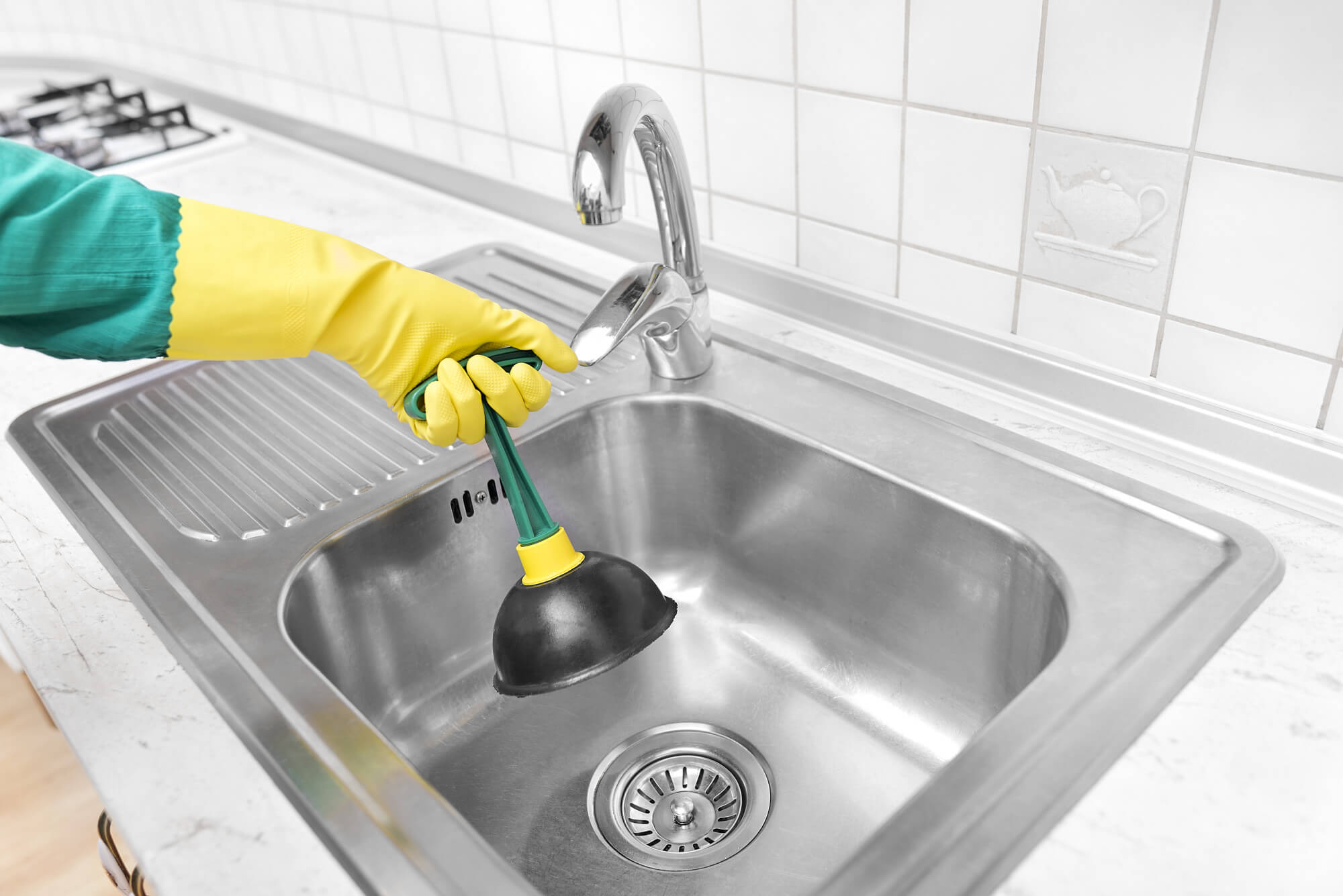
Another trick is to use a plunger. Yes, the trusty plunger isn’t just for toilets! The suction can help dislodge stubborn blockages. Give it a try before resorting to more chemical-based solutions.
When To Call A Professional
There comes a time when DIY solutions just won’t cut it. Have you tried everything, yet the sink remains clogged? This might be a sign of a bigger issue, such as a pipe blockage further down.
Repeated use of chemical drain cleaners can damage pipes, leading to more costly repairs. If you’re not seeing results, calling a plumber could be the best move.
Ask yourself: How much is your time worth? Sometimes, investing in a professional’s expertise can save you headaches in the long run. Plus, they have tools and knowledge that go beyond what typical home remedies can offer.
So, next time you face a clog, consider these tips. Knowing when to tackle it yourself and when to seek help is key to a smoothly functioning kitchen.
Credit: www.homedepot.com
Frequently Asked Questions
Why Do Plumbers Say To Not Use Drano?
Drano can damage pipes, especially older ones. It creates heat, risking pipe cracks or warping. Plumbers suggest safer, eco-friendly alternatives to protect plumbing systems. Avoiding Drano helps maintain long-term pipe integrity and reduces the need for costly repairs.
How Long Should You Leave Drain Cleaner Before Rinsing?
Leave the drain cleaner for 15 to 30 minutes before rinsing. Always follow the product’s instructions for best results. Ensure proper ventilation and avoid mixing with other chemicals to prevent harmful reactions. Rinse thoroughly with hot water to clear any remaining residue.
What’s The Best Way To Unclog A Kitchen Sink Drain?
Use a plunger to unclog the kitchen sink drain effectively. Pour boiling water and baking soda, then vinegar. Let it fizz. Rinse with hot water. If needed, use a plumber’s snake for stubborn clogs. Regular maintenance prevents future blockages.
Is It Safe To Put Draino Down A Kitchen Sink?
Draino can damage pipes if used frequently in kitchen sinks. Opt for safer, natural alternatives like baking soda. Avoid using chemical cleaners in sinks with garbage disposals. Regular maintenance prevents clogs and minimizes risks. Always follow product instructions for safe usage.
Consider professional help for persistent blockages.
Conclusion
Using drain cleaner in the kitchen sink can be straightforward. Always read the instructions carefully. Wear gloves to protect your hands. Pour the cleaner slowly into the drain. Allow it to sit for the recommended time. Rinse with hot water to clear the pipes.
Regular maintenance helps keep drains clog-free. Avoid overusing chemicals to protect pipes. Consider natural alternatives for safer options. Remember, safety first when handling cleaning products. Keeping your kitchen sink clean ensures a smooth daily routine. Enjoy a hassle-free kitchen experience with these easy tips.