
Are you tired of rummaging through cluttered drawers or struggling to find the right kitchen tool when you need it the most? Properly storing your kitchen tools and equipment can transform your cooking space into an organized haven.
Imagine the ease of having everything at your fingertips, ready to inspire your culinary creations. In this guide, you’ll discover simple and effective strategies to keep your kitchen orderly and efficient, making meal prep a breeze and saving you valuable time.
Ready to unlock the secrets to a well-organized kitchen? Let’s dive in and revolutionize the way you store your kitchen essentials!
Organizing Kitchen Space
Having a well-organized kitchen can transform your cooking experience. Imagine reaching for a spatula without rummaging through a cluttered drawer. By organizing your kitchen space, you create a seamless environment that enhances efficiency. Let’s dive into how you can make the most of your available space and utilize vertical storage for optimal organization.
Assessing Available Space
Begin by evaluating what space you have. Open every cabinet and drawer. Take stock of their current state. Are they overflowing with gadgets you rarely use? Identify areas that can be freed up by removing unnecessary items. Think about how you use your kitchen. Where do you spend most of your time? This will help determine where tools should be stored.
Consider the layout of your kitchen. Is there an awkward corner that could be transformed into a storage haven? Perhaps a narrow wall could hold shelves for your spices. By creatively assessing your space, you might find hidden storage opportunities. Remember, not every tool needs to be in the kitchen. Seasonal or rarely-used items can be stored elsewhere.
Utilizing Vertical Storage
Vertical storage is a game-changer for small kitchens. Think about all the wall space that often goes unused. Installing racks or hooks can free up counter and drawer space. Hang pots and pans or even utensils on the walls. This not only saves space but also makes your tools easily accessible.
If you have high ceilings, consider adding overhead storage. This could be a pot rack or shelves for less frequently used items. Maximize cabinet space with stackable shelves or organizers. These can help you see and access items quickly, without having to dig through piles of clutter.
Have you ever thought about using the inside of cabinet doors? Attach hooks or small racks for lids and cleaning supplies. This simple trick can save you from the frustration of searching for that one elusive pot lid. By utilizing vertical storage, you can keep your kitchen organized without sacrificing functionality.
Organizing your kitchen isn’t just about making it look neat. It’s about creating a space that works for you. How will you transform your kitchen today?
:strip_icc()/202205MB_79357-2143e96dec8642b99fe5e6cd3ec7c6a5.jpg)
Credit: www.bhg.com
Categorizing Kitchen Tools
Organize kitchen tools by grouping similar items together for easy access. Store frequently used items in reachable places. Use drawers, hooks, and containers to keep everything tidy. Keep sharp tools separate for safety. Label storage areas for quick identification. Ensures a neat and efficient kitchen workspace.
Organizing your kitchen tools and equipment can transform your cooking space into a more efficient and enjoyable environment. Knowing where each tool belongs helps you find what you need quickly and saves you from unnecessary stress. One effective way to achieve this is by categorizing your kitchen tools. This method allows you to keep everything in its rightful place and makes your kitchen look neat and tidy. Let’s explore some practical ways to categorize your kitchen tools effectively.Grouping By Function
Think about how you use each tool. Do you have a drawer full of random gadgets that you have to sift through every time you cook? Grouping tools by their function can solve this problem. – Cutting Tools: Keep all your knives, peelers, and scissors together. A magnetic strip on the wall can save drawer space and keep sharp objects safely accessible. – Mixing and Measuring: Bowls, measuring cups, and spoons should have a designated spot. Consider a drawer or a shelf near your prep area. – Cooking Utensils: Spatulas, ladles, and whisks belong near the stove. A utensil holder can keep them upright and within arm’s reach. By grouping tools by their purpose, you streamline your cooking process and reduce clutter.Sorting By Frequency Of Use
Do you find yourself reaching for the same spatula every morning? Tools you use daily should be easy to access. Place them in the most convenient spots. – Daily Use Items: Store these in the top drawers or at the front of cabinets. This could include your favorite skillet, coffee maker, or everyday cutlery. – Occasional Use Items: Items like a turkey baster or cake stand can be stored in less accessible areas, like higher shelves or deeper cabinets. – Rarely Used Tools: Holiday-specific gadgets or specialty cookware can be packed away until needed. Consider labeling boxes or storage bins for easy identification. This method not only saves time but also ensures that your most-used tools remain in top condition, as they are less likely to be damaged by being shuffled around. Are you ready to revolutionize the way you organize your kitchen tools? By categorizing your items, you can create an efficient and stress-free cooking environment. What changes will you make today?Choosing The Right Storage Solutions
Organizing a kitchen efficiently requires smart storage solutions. Proper storage ensures tools and equipment last longer. It keeps the kitchen tidy and safe. Selecting the right storage can transform your cooking space.
Consider shelving, drawer dividers, and inserts. Each offers unique benefits. Let’s explore these options to find the best fit for your kitchen.
Shelving Options
Shelves provide ample space for storing kitchen tools. Wall-mounted shelves save floor space. They make items easy to reach. Adjustable shelves offer flexibility. You can change shelf height to fit different tools. Open shelving can display beautiful dishes or cookware. It adds style to your kitchen.
Drawer Dividers And Inserts
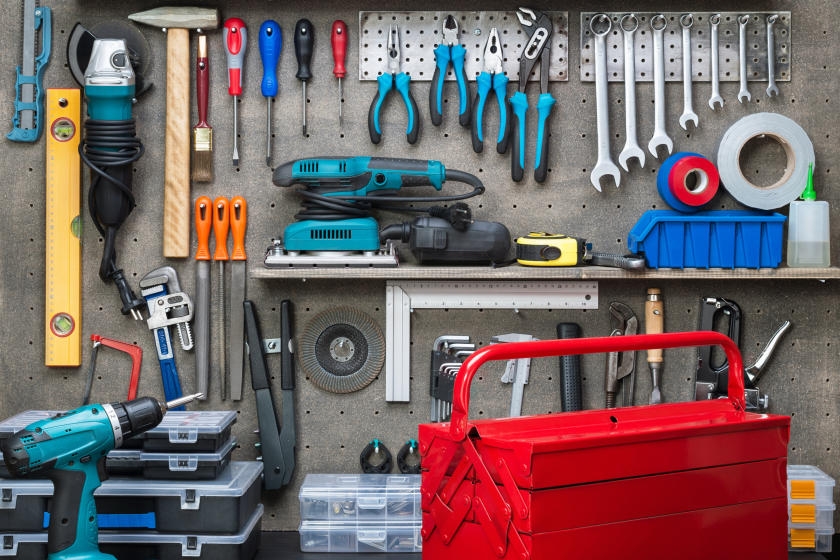
Drawer dividers organize small kitchen tools. They prevent clutter and save time. Keep utensils and gadgets neat and easy to find. Inserts help separate items by type. For example, use knife inserts for safe storage. Customizable inserts fit various drawer sizes. They enhance organization and accessibility.
Credit: www.truevalue.com
Maintaining Accessibility
Maintaining accessibility is crucial for a functional kitchen. Proper storage of tools and equipment ensures efficiency. A well-organized kitchen saves time during meal preparation. It also reduces frustration. By focusing on accessibility, you create a seamless cooking experience. Let’s explore ways to maintain accessibility in your kitchen.
Easy Access For Daily Use
Store frequently used items in accessible locations. Place them within arm’s reach to minimize effort. Use drawer organizers for utensils. Consider countertop containers for spatulas and spoons. Wall-mounted racks keep pots and pans handy. This setup minimizes clutter and streamlines your workflow.
Designating Zones For Cooking
Divide your kitchen into zones based on tasks. Create a prep zone near the sink. Store knives, cutting boards, and mixing bowls there. Establish a cooking zone by the stove. Keep pots, pans, and spices within reach. A baking zone might include measuring cups and mixers. This method enhances productivity and keeps the kitchen organized.
Preventing Damage And Wear
Proper storage reduces wear on kitchen tools. Keep utensils in dry, cool places to prevent rust and damage. Use dividers or hooks for organization, ensuring easy access and minimizing clutter.
Storing kitchen tools and equipment properly is crucial to maintaining their longevity and efficiency. Preventing damage and wear goes beyond merely placing items in drawers or cupboards. It involves adopting mindful practices that safeguard your investments. Have you ever reached for your favorite knife, only to find it dull or chipped? Proper storage techniques can prevent such frustrations and ensure your kitchen tools remain in top condition. Let’s delve into the details.Proper Handling Techniques
Handling your kitchen tools with care is the first step towards preventing wear. Always clean them thoroughly after use. A knife, for instance, should be wiped dry immediately to prevent rust. When you stack pots and pans, use a soft cloth to avoid scratches. Have you ever considered the impact of stacking heavy items? It can warp or damage lighter tools underneath, so be mindful of how you arrange them.Protective Covers And Cases
Using protective covers and cases can significantly extend the life of your kitchen equipment. Knife sheaths are a simple yet effective way to keep blades sharp and safe. Silicone sleeves for pans prevent scratches and dents. Have you thought about using cases for small appliances? They shield them from dust and accidental knocks, especially if you store them in a busy area. These protections are easy to implement and make a noticeable difference. How do you store your kitchen tools? Are they just tossed into a drawer, or do you take steps to protect them? By adopting these practices, you not only preserve your tools but also enhance your cooking experience.Utilizing Specialized Racks
Storing kitchen tools and equipment efficiently can transform your cooking space. Specialized racks offer a smart solution for organizing kitchen essentials. They save space and keep tools within easy reach. This not only enhances functionality but also adds an element of style. Below, we explore two effective types of specialized racks.
Pot And Pan Racks
Pot and pan racks help organize your cookware efficiently. They come in various designs, from ceiling-mounted to wall-mounted options. These racks free up cabinet space and keep your pots accessible. Hanging pots and pans reduces clutter and adds a decorative touch. Choose a sturdy rack that supports the weight of your cookware.
Consider the layout of your kitchen before installing. Ensure the rack is within easy reach of your cooking area. This makes it convenient to grab what you need while cooking. Pot and pan racks are ideal for both small and large kitchens. They maximize vertical space and keep countertops clear.
Magnetic Knife Strips
Magnetic knife strips are perfect for storing knives safely. They use strong magnets to hold knives securely. Mounted on a wall, they save valuable drawer space. This also keeps knives sharp and in better condition. Knives are easily accessible, making food prep more efficient.
Install the strip near your chopping area for best results. Ensure it is high enough to be out of reach of children. Magnetic strips are easy to clean, reducing the risk of bacteria. They provide a sleek, modern look to any kitchen. A simple way to keep your workspace organized and safe.
Incorporating Aesthetic Elements
Elevate kitchen storage with aesthetic elements that blend functionality and style. Use hooks, racks, and baskets to keep tools organized and easily accessible. Arrange items neatly to enhance visual appeal and ensure efficient use of space.
Incorporating aesthetic elements into your kitchen storage enhances the overall atmosphere. It creates a space that is both functional and visually pleasing. By combining style with practicality, your kitchen becomes a place you love. This balance between utility and design elevates your cooking experience.Blending Function With Style
Functional storage doesn’t have to be dull. Choose kitchen tools that have a unique design. For instance, wooden utensils add warmth and texture. Stainless steel tools offer a sleek and modern look. Mix and match materials for a balanced aesthetic. Consider color coordination. Brightly colored tools add a pop of color to neutral spaces. Labels on containers can be stylish, too. Use chalkboard labels for a rustic touch.Display Ideas For Open Shelving
Open shelving offers a chance to showcase your kitchenware. Arrange items by size and type for a neat look. Stack plates and bowls in an orderly fashion. Use clear jars for dry goods like pasta or grains. It keeps items visible and accessible. Include decorative elements like small plants or cookbooks. These add personality to your shelves. Use baskets or bins for smaller items. They help in maintaining order and cleanliness.Regular Cleaning And Maintenance
Regular cleaning and maintenance of kitchen tools and equipment is crucial. It ensures longevity and optimal performance. Neglecting this can lead to wear and tear. Proper cleaning prevents the buildup of grime and bacteria. This keeps your kitchen hygienic and safe. Maintenance includes regular checks and repairs. It reduces the risk of malfunction.
Scheduled Inspections
Setting a routine for inspections is vital. It helps identify issues early. Inspect tools for rust or damage. Evaluate the sharpness of blades. Check electrical cords for fraying. Regular inspections prevent major breakdowns. Schedule them monthly or quarterly. Consistency is key.
Repair And Replacement Of Damaged Tools
Address damaged tools promptly. A broken tool can cause accidents. Repair minor issues immediately. Replace tools that can’t be fixed. Check warranties for repairs or replacements. Invest in quality tools for durability. Keep spare parts for common repairs.
Expert Tips For Small Kitchens
Organize small kitchens by using vertical space and hooks for hanging utensils. Store similar items together for easy access. Utilize drawer dividers to keep tools neatly arranged and avoid clutter.
Having a small kitchen doesn’t mean you can’t have a fully functional space. With a bit of creativity and smart planning, you can store your kitchen tools and equipment efficiently, even when every square inch counts. Here, you’ll find expert tips that focus on maximizing your compact kitchen space without compromising on accessibility or style.Maximizing Compact Spaces
In small kitchens, every inch matters. Start by evaluating which tools and gadgets you use most frequently. Keep these items within easy reach, while storing rarely used tools in less accessible places. This prioritization ensures that your kitchen remains functional and clutter-free. Consider vertical storage options. Wall-mounted racks or magnetic strips can hold knives and metal utensils, freeing up valuable drawer and counter space. Think about the space above your cabinets or refrigerator; these areas are often overlooked but can store larger items like baking trays or slow cookers. Are you using the back of your cabinet doors? Installing hooks or small shelves can create additional storage for things like pot lids or measuring spoons.Innovative Storage Solutions
For small kitchens, creativity is key. Stackable containers are a godsend for organizing pantry items, enabling you to make the most of limited shelf space. Opt for clear containers to quickly identify contents, saving you time during meal prep. Lazy Susans are another fantastic tool. Place them in cabinets or on shelves to easily access spices, oils, or condiments. Drawer dividers are your best friend for tidying utensils. They prevent clutter and make it easier to find what you need quickly. If you have limited counter space, consider a rolling cart. It can serve as both a storage solution and an extra prep area. When not in use, it can be tucked away neatly. Does your kitchen have awkward corners? Install corner shelves to utilize these tricky areas for storing small appliances or decorative items. What’s your most creative storage solution? Share your tips and make your small kitchen work smarter, not harder.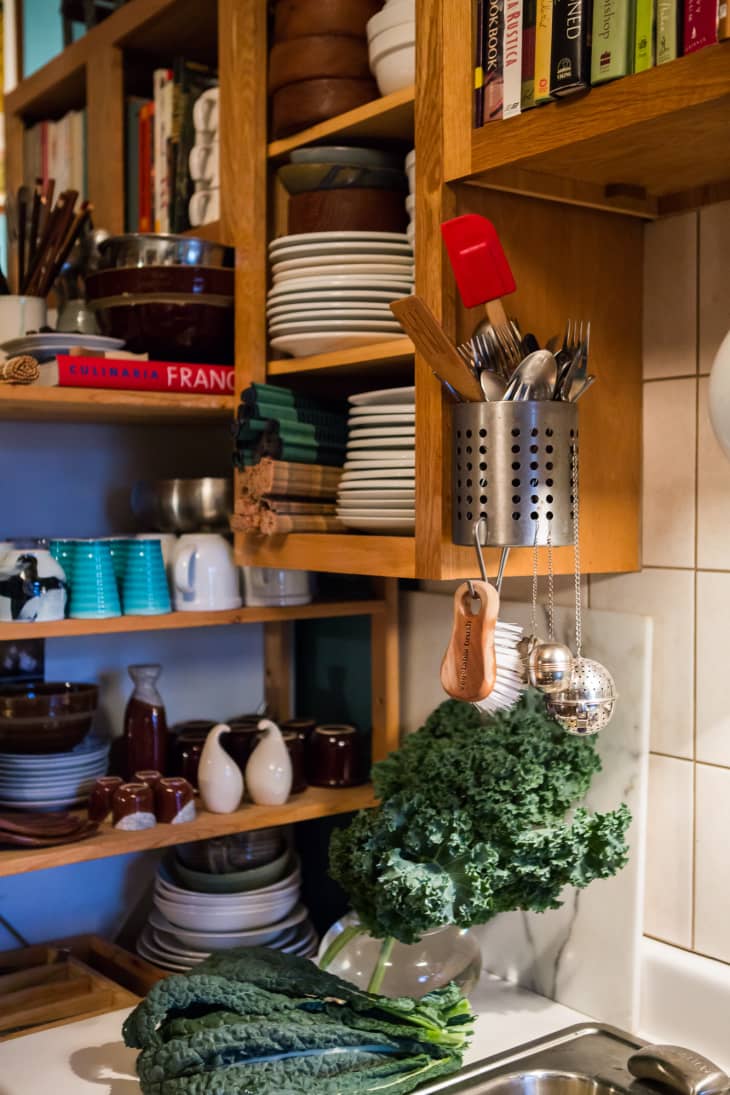
Credit: www.thekitchn.com
Frequently Asked Questions
What Is The Proper Way Of Storing Kitchen Tools And Equipment?
Store kitchen tools in designated drawers or racks. Arrange equipment by category for easy access. Keep frequently used items within reach. Ensure sharp tools have covers or guards. Maintain a clean, dry environment to prevent rust or damage.
What Are The Three Guidelines To Follow When Storing Utensils And Equipment?
Ensure utensils and equipment are clean and dry before storing. Store them in designated areas to prevent contamination. Keep items organized and accessible for efficient use.
Where To Put Utensils In A Kitchen Without Drawers?
Use wall-mounted racks or magnetic strips for utensils. Install hooks on walls or inside cabinets. Place them in countertop containers or hang them on the sides of kitchen islands. Consider using a pegboard for additional storage options. Keep frequently used utensils accessible for convenient cooking.
How Should Utensils Be Stored?
Store utensils in a clean, dry drawer or organizer. Use dividers for neat arrangement. Hang frequently used ones on hooks. Keep sharp utensils in a knife block or sheath. Ensure easy access and maintain hygiene by cleaning storage areas regularly.
Conclusion
Proper storage keeps kitchen tools in good shape. Store items in easy-to-reach places. Use labels for quick identification. Maintain cleanliness to avoid bacteria. Organize by usage frequency for efficiency. Secure sharp tools safely to prevent accidents. Invest in durable storage solutions.
This saves time and energy in the kitchen. Simple steps make a big difference. Enjoy a neat and organized kitchen space. Cooking becomes more enjoyable and less stressful. Ensure your kitchen tools last longer with proper care. Your kitchen deserves the best! Keep it tidy and functional.