Imagine walking into a kitchen that feels not only functional but also like an extension of your personal style. The colors, the layout, and even the smallest details seem to fit together seamlessly, making cooking and gathering a joy rather than a chore.
Designing your dream kitchen might seem daunting, but it doesn’t have to be. This guide will help you transform your vision into reality, step by step. Whether you’re redesigning an outdated space or starting from scratch, planning a kitchen design is all about combining practicality with creativity.
You deserve a kitchen that works for you and reflects who you are. Curious to know how you can achieve this balance? Let’s dive in and explore the secrets to crafting a kitchen that you’ll love for years to come.
Setting Your Goals
Setting your goals is the first step in planning a kitchen design. It involves understanding what you want and need. This helps create a space that fits your lifestyle and preferences.
Identifying Needs
Think about what you need in your kitchen. Do you need more storage space? Or perhaps better lighting? Consider the appliances you use most often. A well-planned kitchen should meet your cooking and dining needs. It’s important to know what you truly need versus what you simply want.
Consider who uses the kitchen. If you have kids, you might need more counter space for baking. If you love hosting dinner parties, a larger dining area might be important. Identifying these needs helps in creating a functional layout.
Considering Lifestyle
Think about your daily routine. Do you cook every day or just on weekends? This affects the amount of preparation space required. If you enjoy gourmet cooking, you might want high-end appliances.
Consider family habits too. If everyone gathers in the kitchen, you might need more seating. Your lifestyle determines how the kitchen should be designed. It should be a place that fits naturally into your daily life.
Budgeting Wisely
Careful planning helps design a kitchen within budget. Prioritize essentials and compare materials for cost-effective choices. Smart decisions ensure a functional and stylish space without overspending.
Planning a kitchen design is an exciting journey, but it can quickly become overwhelming if you don’t budget wisely. Smart budgeting ensures you transform your kitchen into a space you love without breaking the bank. Let’s dive into how you can estimate costs and prioritize expenses to make the most out of your budget.Estimating Costs
Before diving into the nitty-gritty, it’s crucial to understand what your dream kitchen might cost. Start by listing all the features you want—cabinets, appliances, countertops, lighting, and flooring. Research average prices for each item. A friend of mine started her kitchen renovation without a clear cost estimate. Halfway through, she realized her budget couldn’t cover the premium appliances she had envisioned. This is why estimating costs upfront is essential. It helps you align your vision with reality. Don’t just focus on the big-ticket items. Smaller details like knobs and handles, paint, and fixtures can add up. Use a spreadsheet to track these costs. This way, you won’t be caught off guard by unexpected expenses.Prioritizing Expenses
Once you have a rough idea of costs, it’s time to prioritize. What are the must-haves in your kitchen? Is it a professional-grade stove, or perhaps a sleek countertop? Identify the elements that will truly enhance your space. Remember, investing in quality where it counts can save you money in the long run. A family member opted for cheaper cabinets and ended up replacing them within a year due to wear and tear. Allocating a larger part of your budget to durable items can prevent future headaches. Consider creating a list of priorities in order. This will help you allocate funds more effectively. Can you compromise on certain elements without sacrificing style or function? Asking yourself such questions ensures your budget reflects both your needs and wants. Engage with your design by asking: What will make your kitchen truly yours? Personalizing your space while staying within budget is the ultimate goal. Are you ready to take the first step in crafting your dream kitchen?Choosing A Layout
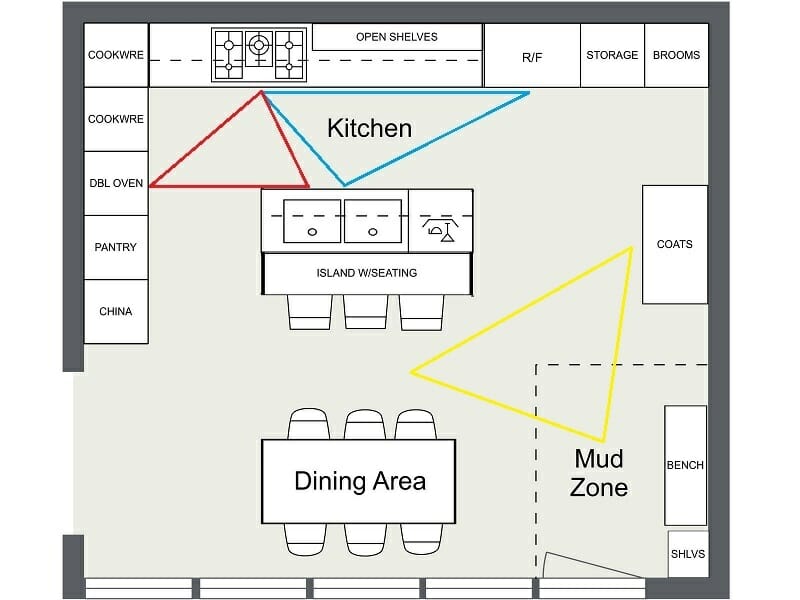
Choosing a kitchen layout is a crucial step in design planning. The layout determines flow and functionality. A well-chosen layout can enhance cooking experiences. It also maximizes available space. Consider your needs and lifestyle when selecting a layout.
Popular Layouts
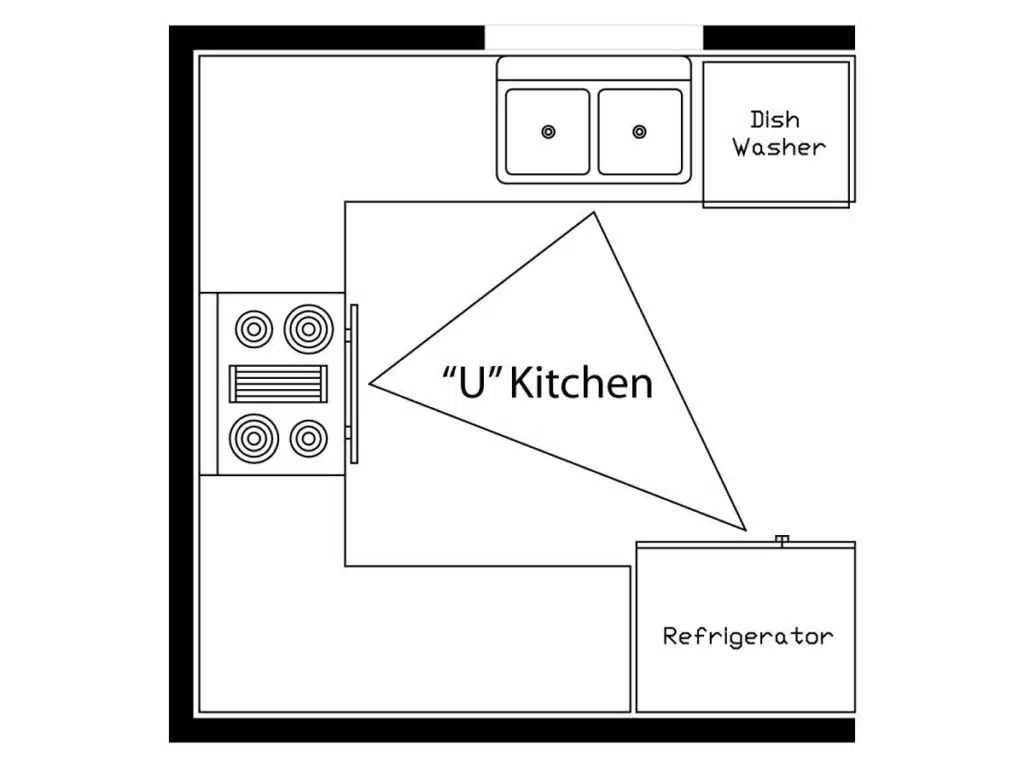
Several kitchen layouts stand out for their efficiency. The L-shaped kitchen is common and versatile. It fits well in small and medium spaces. The U-shaped layout offers ample counter space. It is ideal for larger kitchens. The galley kitchen is perfect for narrow areas. It features two parallel counters for easy access. Each layout has unique benefits to explore.
Maximizing Space
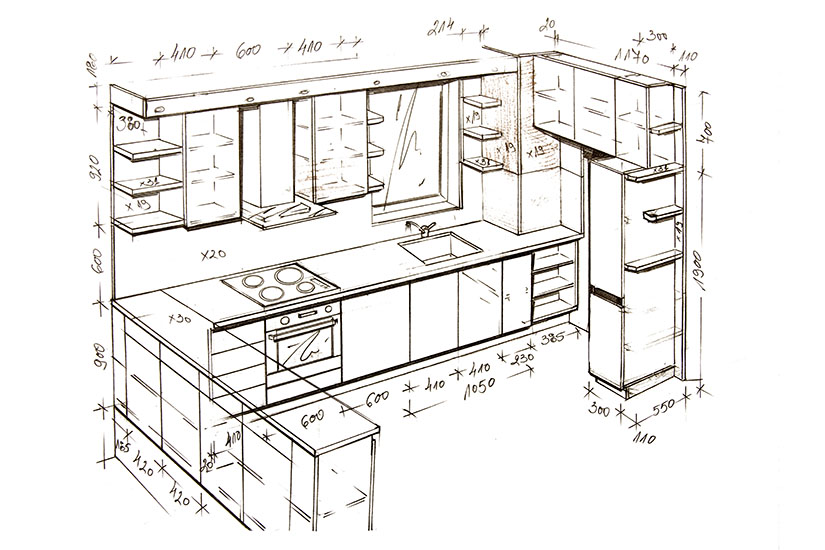
Space optimization is key in kitchen design. Utilize vertical storage for more room. Cabinets can reach up to the ceiling. Open shelving offers quick access to essentials. Use corner cabinets to avoid wasted space. Choose multifunctional furniture to save room. Prioritize efficient appliance placement. Every inch counts in a well-planned kitchen.
Credit: www.europeancabinets.com
Selecting Materials
Selecting materials is crucial in kitchen design planning. Opt for durable countertops, cabinets, and flooring to enhance functionality and style. Consider colors and textures that complement your overall design vision, ensuring a cohesive and inviting space.
Planning your kitchen design is an exciting journey, and selecting the right materials is crucial to creating a space that is both functional and beautiful. Materials can define the style and mood of your kitchen. Whether you want a sleek modern look or a warm traditional feel, choosing the right elements can make all the difference. It’s about finding a balance between durability, aesthetics, and cost. Let’s explore some key areas that will help you make informed choices.Countertops And Cabinets
Countertops are the workhorse of your kitchen. They need to withstand everything from hot pots to knife cuts. Consider materials like granite or quartz for their durability and easy maintenance. If you prefer a more budget-friendly option, laminate offers a variety of styles without breaking the bank. Cabinets set the tone for your kitchen’s style. Solid wood cabinets provide a timeless look and are incredibly durable. For a more modern vibe, consider sleek metal or glass-front cabinets. Think about how often you’ll be cleaning them and choose materials that match your lifestyle.Flooring Options
Your kitchen floor needs to be durable and easy to clean. Tile is a popular choice because it resists spills and stains. It also comes in a wide range of colors and designs. However, it can be cold and hard, so consider adding rugs for comfort. Wood floors bring warmth and elegance, but they require regular maintenance to keep them looking their best. If you love the look of wood but want something more practical, consider vinyl planks that mimic wood’s appearance. They’re waterproof and easier to maintain. Have you ever thought about how the materials you choose can impact the feel of your kitchen? Each decision not only affects aesthetics but also how you interact with the space daily. Remember, your choices should reflect your personal style and how you use your kitchen.Incorporating Appliances
Designing a kitchen involves smart appliance placement to ensure functionality and style. Consider appliance size and location for easy access. This helps in creating an efficient and visually pleasing space.
Incorporating appliances into your kitchen design adds functionality and style. Choosing the right appliances can enhance your cooking experience. It can also improve energy efficiency and save space. Let’s explore how to pick the best appliances for your kitchen.Energy Efficiency
Energy-efficient appliances reduce electricity usage. Look for the Energy Star label on appliances. This label indicates they meet energy-saving standards. Energy-efficient ovens and refrigerators help lower utility bills. They also contribute to a sustainable lifestyle. Modern appliances use advanced technology to minimize power consumption. Opt for models designed to save energy without sacrificing performance. Small changes like this make a big difference over time.Space Considerations
Space is a critical factor in kitchen design. Measure your kitchen area before purchasing appliances. This ensures a good fit and avoids overcrowding. Compact appliances suit smaller kitchens well. They offer the same features in a smaller footprint. Built-in appliances create a seamless look. They blend into cabinetry for a clean appearance. Consider appliances with multi-function capabilities. These save space by combining tasks into one unit. Planning ahead maximizes space and enhances the kitchen layout.Lighting Solutions
Lighting solutions are a crucial aspect of kitchen design that often goes unnoticed until it’s too late. The right lighting not only enhances the aesthetic appeal but also improves functionality. Let’s delve into the essentials of creating a well-lit kitchen.
Types Of Lighting
Understanding the types of lighting is essential to create a balanced kitchen environment. There are three main types: ambient, task, and accent lighting.
- Ambient Lighting:This is your main source of light, providing overall illumination. Think of ceiling fixtures or wall-mounted lights.
- Task Lighting:These are designed to help you perform specific tasks like chopping or reading recipes. Under-cabinet lights or pendant lights over islands work well here.
- Accent Lighting:This type highlights certain features like a beautiful backsplash or a piece of art. It adds depth and dimension.
Each type of lighting plays a distinct role. Combining them effectively can transform your kitchen into a well-lit, inviting space.
Placement Strategies
Strategic placement of lighting can make a big difference in your kitchen’s ambiance and functionality. Consider layering different types of lights to avoid shadows and glare.
Think about where you spend most of your time in the kitchen. Is it the countertop, the stove, or the dining area? Focus task lighting in these areas to enhance visibility.
In my experience, installing under-cabinet lights made a huge difference in my kitchen’s functionality. It illuminated the workspace without casting shadows, making meal prep easier and safer.
Also, don’t overlook the importance of dimmer switches. They allow you to adjust the lighting based on the time of day or the mood you wish to set. Wouldn’t it be great to have bright lights for cooking and a softer glow for dinner?
Consider the placement of windows and natural light sources as well. Natural light can complement your artificial lighting, reducing the need for additional fixtures.
Remember, the goal is to create a versatile lighting scheme that adapts to your needs. What lighting adjustments could make your kitchen a more pleasant space to work in?
Adding Personal Touches
Designing a kitchen is more than arranging cabinets and appliances. It’s about making a space that reflects your personality. Adding personal touches turns a functional area into a cozy, inviting room. These details create a unique atmosphere, making your kitchen truly yours.
Color Schemes
Choosing the right colors sets the mood of your kitchen. Bright colors like yellow and red can energize the room. Soft pastels and neutrals create a calming, serene space. Choose colors that complement your home’s overall theme. Consider the natural light in your kitchen. It affects how colors appear. Test swatches on your walls before deciding.
Decorative Elements
Decorative elements add character to your kitchen. Consider open shelves to display beautiful dishes. Use wall art to bring personality to the space. Plants can add a fresh touch. Choose pots that match your color scheme. Unique light fixtures can serve as statement pieces. A stylish rug adds warmth and texture. Personalize your kitchen with photos or mementos. They make the space feel like home.
Credit: 3dcloud.com
Hiring Professionals
Planning your kitchen design can be exciting yet overwhelming. One crucial step is hiring professionals to bring your vision to life. Whether it’s finding the perfect designer or working with contractors, each decision impacts the final outcome. Let’s dive into how you can make informed choices when hiring professionals for your dream kitchen.
Finding The Right Designer
Choosing a designer is like picking a partner for your kitchen journey. Look for someone who understands your style and needs. Check their portfolio to see if their past work resonates with your vision.
Ask friends or family for recommendations. Sometimes the best advice comes from those who have been through the process. Don’t shy away from interviewing multiple designers. It’s important to find one you connect with and who listens to your ideas.
Consider your budget. Be upfront about what you can spend. A good designer can work within your constraints while still delivering quality results. Have you thought about the timeline for your project? Discuss this early to ensure everyone is on the same page.
Working With Contractors
Contractors are the backbone of your kitchen renovation. Their skills can make or break your design. So, how do you find reliable ones? Start with reviews and testimonials. A contractor with good reviews is likely to be trustworthy and efficient.
Once you have a list, meet them in person. Discuss your project in detail and ask about their experience with similar tasks. Communication is key; ensure they are easy to reach and responsive to your queries.
Don’t forget to review the contract thoroughly. Are all the costs outlined? Clear agreements prevent misunderstandings later. Have you considered visiting a past project site? This gives you insight into their workmanship and attention to detail.
Hiring professionals can streamline your kitchen design process, making it smoother and less stressful. Each step you take in finding the right designer and contractor moves you closer to the kitchen of your dreams. Ready to start planning?
Timeline And Execution
Creating a kitchen design starts with setting a clear timeline. Break tasks into manageable steps for smooth execution. Focus on selecting materials, layout, and appliances to fit the space efficiently. Regular checks ensure progress aligns with your plan, keeping everything on track.
Planning a kitchen design requires careful coordination and attention to detail. Timeline and Execution are crucial components that ensure your kitchen remodel is not only aesthetically pleasing but also functional and efficient. When you embark on this journey, you’ll want to make sure every step is well-timed and executed flawlessly, setting the foundation for a space that reflects your style and meets your needs.Setting Milestones
Creating a timeline with clear milestones keeps your project on track. Start by identifying key stages like design approval, material selection, and installation. Think of milestones as checkpoints in your kitchen remodel journey. They help you measure progress and keep the momentum going. Imagine the satisfaction of checking off each milestone as you move closer to your dream kitchen. It’s like a roadmap guiding you to your final destination.Ensuring Quality Control
Quality control is vital to avoid costly mistakes and ensure a high standard. Regularly inspect work and materials to maintain consistency. Be proactive in addressing issues. A small oversight can lead to larger problems down the line. Have you ever felt the frustration of dealing with a poorly executed task? Ensuring quality control helps you avoid these pitfalls and achieve a kitchen that stands the test of time. When planning your kitchen design, focus on timeline and execution to bring your vision to life seamlessly. With clear milestones and stringent quality control, you can transform your kitchen into a space that not only functions well but also delights you every day.
Credit: www.idealhome.co.uk
Frequently Asked Questions
How Do I Plan My Kitchen Layout?
Start by determining your kitchen’s work triangle: sink, stove, and refrigerator. Ensure efficient workflow and accessibility. Maximize storage with cabinets and shelves. Consider lighting and ventilation. Choose durable materials for countertops and flooring. Tailor the design to your lifestyle and preferences.
What Is The 3×4 Kitchen Rule?
The 3×4 kitchen rule recommends organizing kitchen space into three zones: cooking, storage, and cleaning, within a four-foot grid. This layout maximizes efficiency, minimizes movement, and ensures easy access to essentials. It’s a popular design principle for small kitchens aiming for functionality and space optimization.
Is $10,000 Enough For A Kitchen Remodel?
A $10,000 budget can cover basic kitchen remodels. Expect costs for painting, fixtures, and minor updates. Larger changes like cabinetry or appliances may exceed this budget. Careful planning and prioritizing are essential for maximizing value within this limit. Consider DIY options to save money and stay within budget.
How Do I Decide Where To Put Things In My Kitchen?
Organize based on frequency of use. Place frequently used items within easy reach. Store heavy items in lower cabinets. Arrange items near related workspaces, like pots near the stove. Keep countertops clutter-free by storing small appliances. Use drawer dividers and cabinet organizers for efficient storage.
Conclusion
Creating a kitchen design requires planning and creativity. Start with your needs and lifestyle. Consider space, lighting, and appliances carefully. Colors and materials matter. Choose ones that reflect your taste. Set a budget and stick to it. Don’t rush decisions.
Think about future use and trends. Consult professionals for insights. Their advice can save time and money. Remember, a well-planned kitchen adds value to your home. It’s more than just cooking. It’s about comfort and functionality. With the right design, your kitchen becomes a welcoming hub for family and friends.
Happy designing!