
Open kitchen shelves can make your space look bright and inviting, but if they’re cluttered, they quickly become a headache. You want your kitchen to feel organized and stylish without spending hours rearranging.
Imagine opening your shelves and instantly finding what you need, while your kitchen looks neat and welcoming. You’ll discover simple, effective ways to organize your open kitchen shelves so they work for you every day. Keep reading to transform your kitchen into a space that’s both beautiful and functional.
Choose The Right Shelves
Open kitchen shelves add charm and easy access to your kitchen items. Picking the right shelves makes your kitchen look tidy and stylish.
Consider the material, size, spacing, and weight capacity before buying shelves. These factors affect both function and design.
Material Options
Choose shelf materials that match your kitchen style and durability needs. Wood, metal, and glass are popular choices.
- Wood:Offers warmth and a natural look. It is sturdy and easy to paint or stain.
- Metal:Gives an industrial and modern feel. It is strong and easy to clean.
- Glass:Looks sleek and brightens the space. It requires careful handling and regular cleaning.
Size And Spacing
Pick shelf sizes that fit your kitchen wall and the items you want to store. Proper spacing helps keep things organized and easy to reach.
| Item Type | Recommended Shelf Depth | Recommended Shelf Spacing |
|---|---|---|
| Plates and Bowls | 10-12 inches | 12-15 inches |
| Glasses and Cups | 8-10 inches | 10-12 inches |
| Cookbooks and Containers | 12-14 inches | 15-18 inches |
Weight Capacity
Check how much weight the shelves can hold. This prevents damage and keeps your items safe.
- Check the shelf material strength.
- Look for strong brackets or supports.
- Do not overload shelves beyond their limit.
- Distribute weight evenly across the shelf.
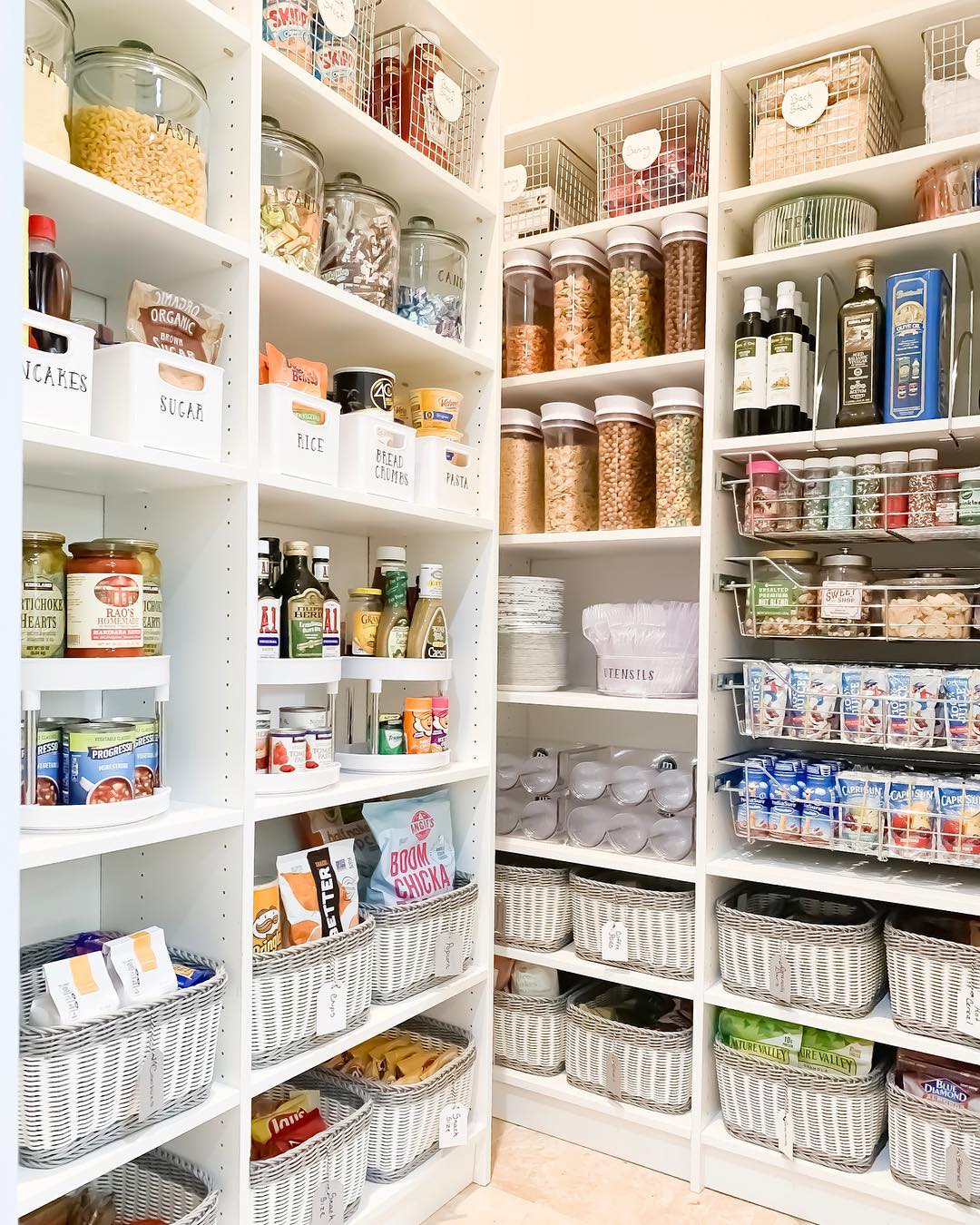
Credit: www.extraspace.com
Declutter Before You Organize
Open kitchen shelves look great when they are neat and tidy. Start by clearing everything off the shelves. This helps you see what you have and decide what to keep.
Removing clutter is the first step to organizing well. It makes the shelves easier to arrange and more useful in your daily cooking.
Sort Essentials From Extras
Look at all your kitchen items. Put the things you use every day in one pile. Set aside items you use less often or only on special occasions.
- Keep everyday dishes and cups handy
- Group spices and oils you reach for often
- Store rarely used gadgets elsewhere
- Separate seasonal or holiday items
Dispose Of Unused Items
Get rid of items that you no longer need. Broken, expired, or duplicate items only take up space. Clearing these makes room for what matters.
| Item Type | What to Do |
| Expired Food | Throw away immediately |
| Broken Utensils | Recycle or discard |
| Extra Dishes | Donate or store elsewhere |
| Old Containers | Recycle or trash |
Use Uniform Containers
Using uniform containers can make your open kitchen shelves look neat and tidy. It helps you save space and easily find what you need.
Choose containers that are the same size and shape. This creates a clean and organized look on your shelves.
Clear Jars And Bins
Clear jars and bins let you see what is inside without opening them. They are perfect for storing dry goods like pasta, rice, and beans.
- Use glass or plastic jars with tight lids to keep food fresh.
- Choose bins that stack well to maximize shelf space.
- Group similar items together in the same type of container.
- Keep frequently used items at eye level for easy access.
Labeling Tips
Labeling your containers helps you quickly identify what is inside. Use clear and simple labels for best results.
| Label Type | Description | Tip |
| Chalkboard Labels | Reusable and easy to write on with chalk markers. | Use for items you refill often. |
| Printed Labels | Neat and uniform appearance with typed text. | Ideal for long-term storage containers. |
| Tag Labels | Attached with string or ribbon, easy to move. | Good for baskets or bins that hold mixed items. |

Credit: www.consumerreports.org
Arrange By Function
Organizing open kitchen shelves by function helps keep your space neat. It makes cooking easier and faster.
Grouping items by use means you find what you need without searching. This method saves time and reduces clutter.
Group Cooking Tools
Keep all cooking tools together on one shelf. This includes spatulas, ladles, and tongs. Grouping them helps you grab tools quickly while cooking.
- Spoons and spatulas
- Whisks and tongs
- Measuring cups and spoons
- Peelers and graters
Separate Baking Supplies
Baking tools and ingredients should have their own shelf. Keep mixing bowls, baking pans, and measuring spoons together. Store dry ingredients like flour and sugar nearby.
| Item | Storage Tip |
| Mixing Bowls | Stack by size for easy access |
| Baking Pans | Store upright to save space |
| Flour and Sugar | Use airtight containers to keep fresh |
| Measuring Spoons | Hang or place in a small container |
Store Everyday Items Accessibly
Keep items you use daily within easy reach. This includes coffee mugs, plates, and cooking oils. Arrange these items at eye level or lower.
Try this simple arrangement:
- Top shelf: light items like mugs and cups
- Middle shelf: plates and bowls for quick use
- Bottom shelf: cooking oils and spices
Incorporate Decorative Elements
Open kitchen shelves look great when you add some decorative touches. These elements can make the space feel warm and inviting.
Decorative items also help organize shelves by breaking up the space. They add personality and style to your kitchen.
Add Greenery
Green plants bring life and color to open kitchen shelves. They make the kitchen feel fresh and cozy.
Choose small pots or hanging plants that fit well on your shelves. Herbs like basil or mint are useful and pretty.
- Succulents need little water and care
- Herbs add fresh flavors to cooking
- Trailing plants soften hard shelf edges
Display Artful Dishware
Show off your nicest plates, bowls, and cups on open shelves. Artful dishware adds color and texture to the kitchen.
Mix different shapes and sizes for a balanced look. Keep items you use often within easy reach.
- Use plate stands to show decorative plates
- Stack bowls in neat piles for easy access
- Arrange cups by size or color for style
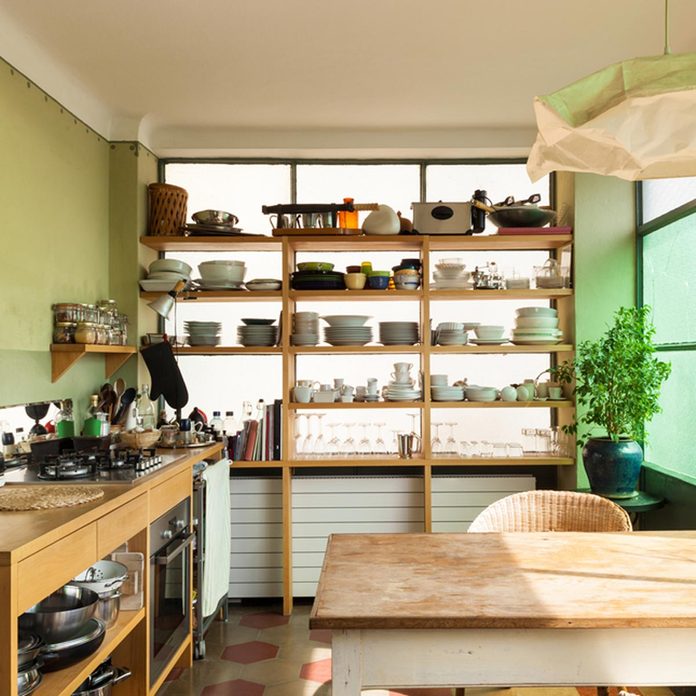
Credit: www.familyhandyman.com
Maximize Vertical Space
Open kitchen shelves can look neat and hold more items if you use vertical space well. You can arrange your kitchen tools and dishes so they fit higher up.
Using the full height of your shelves lets you keep your kitchen tidy and easy to use. This guide will help you organize shelves smartly.
Install Hooks And Rods
Hooks and rods make use of the empty space under shelves. You can hang mugs, utensils, or small pots to free up shelf surface.
- Attach hooks under each shelf to hang cups or kitchen tools.
- Use rods to hold hanging baskets for fruits or snacks.
- Place hooks near the sides for easy access to frequently used items.
- Choose strong hooks that hold weight without bending.
Stack Items Safely
Stacking items vertically keeps shelves organized and saves space. You should stack safely to avoid accidents or damaged dishes.
| Item | Stacking Tip | Safety Note |
| Plates | Stack by size, largest at bottom | Do not stack too high to avoid tipping |
| Bowls | Stack inside each other | Place heavier bowls at bottom |
| Glass jars | Stack only if lids are secure | Avoid stacking on uneven surfaces |
| Cookbooks | Stack horizontally | Keep away from heavy items |
Maintain Cleanliness And Order
Open kitchen shelves look beautiful when they are clean and neat. Keeping them tidy helps you find items quickly. It also keeps your kitchen safe from dust and germs.
Simple habits can keep your shelves organized every day. Regular cleaning and sorting make your kitchen more pleasant to use.
Regular Dusting
Dust gathers fast on open shelves. Wiping shelves often stops dust from building up. Clean shelves protect your dishes and food containers.
Use a soft cloth or duster to clean all shelf surfaces. Dust the items on the shelves too. This keeps everything fresh and tidy.
- Dust shelves at least once a week
- Use a microfiber cloth or feather duster
- Remove items before dusting for a deep clean
- Clean items on shelves to avoid dust buildup
Routine Reorganization
Organize your shelves regularly to keep order. Check for expired food or broken containers. Put items back in their correct place after use.
Rearranging shelves helps you see what you have. It stops clutter and makes cooking easier.
- Sort shelves every two weeks
- Group similar items together
- Use baskets or bins for small items
- Label shelves or containers for quick access
Frequently Asked Questions
How Do I Start Organizing Open Kitchen Shelves?
Begin by emptying your shelves completely. Sort items by use and style. Clean shelves thoroughly before placing items back neatly.
What Are The Best Containers For Open Shelf Storage?
Use clear glass jars or labeled baskets. They keep items visible and tidy. Choose uniform containers for a cohesive look.
How Can I Keep Open Shelves Clutter-free?
Limit items to essentials only. Group similar items together for easy access. Regularly declutter and rearrange to maintain order.
What Decorative Items Suit Open Kitchen Shelves?
Incorporate small plants, cookbooks, or stylish bowls. These add personality without overcrowding. Balance function with aesthetics for best results.
Conclusion
Organizing open kitchen shelves can make your space neat and inviting. Keep items you use often within easy reach. Use baskets or containers to reduce clutter and add style. Arrange dishes by size and type for quick access. Regularly clean shelves to maintain a fresh look.
Small changes create a big difference in your kitchen’s feel. A tidy shelf helps you cook with less stress. Try these tips to enjoy a more organized kitchen every day.