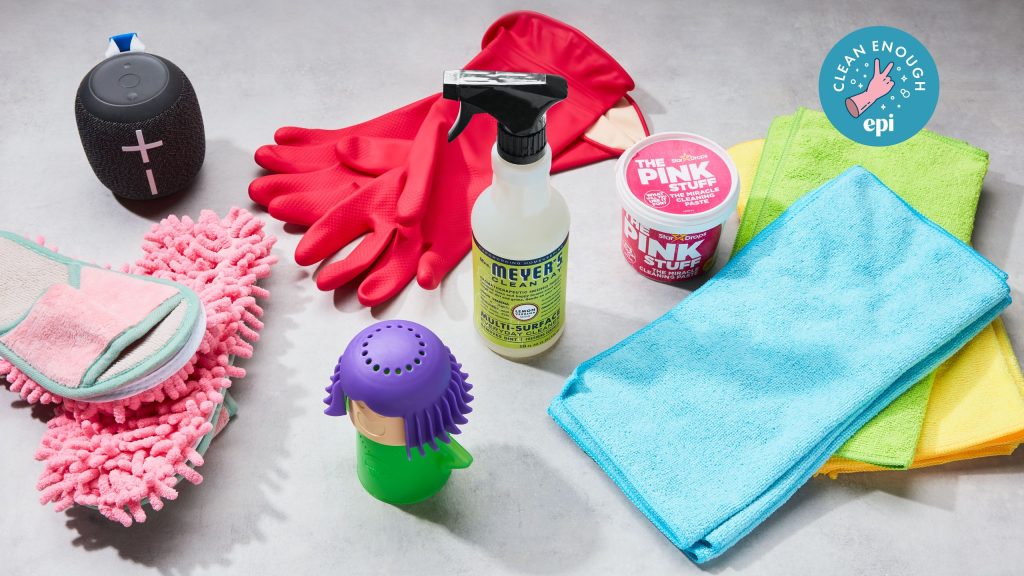
Imagine walking into your kitchen and being greeted by a fresh, clean space that feels like a breath of fresh air. You can achieve this without relying on store-bought cleaners filled with harsh chemicals.
What if you could make effective kitchen cleaning products right at home? This not only saves you money but also gives you peace of mind knowing exactly what’s in your cleaners. You’re in control, and your kitchen becomes a safer place for you and your family.
You’ll discover simple recipes and tips to create your own kitchen cleaning products using natural ingredients. Let’s transform your cleaning routine into a healthier, more eco-friendly process. Ready to make the switch? Let’s dive in!

Credit: www.bobvila.com
Benefits Of Diy Kitchen Cleaners
Creating your own kitchen cleaners offers many advantages. These homemade solutions are safe, cost-effective, and environmentally friendly. You can easily customize them to suit your needs. Let’s explore why DIY kitchen cleaners are a smart choice.
Cost Savings
Store-bought cleaners often come with a high price tag. Making your own cleaners saves money. Most ingredients are already in your kitchen. Vinegar, baking soda, and lemon are common components. These items are affordable and effective.
Environmental Impact
Commercial cleaners can harm the environment. They contain chemicals that pollute water and air. DIY cleaners use natural ingredients. This reduces your carbon footprint. Protecting the earth becomes easier and cheaper.
Health Benefits
Store-bought cleaners may contain harsh chemicals. These chemicals can irritate your skin and lungs. DIY cleaners use gentle, natural ingredients. They are safer for your family and pets. You breathe easier and stay healthier.
Customization
Homemade cleaners offer flexibility. You can adjust recipes to fit your needs. Add essential oils for fragrance. Use more vinegar for tough stains. You control what goes into your cleaners.
Ease Of Preparation
DIY kitchen cleaners are easy to make. Most recipes require only a few steps. Mix ingredients in a spray bottle. Shake well, and your cleaner is ready. It’s simple and quick.
Essential Ingredients
Crafting kitchen cleaning products involves a blend of essential ingredients like baking soda and vinegar. Mix these natural elements to create effective and eco-friendly solutions. These simple components ensure a clean kitchen without harmful chemicals.
Creating your own kitchen cleaning products can be both rewarding and cost-effective. With the right ingredients, you can craft solutions that are not only effective but also environmentally friendly. Understanding the essential ingredients is the first step to making your kitchen sparkle without the use of harsh chemicals. Below, we’ll delve into the must-have components that will turn your DIY cleaning endeavors into a success.Natural Cleaning Agents
Natural cleaning agents are the backbone of any homemade cleaning product. Baking soda and vinegar top the list for their ability to tackle grime and neutralize odors. Baking soda’s mild abrasiveness makes it perfect for scrubbing surfaces without scratching them. Vinegar, on the other hand, is excellent for cutting through grease and leaving surfaces shiny. You may already have these items in your pantry. If not, they are readily available at your local grocery store. Using them not only saves money but also reduces your exposure to the chemicals found in commercial cleaners.Scent Enhancers
Adding a pleasant aroma to your cleaning products can make the chore of cleaning more enjoyable. Essential oils such as lavender, lemon, and peppermint are popular choices. These oils not only smell wonderful but also have additional cleaning properties. For instance, lemon oil has antibacterial properties, while lavender can provide a calming effect. A few drops go a long way, so you can experiment with combinations to find your favorite scent. Imagine walking into a kitchen that smells as good as it looks.Antibacterial Additions
Keeping your kitchen free from harmful bacteria is a top priority. Tea tree oil and eucalyptus oil are fantastic natural options for their antibacterial and antifungal properties. Both oils can be easily mixed into your cleaning solutions. However, remember that these oils are potent. Just a few drops are needed to boost your cleaner’s effectiveness. Have you ever wondered if those store-bought antibacterial wipes are necessary? With these additions, you’ll have a powerful alternative right at your fingertips. Creating your own kitchen cleaning products is not only simple but also empowering. By using these essential ingredients, you can maintain a clean and healthy kitchen while being kind to the planet. Why not give it a try and see how satisfying it can be to clean with products you’ve made yourself?Tools And Equipment
Crafting your own kitchen cleaning products requires basic tools like mixing bowls, measuring spoons, and spray bottles. Essential equipment includes a blender for mixing ingredients and funnels for pouring solutions. Simple materials like vinegar, baking soda, and essential oils create effective, natural cleaners.
Cleaning your kitchen is a task that can feel daunting, but using homemade cleaning products makes it more rewarding and eco-friendly. To create these products efficiently, having the right tools and equipment is essential. You’ll save time, effort, and money while ensuring a spotless kitchen.Basic Kitchen Tools
To start, you’ll need some basic kitchen tools. A mixing bowl is essential for combining ingredients. Choose one that’s large enough to prevent spills. Keep a set of measuring spoons and cups handy. Precise measurements ensure your cleaning solution is effective. A funnel is useful for transferring your cleaning solutions into bottles without making a mess. It’s a simple tool, but it can save you from a lot of spills and waste. Spray bottles are a must-have. Reuse old ones or buy new ones that have adjustable nozzles for different spray settings.Storage Containers
Proper storage is crucial for maintaining the potency of your cleaning products. Use airtight jars or bottles to store your homemade solutions. Glass containers are ideal as they don’t react with the ingredients. Label your containers clearly. Write the product name and date of creation. This helps you keep track of what’s inside and when it might expire. Consider using mason jars for larger quantities. They are versatile, reusable, and easy to clean. Think about space. Where will you store these containers? Ensure they are easily accessible but out of reach of children and pets. Have you ever found yourself rummaging through a cluttered cabinet, struggling to find the right cleaning product? With organized storage, you can grab what you need without the stress. What tools are you missing in your kitchen for making cleaning products? Gathering the right equipment can turn a tedious chore into an enjoyable, productive activity.All-purpose Cleaner Recipe
Create an effective kitchen cleaner by mixing vinegar, water, and essential oils. This homemade solution tackles grease and dirt effortlessly. Enjoy a cleaner kitchen with fewer chemicals and a fresh scent.
Creating your own all-purpose cleaner can be a game-changer for your kitchen. Not only does it save you money, but it also allows you to avoid harsh chemicals found in many store-bought products. I remember the time I accidentally spilled some on my favorite wooden table, only to find it actually made the wood shine. Let’s dive into crafting this versatile cleaner.Ingredients Needed
To get started, gather these simple ingredients: – White Vinegar: Acts as a natural disinfectant. – Baking Soda: Excellent for tackling grime and dirt. – Essential Oils: Adds a pleasant scent and extra cleaning power. Lemon or lavender work well. – Water: Use distilled water for best results. – Spray Bottle: An empty bottle to hold your concoction. These items are easy to find and might already be in your pantry. The combination of vinegar and baking soda is a classic. Essential oils give it that extra boost and fragrance.Step-by-step Instructions
Follow these straightforward steps to mix your cleaner: 1. Combine Ingredients: In a mixing bowl, add one cup of water and half a cup of white vinegar. Stir gently to mix. 2. Add Baking Soda: Slowly add two tablespoons of baking soda to the mixture. Expect some fizzing—this is normal. 3. Essential Oils: Drop in 10-15 drops of your favorite essential oil. Stir gently to combine. 4. Transfer to Bottle: Pour the mixture into your spray bottle using a funnel. Secure the cap tightly. 5. Shake Before Use: Give the bottle a good shake before each use to ensure the ingredients are well mixed. That’s it! Your cleaner is ready to tackle kitchen messes. It’s satisfying to know exactly what goes into your cleaning products. Why spend money on products packed with chemicals when you can make an effective cleaner at home? Have you tried other DIY recipes that worked wonders? Share your experiences below!Degreaser Solution
Degreaser solutions are a game-changer for keeping your kitchen spotless. Whether you’re battling stubborn stove stains or greasy countertops, a homemade degreaser can be your best ally. Crafting your own solution is not just cost-effective but also allows you to control the ingredients, ensuring a safer environment for your family.
Key Components
The main components of an effective degreaser are items you likely already have. White vinegar is a popular choice due to its acidic properties, which break down grease easily. Baking soda adds a scrubbing power that helps lift away grime. Essential oils like lemon or tea tree add fragrance and additional cleaning benefits. Are you already imagining the fresh scent filling your kitchen?
Preparation Process
Creating your degreaser is simple and quick. Start by mixing equal parts of water and white vinegar in a spray bottle. Add a tablespoon of baking soda, and watch it fizz! This reaction is what helps in breaking down tough grease. Finally, drop in a few essential oil drops for that refreshing aroma.
Have you tried shaking the bottle yet? This action blends the ingredients perfectly, ensuring that every spray delivers maximum cleaning power. You can use this solution on various surfaces, from stovetops to cabinets, making it a versatile tool in your cleaning arsenal.
Isn’t it empowering to create something so useful with just a few household items? Now, imagine the time and money you can save by making your own cleaning products. Why not give it a try and see the difference it makes in your kitchen?
:max_bytes(150000):strip_icc()/ms-natural-cleaners-b420e0ed9b14456b9f37e4cdf7029b84.jpg)
Credit: www.marthastewart.com
Natural Disinfectant Spray
Create a natural disinfectant spray using everyday kitchen items. Mix vinegar and water for a simple solution. Add lemon juice for a fresh scent and enhanced cleaning power. Perfect for keeping surfaces clean and safe.
Creating your own natural disinfectant spray is a simple and rewarding task. It allows you to clean your home effectively without harsh chemicals. Plus, you can tailor the scent and potency to your liking. This DIY solution is not only gentle on your surfaces but also on the environment. Ready to make your kitchen sparkle with a touch of nature? To craft this homemade spray, you’ll need a few key ingredients. Start with white vinegar, which is a powerful disinfectant. Add water to dilute the vinegar and make it safe for most surfaces. You’ll also need essential oils like tea tree or lavender. These oils not only boost the cleaning power but also leave a pleasant aroma. Lastly, have a spray bottle on hand to store your mixture.Mixing Procedure
Begin by filling half of your spray bottle with white vinegar. Then, fill the rest with water, leaving a little space at the top. This ensures the solution is not too strong. Next, add 10-15 drops of your chosen essential oil. This step is where you can get creative. I once added a mix of lemon and eucalyptus, and the fresh scent lingered for hours. Shake the bottle gently to mix all the ingredients well. Before you start cleaning, test the spray on a small area. This ensures it won’t harm your surfaces. Have you ever thought about the impact of using chemical cleaners? Making your own natural disinfectant is a small step toward a healthier home. Plus, it’s incredibly satisfying to know you crafted it yourself.Glass And Mirror Cleaner
Create a sparkling kitchen with homemade glass and mirror cleaner. Mix vinegar, water, and a bit of dish soap. Wipe surfaces with a soft cloth for a streak-free shine.
Keeping your kitchen sparkling clean often feels like a never-ending task. Among the various surfaces, glass and mirrors can be particularly challenging. Streaks and smudges are not just eyesores—they can make your space look less tidy than it actually is. Fortunately, creating your own glass and mirror cleaner is easier than you might think. It’s not only cost-effective but also free from harsh chemicals. Imagine the satisfaction of seeing your reflection in a spotless mirror, knowing you achieved it with your own concoction!Required Ingredients
To whip up your own glass and mirror cleaner, gather these simple ingredients: – 1 cup of water: Preferably distilled, as it doesn’t leave mineral deposits. – 1 cup of white vinegar: Known for its natural cleaning prowess. – 1 tablespoon of cornstarch: A secret weapon for preventing streaks. – 10 drops of essential oil: Choose a scent you love, like lemon or lavender, for a pleasant aroma. Mix these ingredients in a spray bottle, and shake well before each use. Cornstarch might settle at the bottom, but a quick shake will blend everything perfectly.Application Tips
Before you start spraying, ask yourself: is there anything more frustrating than cleaning only to find streaks later? – Use a microfiber cloth: It reduces lint and enhances shine. Regular towels can leave fibers behind. – Spray lightly: Less is more. A light mist over the surface ensures you don’t soak the glass. – Clean in circular motions: Start at the top and work your way down. This method prevents drips. If you’re cleaning a mirror, ensure it’s not foggy from a recent shower. A dry surface is key to a flawless finish. Remember, patience and the right technique can transform your cleaning routine. Have you tried making your own cleaning products before? What were the results? Share your experiences and let’s help each other keep our kitchens gleaming!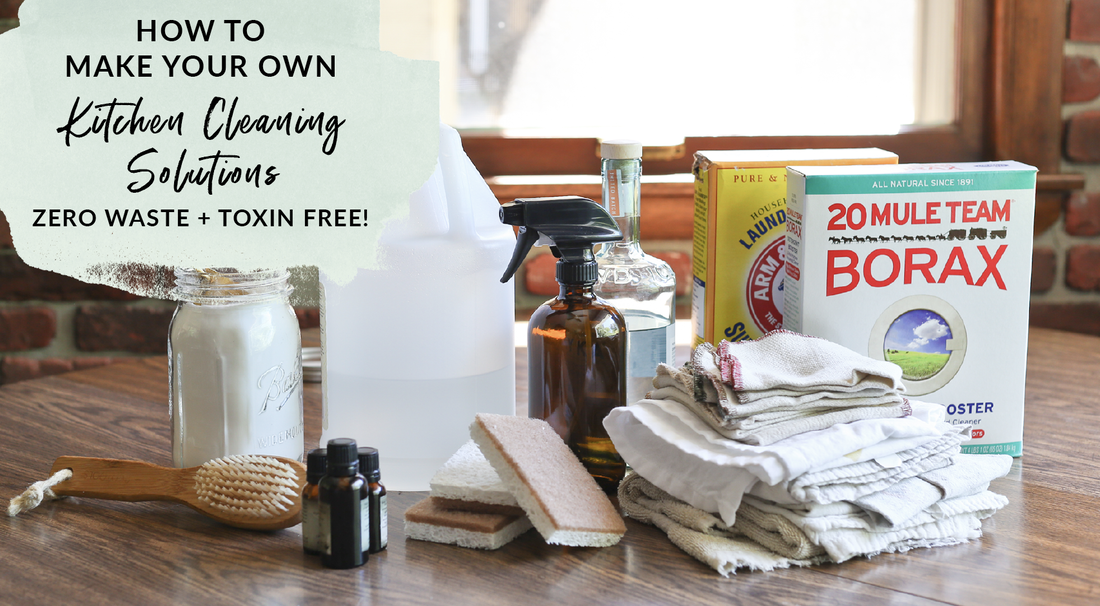
Credit: www.greenwillowhomestead.com
Stovetop Cleaner
Cleaning the stovetop can be a daunting task. Grease and food spills seem to stick forever. A homemade stovetop cleaner is a great solution. It saves money and keeps your kitchen chemical-free. Plus, it works wonders on those stubborn stains.
Effective Ingredients
Vinegar is a powerhouse cleaner. It breaks down grease effectively. Baking soda is another key ingredient. It acts as a gentle abrasive. Essential oils add a pleasant scent. Lemon oil is particularly refreshing. Water helps to dilute the mixture. It’s simple and safe.
Cleaning Method
Start by mixing equal parts vinegar and water. Add a few teaspoons of baking soda. Stir until dissolved. Add a few drops of lemon essential oil. Pour the mixture into a spray bottle. Spray the solution on the stovetop. Let it sit for a few minutes. Use a sponge to scrub gently. Wipe clean with a damp cloth. Repeat if needed. Your stovetop will shine like new.
Sink And Drain Cleaner
Your kitchen sink and drain can quickly become a breeding ground for unpleasant odors and stubborn clogs. A homemade sink and drain cleaner can save you time and money, and it’s surprisingly effective. With a few simple ingredients, you can keep your sink smelling fresh and flowing freely.
Powerful Ingredients
Creating your own sink and drain cleaner requires just a few powerful ingredients. Baking soda is a natural deodorizer and mild abrasive that can help scrub away grime. Vinegar, with its acidic properties, reacts with baking soda to help break down stubborn clogs. For an extra boost, you can add essential oils like lemon or tea tree oil, which offer antibacterial properties and a pleasant scent.
Usage Instructions
To start, sprinkle half a cup of baking soda down the drain. Follow this with a cup of vinegar, and watch as the fizzing reaction gets to work on loosening debris. Allow it to sit for 15 minutes. During this time, you might notice a slight bubbling sound—this is a good sign that the mixture is breaking down the blockage.
After waiting, flush the drain with hot water. This helps to wash away loosened particles and residue. If your drain needs extra attention, you can repeat the process. Regular maintenance, like doing this once a month, can prevent future clogs and keep your kitchen smelling fresh.
Have you ever tried using natural cleaners before? It might surprise you how effective they can be compared to store-bought solutions. Taking a few minutes to prepare and apply these ingredients can transform your kitchen cleaning routine. Why not give it a try and see the difference it makes?
Safety Tips
Crafting kitchen cleaning products at home can be safe and effective. Wear gloves to protect your skin from strong ingredients. Ensure good ventilation to avoid inhaling fumes when mixing solutions.
Creating your own kitchen cleaning products is a fantastic way to save money and ensure your home is safe from harsh chemicals. However, safety is paramount when mixing and storing these homemade solutions. Mishandling ingredients or improper storage can lead to accidents. Let’s dive into some crucial safety tips to keep your DIY cleaning journey smooth and secure.Proper Handling
When mixing cleaning ingredients, always ensure you have a clean workspace. Use gloves to protect your skin from irritants, especially when handling stronger substances like vinegar or essential oils. Ventilation is key—open a window or turn on a fan to avoid inhaling fumes. Remember to read labels on every ingredient. Even natural substances can have side effects if misused. If you’re unsure about the safety of an ingredient, do a quick search or consult a reliable source.Storage Advice
Once you’ve created your cleaning product, proper storage is essential to maintain its effectiveness and safety. Always label your containers with the contents and date of creation. This will help you keep track of what you have and ensure that you use your products before they lose potency. Store your homemade cleaning products in a cool, dry place away from direct sunlight. This prevents decomposition and maintains their cleaning power. Keep them out of reach of children and pets to avoid accidental ingestion or spills. Think about where you typically store cleaning products. Are they easily accessible to little hands or paws? Adjust your storage solutions to ensure everyone in your home stays safe. Making your own kitchen cleaning products can be a rewarding and eco-friendly endeavor, but safety should always be your top priority. What steps will you take to ensure a safe and effective cleaning routine at home?Cost-effectiveness
Creating your kitchen cleaning products can be highly cost-effective. Store-bought cleaners often come with high price tags. Making your own can save money. Homemade cleaners use simple ingredients. These are usually already in your home. Vinegar, baking soda, and lemon are common examples. They clean well and cost little. This approach benefits both your wallet and the environment.
Comparative Analysis
Compare homemade cleaners to store-bought ones. Store-bought cleaners often contain harsh chemicals. They can be expensive and sometimes unnecessary. Homemade cleaners use natural ingredients. They are safe and effective. The cost of making them is low. For example, vinegar is cheap. It works well on many surfaces. Baking soda is another inexpensive option. It is a powerful cleaner and deodorizer.
Long-term Savings
Making your cleaning products leads to long-term savings. Buying ingredients in bulk can reduce costs. This means less frequent trips to the store. Over time, these savings add up. This approach is not only economical. It is also sustainable. You reduce waste by reusing containers. This further decreases your expenses. Enjoy a clean kitchen without breaking the bank.
Frequently Asked Questions
How Do You Make Homemade Kitchen Cleaning Products?
Mix white vinegar and water for a simple cleaner. Add baking soda for scrubbing tough stains. Use lemon juice for freshness. Essential oils can enhance aroma. Store in a spray bottle for easy use. These homemade solutions are cost-effective and eco-friendly, perfect for everyday kitchen cleaning.
What Are The 5 Basic Ingredients In Making A Homemade Cleaning Solution?
The five basic ingredients for a homemade cleaning solution are vinegar, baking soda, lemon juice, water, and essential oils. Vinegar cleans and disinfects. Baking soda acts as a gentle abrasive. Lemon juice breaks down grime. Water dilutes the solution. Essential oils add fragrance and additional cleaning properties.
What Are The Ingredients In For All Cleaning Products?
Cleaning products typically contain water, surfactants, solvents, fragrances, and preservatives. Ingredients can vary by product type. Always check labels for specific components and safety information. Eco-friendly options often use plant-based and biodegradable ingredients, reducing environmental impact.
Which Two Ingredients Make Great Diy Household Cleaner?
Vinegar and baking soda make an effective DIY household cleaner. They clean surfaces, remove odors, and break down grime. Mix them for a powerful cleaning solution. Use this mixture for various cleaning tasks around your home. This natural cleaner is eco-friendly and budget-friendly.
Conclusion
Creating your own kitchen cleaning products is easy and rewarding. You save money and reduce chemical exposure. Ingredients are simple and often already in your kitchen. Vinegar, baking soda, and lemon are powerful cleaners. They tackle grease and grime effectively.
Plus, homemade cleaners are eco-friendly. You contribute to a healthier planet. Clean with confidence knowing what’s in your products. Experiment with scents using essential oils. It’s fun to mix and match. Enjoy a sparkling kitchen with natural solutions. Happy cleaning!