Are you tired of spending a fortune on kitchen cleaning products that promise the world but deliver less than stellar results? Or maybe you’re concerned about the harsh chemicals lurking in store-bought cleaners.
What if there was a way to keep your kitchen sparkling clean while saving money and being kind to the environment? The good news is, you can make your own kitchen cleaner at home with simple ingredients you likely already have in your pantry.
Imagine the satisfaction of whipping up a solution that tackles grease and grime without the need for mysterious chemicals or additives. Dive into this guide to discover how you can create an effective kitchen cleaner that will transform your cleaning routine, making it safer and more efficient.
Benefits Of Homemade Kitchen Cleaners
Choosing homemade kitchen cleaners can bring many advantages. They offer a safer environment for your family. These cleaners use simple ingredients from your pantry. Let’s explore why making your own kitchen cleaner is beneficial. This choice can lead to a healthier home and planet.
1. Cost-effective Solutions
Store-bought cleaners can be expensive. Homemade cleaners save money. You use inexpensive ingredients like vinegar and baking soda. These items are affordable and often already in your home. By making your own cleaner, you can reduce household expenses.
2. Environmentally Friendly
Homemade cleaners help the environment. They use natural ingredients. This reduces harmful chemicals in your home. Less waste is produced because you reuse containers. Fewer chemicals mean less pollution in waterways.
3. Safe For Families
Many store cleaners have strong chemicals. These can harm children or pets. Homemade cleaners are safer. They use ingredients like lemon and vinegar. These are non-toxic and safe for skin contact. Peace of mind for your family’s health.
4. Customizable Scents
You can control the scent of homemade cleaners. Add essential oils for a fresh smell. Experiment with lavender, lemon, or peppermint. Create a scent that makes your kitchen inviting. Enjoy cleaning with a fragrance you love.
5. Effective Cleaning Power
Homemade cleaners are effective. Vinegar removes grease. Baking soda scrubs away stains. These natural ingredients clean as well as store brands. Your kitchen will shine with simple, natural solutions.
:max_bytes(150000):strip_icc()/ms-natural-cleaners-b420e0ed9b14456b9f37e4cdf7029b84.jpg)
Credit: www.marthastewart.com
Essential Ingredients For Diy Cleaners
Creating your own kitchen cleaner is simple and effective. Combine vinegar, baking soda, and lemon juice for a powerful, natural solution. This mixture tackles grease and stains without harsh chemicals, ensuring a clean and safe cooking space.
Essential Ingredients for DIY Cleaners Making your own kitchen cleaner saves money. It also reduces exposure to harsh chemicals. This section will explore essential ingredients. These are simple, natural, and effective. You likely have them at home already.Natural Cleaning Agents
Baking soda is a powerful cleaner. It scrubs surfaces without scratching. Vinegar breaks down grease and grime. It also kills bacteria. Lemon juice adds extra cleaning power. It leaves surfaces fresh and shiny. These natural agents work well together. They clean and disinfect effectively.Essential Oils For Fragrance
Essential oils add a pleasant scent. They also have antibacterial properties. Lavender oil calms and refreshes. Tea tree oil fights germs. Peppermint oil energizes and refreshes. Use a few drops in your cleaner mix. This makes your kitchen smell wonderful.Tools And Equipment
A spray bottle is crucial. It makes application easy. A microfiber cloth works well for wiping surfaces. It picks up dirt without spreading it. A measuring cup ensures correct ingredient ratios. A funnel helps pour liquids without spills. Simple tools make cleaning efficient. They help you achieve sparkling results.Step-by-step Guide To All-purpose Cleaner
Creating your own all-purpose kitchen cleaner is easy and cost-effective. You control the ingredients, ensuring a safe and eco-friendly solution. This guide will help you make a cleaner that is both powerful and gentle.
Gathering Ingredients
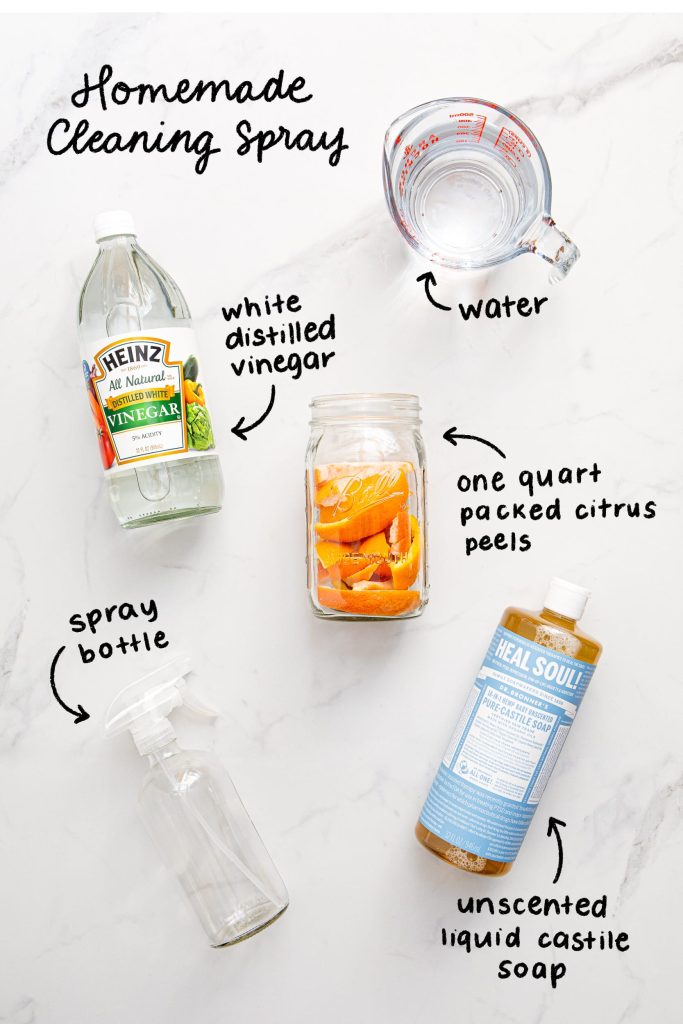
First, gather your ingredients. You need water, white vinegar, and baking soda. Also, essential oils like lemon or tea tree for a fresh scent. Make sure you have a clean spray bottle for mixing.
Mixing Instructions
Start by filling the spray bottle halfway with water. Add equal parts of white vinegar. For extra power, add two teaspoons of baking soda. Add 10 drops of essential oil for fragrance.
Storage Tips
Store your cleaner in a cool, dry place. Keep it away from direct sunlight. Ensure the bottle is tightly sealed to prevent spills. Shake well before each use to mix ingredients.
Making A Grease-cutting Cleaner
Crafting a powerful grease-cutting cleaner is simple and effective. Mix equal parts vinegar and water, add a few drops of dish soap. This homemade solution tackles kitchen grime with ease, leaving surfaces sparkling clean.
Making a kitchen cleaner at home doesn’t just save money; it also ensures you know exactly what’s in your cleaning product. Let’s dive into creating a powerful grease-cutting cleaner that tackles those stubborn kitchen stains. Grease is one of the toughest things to clean, but with the right ingredients and techniques, you can wipe it away effortlessly.Key Ingredients For Grease Removal
Creating an effective grease-cutting cleaner starts with selecting the right ingredients. White vinegar is a staple in homemade cleaners due to its acidic nature. It helps break down grease and grime. Another essential ingredient is baking soda. When combined with vinegar, it creates a fizzing action that lifts grease from surfaces. Add a few drops of dish soap for its degreasing properties. This combination works wonders, cutting through grease without harsh chemicals. You might be surprised to know that lemon juice can be a game-changer. Its natural acidity helps dissolve grease while leaving a fresh scent. Consider adding a few drops of essential oils like tea tree or lavender to enhance the cleaning power and aroma. What’s your favorite ingredient to tackle grease?Application Techniques
Once you’ve mixed your grease-cutting cleaner, it’s time to apply it effectively. Start by spraying the cleaner directly onto greasy surfaces, whether it’s your stovetop, countertops, or even the inside of your oven. Allow it to sit for a few minutes to let the ingredients break down the grease. Use a scrubbing brush or sponge to work the cleaner into the surface. This helps lift the grease, making it easier to wipe away. Remember, gentle scrubbing is key. Rinse the area with warm water to remove any residue. You can also use a microfiber cloth for a streak-free finish. Have you tried using microfiber cloths for cleaning? For tough stains, repeat the process. Persistence pays off when dealing with stubborn grease. This technique not only cleans but also leaves your kitchen smelling fresh and inviting. Can you imagine the satisfaction of seeing a spotless kitchen after using your homemade cleaner?Creating A Natural Disinfectant
Keeping your kitchen clean is vital for health. Homemade cleaners offer a natural way to disinfect. They are effective and eco-friendly. Learn how to create your own natural disinfectant. This simple solution uses everyday ingredients. It helps eliminate germs without harsh chemicals.
Antibacterial Ingredients
Vinegar is a powerful cleaner. It kills bacteria and removes grime. Tea tree oil fights germs. It has antiseptic properties. Lemon juice is another great option. It naturally cleans and disinfects. Essential oils add a fresh scent. They also offer antibacterial benefits.
Usage And Safety Tips
Mix ingredients in a spray bottle. Shake well before use. Test on a small area first. Ensure surfaces are not damaged. Store in a cool place. Keep away from children and pets. Use gloves for sensitive skin. Avoid mixing with bleach. It can produce harmful fumes.
Credit: wholemadehomestead.com
Tips For Effective Cleaning
Creating a homemade kitchen cleaner is simple and effective. Mix equal parts water and white vinegar in a spray bottle. Add a few drops of essential oil for a pleasant scent, shake well, and enjoy a natural solution to keep surfaces spotless.
When you think about cleaning your kitchen, you might wonder if you’re doing it effectively. The truth is, a few small changes can make your cleaning routine much more efficient. Here, we’ll explore tips that can transform your approach to maintaining a spotless kitchen.Using The Right Cloths
Choosing the right cloth for your kitchen cleaning tasks is essential. Microfiber cloths are excellent because they pick up dirt and grime without scratching surfaces. They are versatile and work well on countertops, appliances, and even glass. Avoid using the same cloth for multiple purposes. For instance, what you use to clean the stove should not be the same as the one for your dining table. This prevents cross-contamination, ensuring your kitchen stays hygienic. Think about the cloth’s texture. For cleaning sticky messes, a slightly textured cloth works better than a smooth one. This small detail can save you time and effort.Frequency Of Cleaning
How often you clean your kitchen can significantly impact its overall cleanliness. Daily tasks like wiping countertops and washing dishes prevent grime buildup. This keeps your kitchen looking and feeling fresh every day. Weekly deep cleaning of appliances and cabinets helps maintain order. It’s easy to overlook these areas, but addressing them regularly prevents long-term dirt accumulation. Ask yourself if your cleaning frequency aligns with your cooking habits. If you cook daily, cleaning daily might make sense. Find what works best for your schedule and stick to it. Keeping these tips in mind, what changes can you make to your kitchen cleaning routine? A few simple adjustments can lead to a cleaner, more enjoyable cooking space.Troubleshooting Common Issues
Creating a kitchen cleaner at home can sometimes lead to common issues. Mixing ingredients like vinegar and baking soda might foam excessively. Always use a clean spray bottle to avoid contamination.
When making your own kitchen cleaner at home, you might encounter a few bumps along the way. It’s normal to face issues like residue or stubborn stains that just won’t budge. But don’t worry, these problems are often easy to fix. Let’s dive into some common issues you might face and how to tackle them effectively.Residue Problems
Have you ever noticed a film or residue left behind after cleaning? This could be due to using too much cleaner or not rinsing properly. Try using less cleaner next time or wipe the surface with a damp cloth after cleaning. If you still find residue, consider tweaking your cleaner recipe by reducing the amount of soap or adding more water. Remember, less is often more when it comes to homemade solutions. Have you tried adjusting your mixture yet?Stubborn Stains
Stubborn stains can be a real headache, especially on kitchen countertops or appliances. You might find that some stains require more than just a quick wipe. For those pesky spots, let your cleaner sit on the stain for a few minutes before scrubbing. Use a soft brush or sponge and apply a bit of elbow grease. If the stain persists, try adding a bit of baking soda to your cleaner for extra scrubbing power. Have you experimented with different tools or techniques to remove those tough stains? Sometimes, a little creativity in your approach can make a big difference. By addressing these common issues, you’ll refine your homemade cleaner and make your kitchen sparkle like never before.:max_bytes(150000):strip_icc()/SPR-diy-all-purpose-cleaner-7152792-hero-1-7d83679517ee41bf9579acd3ffe192d9.jpg)
Credit: www.thespruce.com
Frequently Asked Questions
How Do You Make Homemade Kitchen Cleaner?
Mix equal parts of white vinegar and water in a spray bottle. Add a few drops of essential oil for fragrance. Shake well before use. This natural cleaner effectively removes grease and grime. Safe for most kitchen surfaces.
What Are The 5 Basic Ingredients In Making A Homemade Cleaning Solution?
The five basic ingredients for a homemade cleaning solution are vinegar, baking soda, lemon juice, water, and essential oils. Vinegar disinfects, baking soda scrubs, lemon juice deodorizes, water dilutes, and essential oils add fragrance. This combination creates an effective, natural cleaner for various surfaces.
What Is The Best Homemade Kitchen Degreaser?
A great homemade kitchen degreaser combines equal parts vinegar and water. Add a few drops of dish soap for extra cleaning power. This mixture effectively cuts through grease and is safe for most surfaces. Always test on a small area first to ensure compatibility.
What Is The Best Homemade Countertop Cleaner?
A mix of equal parts water and white vinegar with a few drops of dish soap works best. It effectively cleans most countertop surfaces, removes stains, and disinfects naturally. Avoid using on granite or marble, as vinegar can damage these materials.
Use a microfiber cloth for the best results.
Conclusion
Creating kitchen cleaner at home is simple and effective. You save money and reduce chemical exposure. Use natural ingredients like vinegar and baking soda. These clean well and are eco-friendly. Mix your cleaner in reusable bottles. This helps the environment too.
Homemade cleaners are safe for your family. They work great on surfaces and appliances. Try different recipes to find your favorite. Making your own cleaner is rewarding and easy. It’s a small step for a cleaner kitchen and healthier home.
Enjoy the process and the results. Clean naturally and feel good about it.