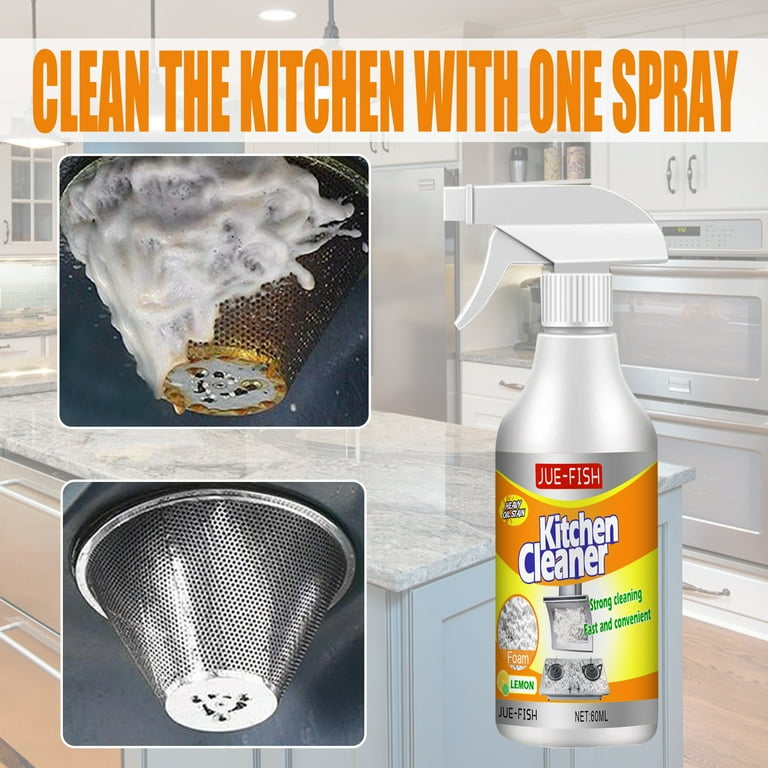
Do you ever wonder about the hidden germs lurking on your kitchen counters? You’re not alone.
The kitchen is the heart of your home, but it can also be a hotspot for bacteria. Imagine having a cleaner that not only leaves surfaces sparkling but also ensures they’re free from harmful microbes. The best part? You can make it yourself.
With just a few simple ingredients, you can create a powerful antibacterial kitchen cleaner that’s both safe and effective. Say goodbye to harsh chemicals and hello to peace of mind. Read on to discover how you can transform your kitchen into a cleaner, healthier space with a DIY solution that’s easy on the wallet and tough on germs.
Credit: fabfinds.co.uk
Benefits Of Homemade Cleaners
Creating your own antibacterial kitchen cleaner offers cost savings and reduces chemical exposure. Simple ingredients like vinegar, water, and essential oils ensure safety while effectively eliminating germs. Enjoy a clean kitchen with fewer toxins.
Making your own antibacterial kitchen cleaner is not only a creative endeavor but also a smart and economical choice. You’ll be surprised by the myriad benefits homemade cleaners offer. Imagine having a cleaner that is free of harmful chemicals, yet just as effective. Plus, you control the ingredients, ensuring they’re safe for your family. It’s empowering to know exactly what’s in the products you use every day.Cost-effective Solution
Creating your own kitchen cleaner can save you money. Store-bought cleaners often come with a hefty price tag, especially if they’re labeled as “green” or “eco-friendly.” When you make cleaners at home, you use common household ingredients that are inexpensive. Consider vinegar, baking soda, and lemon juice. These items are affordable and available at any grocery store. By using them, you can cut down on expenses without compromising on cleanliness.Environmentally Friendly
Homemade cleaners are a win for the environment. They typically use natural ingredients that break down easily, reducing the impact on our planet. Store-bought cleaners often contain harsh chemicals that can pollute water sources and harm wildlife. When you make your own cleaner, you’re contributing to a greener planet. It’s satisfying to know your actions support sustainability and eco-friendly practices.Safety For Your Family
You can ensure your homemade cleaner is safe for everyone in your home, including pets. Many commercial cleaners contain chemicals that can be harmful if inhaled or touched. Using natural ingredients like vinegar and essential oils minimizes these risks. You can clean surfaces without worrying about toxic residues. This peace of mind is invaluable, especially if you have young children or pets.Customized Scent And Formula
One of the joys of making your own cleaner is customizing it to suit your preferences. You can choose the scent by adding essential oils like lavender, lemon, or eucalyptus. This personal touch makes cleaning more enjoyable. Do you prefer a stronger cleaning solution for greasy surfaces? Just adjust the ratio of ingredients. This flexibility allows you to address specific cleaning needs effectively.Effective Cleaning Power
Homemade cleaners can be just as powerful as commercial ones. Ingredients like vinegar have natural antibacterial properties. Baking soda is a great abrasive cleaner for tough stains. You might wonder if a simple mix can tackle grime. Try it out and see the results. Many find that homemade cleaners exceed expectations, proving their efficiency in everyday use. Are you ready to make the switch to homemade cleaners? If so, what benefits are you most excited about experiencing?Essential Ingredients
Creating your own antibacterial kitchen cleaner requires knowing the right ingredients. These ingredients ensure the cleaner is effective and safe for your home. Let’s explore the essential components for a powerful cleaning solution.
Natural Antibacterial Agents
Natural antibacterial agents are key to killing germs. Vinegar is a popular choice. It’s acidic and fights bacteria effectively. Another option is tea tree oil. It has strong antibacterial properties. Lemon juice is also useful. It not only cleans but adds a fresh scent.
Safe Cleaning Bases
The cleaning base is crucial for mixing and diluting agents. Water is commonly used. It helps spread the antibacterial agents evenly. Baking soda is another safe base. It aids in scrubbing surfaces gently. Castile soap can be added. It’s natural and enhances cleaning.
Fragrance Additives
Fragrance additives make your cleaner smell pleasant. Essential oils are best for this. Lavender oil provides a calming scent. Eucalyptus oil offers a refreshing aroma. Orange oil can be added for a citrusy touch. These fragrances enhance the cleaning experience.
Tools And Materials Needed
Gather simple ingredients like vinegar, water, and essential oils. Have a spray bottle and a mixing bowl ready. These basic items will help create an effective and natural kitchen cleaner.
Creating your own antibacterial kitchen cleaner at home is a rewarding and practical endeavor. Not only does it allow you to control what ingredients you’re using, ensuring they are safe for your family, but it also saves money. Before you begin this DIY adventure, it’s essential to gather the right tools and materials. These are the building blocks of your cleaner, and having them ready will make the process smooth and enjoyable.Tools Needed
To start, you’ll need a few basic tools that are likely already in your kitchen. First, grab a measuring cup. Precise measurements ensure your cleaner is effective without being too harsh. Next, a funnel will help you transfer liquids without spills. A spray bottle is crucial for application—opt for one that’s easy to handle and has a good spray mechanism. Lastly, a mixing bowl will be useful for combining your ingredients before transferring them to your bottle.Materials Needed
The core ingredients for your cleaner are simple yet powerful. White vinegar serves as the base due to its natural antibacterial properties. It’s something you probably have tucked away in a cupboard. Baking soda is another kitchen staple that acts as a gentle abrasive to scrub away grime. Consider adding essential oils like tea tree or lemon for their antibacterial benefits and pleasant scent. Distilled water is ideal for diluting your mixture—it’s free from impurities and won’t leave residue.Safety Gear
Safety is key when mixing any cleaning solution. While the materials are generally safe, you should wear gloves to protect your skin from irritation. Goggles might seem excessive but can prevent accidental splashes from reaching your eyes.Storage Containers
After creating your cleaner, proper storage is essential for maintaining its effectiveness. Use a label to mark your spray bottle with contents and date created. Consider keeping your bottle in a cool, dry place to preserve the quality of the ingredients.Questions To Consider
What would happen if you used regular tap water instead of distilled water? Would it affect the cleaner’s effectiveness or longevity? Are there additional essential oils you could experiment with to enhance the fragrance or cleaning power?Personal Insight
I once ran out of my regular store-bought cleaner and decided to try making my own. I was surprised at how simple the process was and how effective the homemade cleaner turned out to be. Plus, the fresh scent from the essential oils was far more pleasant than any commercial product I’d used before. By preparing these tools and materials, you set the stage for a successful DIY cleaning project. Creating your cleaner is more than just mixing ingredients—it’s about making informed choices that benefit your home and health. Are you ready to take control of your kitchen’s cleanliness?
Credit: www.hummelsop.com
Step-by-step Preparation
Creating your own antibacterial kitchen cleaner is both economical and effective. Follow this simple guide to ensure your kitchen is sparkling clean and germ-free. Let’s explore the step-by-step preparation process.
Mixing The Ingredients
Start by gathering your ingredients. You’ll need white vinegar, water, and essential oils. Lavender or tea tree oil works well. Fill a spray bottle halfway with vinegar. Then, add water until almost full. Finally, add about 10 drops of your chosen essential oil. The oil not only adds scent but also boosts cleaning power.
Proper Ratios
Getting the ratios right is crucial. Use equal parts water and vinegar. This mix effectively cuts through grease and grime. Adding too much essential oil can leave a residue. Stick to 10 drops per cup of liquid. This ensures effectiveness without overpowering fragrance.
Storage Solutions
Store your cleaner in a cool, dark place. Direct sunlight can degrade essential oils. Use a dark-colored spray bottle if possible. Label the bottle with the date of preparation. This helps you track its freshness. Use within three months for best results.
Application Techniques
Applying antibacterial kitchen cleaner correctly ensures your kitchen stays germ-free. Proper techniques can enhance cleanliness and safety.
Effective Spraying Methods
Use a spray bottle with a fine mist setting. This helps cover surfaces evenly. Hold the bottle about six inches from the surface. Spray in a sweeping motion to avoid excess liquid. This prevents puddles and ensures even coverage.
Wipe with a clean cloth immediately after spraying. This removes bacteria effectively. Always use a lint-free cloth for best results.
Targeting High-risk Areas
Focus on areas that often harbor bacteria. Countertops and cutting boards are critical. Handles of appliances like refrigerators and ovens need regular cleaning. Don’t forget about faucets and sinks. Spray these areas thoroughly. Wipe them with extra care.
Identify spots where raw food is handled. These areas need frequent attention. Use antibacterial cleaner more often here.
Safety Precautions
Creating an antibacterial kitchen cleaner requires careful attention to safety. Always wear gloves to protect your skin from ingredients. Ensure the area is well-ventilated to avoid inhaling fumes.
Cleaning your kitchen with a homemade antibacterial solution is not only cost-effective but also eco-friendly. However, ensuring your safety while making and using these cleaners is crucial. Taking the right precautions can prevent accidents and protect you from potential allergic reactions. Let’s delve into some essential safety tips to keep in mind.Handling Essential Oils
Essential oils are potent and require careful handling. Always wear gloves when handling them to avoid skin irritation. Use a dropper to measure the oils accurately, reducing the risk of spills and waste. Essential oils should be stored in dark, glass bottles. This prevents light degradation and maintains their efficacy. Ensure your work area is well-ventilated to avoid inhaling strong fumes that could cause discomfort.Avoiding Allergic Reactions
Allergic reactions can be sneaky and unpleasant. Test your homemade cleaner on a small patch of skin before using it extensively. This simple step can save you from an itchy, uncomfortable situation later. Be aware of any allergies you might have to certain ingredients, like citrus or tea tree oil. If you’re not sure, consider consulting with a healthcare professional. Remember, your safety is more important than any cleaning task. Have you ever experienced unexpected reactions with natural products? It’s a reminder that natural doesn’t always mean safe for everyone. Always keep your safety gear on hand and be cautious with your homemade cleaners.Environmental Impact
Making your own antibacterial kitchen cleaner benefits the planet. Many commercial cleaners contain harsh chemicals. These can harm the environment. Creating a natural cleaner helps you avoid these issues. You can protect your home and the Earth.
Biodegradable Ingredients
Choose ingredients that break down easily in nature. Vinegar and baking soda are great options. They clean effectively without leaving harmful residues. Essential oils like tea tree or lavender add antibacterial properties. These oils also leave a pleasant scent.
Using biodegradable ingredients reduces pollution. It keeps water sources clean. It also ensures soil stays healthy. This choice supports a sustainable lifestyle.
Reducing Plastic Waste
Store your cleaner in reusable containers. Glass spray bottles work well. They are durable and easy to clean. This choice cuts down on single-use plastic waste.
Refill these bottles with your homemade solution. This habit lowers your carbon footprint. It also saves money over time. Embrace this eco-friendly practice and help the planet.
Troubleshooting Common Issues
Creating your own antibacterial kitchen cleaner can be both rewarding and cost-effective. But like any DIY project, it can come with its own set of challenges. If you’re finding residues in your cleaner or struggling with scent adjustments, don’t worry. These common issues are easy to troubleshoot with a few simple tweaks.
Dealing With Residues
Residues can be frustrating, especially when your goal is a spotless kitchen. If your cleaner leaves a film on surfaces, it might be due to the combination of ingredients.
- Start by ensuring you’re using the right proportions. A little too much baking soda or soap can leave residue.
- Try rinsing surfaces with water after cleaning. This can help remove any leftover film.
- If you’re still having issues, consider adjusting the pH by adding a bit of vinegar. This can help neutralize soap residues.
Have you ever noticed a sticky feel after cleaning? That’s often the residue talking. Adjusting the mix or rinsing can make a world of difference.
Adjusting Scent Strength
The scent of your cleaner can make or break the cleaning experience. Whether it’s too strong or too faint, there’s a way to get it just right.
- To increase scent strength, add a few more drops of essential oils. Lemon and lavender are popular choices.
- If the scent is overpowering, dilute it with water or add more of the base ingredient, like vinegar.
- Remember, scents can change over time. If you’re storing your cleaner, check the scent before each use.
Imagine entering your kitchen and being greeted by a refreshing, balanced aroma. It’s about finding the right balance that suits your preferences.
Have you encountered other issues with your homemade cleaner? Adjustments are part of the process. What solutions have worked for you?

Credit: www.theodoreshomecare.com
Frequently Asked Questions
How Do You Make Your Own Antibacterial Cleaner?
Combine water, white vinegar, and essential oils like tea tree or lavender. Mix in a spray bottle. Shake well before use. Ensure surfaces are clean and dry before application. Avoid using on marble or granite. Always test on a small area first.
Store in a cool, dark place.
How To Make A Homemade Disinfectant Spray The Kitchen?
Mix equal parts water and white vinegar in a spray bottle. Add a few drops of essential oil. Shake well. Spray surfaces and wipe with a clean cloth. Use this homemade disinfectant to clean kitchen countertops effectively.
What Is The Best Natural Antibacterial Cleaner?
Vinegar is a top natural antibacterial cleaner. It effectively kills germs and bacteria on surfaces. Mix it with water for an easy cleaning solution. Essential oils like tea tree or lavender can enhance its antibacterial properties. Baking soda also helps scrub away dirt while neutralizing odors.
What Is The Recipe For A Kitchen Sanitizing Solution Is Safe?
Mix 1 tablespoon of unscented liquid bleach with 1 gallon of water. Ensure the bleach is not expired. Use the solution immediately for effective sanitizing. Rinse surfaces with clean water after sanitizing. This creates a safe, EPA-recommended kitchen sanitizing solution.
Always wear gloves and ensure proper ventilation.
Conclusion
Creating an antibacterial kitchen cleaner is simple and rewarding. You save money and reduce chemicals in your home. Use natural ingredients for a safer environment. Homemade cleaners can be as effective as store-bought ones. They keep your kitchen clean and fresh.
Try different essential oils for pleasant scents. Personalize your cleaner to suit your needs. Enjoy a healthier kitchen and peace of mind. Your homemade solution is ready to tackle germs. Keep experimenting with new mixtures. Your kitchen will thank you.
Happy cleaning!