
Have you ever stumbled upon a dusty drawer or a forgotten shelf in your kitchen and wondered if those old gadgets are worth keeping? Knowing how to identify old kitchen gadgets can save you money, spark nostalgia, or even uncover hidden treasures.
You’ll learn simple tips to spot vintage tools, understand their value, and decide which ones deserve a place in your home. Keep reading—you might be closer than you think to discovering something truly special!
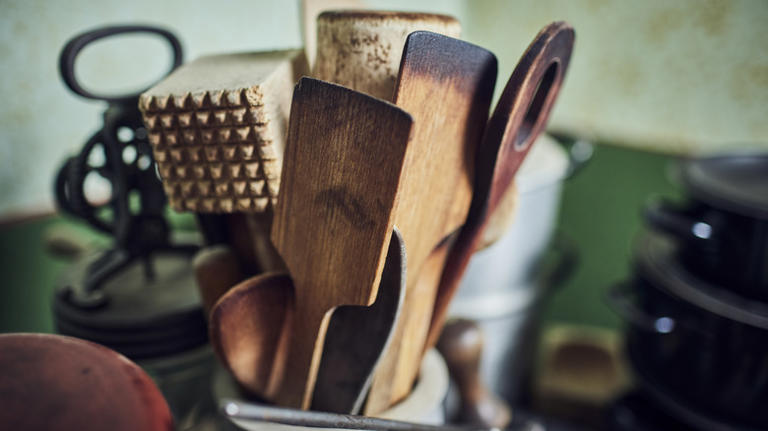
Credit: www.msn.com
Signs Of Vintage Kitchen Gadgets
Old kitchen gadgets tell stories from the past. They show how cooking tools have changed over time.
Knowing how to spot vintage gadgets helps collectors and cooks find unique items.
Materials And Build Quality
Vintage kitchen gadgets were made from strong materials. They often used metals like cast iron and aluminum.
- Heavier weight than modern tools
- Solid metal parts without plastic
- Thick handles made from wood or metal
- Signs of handcrafting or simple machine work
Design And Style Trends
Styles show the era of kitchen gadgets. Older designs look different from today’s sleek tools.
| Era | Design Features | Common Colors |
| 1920s–1940s | Simple shapes, heavy parts | Black, silver, white |
| 1950s–1960s | Rounded edges, bright colors | Red, turquoise, yellow |
| 1970s–1980s | Plastic parts, bold designs | Orange, brown, avocado green |
Brand Marks And Logos
Old gadgets often have brand names or logos stamped on them. This helps identify their age and origin.
Look for these marks:
- Stamped metal logos on handles or bases
- Engraved brand names with old fonts
- Paper labels that show wear or fading
- Trademark symbols used in past decades
Common Old Kitchen Gadgets To Look For
Old kitchen gadgets show how people cooked before modern tools. They are simple and often made of metal or wood.
Knowing these gadgets helps you spot them in thrift stores or at home. They add charm and history to kitchens.
Manual Egg Beaters
Manual egg beaters use a hand crank to whip eggs or batter. They have a gear mechanism that spins the beaters fast.
Look for metal beaters with a wooden or metal handle. Some have brand names stamped on the frame.
Hand-crank Coffee Grinders
These grinders have a small drawer for ground coffee. You turn a crank to crush the beans inside.
- Usually made of wood or metal
- Has a crank handle on top or side
- Often has a small drawer at the bottom
- May show signs of rust or wear from use
Cast Iron Cookware
Cast iron pans and pots are heavy and last a long time. They have a dark, rough surface that gets smoother with use.
| Feature | Description |
| Weight | Heavy and solid |
| Surface | Rough and dark, may be seasoned |
| Handles | Thick, often one long or two small |
| Uses | Frying, baking, slow cooking |
Mechanical Timers
Mechanical timers have a dial that you turn to set the time. They tick as the timer counts down.
Key signs of old mechanical timers:
- Made mostly of metal or hard plastic
- Has a clear numbered dial
- Produces a ticking sound
- Rings a bell or buzzer when time is up
Dating Your Kitchen Gadgets
Old kitchen gadgets can tell a story about the past. Knowing their age helps you appreciate their value.
There are simple ways to find out when a kitchen gadget was made. Look for numbers, dates, and brand history.
Serial Numbers And Patent Dates
Many kitchen gadgets have serial numbers or patent dates. These marks show when the gadget was made or designed.
Check the bottom or back of your gadget for these numbers. Sometimes, they are hidden under removable parts.
- Serial numbers often include a year code.
- Patent dates show the design or invention date.
- Compare these dates to your gadget’s style.
Researching Manufacturer History
Look up the company that made your gadget. Many brands changed their logos or names over time.
Knowing when a company used a certain logo helps date your gadget. Old catalogs and ads can give clues.
- Find the years the brand was active.
- Check for logo changes on your gadget.
- Match your gadget’s style to brand history.
Using Online Databases
Many websites collect info about old kitchen tools. You can search by brand, model, or serial number.
These online databases help you find the exact year or decade your gadget was made.
- Enter serial numbers to get production dates.
- Browse photos to compare styles.
- Read user comments for extra details.
Assessing Condition And Authenticity
Old kitchen gadgets tell stories of the past. To value them, you must check their condition and if they are real.
Knowing how to spot signs of wear, restorations, and copies helps you find genuine pieces that work well.
Signs Of Wear And Restoration
Look closely at the gadget’s surface. Scratches, dents, and fading show real use. These marks add character.
- Check for uneven paint or rust spots.
- Look for replaced parts that seem newer.
- Notice if screws or joints show tool marks.
- Watch for signs of repainting or sanding.
Identifying Reproductions
Reproductions try to look old but miss small details. Study the materials and maker’s marks carefully.
| Feature | Original | Reproduction |
| Material | Heavy metal or solid wood | Lightweight or plastic parts |
| Markings | Clear, stamped or engraved | Faded or printed labels |
| Wear Pattern | Natural, uneven wear | Uniform or fake wear |
| Assembly | Handmade joints or screws | Machine-made, perfect fit |
Evaluating Functionality
Test if the gadget still works. Some old tools need gentle use to avoid damage.
- Check moving parts for smooth action.
- See if sharp edges or blades hold their shape.
- Try assembling or adjusting any removable parts.
- Listen for unusual noises when used.
- Note any missing or broken components.
Tips For Collecting And Preserving
Old kitchen gadgets tell stories from the past. Collecting them helps keep history alive. Preserving these tools keeps their charm for years.
Learn how to clean, store, and display your kitchen gadgets properly. These tips will protect your collection and make it shine.
Cleaning And Maintenance
Cleaning old gadgets is important. Use gentle methods to avoid damage. Check the material before cleaning and dry items well to stop rust.
- Use mild soap and warm water for metal and plastic.
- Wipe wooden parts with a damp cloth only.
- Remove rust with fine steel wool or baking soda paste.
- Oil moving parts lightly to keep them working smoothly.
- Do not soak items with glued parts to avoid loosening.
Safe Storage Practices
Store gadgets in a cool, dry place. Keep them away from direct sunlight and moisture. Proper storage stops rust and cracking.
| Storage Tip | Why It Matters |
| Use airtight containers | Prevents dust and moisture buildup |
| Wrap fragile items in soft cloth | Protects from scratches and breaks |
| Keep metal gadgets separate | Stops metal from reacting and rusting |
| Store wooden gadgets flat | Prevents warping or cracking |
| Label storage boxes clearly | Eases finding items without damage |
Displaying Your Collection
Show your collection safely and attractively. Use shelves or glass cases that protect from dust and damage. Arrange items by size or type for a neat look.
- Use small stands or mounts for stability.
- Keep displays away from heat sources.
- Rotate items to reduce light exposure.
- Include labels with gadget names and history.

Credit: www.youtube.com

Credit: www.ebay.ca
Frequently Asked Questions
What Are Common Signs Of Old Kitchen Gadgets?
Old kitchen gadgets often show wear like rust, faded labels, or outdated designs. Materials like Bakelite or early plastics indicate age. Hand-crank mechanisms and manual parts also suggest older technology. Checking for manufacturer dates or patents can help identify their era.
How Can I Date Vintage Kitchen Tools Accurately?
Look for manufacturer marks, patent numbers, or logos on the gadget. Research these details online or in collector guides. Style and materials used also hint at the time period. Comparing with images of known vintage items helps confirm the age.
Which Materials Indicate An Antique Kitchen Gadget?
Materials like Bakelite, cast iron, tin, or early plastics suggest older gadgets. Modern kitchen tools usually use stainless steel or silicone. The presence of wood or metal with patina also points to antique status.
Are Manual Kitchen Gadgets Always Old?
Not always, but many manual gadgets are vintage or retro. Before electric appliances, manual tools were common. However, some modern tools are designed manually for precision or tradition. Check design and materials to confirm age.
Conclusion
Recognizing old kitchen gadgets helps preserve history and adds charm. Check materials, design, and brand marks for clues. Notice wear and style from past decades. These tips make identifying easier and fun. Keep exploring old kitchens for hidden treasures. Small details tell big stories.
Stay curious and enjoy the discovery process.