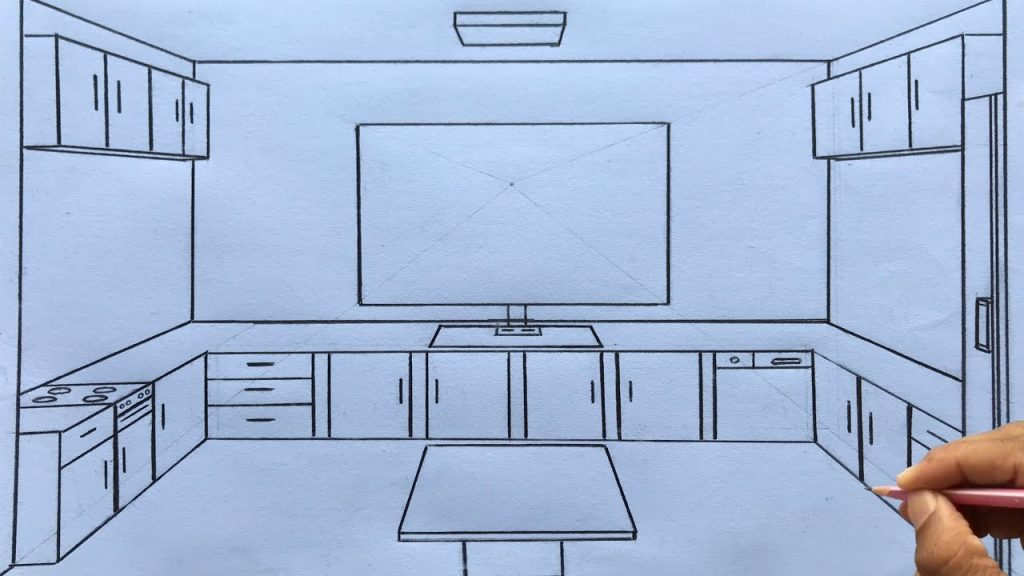
Designing your kitchen is like creating a masterpiece that reflects your personality and lifestyle. Imagine walking into a space that not only serves its purpose but also inspires you every day.
How satisfying would it be to say, “I designed this kitchen myself”? If you’ve ever felt overwhelmed by the thought of drawing your kitchen design, you’re not alone. But here’s the exciting part: you don’t need to be a professional architect to sketch out your dream kitchen.
With a few simple steps, you can bring your vision to life and ensure that every corner of your kitchen suits your needs perfectly. Ready to unlock the secrets of creating a kitchen design that’s uniquely yours? Keep reading to discover the process that will transform your ideas into a stunning reality.
Gather Inspiration
Explore design magazines and online platforms to spark creativity for your kitchen layout. Notice color schemes, layouts, and styles. Sketch out ideas to visualize your dream kitchen space.
When embarking on the journey to design your dream kitchen, gathering inspiration is a vital first step. This stage sets the tone and direction for your kitchen’s overall look and feel. By exploring various sources, you’ll uncover ideas that resonate with your personal style and practical needs.Explore Online Platforms
The internet is a treasure trove of design ideas. Websites like Pinterest and Houzz offer a plethora of kitchen designs that cater to every taste. As you scroll through images, save the ones that catch your eye. This will help you identify patterns in your preferences, such as color schemes or countertop materials.Visit Showrooms And Open Houses
Seeing a design in person can be incredibly enlightening. Visit local kitchen showrooms to experience different layouts and finishes. Walk through open houses to observe how different designs function in a real home setting. Notice how lighting plays a role in the ambiance and how storage solutions are integrated.Take Note Of Trends
Trends can offer fresh ideas and unexpected solutions. While you don’t have to follow them strictly, they can inspire unique elements for your kitchen. Consider incorporating a trendy backsplash or a modern appliance that could enhance functionality. Ask yourself, “What trend aligns with my vision for the kitchen?”Reflect On Your Lifestyle
Your kitchen should reflect how you live. Do you love hosting dinner parties, or is a cozy breakfast nook more your style? Think about how your kitchen can accommodate your daily routines and special occasions. Your lifestyle will heavily influence your design choices.Consult With Friends And Family
Sometimes, the best ideas come from those around you. Talk to friends and family who have recently renovated their kitchens. Ask about their experiences and what they might have done differently. Their insights could provide valuable lessons for your own design process.Compile Your Findings
Once you’ve gathered a wealth of inspiration, it’s time to organize your thoughts. Create a mood board or a digital folder where you can compile your favorite ideas. This collection will serve as a visual guide, helping you make cohesive decisions as you move forward with your kitchen design. With these strategies, gathering inspiration becomes an exciting and insightful part of designing your kitchen. What ideas are you most excited to explore further?Understand Your Kitchen Space
Designing your kitchen begins with understanding the space. It is crucial for planning functionality and aesthetics. Knowing your kitchen’s layout helps in creating an efficient design. This process involves measuring dimensions and analyzing layout options. Each step plays a vital role in achieving the kitchen of your dreams.
Measure Dimensions
Start by measuring your kitchen’s dimensions accurately. Use a tape measure for precise results. Record the length and width of the kitchen. Measure from wall to wall. Note the height from floor to ceiling. Include windows, doors, and other structures. These details are essential for planning.
Keep a notebook for your measurements. This helps in easy reference. Remember to measure multiple times for accuracy. Consistent measurements prevent future design errors. A well-measured space leads to a better design plan.
Analyze Layout Options
Next, analyze various kitchen layout options. Consider the work triangle concept. This involves the sink, stove, and refrigerator. They should form a triangle for efficiency. Think about the space’s flow and movement.
Review different layout styles like L-shape, U-shape, or galley. Each style has unique advantages. Match the layout with your kitchen’s size and shape. Ensure it fits your personal needs and preferences. Experiment with different ideas to find the best fit.
Understanding your space thoroughly leads to a functional kitchen. Create a design that is both beautiful and practical. Proper analysis ensures satisfaction with the final result.
Set Your Kitchen Goals
Setting clear kitchen goals helps in crafting a functional design. Start by sketching your ideal layout, considering space and storage. Adjust your plan to fit your needs and style for a kitchen that truly works for you.
Set your kitchen goals before you start designing. Knowing what you want saves time and money. Think about how you use your kitchen. What do you want it to look like? Setting clear goals helps you make better choices. The two key areas to focus on are functionality and aesthetics. These will guide your design decisions.Functionality Needs
Think about how you use your kitchen every day. Do you cook a lot or just a little? How much storage do you need for your pots and pans? Consider the flow of movement. You want to move easily between the stove, sink, and fridge. Plan for enough counter space. It’s essential for preparing meals. If you have a big family, think about seating. Maybe you need a larger dining area. Decide if you need extra appliances. A double oven might be useful for baking. Write down your priorities. This will help you focus on the important stuff.Aesthetic Preferences
Decide on the style you love. Do you prefer modern designs or something classic? Think about the colors you enjoy. Light colors can make your kitchen feel larger. Dark colors add warmth and coziness. Look at materials you might use. Wood can add a natural feel. Steel gives a sleek, modern look. Consider how these choices affect the feel of the space. You want your kitchen to be a place you enjoy. Remember the importance of lighting. Good lighting can change the mood. Take inspiration from magazines or online pictures. Create a mood board to visualize your ideas.Choose Your Design Style
Choosing your kitchen design style is an exciting step. It sets the mood for your space. Your style should reflect your personality and needs. Explore different styles. Find what fits your vision best.
Modern Styles
Modern kitchens are sleek and clean. They emphasize functionality and simplicity. Think smooth surfaces and minimal clutter. Colors are often neutral like white or gray. Stainless steel appliances add a touch of sophistication. Choose cabinets with simple lines. Add glass or metal accents for a contemporary look.
Traditional Styles
Traditional kitchens are warm and inviting. They feature classic elements and rich details. Wood cabinets are common, often in dark tones. Ornate moldings and decorative handles enhance the charm. Consider adding a farmhouse sink. It adds rustic elegance. Soft lighting completes this cozy atmosphere.
Eclectic Options
Eclectic kitchens combine different styles. They create a unique and personal space. Mix modern and vintage elements. Use bold colors and patterns. Open shelving can showcase your favorite items. Personal touches make the space truly yours. Blend textures like wood and metal for contrast.
Select Key Elements
Designing your kitchen can be a thrilling journey. As you plan, selecting the key elements sets the foundation for a space that’s both functional and beautiful. Every choice impacts your daily life, from the cabinetry to the countertops. Dive into these elements with a creative mind, and imagine how they will transform your kitchen into a personal haven.
Cabinetry Choices
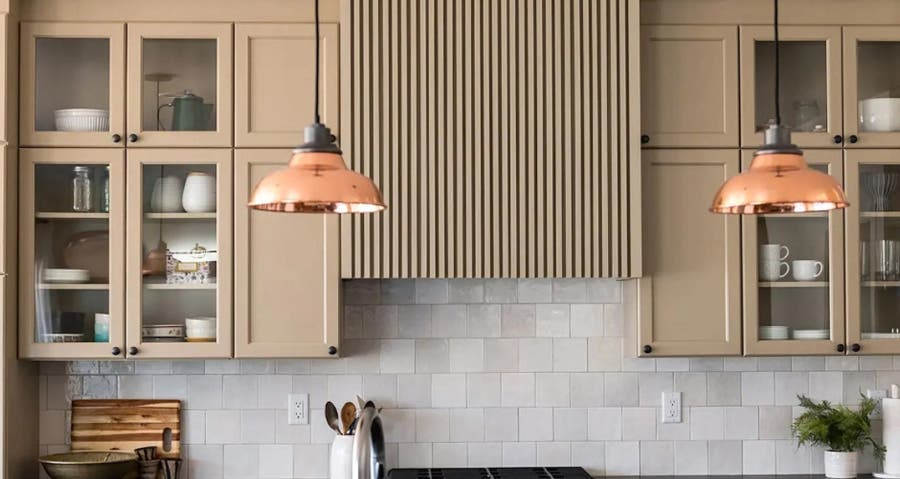
Cabinetry is more than just storage; it’s the backbone of your kitchen’s style. Do you prefer sleek modern lines or rustic charm? Think about how the colors and textures will complement your space. Are you leaning towards classic white cabinets or adventurous bold hues? Consider practical aspects too, like durability and ease of cleaning. Picture yourself reaching for a pot or pan—how do you want your cabinets to work for you?
Appliance Selection
Appliances are the workhorses of your kitchen. They need to be reliable and fit seamlessly into your design. Reflect on your cooking habits. Do you need a high-tech oven or a simple stovetop? Evaluate energy efficiency and size. Imagine hosting a dinner party—will your refrigerator hold all the essentials? Choose appliances that match your lifestyle and design vision.
Countertop Materials
Countertops serve as your kitchen’s canvas. They should be both practical and beautiful. Are you drawn to the elegance of marble or the resilience of granite? Examine the maintenance needs and costs. Picture slicing vegetables on a sturdy surface—how does it feel? Consider how your choice will withstand daily wear and tear. Your countertops are where culinary creativity comes to life.
As you select these key elements, remember that your kitchen design is a reflection of your personality. What does your dream kitchen look like? Which choices will make it uniquely yours? Embrace the opportunity to create a space that inspires you every day.
Credit: www.cabinets.com
Create A Basic Sketch
Begin your kitchen design by sketching a basic layout. Focus on key areas like countertops, cabinets, and appliances. This simple drawing helps visualize space and functionality.
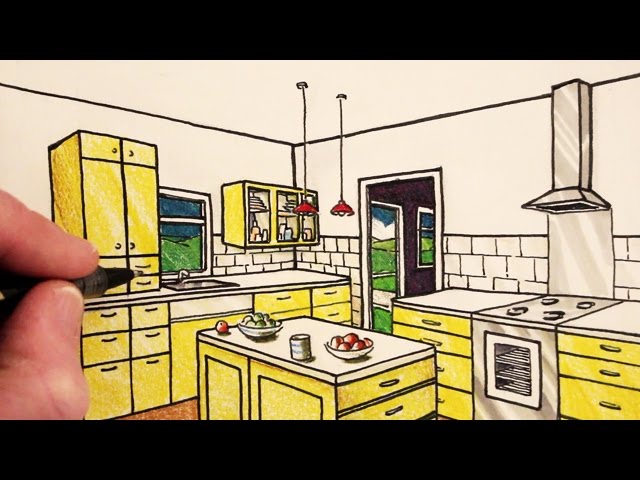
Creating a basic sketch of your kitchen design can feel like an exciting adventure. It’s your opportunity to bring your vision to life on paper. Whether you’re planning a complete overhaul or a simple refresh, a well-thought-out sketch serves as your roadmap. Let’s break down the process into easy steps to help you get started with confidence.Outline Layout
Begin by grabbing a pencil and a blank sheet of paper. Start with a simple rectangle to represent your kitchen space. Remember, this is your canvas, so don’t stress about perfection. Think about how you use your kitchen. Do you need more counter space for cooking? Is there enough room for your family to gather? Sketch the layout considering these needs. Place windows and doors in their approximate positions, as they are crucial for natural light and traffic flow. Measure your kitchen dimensions accurately. This ensures your sketch reflects your actual space. Use a tape measure to get the length and width of the room, and jot down these numbers on your sketch. This step is essential for planning a realistic design.Place Major Features
Identify the key components of your kitchen. These include the stove, refrigerator, sink, and countertops. Decide where you want each feature to go based on your workflow. For instance, placing the sink near the dishwasher can save you steps. Imagine your daily routine in this space. Think about where you like to prep meals or enjoy a morning coffee. Position your features in a way that supports these habits. This personal touch can significantly improve the functionality of your kitchen. Consider the work triangle principle, which suggests placing the stove, refrigerator, and sink in a triangle layout. This design maximizes efficiency by minimizing the distance between these essential areas. It’s a classic tip that stands the test of time for a reason. As you sketch, keep revisiting these placements. Ask yourself if each feature is in the best spot for your needs. This iterative approach helps refine your design, ensuring your kitchen works for you, not against you. Embrace this sketching phase as a creative outlet. It’s your opportunity to think outside the box and try new ideas without any commitment. Enjoy the process and let your kitchen dreams take shape on paper!Refine Your Design
Refining your kitchen design brings your vision to life. This step involves polishing your ideas and making necessary adjustments. Focus on details and proportions to create a functional and stylish kitchen.
Add Details
Add details to make your kitchen unique. Consider the materials for countertops and cabinets. Choose colors that blend with your home’s theme. Think about the type of lighting that enhances your space. Details like these impact the overall look and feel. They can transform a simple design into a personalized space.
Adjust Proportions
Adjusting proportions ensures that every element fits well. Check the size of appliances and furniture. Ensure they complement each other without overcrowding. Leave enough space for movement and comfort. Good proportions create a balanced and harmonious kitchen. It makes the space more functional and appealing.
Consider Lighting And Colors
Designing your kitchen involves more than just choosing cabinets and countertops. Two key elements that can transform your space are lighting and colors. These elements not only affect the overall aesthetics but also the mood and functionality of your kitchen. Proper lighting enhances the workspace, while the right colors can make the room feel welcoming and vibrant.
Lighting Options
Lighting plays a vital role in kitchen design. It affects both functionality and ambience. Under-cabinet lights brighten your counters. Pendant lights add style over islands. Recessed lighting offers general illumination. Choose LED bulbs for energy efficiency. Dimmer switches help control brightness. Task lighting focuses on specific areas. Ambient lighting creates a cozy feel.
Color Schemes
Colors set the tone of your kitchen. Neutral colors, like whites and grays, make the space feel open. Bold colors, such as reds and blues, add personality. Light colors reflect more light and make the room appear larger. Dark colors create a cozy atmosphere. Matching colors with appliances can create a unified look. Accent colors add interest and highlight features. Consider the effects of natural light on your chosen colors.
Integrate Storage Solutions
Your kitchen is the heart of your home, and integrating smart storage solutions can transform it from chaotic to organized. Imagine reaching for a pot without rummaging through a cluttered cabinet or finding your favorite spices in seconds. Thoughtful design makes this possible. Let’s dive into optimizing your kitchen storage.
Optimize Cabinet Space
Cabinet space is precious real estate in your kitchen. Maximize it by adding shelf dividers and adjustable racks. These simple tools can help you store more items efficiently, making everything easy to access.
Think about vertical space. Use stackable containers to store items like snacks and grains. This will keep your cabinets tidy while saving space for other essentials. Don’t forget to use the back of cabinet doors for hanging small utensils or measuring spoons.
Innovative Storage Ideas
Do you have unused corners in your kitchen? Consider installing corner drawers or lazy Susans. They can transform wasted space into valuable storage areas, perfect for pots and pans.
Pull-out pantry shelves are another great option. They allow you to see everything at a glance, reducing the time spent searching for ingredients. Imagine the ease of cooking when everything you need is right at your fingertips.
What about the space above your fridge? You can add cabinets or open shelving to store less frequently used items. This makes use of every inch in your kitchen, without sacrificing accessibility.
Integrating these storage solutions into your kitchen design can make everyday tasks smoother and more enjoyable. What clever storage ideas have you tried in your kitchen? Share your thoughts and inspire others to create their dream kitchen!
Credit: www.youtube.com
Review And Revise
Reviewing your kitchen design helps spot mistakes. Revise the layout for better flow and function. Ensure all elements fit well and match your style.
Designing your kitchen is a thrilling journey, but to ensure your plans are both practical and aesthetically pleasing, the review and revise phase is crucial. This is where your initial ideas transform into a polished, functional design ready to become a reality. It’s the moment to step back, assess, and fine-tune your blueprint to perfection.Seek Feedback
Feedback is invaluable in this phase. Don’t hesitate to show your design to friends, family, or even professional designers. Their insights can reveal blind spots you might have missed. Imagine sharing your design with a friend who recently renovated their kitchen. They might suggest moving the fridge closer to the cooking area for better workflow. Such practical advice can be a game-changer. Think about what feedback means to your design. Are you open to changing that beloved island counter? Be ready to listen and adapt.Make Necessary Adjustments
With feedback in hand, it’s time to make adjustments. Look at the suggestions and see what aligns with your vision. Sometimes, moving a cabinet or adjusting the counter space can make a big difference. Consider your family’s daily routine. If someone pointed out that your current plan makes it hard to unload groceries, maybe a tweak in the layout will smooth out this task. Ask yourself: How will these changes improve your kitchen’s functionality? Your kitchen should cater to your lifestyle, not complicate it. Revising doesn’t mean starting from scratch. It’s about enhancing your design to fit your needs even better.Finalize Your Design
Finalizing your kitchen design means turning ideas into reality. It’s the stage where you make key decisions. This step requires careful thought and planning. You ensure that every element fits perfectly. It’s about bringing your dream kitchen to life.
Create A Detailed Plan
Start with a detailed plan. Note down every feature you want. Include appliances, cabinets, and countertops. Measure your space accurately. Sketch a layout that works for your needs. Consider the flow of movement. Will it be easy to cook and clean? Think about storage solutions. You’ll need room for pots, pans, and utensils.
Think about lighting options. Good lighting makes a big difference. Choose between natural light and fixtures. Decide on colors and materials. Light or dark tones affect mood. Choose materials that are easy to clean. Make sure they are durable. Your plan should be clear and precise. It guides you through the process.
Prepare For Implementation
Once your plan is ready, prepare for implementation. Gather all necessary tools and materials. You’ll need measuring tapes, pencils, and sketch papers. Consider hiring professionals for complex tasks. Electricians and plumbers ensure safety. Check the availability of your chosen materials. Order them in advance.
Set a budget and timeline. Stick to them to avoid surprises. Communicate with everyone involved. Share your vision and expectations. Make sure everyone understands their role. Prepare for challenges. Be flexible and ready to adapt. Your preparation sets the stage for a smooth process.

Credit: www.roomsketcher.com
Frequently Asked Questions
Is There An App To Help Design A Kitchen Layout?
Yes, apps like SketchUp, RoomSketcher, and IKEA Kitchen Planner help design kitchen layouts. These tools offer 3D modeling, customization features, and easy drag-and-drop functionality, making kitchen design accessible and efficient for users.
What Is The 3×4 Kitchen Rule?
The 3×4 kitchen rule suggests a kitchen work triangle with sides measuring 3 to 4 feet each. This design ensures efficient workflow, minimizing walking distance between the refrigerator, stove, and sink. It enhances kitchen functionality and convenience for everyday cooking tasks.
Can I Take A Picture Of My Kitchen And Redesign It?
Yes, you can take a picture of your kitchen to redesign it. Use design apps or consult professionals to visualize changes. Consider layout, color schemes, and appliances for a fresh look. This approach helps in planning and executing your kitchen renovation efficiently.
How Do I Design My Own Kitchen Layout?
Start by measuring your kitchen space accurately. Create a functional work triangle with sink, stove, and refrigerator. Choose cabinetry and storage solutions that fit your needs. Incorporate efficient lighting and ventilation. Use design software or consult a professional for a polished layout.
Conclusion
Creating your kitchen design can be fun and rewarding. Visualize your space, sketch ideas, and adjust as needed. Use online tools to refine your plan. Keep your layout practical and stylish. Remember to focus on functionality and aesthetics. Simple changes can make a big impact.
Small details matter. Experiment with colors and materials. Trust your instincts. A well-designed kitchen enhances your home and lifestyle. Share your ideas with friends or experts for feedback. Enjoy the process and watch your vision come to life. Happy designing!