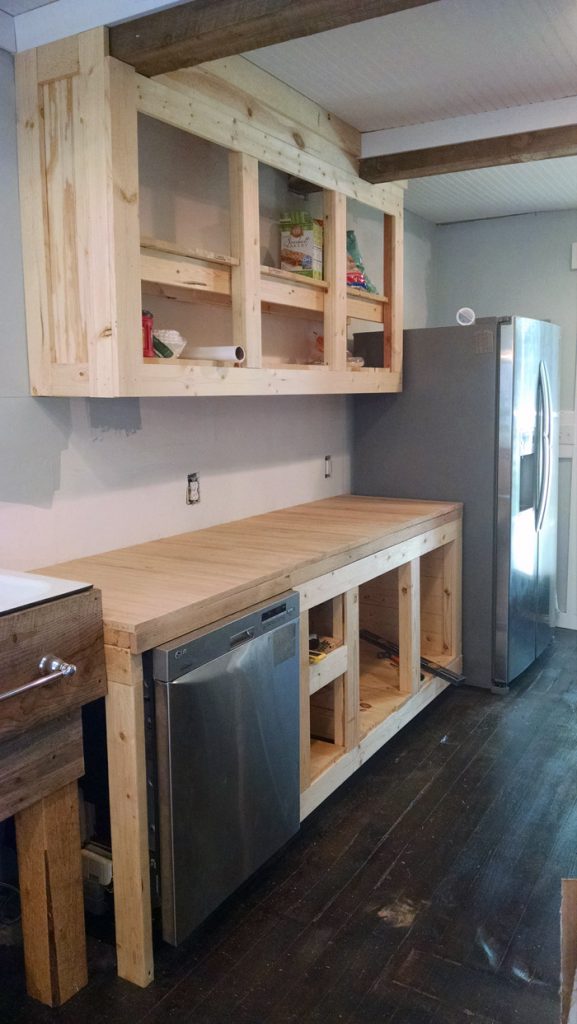
Have you ever dreamed of having a kitchen that truly reflects your style and meets your unique needs? Imagine opening your cabinet doors to find a perfectly organized space tailored just for you.
Designing your own kitchen cabinets might sound like a daunting task, but it’s easier than you think, and the results are incredibly rewarding. You’ll discover simple, step-by-step guidance to help you create cabinets that are as functional as they are beautiful.
Get ready to transform your kitchen into a space that not only enhances your home’s value but also makes cooking a delightful experience. With a few smart strategies, you’ll find yourself at the helm of a design project that brings your vision to life. Curious to know how? Let’s dive into the world of custom kitchen cabinetry that speaks your language.
Planning Your Cabinet Design
Explore the art of designing kitchen cabinets by considering space and style. Begin with measuring your kitchen area for precise fitting. Select materials that blend durability and aesthetics, ensuring a functional yet visually pleasing design.
Planning Your Cabinet Design Designing your own kitchen cabinets can be a rewarding project, transforming your cooking space into a functional and beautiful area. It all starts with a plan. A well-thought-out plan ensures your cabinets meet your needs and match your style.Assessing Your Kitchen Space
Begin by evaluating your kitchen space. Measure the dimensions of the kitchen, noting the location of appliances and windows. This helps you understand how much room you have for cabinets and where they should go. Think about your daily kitchen routine. Do you need more storage for pots and pans, or maybe a dedicated spice rack? Understanding how you use your kitchen will guide your design choices.Setting A Budget
Establishing a budget is crucial to keep your project on track. Consider how much you are willing to spend on materials and labor. Research the cost of different materials like wood, laminate, or metal to see what fits within your budget. Remember, unexpected costs can arise, so it’s wise to set aside a small portion of your budget for surprises. Are there areas where you can save money without compromising quality? Perhaps by choosing a less expensive finish or doing some of the work yourself.Choosing A Style
Selecting a cabinet style sets the tone for your kitchen. Do you prefer the sleek look of modern cabinets or the classic appeal of traditional designs? Browse magazines or online galleries for inspiration. Consider the overall theme of your home. Consistency in style between your kitchen and other rooms can create a harmonious flow. Personalize your design by incorporating unique features, such as glass doors or open shelving, that reflect your taste. Planning your cabinet design is more than just picking out materials and colors. It’s about creating a space that works for you and brings joy every time you step into your kitchen. What do you want your kitchen to say about you?Materials And Tools
Designing your kitchen cabinets requires careful planning. Materials and tools play a crucial role. The right materials ensure durability and style. Essential tools make the job easier. Let’s dive into what you’ll need.
Selecting Quality Materials
Quality materials are the foundation of lasting cabinets. Wood is a popular choice. It’s durable and can be painted or stained. Plywood is another option. It’s less expensive but still strong. Consider MDF for a smooth finish. It’s great for painted cabinets.
Hardware is important too. Choose hinges and handles that complement your design. Stainless steel is a durable choice. It resists rust and looks sleek. Always invest in good quality materials. They ensure your cabinets last for years.
Essential Tools For The Job
Having the right tools is key. A tape measure ensures accurate dimensions. Use a power drill for quick assembly. A circular saw is vital for cutting materials. A level ensures your cabinets are straight.
Don’t forget safety gear. Goggles protect your eyes. Gloves keep your hands safe. A dust mask prevents inhaling particles. With these tools, you’re ready to build.
Measuring And Sketching
Designing kitchen cabinets starts with precise measuring and sketching. Accurate dimensions ensure a perfect fit for your space. A well-drawn plan helps visualize and organize cabinet placement effectively.
Designing your own kitchen cabinets is an exciting journey. It begins with the crucial steps of measuring and sketching. These initial steps lay the foundation for your entire project, ensuring your cabinets fit perfectly into your space. Grab your tape measure and notepad, and let’s dive into the world of accurate measurements and detailed sketches.Accurate Measurements
Start by measuring your kitchen space carefully. Precision is key here. Miscalculations can lead to costly mistakes. Consider using a metal tape measure for more reliable results. A fabric one might stretch and distort measurements. Measure every dimension: width, height, and depth. Don’t forget to account for any appliances or fixtures that might affect cabinet placement. Create a simple table to jot down measurements for each section. This organized approach keeps everything clear and easy to reference later.Creating Detailed Sketches
With measurements in hand, move on to sketching your cabinet layout. This step is where your creativity shines. Begin by drawing the outline of your kitchen on graph paper. It’s easier to visualize the space this way. Use the measurements to mark where each cabinet will go. Sketching is not just about getting the proportions right. Think about functionality. Will you have enough space to open cabinet doors without hitting anything? Consider how you’ll use each cabinet day-to-day. Add notes to your sketches for special features like pull-out shelves or lazy Susans. This level of detail ensures you don’t miss anything important when you start building. Remember, your sketches are your blueprint. Would you build a house without a plan? Your kitchen deserves the same attention to detail. So, grab your tools and start measuring and sketching. What surprises might await you in this creative endeavor?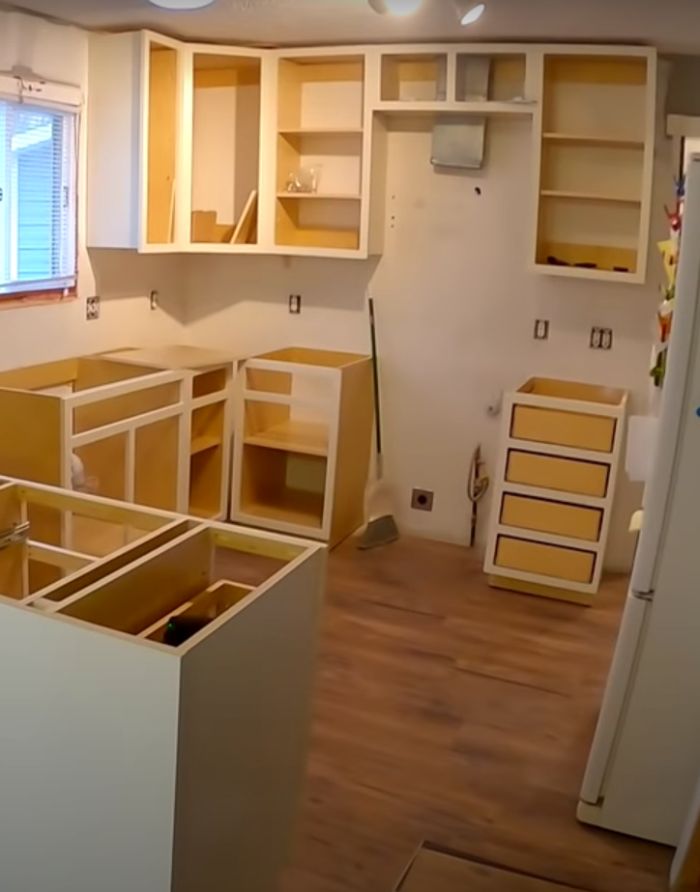
Credit: www.homedit.com
Building The Cabinets
Designing your own kitchen cabinets offers creative freedom and personalization. Choose materials and styles that match your taste. Consider the layout for optimal functionality in your cooking space.
Building your own kitchen cabinets can be a rewarding experience that adds a personal touch to your home. As you take on this project, it’s essential to focus on the construction process, ensuring durability and functionality. Whether you’re a seasoned DIY enthusiast or a novice, understanding the basics of cabinet building will equip you with the skills to create a kitchen that’s both stylish and practical.Cutting And Assembling
The first step in building cabinets is precise cutting. Accurate measurements are crucial. Use a reliable measuring tape to ensure each piece fits together seamlessly. Consider using plywood for its strength and affordability. Cut your panels using a circular saw, maintaining steady pressure to avoid splintering. Once you’ve cut the pieces, it’s time to assemble. Lay out your panels on a flat surface. Use clamps to hold parts together while you secure them with screws or nails.Joining Techniques
How you join your cabinet pieces can affect their stability and appearance. Dovetail joints are a popular choice for their strength and aesthetic appeal. If you’re looking for something simpler, consider using pocket-hole joints. They require fewer tools and are forgiving for beginners. Glue can also be an excellent aid in joining techniques. Apply it sparingly to avoid mess, but enough to ensure a firm bond. Building your cabinets is more than just a step in the renovation process; it’s a chance to express creativity and craftsmanship. Are you ready to transform your kitchen into a space that’s uniquely yours?Finishing Touches
Designing your own kitchen cabinets can be exciting. But the finishing touches make the real difference. These details turn good cabinets into great ones. They add personality and style. Let’s explore some key finishing touches. From sanding and painting to installing hardware, each step is crucial.
Sanding And Painting
Sanding is the first step to a smooth finish. It prepares the wood for painting. Use fine-grit sandpaper for best results. Sand in the direction of the wood grain. This prevents scratches. After sanding, clean the surface. Remove all dust with a damp cloth. This ensures a clean base for painting.
Choose a paint color that suits your kitchen style. Light colors make small spaces feel larger. Dark colors add warmth and depth. Use a primer before painting. It helps the paint adhere better. Apply the paint in thin, even coats. Allow each coat to dry completely. Patience is key for a flawless finish.
Installing Hardware
Hardware adds a functional and decorative touch. Handles and knobs should match your kitchen’s theme. For a modern look, choose sleek, metallic finishes. For a rustic feel, consider wooden or ceramic pieces.
Measure accurately before drilling holes for hardware. Use a template for consistency. This ensures all handles are aligned. Secure each piece with screws. Check each handle for stability. Make adjustments if necessary.
These finishing touches complete your custom kitchen cabinets. They reflect your style and enhance functionality.
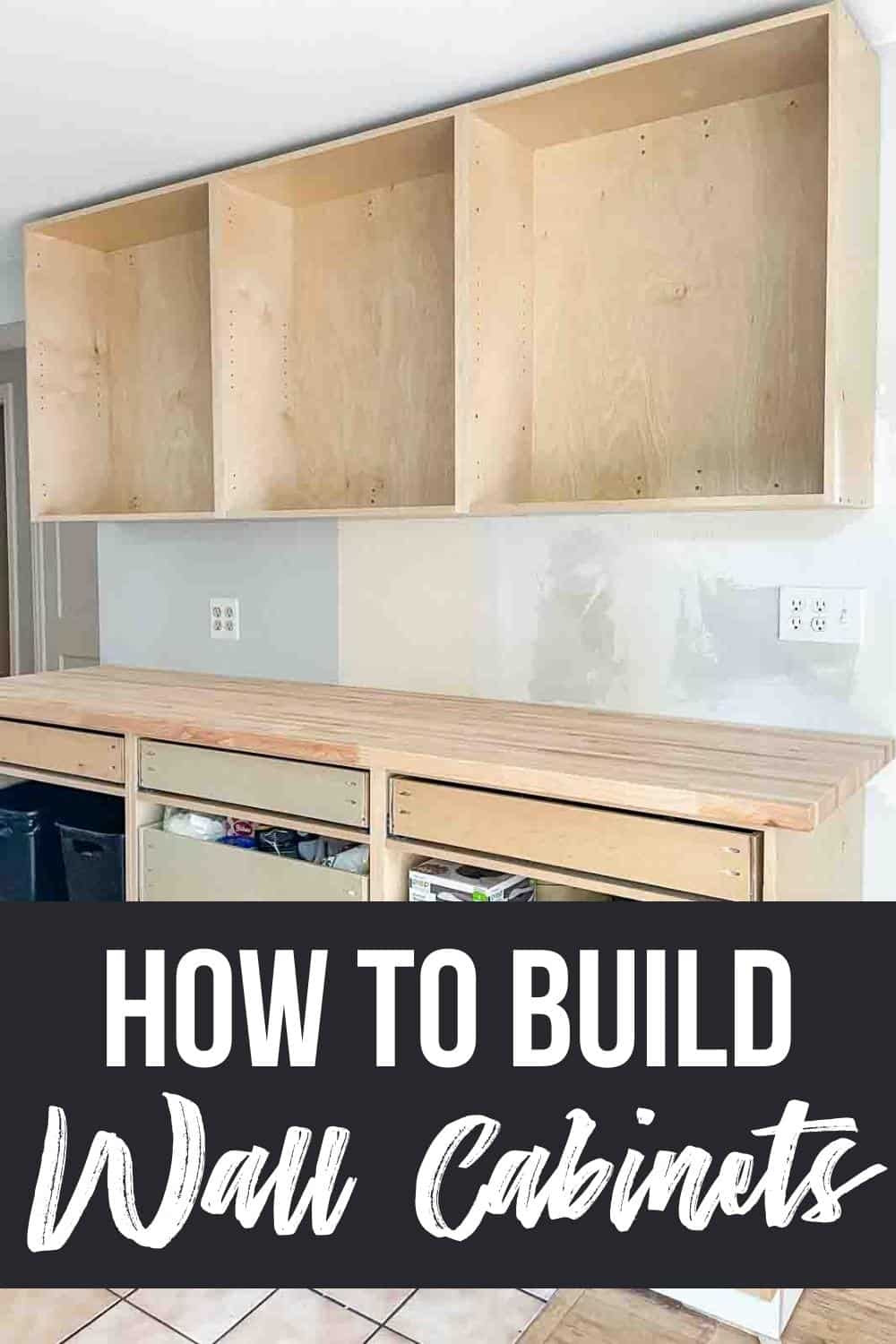
Credit: www.thehandymansdaughter.com
Installation Process
Designing your kitchen cabinets begins with gathering tools and materials. Measure your space carefully to ensure a perfect fit. Assemble the cabinets following step-by-step instructions, ensuring all pieces align correctly. Finally, secure the cabinets to the walls, checking for level alignment for a polished finish.
Designing your own kitchen cabinets can be a rewarding experience, especially when you get to see your vision come to life during the installation process. This step is crucial in ensuring that your cabinets not only look great but also function effectively. With a little preparation and attention to detail, you can install your kitchen cabinets like a pro. So, how do you go about it? Let’s break it down.Preparing The Space
Before you start, make sure your kitchen is ready for the installation. Clear the area of any obstacles and give the walls a thorough check for any irregularities. If the walls aren’t even, your cabinets might not align properly, leading to an uneven appearance. Have you measured your space accurately? Double-check the dimensions to ensure your cabinets will fit as expected. Mark the wall where each cabinet will go, considering the height and width. Don’t forget about the floor. It should be level to prevent cabinets from wobbling or leaning. Use a spirit level to check and make any necessary adjustments.Securing Cabinets In Place
Once your space is prepped, it’s time to secure the cabinets. Start by installing the upper cabinets first, as this makes it easier to work without the base cabinets getting in the way. This approach also prevents any accidental damage to the lower units. Use a stud finder to locate the wall studs and mark them. This ensures that your cabinets are anchored securely. Drill pilot holes and use screws long enough to penetrate the studs by at least one inch. Are you using the right tools? A power drill, screws, and a level are essential for a successful installation. Check that each cabinet is level and adjust as necessary before securing it permanently. Align the adjacent cabinets and fasten them together. This step helps create a seamless look and adds stability to the entire setup. Tighten the screws carefully, ensuring no gaps between the units. Remember, the installation process is where your design choices come to life. By preparing your space and securing the cabinets correctly, you set the stage for a kitchen that’s not only beautiful but built to last. Have you thought about how satisfying it will feel to see your DIY kitchen cabinets finally completed?Troubleshooting Common Issues
Encountering issues while designing kitchen cabinets can be frustrating. Measure spaces accurately to avoid fitting problems. Choose durable materials for longevity and easy maintenance. Adjust hinges and slides carefully to ensure smooth operation.
Designing your own kitchen cabinets can be an exciting journey, yet it’s not without its challenges. While creating custom cabinetry allows for personalization and creativity, it can also lead to unexpected issues. Addressing these common problems efficiently will save you time and frustration, ensuring your kitchen remains a haven for culinary delights.Aligning Doors And Drawers
One of the most common issues in cabinet design is misaligned doors and drawers. This can happen if the hinges or slides are not installed correctly or if the cabinet boxes are not level. Check the alignment by closing the doors and drawers to see if they sit flush against the cabinet frame. Use a level to ensure that everything is straight. If a door is crooked, you might need to adjust the hinges slightly. For drawers, adjusting the slides can help them glide smoothly and sit evenly. Remember, a small adjustment can make a big difference. Don’t be afraid to tweak until it feels right. Have you ever noticed how a perfectly aligned door makes a kitchen feel more organized and serene?Fixing Minor Mistakes
Mistakes happen, even to seasoned DIY enthusiasts. Whether it’s a scratch on the cabinet surface or a misjudged measurement, addressing these errors promptly is key. For surface blemishes, touch-up kits that match your cabinet finish can work wonders. If a piece is cut too short, consider creative solutions like adding trim or decorative elements to disguise the error. This approach not only fixes the mistake but can also enhance the design. Have you considered the charm of adding your personal touch to cover a misstep? Sometimes, what seems like an error can lead to a unique design feature that sets your kitchen apart. In the world of DIY, flexibility and creativity are your best tools. Have you encountered any unexpected challenges in your kitchen projects? Share your stories and let’s troubleshoot together!Maintaining Your Cabinets
Creating your own kitchen cabinets involves selecting materials, colors, and styles that fit your taste. Maintaining your cabinets ensures they remain beautiful and functional. Regular cleaning and occasional touch-ups keep them looking fresh and vibrant.
Maintaining your kitchen cabinets is crucial to ensure they remain beautiful and functional over time. Whether you’ve invested in custom designs or opted for DIY solutions, regular maintenance is key to preserving their charm and durability. Let’s dive into some practical ways to keep your cabinets looking their best.Cleaning Tips
Cabinets inevitably gather dust, grease, and fingerprints. A simple mixture of warm water and mild dish soap can work wonders. Use a soft cloth to gently wipe the surfaces, avoiding harsh chemicals that may damage the finish. Consider setting a regular cleaning schedule. Weekly wipe-downs can prevent buildup and keep your cabinets fresh. If you have wooden cabinets, using a bit of olive oil can add shine and preserve the wood.Handling Wear And Tear
Even the best cabinets endure wear and tear over time. It’s essential to address minor scratches and dents promptly. A wood filler or a touch-up pen can be handy for quick fixes, maintaining the aesthetic appeal. Inspect your hinges and handles regularly. Loose screws can lead to sagging doors. Tightening them can prevent bigger issues down the line. If your cabinets have glass panels, ensure they are securely fastened to avoid accidents. What’s your cabinet’s biggest enemy? Moisture! It can warp wood and damage finishes. Consider using a dehumidifier if your kitchen is prone to dampness. Regular maintenance doesn’t have to be daunting. By integrating these practices into your routine, you can enjoy a kitchen that not only looks great but functions seamlessly. What tricks have you discovered in keeping your cabinets pristine?
Credit: www.grandmashousediy.com
Frequently Asked Questions
Is It Cheaper To Build Your Own Kitchen Cabinets?
Building your own kitchen cabinets can be cheaper. Costs depend on materials and tools needed. DIY projects eliminate labor costs, potentially saving money. Consider time, skill level, and resources before deciding.
Is There An App To Design Cabinets?
Yes, there are apps available to design cabinets. Popular choices include SketchUp, ProKitchen, and Cabinet Vision. These apps offer user-friendly interfaces for 3D modeling and detailed design features. They help professionals and DIY enthusiasts create customized cabinet layouts efficiently and accurately.
What Is The Golden Rule For Kitchen Design?
The golden rule for kitchen design is the “work triangle. ” It ensures efficient workflow between the sink, stove, and refrigerator. This layout minimizes movement, saving time and effort. The triangle sides should measure 4 to 9 feet each for optimal functionality.
Prioritize accessibility and convenience in your kitchen’s design.
Can I Design My Own Kitchen Online For Free?
Yes, you can design your own kitchen online for free. Many websites and apps offer user-friendly design tools. These platforms allow you to visualize layouts and customize details. Create your dream kitchen with ease using these free online tools.
Conclusion
Designing your own kitchen cabinets can be a fun project. Start with a vision. Think about what you need. Consider your style. Measure the space carefully. Choose materials wisely. Plan for storage solutions. Use simple designs for easy assembly. Make sure everything fits perfectly.
Let creativity guide you. Personal touches matter. Enjoy the process. Cabinets are central to your kitchen’s look. With patience, you can create a unique space. Your kitchen will reflect your personality. Remember, the journey is as important as the final product.
Happy designing!