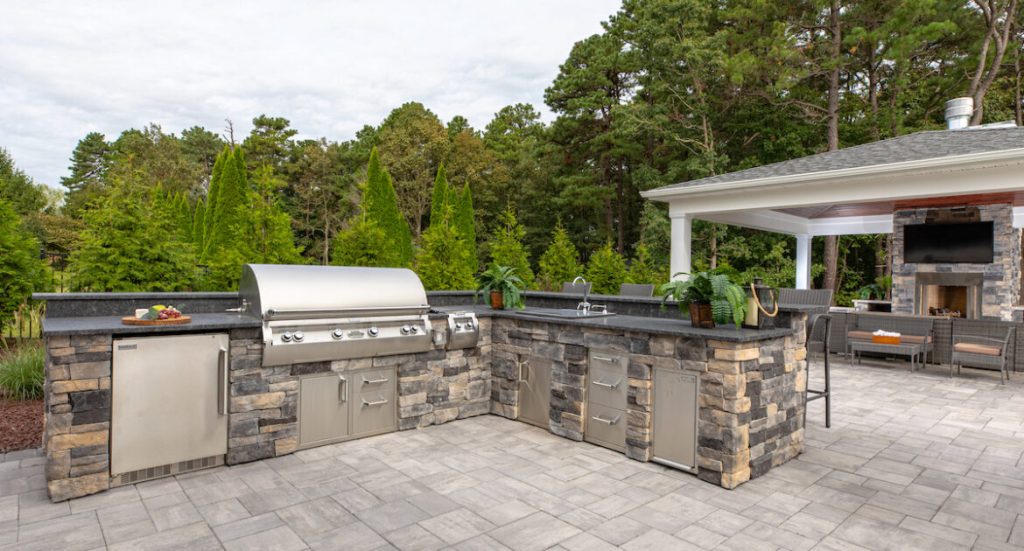
Imagine stepping into your backyard and finding an outdoor oasis where you can cook, entertain, and relax. An outdoor kitchen can transform your outdoor space into a hub of activity and enjoyment.
But how do you design the perfect outdoor kitchen that suits your lifestyle and needs? You might think it’s complicated, but with the right guidance, it can be surprisingly straightforward. As you explore this article, you’ll discover essential tips and creative ideas that will inspire you to create a functional and stylish outdoor kitchen.
Dive in to learn how you can make your backyard the envy of the neighborhood, where every meal feels like a special occasion.
Choosing The Right Location
Designing an outdoor kitchen starts with selecting the perfect location. The right spot enhances functionality and comfort. It ensures your cooking space is inviting and efficient. Several factors help guide this decision.
Assessing Space And Accessibility
Consider the available space for your outdoor kitchen. Measure the area carefully. Ensure enough room for cooking equipment and seating. Accessibility is crucial. Choose a location near your home’s entrance. This proximity simplifies transporting food and supplies. Avoid placing it too far from utilities. Easy access to water and electricity is vital.
Considering Sun And Wind Exposure
Sun exposure affects comfort and cooking efficiency. A shaded area prevents overheating during warm months. Use natural shade from trees or install umbrellas. Wind exposure impacts cooking and comfort. Avoid windy spots to minimize smoke and debris. Consider wind direction when positioning your grill or stove. This ensures a pleasant cooking experience.
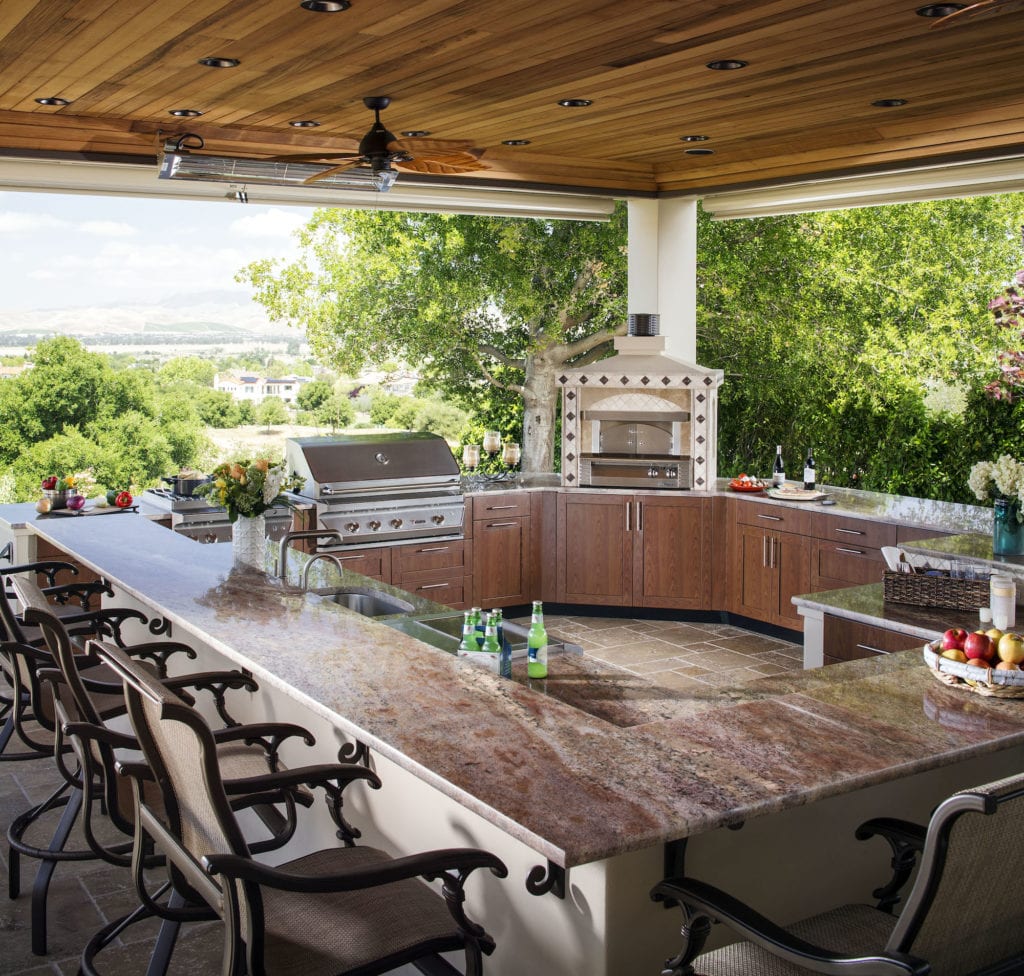
Credit: danver.com
Planning The Layout
Crafting the perfect outdoor kitchen layout transforms your space into a functional and inviting cooking haven. Consider available space, flow, and essential zones for prep, cooking, and dining. Prioritize comfort and convenience by choosing weather-resistant materials and strategic placements for appliances.
Designing an outdoor kitchen is an exciting project that can transform your backyard into a culinary haven. However, the success of your outdoor kitchen heavily relies on the planning of its layout. A well-thought-out layout ensures that your cooking space is both functional and enjoyable, allowing you to savor every moment spent outdoors. Let’s dive into the essentials of planning the layout by identifying key zones and ensuring an efficient workflow.Identifying Key Zones
Start by identifying the key zones in your outdoor kitchen. Imagine your indoor kitchen and the distinct areas it has, such as preparation, cooking, serving, and cleaning. Your outdoor kitchen should mirror these zones for convenience and functionality. Consider where you will do most of your prep work. You need a spacious countertop that can handle all the chopping and mixing. Think about the location of your grill or stove. Is it easily accessible from your prep area? Next, plan for a serving area. This could be a simple table or a built-in island. Ensure it’s conveniently located near the cooking zone, so you can easily transfer dishes from grill to table. Is there enough space for guests to gather without crowding your cooking space?Ensuring Efficient Workflow
An efficient workflow is crucial in any kitchen, especially outdoors where space can be limited. Arrange your zones in a logical sequence, just like in a restaurant kitchen. This reduces unnecessary steps and keeps the chef happy. Use the classic kitchen triangle rule: place your grill, sink, and refrigerator in a triangular layout. This setup minimizes movement and increases efficiency. Picture yourself grilling and needing a quick rinse—how easy is it to reach the sink? Consider the distance between zones. Are they too far apart, causing extra walking? Or too close, creating congestion? Finding the right balance is key. In my own backyard project, I realized too late that my prep zone was too far from the grill. This oversight turned quick meals into a marathon. Learn from this mistake and ensure your zones are just a few steps apart. Ask yourself: does this layout make cooking a breeze, or does it feel like a chore? By focusing on efficient workflow, you’ll enjoy hosting and cooking more, and spend less time running in circles. Planning your outdoor kitchen layout thoughtfully can vastly enhance your outdoor living experience. As you design, think about the flow and function of your space. What changes could make your layout even better?Selecting Durable Materials
Choosing durable materials ensures your outdoor kitchen withstands the elements. Opt for weather-resistant surfaces like stainless steel and stone. These choices promise longevity and ease of maintenance in any climate.
Designing your outdoor kitchen involves choosing the right materials that can withstand the elements. When you select durable materials, you ensure longevity, functionality, and aesthetic appeal. It’s essential to focus on materials that can handle varying weather conditions while also complementing your design style.Weather-resistant Options
Outdoor kitchens face constant exposure to the elements. Rain, sun, and wind can take a toll on your setup. You want materials that resist fading, rusting, and warping. Consider stainless steel for appliances and cabinetry. It’s tough against rust and easy to clean. Natural stone like granite or slate works wonders for countertops. They’re not only durable but add a touch of elegance. Think about your environment. If you live near the coast, salt air can be harsh. Opt for marine-grade woods or specially treated metals that resist corrosion. What about winter? Materials like concrete are a great choice for colder climates. They can handle freeze-thaw cycles without cracking.Choosing Aesthetic Finishes
Durability doesn’t mean compromising on style. You want materials that look great and match your outdoor vibe. Mix and match textures. Pair sleek stainless steel with warm wooden accents. This creates a balanced look that feels inviting yet modern. Color matters too. Neutral tones in your kitchen can complement natural surroundings. Or, try bold colors for a pop that catches the eye. Consider your personal taste. If you love rustic charm, go for reclaimed wood finishes. They add character and tell a story. Don’t forget about lighting. Install fixtures that highlight your materials. It can transform your space during evening gatherings. What does your dream outdoor kitchen look like? Think about materials that make it not only last, but shine.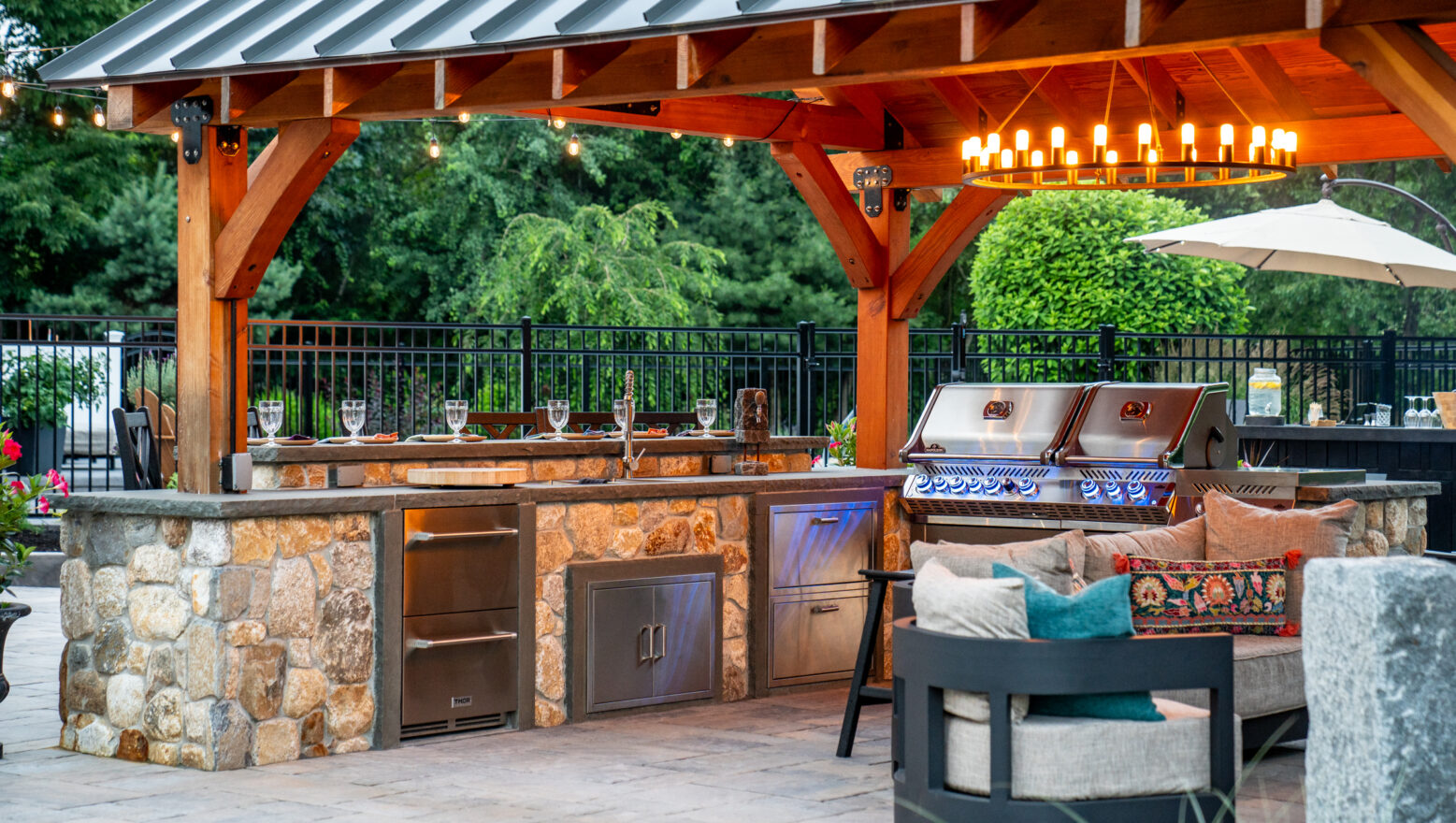
Credit: www.santhoffplumbingco.com
Incorporating Essential Appliances
Designing an outdoor kitchen requires careful thought on essential appliances. These appliances define functionality and enhance the cooking experience. Choose appliances that blend with your cooking style and outdoor space. A well-equipped kitchen makes outdoor cooking enjoyable and efficient.
Grills And Smokers
Grills are the heart of any outdoor kitchen. They offer versatility in cooking. Choose between gas, charcoal, or electric grills. Each type has its benefits. Gas grills heat quickly and are easy to control. Charcoal grills provide a smoky flavor. Electric grills are convenient and clean. Smokers add a unique touch. They infuse food with rich, smoky flavors. Consider a smoker for slow-cooked, tender dishes. Ensure your grill or smoker suits your cooking needs and space.
Refrigeration Units
Refrigeration units keep your ingredients fresh. They are essential for safe food storage. Consider an outdoor-rated refrigerator for durability. Compact units fit small spaces and offer ample storage. Some units come with freezer compartments. This feature is perfect for storing ice or frozen goods. Think about energy efficiency and temperature control. These features help maintain food quality. Choose a unit that complements your outdoor kitchen design.
Adding Functional Features
Enhance your outdoor kitchen with practical features like built-in grills and weatherproof cabinets. Add ample counter space for food prep and storage. Consider installing a sink for easy cleanup.
Designing your outdoor kitchen is an exciting adventure that blends style with functionality. Adding functional features is crucial to ensure your space is not only beautiful but also practical. Imagine hosting a barbecue where everything is within reach, and you can focus on enjoying rather than juggling tasks. Let’s explore how you can make your outdoor kitchen efficient with key elements like sinks, plumbing, countertops, and storage solutions.Sink And Plumbing Considerations
A sink in your outdoor kitchen is more than just a convenience; it’s a game-changer. Think about how much easier food prep and clean-up will be. You’ll want to consider the location carefully. Make sure it’s accessible yet doesn’t disrupt your cooking flow. Plumbing can be tricky outdoors, but don’t let that deter you. Opt for a simple setup with cold water if you’re on a budget. Otherwise, go for both hot and cold water for added luxury. Remember, proper drainage is essential to avoid soggy mishaps.Countertops And Storage Solutions
Countertops are the backbone of your outdoor kitchen. They need to be durable and weather-resistant. Choose materials like granite or concrete for longevity. You’ll appreciate having a spacious area to chop veggies and mix marinades. Storage is often overlooked but incredibly important. Cabinets or drawers can keep your utensils organized and within arm’s reach. Consider adding hooks for hanging tools. If you’ve ever scrambled for a spatula mid-grill, you’ll understand the value of smart storage. As you design, think about your cooking habits and what you frequently use. Does your family love pizza nights? Perhaps a pizza oven could be your next addition. How about a mini fridge for cool beverages on hot days? Your outdoor kitchen should reflect your lifestyle while enhancing your outdoor experience. What functional feature will make your cooking life easier and more enjoyable?
Credit: www.stollindustries.com
Integrating Lighting And Ambiance
Designing an outdoor kitchen goes beyond choosing appliances. Lighting sets the mood. It adds functionality and enhances the space. The right lighting transforms your outdoor area. It creates a welcoming, cozy environment. Thoughtful lighting choices can elevate your culinary experience. They also ensure safety and convenience during nighttime gatherings.
Task Lighting Essentials
Task lighting focuses on specific areas. It’s crucial for food preparation. Install bright lights above countertops and cooking zones. LED lights are energy-efficient. They provide excellent brightness for tasks. Position lights to avoid shadows. Under-cabinet lighting is a smart choice. It illuminates counters without taking space. A well-lit workspace boosts efficiency and safety.
Creating A Cozy Atmosphere
Ambiance lighting creates a warm, inviting feel. String lights add charm and elegance. Hang them above dining areas or patios. Lanterns and candles offer a soft glow. They add a touch of romance. Consider path lights to guide guests. They enhance safety and highlight garden features. Dimmers allow you to control brightness. Adjust them to match the occasion’s mood.
Ensuring Safety And Comfort
Designing your outdoor kitchen requires planning for safety and comfort. Use non-slip surfaces to prevent accidents. Ensure proper ventilation to keep smoke away. Consider shade options for hot days. Add good lighting for nighttime use. Choose sturdy furniture for a welcoming space.
Designing an outdoor kitchen is an exciting endeavor, allowing you to extend your living space and make the most of the great outdoors. However, ensuring safety and comfort in your outdoor kitchen is crucial for enjoyable and worry-free cooking and dining experiences. Let’s explore some practical steps you can take to create a safe and cozy environment in your outdoor cooking area.Fire Safety Measures
Your outdoor kitchen should be a place of warmth and joy, not a fire hazard. Start by positioning your grill or any open flames away from flammable materials like wooden structures or overhanging branches. Consider installing a fire extinguisher within easy reach. It’s a small addition that can make a big difference in case of an unexpected flare-up. Choose non-combustible materials for your countertops and flooring. This choice not only enhances safety but also adds durability to your kitchen.Seating And Shade Options
Comfortable seating can transform your outdoor kitchen from a cooking space into a social hub. Choose weather-resistant furniture that can withstand the elements and offer ample seating for family and friends. Think about adding a pergola or an umbrella for shade. Not only does it provide comfort on sunny days, but it also protects your kitchen appliances and finishes from sun damage. Use cushions and throws to add a personal touch and extra comfort. These small details can make your guests feel at home and encourage lingering conversations. Designing your outdoor kitchen with safety and comfort in mind means creating a space where memories can be made without worry. Have you thought about how you can make your outdoor space both safe and inviting?Budgeting And Planning
Creating an outdoor kitchen can transform your backyard. It offers a fantastic space for entertaining and cooking. But, before diving into design, careful budgeting and planning are crucial. This ensures a smooth process without unexpected costs.
Estimating Costs
Start by listing all components needed. Think about appliances, counters, and seating areas. Research average prices for each. Visit local stores for accurate pricing. Consider installation costs. Professionals may charge for electrical or plumbing work. Remember landscaping expenses. Plants and pathways can add to the overall cost.
Prioritizing Features
Identify must-have features first. Decide on essentials like a grill or a sink. List these before adding extras. Focus on functionality. A solid countertop is more important than a fancy fireplace. Think about your cooking style. If you love grilling, invest in a quality grill. Save luxury items for later if budget allows.
Frequently Asked Questions
How Do I Plan My Outdoor Kitchen?
Start by assessing your space and budget. Choose durable materials for countertops and appliances. Plan for adequate seating and lighting. Consider weather protection, such as pergolas or umbrellas. Ensure proper ventilation and access to utilities like water, gas, and electricity.
Is There An App That Lets Me Design My Kitchen For Free?
Yes, several apps offer free kitchen design tools. Popular options include Home Design 3D, Roomstyler, and SketchUp. These apps provide user-friendly interfaces and various customization options. Explore features like 3D visualization and layout planning to design your dream kitchen effortlessly.
What Is The Average Cost To Build An Outdoor Kitchen?
The average cost to build an outdoor kitchen ranges from $5,000 to $20,000. Prices vary based on materials, size, and features. Custom designs with high-end appliances and materials can exceed $30,000. Budget options with basic features are available for less.
Always plan according to your needs and budget.
How Do I Design My Kitchen Layout?
Plan your kitchen layout by considering workflow, appliance placement, and storage needs. Use the triangle rule for efficiency. Keep countertops clutter-free. Ensure ample lighting for tasks. Select durable materials that match your style. Optimize space with smart cabinetry solutions. Sketch your design before finalizing.
Conclusion
Designing your outdoor kitchen can be a fun journey. Remember to plan your space carefully. Think about your cooking needs and the weather. Choose durable materials that match your style. Don’t forget to include seating for guests. Lighting can enhance the evening atmosphere.
Keep the layout functional and simple. This will make cooking and entertaining enjoyable. An outdoor kitchen adds value to your home. It also creates a great spot for family gatherings. Enjoy your new outdoor cooking space!