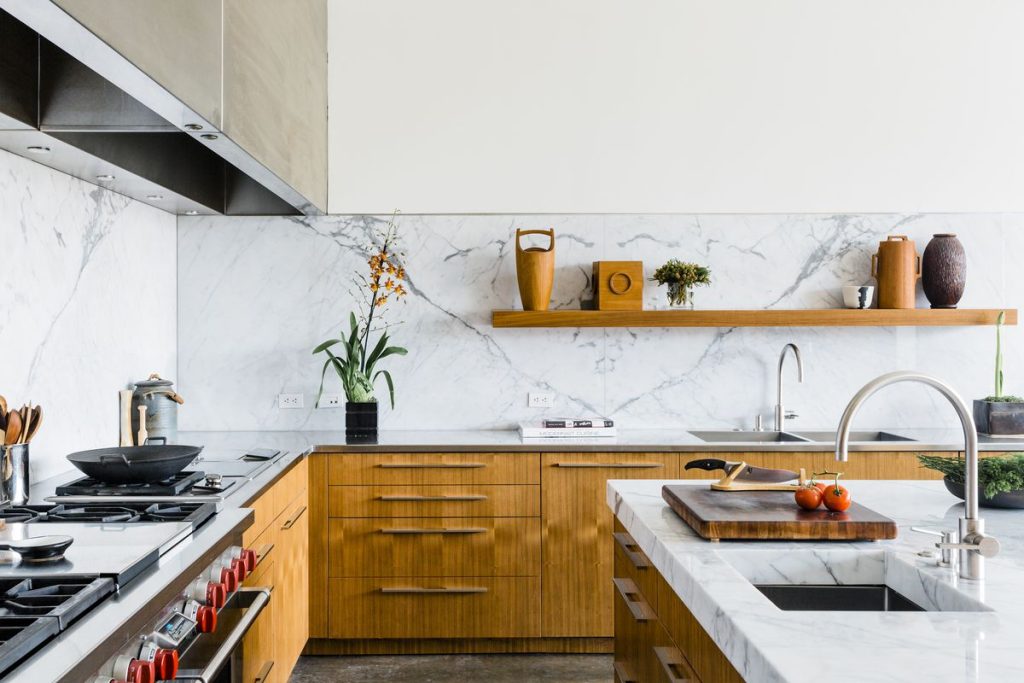
Imagine stepping into a kitchen where every detail feels just right. The layout flows seamlessly, the colors soothe your senses, and each appliance is perfectly positioned to make cooking a breeze.
Sounds like a dream, doesn’t it? Designing the perfect kitchen is not only about aesthetics; it’s about creating a space that truly works for you. Whether you’re a culinary enthusiast or someone who values efficiency, the right design can transform your daily routine.
Are you ready to discover how to make this dream kitchen your reality? Keep reading, and you’ll learn the secrets that turn ordinary cooking spaces into extraordinary ones.
Credit: zenithdesignbuild.com
Planning Your Kitchen Layout
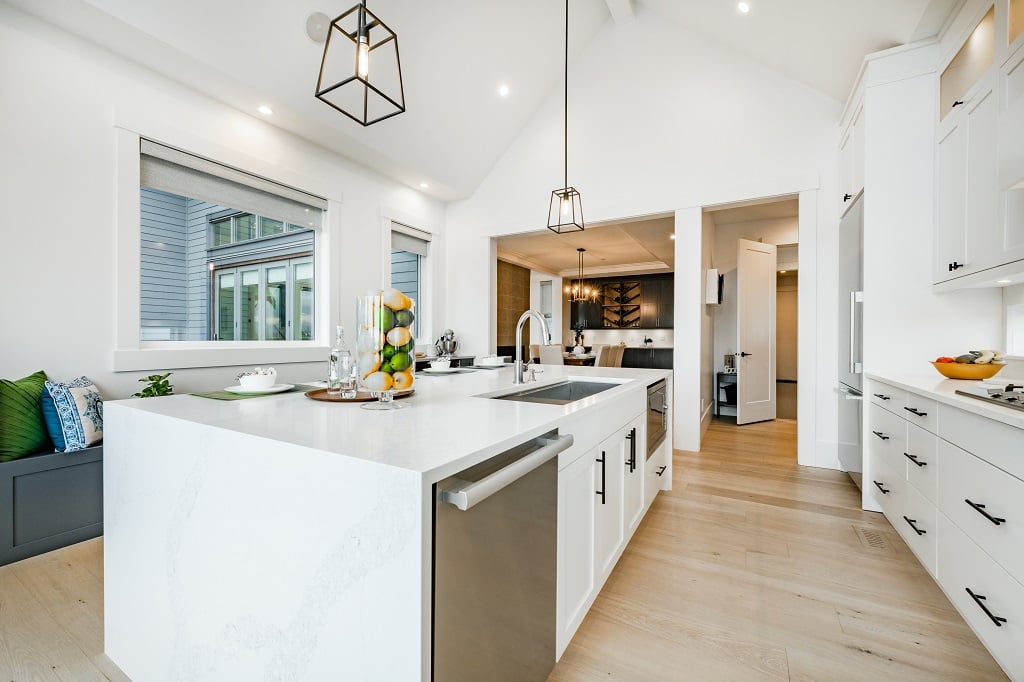
Designing the perfect kitchen involves careful planning of the layout. Consider the work triangle for efficiency. Ensure ample storage and counter space for functionality.
Designing the perfect kitchen begins with thoughtful planning of the layout. It’s not just about where the stove or sink will go; it’s about creating a space that feels right for your cooking habits and lifestyle. Whether you’re a culinary enthusiast or someone who just enjoys a quick meal, planning your kitchen layout is crucial to achieving functionality and style.Assessing Space And Needs
Start by assessing the available space in your kitchen. Measure the dimensions of your kitchen area accurately. This helps in understanding how much room you have for cabinets, appliances, and other essentials. Think about your cooking habits and lifestyle needs. Do you entertain guests often, or is it just you and a partner? This will influence how you prioritize space for dining or meal prep areas. Consider storage needs as well. A baker might need more counter space for kneading dough, while a large family might require additional pantry storage.Choosing The Right Layout
The right layout can transform your kitchen from a simple cooking area into a functional hub. Popular layouts include the U-shape, L-shape, and galley designs. Each has its own advantages, depending on your space and needs. An L-shaped kitchen is great for open floor plans, allowing for efficient workflow and ample countertop space. It’s perfect if you enjoy socializing while cooking. A U-shaped layout offers maximum storage and counter space, ideal for larger families. However, it requires more room and might not suit smaller kitchens. The galley layout, with two parallel counters, works well for small spaces. It provides an efficient work triangle, making everything easily accessible. Choosing the right layout is about balancing your cooking style with the available space. What layout aligns with your daily kitchen activities?Selecting Quality Materials
Creating your dream kitchen involves more than just a pretty design. Quality materials play a crucial role in the longevity and functionality of the space. Choosing the right materials ensures your kitchen stays beautiful and efficient for years. Let’s explore important options to consider for countertops, flooring, and cabinets.
Countertop Options
Countertops are the centerpiece of any kitchen. Granite offers a timeless and durable choice. It withstands heat and scratches, making it ideal for busy kitchens. Quartz is another excellent option. It resists stains and requires less maintenance. For a modern look, consider stainless steel or concrete. These materials add a sleek touch to contemporary designs.
Durable Flooring Choices
The kitchen floor needs to handle heavy traffic. Hardwood flooring provides warmth and elegance. It’s durable but requires regular maintenance. Tiles are both stylish and practical. They resist water and are easy to clean. Vinyl flooring offers an affordable and resilient option. It mimics the look of wood or stone without the high cost.
Cabinet Material Selection
Cabinets define the kitchen’s style and storage capacity. Solid wood cabinets offer durability and a classic look. They can be painted or stained to match any design. Medium-density fiberboard (MDF) is a budget-friendly alternative. It resists warping and provides a smooth finish. For a sleek, modern appearance, consider laminate or metal cabinets. These materials are easy to maintain and come in various colors.
Incorporating Smart Storage Solutions
Designing the perfect kitchen isn’t just about aesthetics; it’s about functionality. Smart storage solutions can transform your kitchen into a space that works for you, not against you. Imagine opening a cabinet and finding everything you need without digging through clutter. Or having a pantry that makes meal prep a breeze. With clever storage ideas, your kitchen can become a haven of efficiency and style.
Efficient Cabinet Design
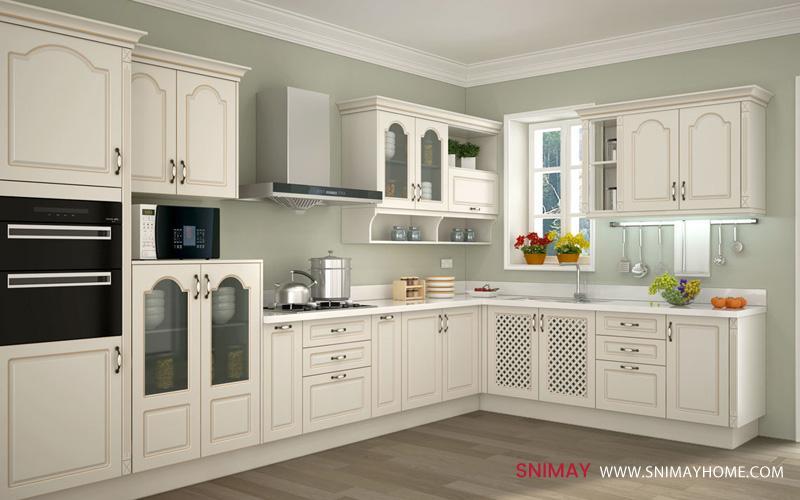
Cabinets are the backbone of any kitchen. Efficient cabinet design can save you time and frustration. Think about a lazy Susan that rotates to reveal hidden spices. Or drawers with adjustable dividers that keep utensils neatly separated. Consider installing pull-out shelves that bring items directly to you, eliminating the need to bend or stretch. What cabinet feature would make your kitchen life easier?
Innovative Pantry Ideas
Pantries can be more than just shelves crammed with cans. Think vertical to maximize space—install hooks for hanging pots or baskets for smaller items. Use clear containers to keep track of inventory easily. Label everything to make sure you always find what you need. Have you ever tried a sliding pantry door that doubles as a chalkboard for jotting down grocery lists? It’s all about making the space work for you.
Smart storage solutions in your kitchen can change how you cook, clean, and live. So why not take the leap and make your kitchen the heart of your home?
Credit: www.snimayhome.com
Choosing Appliances Wisely
Designing the perfect kitchen involves choosing the right appliances. The right choices enhance both functionality and aesthetics. Before making a decision, consider several key factors. Prioritize energy efficiency, style, and functionality.
Energy Efficiency Considerations
Energy-efficient appliances reduce utility costs. Look for appliances with the Energy Star label. This label ensures the appliance meets energy-saving standards. Energy-efficient options are better for the environment. They reduce your carbon footprint. This choice is both economical and eco-friendly.
Matching Style And Functionality
Choose appliances that match your kitchen’s style. Stainless steel offers a modern look. White or black finishes suit traditional designs. Consider the appliance’s functionality. A double oven can be useful for large families. Compact appliances save space in smaller kitchens. Ensure the appliance complements your kitchen design. A harmonious look enhances the kitchen’s appeal.
Lighting For Function And Ambiance
Lighting is a crucial aspect of kitchen design, impacting both functionality and ambiance. The right lighting can transform your kitchen from a mere cooking space into a warm and inviting hub. You might be surprised how much lighting can affect your mood and efficiency. Imagine preparing a meal in a dimly lit kitchen versus one that’s well-lit and vibrant. Which sounds more appealing?
Task Lighting Options
Task lighting is essential for areas where precision is key, like your countertops or stove. Under-cabinet lights are a popular choice, offering direct illumination where you need it most.
Consider adjustable track lighting. It allows you to focus light on various task zones, enhancing your cooking experience. You can even opt for pendant lights over an island for both style and functionality.
LED strips offer a modern touch and are energy-efficient. They can be installed under cabinets or shelves, providing a bright yet unobtrusive light source.
Accent And Ambient Lighting
Accent lighting is where you can get creative. Use it to highlight architectural features or decor elements in your kitchen. Spotlights can emphasize a beautiful backsplash or a piece of art.
Ambient lighting sets the overall mood. A combination of ceiling lights and recessed fixtures can create a welcoming atmosphere. Dimmer switches give you control over the intensity, perfect for transitioning from cooking to dining.
Think about incorporating color-changing lights. They can add a playful touch and adjust according to the time of day or your mood. What better way to personalize your kitchen space?
Have you ever considered how lighting can affect your kitchen’s ambiance? Next time you update your kitchen, remember that lighting choices can be both functional and transformative.
Adding Personal Touches
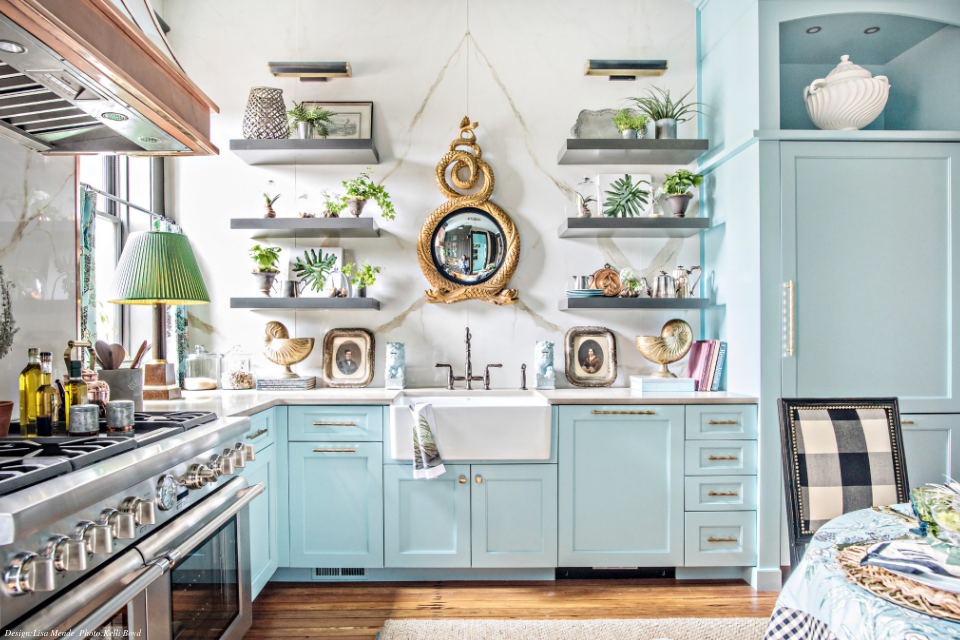
Personal touches can make your kitchen unique. Consider adding colorful tiles or vintage furniture. Display family photos or handmade crafts for warmth and personality.
Designing a kitchen is more than just arranging cabinets and appliances. It’s about making the heart of your home a reflection of your personality and lifestyle. Adding personal touches can transform a functional space into a vibrant and inviting area where memories are made. Whether you’re a culinary enthusiast or someone who loves hosting gatherings, consider how your kitchen can embody who you are.Color And Finish Selections
Choosing the right colors and finishes sets the tone for your kitchen. Are you drawn to calming neutrals or bold hues? Think about how different colors make you feel. A friend of mine painted her kitchen a sunny yellow to remind her of her grandmother’s kitchen. It brings warmth and nostalgia every time she steps in. Consider finishes too. A matte finish might give a modern look, while gloss can add a touch of elegance. Remember, these choices should resonate with your personal style.Incorporating Unique Features
Unique features can make your kitchen truly yours. Ever thought about a chalkboard wall for jotting down recipes or leaving sweet notes? It’s a simple addition with a big impact. How about a custom backsplash? A client once chose tiles that depicted scenes from her travels, turning her kitchen into a conversation starter. Think about what makes you smile. Maybe it’s a quirky light fixture or a vintage piece that tells a story. These elements make your kitchen not just a place to cook, but a space where you feel at home. As you design your kitchen, ask yourself: What makes this space uniquely mine? By adding personal touches, you ensure your kitchen is a place where you love to be.Balancing Aesthetics And Functionality
Designing the perfect kitchen means finding a balance between looks and practicality. Choose sleek cabinets for a modern vibe. Ensure enough counter space for cooking. Good lighting adds warmth and functionality. Create a space that feels welcoming and works well for daily tasks.
Designing the perfect kitchen is about finding the sweet spot between aesthetics and functionality. You want a space that’s pleasing to the eye, yet practical for everyday use. Imagine having a kitchen that not only looks stunning but also enhances your cooking experience. It’s all about making thoughtful choices that serve both beauty and utility.Creating A Cohesive Design
Achieving a cohesive design means your kitchen elements work harmoniously together. Start by choosing a color palette that complements the rest of your home. Mixing materials like wood, metal, and stone can add depth, but ensure they align well visually. Think about the style you’re aiming for, be it modern, rustic, or eclectic. Ensure your cabinets, countertops, and appliances fit this theme. Consistency in design choices will make the space feel unified and intentional. Consider the flow from one area of the kitchen to another. An open floor plan can create a seamless transition, making your kitchen part of the larger living space. This approach enhances both the look and functionality of your home.Ensuring Practical Use
A beautiful kitchen should also be user-friendly. Begin by evaluating your cooking habits. Do you need more counter space or additional storage? Design your kitchen layout to support these needs. Place frequently used items within easy reach. Arrange your pantry, utensils, and appliances strategically. This simple step can save you time and effort every day. Think about lighting, an often overlooked element. Good lighting enhances both the functionality and aesthetics of your kitchen. Consider task lighting for cooking areas and ambient lighting to create a welcoming atmosphere. Your kitchen should reflect your lifestyle. If you enjoy hosting, a spacious island can offer extra seating and prep space. For a busy family, easy-to-clean surfaces might be a priority. What’s one feature you can’t live without in your kitchen? Let that guide your design choices. Balancing aesthetics and functionality in your kitchen design is not just about compromising; it’s about enhancing your living experience. By focusing on cohesive design and practical use, you create a space that delights and serves you every day.Budgeting And Cost Management
Designing the perfect kitchen involves smart budgeting. Costs can quickly add up, making it essential to plan carefully. Thoughtful budgeting ensures you stay within limits and achieve a beautiful, functional kitchen.
Understanding where to spend and save helps in managing costs. It’s crucial to know how to balance quality and affordability.
Prioritizing Spending
Identify key areas in your kitchen design. Focus spending on elements that impact functionality and aesthetics. Cabinets, countertops, and appliances often require more investment.
Consider the longevity and durability of materials. Spending more on durable items can save money long-term. Think about everyday use and prioritize accordingly.
Exploring Cost-effective Options
Seek alternatives that offer quality without high prices. Explore different materials for countertops and flooring. Some options mimic expensive materials but are budget-friendly.
Research offers and discounts from various suppliers. Compare prices to find the best deals. Sometimes, lesser-known brands offer excellent quality at lower costs.
Credit: www.carpetone.com
Frequently Asked Questions
What Is The 3×4 Kitchen Rule?
The 3×4 kitchen rule suggests a kitchen layout with three work zones: cooking, cleaning, and storage. Each zone should be accessible within four steps, ensuring efficiency and ease of movement. This guideline helps in designing functional and organized kitchen spaces for optimal use.
Is There An App That Lets Me Design My Kitchen For Free?
Yes, free kitchen design apps exist. Popular options include IKEA Kitchen Planner and SketchUp. These tools let you create detailed layouts without spending a dime. They offer user-friendly interfaces to easily visualize your dream kitchen. Download and start designing now!
How Do I Decide Where To Put Things In My Kitchen?
Organize your kitchen by function. Place frequently used items within easy reach. Store pots near the stove, and utensils in drawers close to prep areas. Keep cleaning supplies under the sink. Designate a pantry space for dry goods. Ensure pathways are clear for efficient movement.
Optimize for convenience and accessibility.
What Is The Golden Rule For Kitchen Design?
The golden rule for kitchen design is the “kitchen work triangle”. Position the sink, refrigerator, and stove in a triangular layout for efficiency. Ensure each side of the triangle is between 4 and 9 feet. This layout minimizes unnecessary movement, enhancing functionality and workflow in the kitchen.
Conclusion
Creating the ideal kitchen is about thoughtful planning and personal style. Focus on functionality. Ensure your space supports cooking efficiently. Choose durable materials. They last longer and need less maintenance. Lighting plays a crucial role. Bright spaces feel welcoming and inspire creativity.
Storage solutions keep your kitchen tidy. Use cabinets and shelves wisely. Personal touches make the kitchen truly yours. Add elements that reflect your taste. Remember, the perfect kitchen combines beauty and practicality. With these tips, you can design a space that meets your needs and delights your senses.
Enjoy your kitchen transformation!