Imagine walking into your kitchen and feeling a sense of ease and efficiency. Every tool is within reach, your workspace flows seamlessly, and cooking feels more like a joy than a chore.
Designing the perfect kitchen layout can turn this dream into reality. It’s not just about aesthetics; it’s about creating a space that works for you and enhances your daily life. In this guide, you’ll discover how to transform your kitchen into a harmonious blend of style and functionality.
Whether you’re a culinary enthusiast or simply love a well-organized space, understanding the elements of an ideal kitchen layout will elevate your home experience. Ready to unlock the secrets of a perfect kitchen? Let’s dive in and explore how you can make it happen.
Assessing Space And Needs
Designing the perfect kitchen starts with assessing your space and needs. This step ensures your kitchen is functional and tailored to your lifestyle. Consider what you use your kitchen for. Cooking, entertaining, or simply gathering with family. Each purpose requires a different layout.
Understanding your space and needs helps in making informed decisions. It also saves time and resources in the long run. Whether you’re redesigning or building from scratch, begin by evaluating these essential factors.
Measuring Your Kitchen Space
Accurate measurements are crucial in kitchen design. Start by measuring the room’s dimensions. Note any architectural features like windows and doors. Record the height, width, and depth of your space. This information guides your layout decisions.
Identifying Your Kitchen Needs
Think about your kitchen habits. Do you love cooking gourmet meals? Or prefer quick snacks? Identify what you need from your kitchen. Storage, appliances, and workspaces should reflect your lifestyle.
Understanding Traffic Flow
Traffic flow is key to a functional kitchen. Observe how people move through your space. Ensure there’s enough room for easy movement. This prevents congestion and enhances efficiency.
Considering Family Size And Lifestyle
Your family size impacts your kitchen needs. A larger family may require more storage and seating. Consider how often you entertain guests. Align your kitchen layout with your lifestyle.
Evaluating Storage Requirements
Storage is essential in every kitchen. Determine what items you need to store. Pots, pans, and small appliances. Plan for enough cabinets and drawers. Consider vertical storage for efficiency.
Credit: zenithdesignbuild.com
Choosing The Right Layout
Selecting the ideal kitchen layout involves balancing functionality and style. Prioritize efficient workflows and accessible storage. Customize the layout to fit your space and personal cooking habits.
Designing the perfect kitchen layout is more than just choosing cabinets and countertops; it’s about creating a space that works for you. The layout you choose can significantly impact how efficiently you use your kitchen. It determines the flow of movement, the ease of meal preparation, and even the way you entertain guests. Have you ever considered how the design of your kitchen affects your daily routine? Let’s dive into different layout options and discover which one suits your lifestyle best.Galley Kitchen
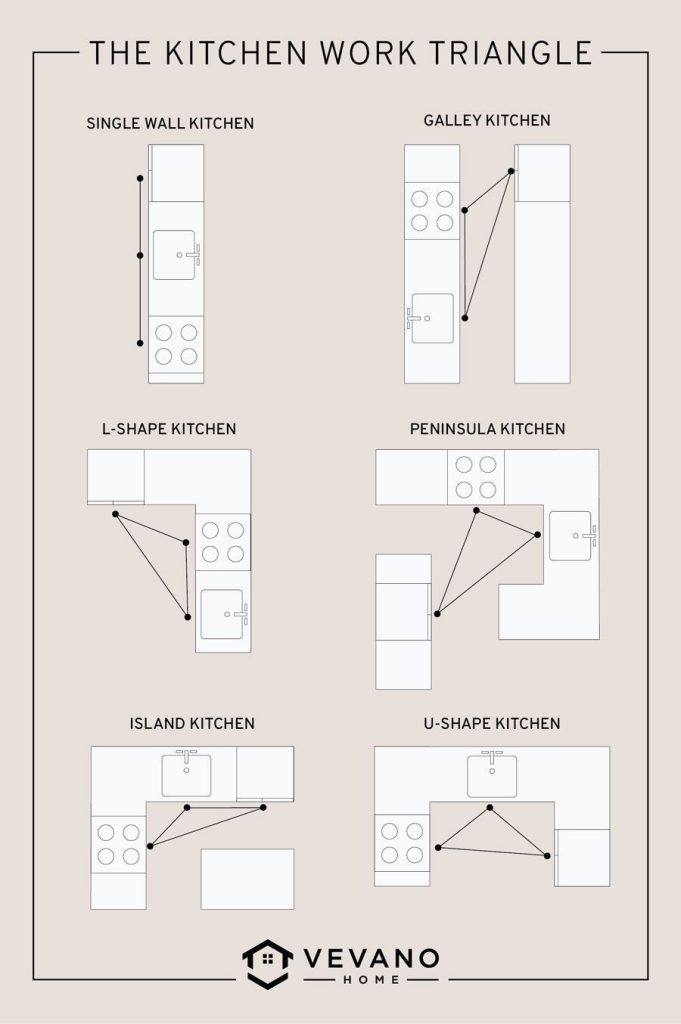
A galley kitchen is a smart choice for small spaces. It features two parallel counters with a walkway in between, making everything within easy reach. This layout is all about efficiency. Imagine preparing a meal without unnecessary steps; that’s the beauty of a galley kitchen. However, it might not be the best for hosting, as it lacks space for gathering. Is maximizing space more important to you than having room for socializing?L-shaped Kitchen
The L-shaped kitchen offers flexibility and openness. With counters on two adjoining walls, it allows for a more spacious feel. Consider this: you can easily add a dining table or a breakfast nook. This layout is perfect if you love a casual dining area within the kitchen. It also allows for the famous “kitchen triangle” to enhance functionality. Are you ready for a kitchen that blends seamlessly with your living space?U-shaped Kitchen
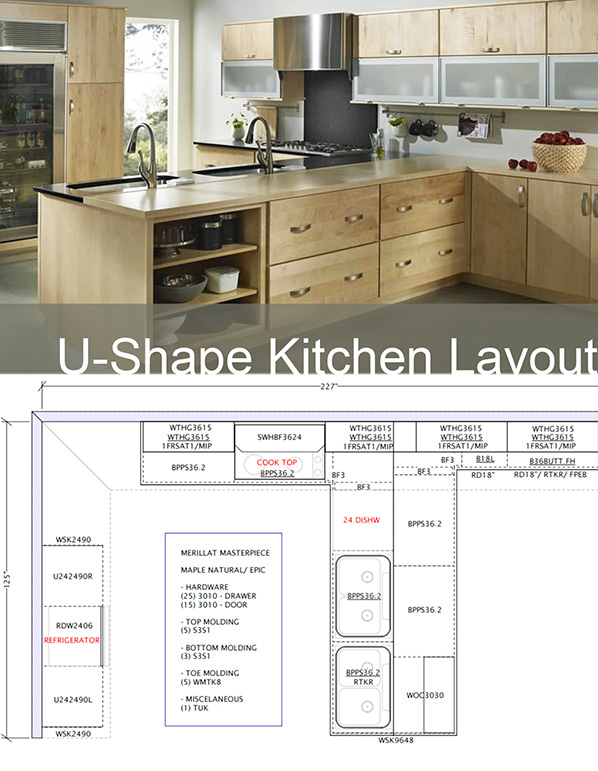
Need more storage and counter space? A U-shaped kitchen might be your best bet. With counters on three sides, it provides ample room for kitchen tools and ingredients. This layout is ideal for those who love cooking elaborate meals and need space to spread out. However, it can feel enclosed if your kitchen is small. Think about whether you need that extra space to create culinary masterpieces.Island Layout
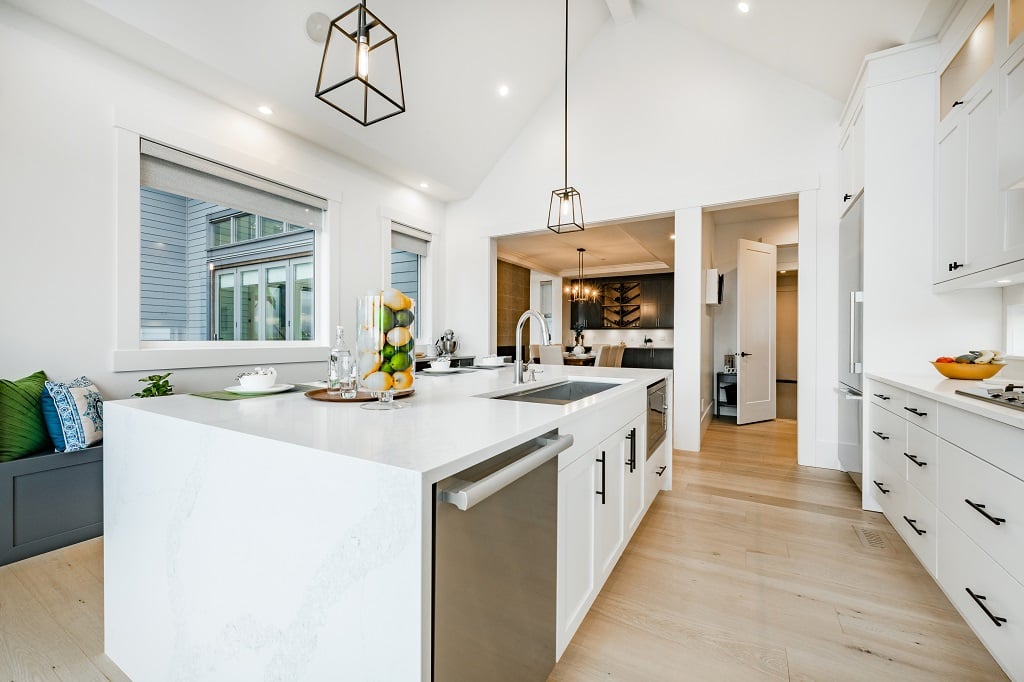
If you have a spacious kitchen, an island layout can add both style and functionality. An island serves as a central hub for cooking, dining, and socializing. Envision a space where friends gather around while you cook, or where you enjoy quick meals. Islands can also provide additional storage and seating. Would an island enhance your kitchen’s utility and become the heart of your home? Choosing the right layout can transform your kitchen into a place where you enjoy spending time. What layout speaks to your needs and lifestyle?Optimizing Workflow
Optimizing your kitchen workflow is the secret to a seamless cooking experience. Imagine moving efficiently from fridge to stove to sink without unnecessary steps. A well-thought-out layout can save time and make cooking enjoyable. Let’s dive into two critical aspects: The Work Triangle and Zoning Areas.
The Work Triangle
The work triangle is the heart of kitchen design. It connects the three main work areas: the refrigerator, stove, and sink. Ideally, these should form a triangle for efficient movement. This concept minimizes steps and maximizes space.
Think about your daily cooking routine. Is the refrigerator too far from the stove? Adjusting these elements can streamline your tasks. A well-designed work triangle can make your kitchen feel more spacious and functional.
Consider the distance between each point. It should be neither too cramped nor too spread out. A balanced work triangle enhances comfort and efficiency. Have you noticed how chefs move effortlessly in their kitchens? The secret often lies in their layout.
Zoning Areas
Zoning areas are essential for a practical kitchen layout. Separate spaces for preparation, cooking, and cleaning can reduce clutter and chaos. Assign specific areas to different tasks to maintain order.
For instance, designate a prep area with cutting boards and utensils near the fridge. This prevents unnecessary trips across the kitchen. Cooking zones should have easy access to pots, pans, and spices. Cleaning areas benefit from proximity to the sink and dishwasher.
Think about your kitchen habits. Do you often find yourself searching for ingredients or tools? Creating distinct zones can simplify your workflow. A well-zoned kitchen encourages organization and reduces stress.
Picture yourself cooking a complex meal. Wouldn’t it be easier if everything you need is within reach? Zoning helps achieve this. How could zoning transform your kitchen experience?
Optimizing your kitchen workflow isn’t just about efficiency. It’s about creating a space where you love to cook. Small changes can have a big impact. Consider these insights for a kitchen that works for you. What’s your next step in designing the perfect kitchen layout?
Credit: www.merillat.com
Selecting Storage Solutions
Designing the perfect kitchen layout requires careful planning. Storage solutions are crucial. They ensure your kitchen remains organized and functional. Choosing the right storage options can transform your space. It provides easy access to kitchen essentials. Let’s explore some smart storage ideas.
Cabinet Options
Cabinets are key to kitchen storage. Choose styles that match your home’s look. Consider the materials used. Wood offers warmth and charm. Metal provides a modern touch. Opt for custom-built cabinets for unique spaces. Adjustable shelving adds flexibility. Use pull-out drawers for easy access. Corner cabinets maximize space. Glass-fronted cabinets display your favorite items. Choose color wisely. Light colors make spaces feel bigger.
Pantry Design
A pantry offers additional storage. Plan your pantry layout for efficiency. Include open shelves for visibility. Use bins and baskets for organization. Label containers for easy identification. Install sliding doors to save space. Consider the pantry size. Large pantries hold bulk items. Small pantries suit compact kitchens. Use vertical storage to maximize space. Add hooks for hanging items. Ensure proper lighting for easy access. A well-organized pantry simplifies meal prep.
Incorporating Lighting
Lighting is often the unsung hero of kitchen design. It’s not just about brightening up the space; it’s about creating a mood and ensuring functionality. Think about how lighting can transform your kitchen, making it both inviting and efficient. The right lighting can highlight your design elements and enhance your cooking experience. Let’s dive into the different types of lighting that can make your kitchen shine.
Ambient Lighting
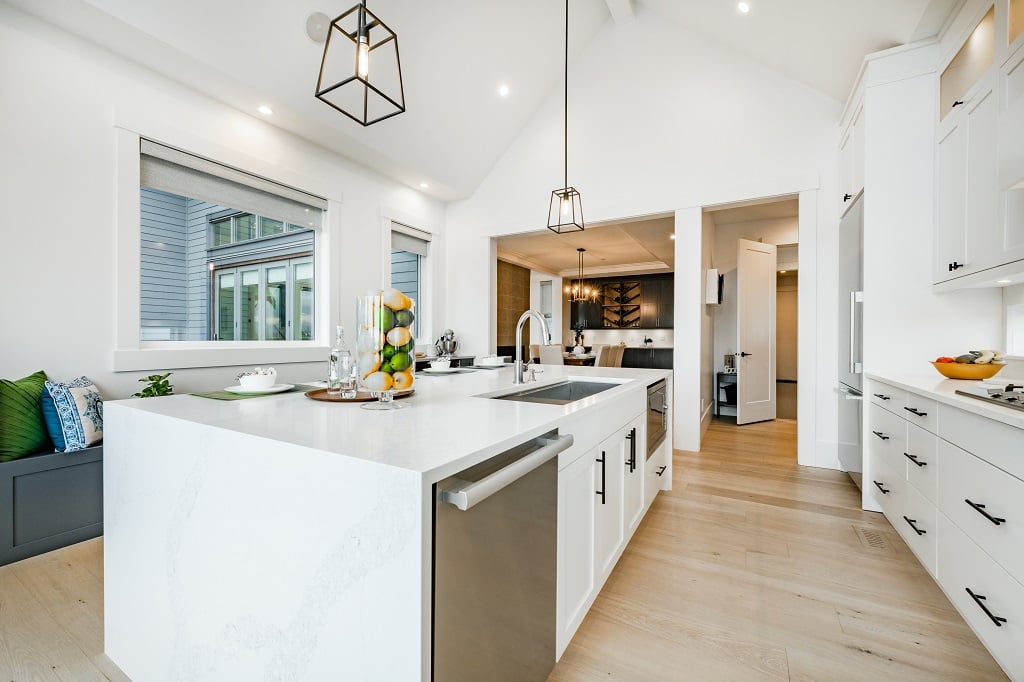
Ambient lighting is the primary source of illumination in your kitchen. It sets the overall tone. Imagine stepping into a kitchen that feels warm and welcoming. Consider using ceiling lights or pendant lights for this purpose. They provide a soft glow that fills the room. If your kitchen has a high ceiling, chandeliers can add elegance while ensuring ample light.
Task Lighting
Task lighting is crucial for areas where precision is key. Think about the times you’ve struggled to see clearly while chopping vegetables. Under-cabinet lights are perfect for counters. They illuminate your workspace, making food preparation safer and easier. You can also add strip lights to your pantry or drawers. This ensures you easily locate items.
Accent Lighting
Accent lighting focuses on highlighting specific elements. Imagine showcasing your beautiful backsplash or a piece of art. Use spotlights or LED strips for this purpose. They draw attention to features you love. Accent lighting can also be used inside glass cabinets to display dishware. It adds an extra layer of sophistication to your kitchen.
Consider how different lighting affects your kitchen’s vibe. Does it feel cozy, or is it too sterile? Lighting can transform the space dramatically. So, what’s your vision for your kitchen? How do you want it to feel when you step inside? Keep these questions in mind as you plan your lighting layout.
Credit: zenithdesignbuild.com
Choosing Materials And Finishes
Choosing the right materials and finishes is crucial for a kitchen layout. These elements define the kitchen’s look and feel. They also impact its functionality and durability. The right choices can enhance the kitchen’s style. They make it a more enjoyable space to cook and gather. Let’s explore how to choose the best materials for your kitchen.
Countertops
Countertops are the workhorse of the kitchen. They need to be durable and easy to clean. Granite and quartz are popular choices. They offer a variety of colors and patterns. Laminate is a budget-friendly option. It’s available in many designs. Consider how you use your kitchen. This will help determine the best countertop material.
Flooring
Flooring should be sturdy and easy to maintain. Tiles are a classic option. They come in ceramic and porcelain varieties. Hardwood floors add warmth and charm. They require regular maintenance. Vinyl and laminate are also great choices. They are budget-friendly and resilient. Choose a flooring that suits your lifestyle and taste.
Backsplash
A backsplash protects walls from spills and splatters. It also adds a decorative element. Tiles are a popular choice for backsplashes. They come in many styles and colors. Glass tiles add a modern touch. Stainless steel is sleek and easy to clean. The right backsplash can tie the entire kitchen design together.
Integrating Appliances
Creating an efficient kitchen layout involves integrating appliances seamlessly. Consider placing the stove near the sink for easy access. Arrange the fridge and oven in a triangle for smooth workflow.
Integrating appliances into your kitchen layout can make or break its functionality and style. A well-thought-out design ensures your kitchen is not only aesthetically pleasing but also highly efficient. The right placement of appliances can save time and energy, making your cooking experience enjoyable. But how do you decide which appliances to choose and where to place them? Let’s dive into some essential considerations for integrating appliances seamlessly into your kitchen.Built-in Vs Freestanding
Choosing between built-in and freestanding appliances is a crucial step in designing your kitchen layout. Built-in appliances offer a sleek, seamless look as they blend into cabinetry, providing a modern and streamlined appearance. They are ideal if you prefer a minimalist design, but keep in mind, they may require professional installation. Freestanding appliances, on the other hand, are more flexible. You can easily move them and they often come at a lower price point. They provide versatility if you foresee changes in your kitchen layout. Ask yourself, do you value flexibility or a uniform look more?Energy-efficient Choices
Incorporating energy-efficient appliances is not only good for the environment but also beneficial for your wallet. Look for appliances with an Energy Star rating, which indicates they meet or exceed energy efficiency guidelines. This choice can lead to significant savings on your utility bills over time. Consider the energy consumption of each appliance you plan to add. For instance, a refrigerator typically uses the most power, so opting for an energy-efficient model can make a big difference. Are you ready to invest in energy efficiency today for savings tomorrow? Designing the perfect kitchen layout requires balancing aesthetics with practicality. Thoughtful integration of appliances can enhance both. Which approach will you choose for your kitchen transformation?Adding Personal Touches
Infuse your kitchen layout with personal touches to create a warm and inviting space. Choose colors, materials, and decor that reflect your personality. Incorporate unique elements like family photos or a cherished recipe board for a truly personalized environment.
Adding personal touches to your kitchen layout can transform a space. It reflects your personality and style. By incorporating elements like color schemes and decorative pieces, you create a unique and inviting atmosphere. Personal touches make the kitchen feel more like home. They help create a space you’ll enjoy spending time in. Below are some ideas to customize your kitchen layout.Color Schemes
Color impacts the mood of a room. Choose colors that make you happy. Bright colors bring energy to the kitchen. Soft hues create a calming environment. Consider the size of your kitchen. Small spaces benefit from lighter shades. They make the space appear larger. Complement the color with your cabinetry and appliances. A cohesive color scheme ties the room together. Experiment with accent colors on walls or accessories. This adds depth and interest to the layout.Decorative Elements
Decorative elements add character to your kitchen. Consider unique lighting fixtures. Pendant lights can be a focal point. Display decorative plates or artwork on walls. They personalize the space. Use open shelving to show off favorite pieces. Add plants for a touch of nature. Greenery freshens the room. Choose textiles like curtains or rugs that complement your color scheme. These elements make the kitchen cozy and inviting.Frequently Asked Questions
What Is The 3×4 Kitchen Rule?
The 3×4 kitchen rule recommends maintaining a minimum of three work areas, each at least four feet apart, to ensure efficient workflow and space utilization in the kitchen. This layout enhances movement and accessibility, promoting an organized and functional cooking environment.
How Do I Decide Where To Put Things In My Kitchen?
Organize kitchen items based on usage frequency. Place frequently used items within easy reach. Store heavy items lower and lighter items higher. Designate specific zones for cooking, cleaning, and food storage. Optimize drawer and cabinet space with dividers and organizers for efficiency.
What Is The Golden Rule For Kitchen Design?
The golden rule for kitchen design is the “work triangle”. It optimizes space by positioning the sink, stove, and refrigerator in a triangular layout, ensuring efficient workflow and easy movement. This concept enhances functionality, comfort, and safety, making kitchen tasks more convenient and enjoyable.
What Is The Proper Layout For A Kitchen?
A proper kitchen layout includes the work triangle: stove, refrigerator, and sink. Ensure ample counter space. Incorporate efficient storage solutions. Position appliances for easy access. Maximize natural light. Consider safety and functionality. Tailor design to fit your space and lifestyle needs.
Conclusion
A great kitchen layout makes cooking easy and fun. Start with a plan. Think about space for cooking, cleaning, and storage. Choose appliances that fit well. Arrange counters for smooth workflow. Don’t forget good lighting. It helps with cooking and mood.
Use colors that make the space inviting. Add personal touches. Plants or art can make the kitchen special. Keep pathways clear. Safety is key. Design with comfort in mind. Your kitchen should be a place you love. With these tips, create a kitchen that works for you.
A perfect space for meals and memories.