Designing your own kitchen layout can feel like a daunting task, but it doesn’t have to be. Imagine a space that reflects your personal style and meets all your functional needs—it’s entirely possible with the right guidance.
You’ll discover simple steps to create a kitchen that’s uniquely yours. Whether you’re dreaming of a cozy nook for morning coffee or a bustling hub for family dinners, you’re in the right place. We’ll explore practical tips that will make planning your kitchen both exciting and stress-free.
Get ready to transform your vision into reality. Your dream kitchen is just a few insights away!

Credit: www.skipprenovation.com
Assessing Space And Needs
Designing your own kitchen layout is both exciting and challenging. The first step is to assess your space and needs. This foundation helps create a kitchen that is functional and beautiful. Understanding your kitchen’s dimensions and identifying functional requirements are key elements in this process.
Understanding Your Kitchen’s Dimensions
Start by measuring the entire kitchen space. Note the length, width, and height of the room. Include fixed elements like windows and doors in your measurements. This helps visualize the available space. Use graph paper or design software to sketch your kitchen layout. Accurate measurements prevent future design mishaps.
Consider the kitchen’s shape, such as U, L, or galley. Each shape offers different benefits. Think about how people will move through the space. Ensure there is enough room for comfortable movement. A well-planned space enhances usability and safety.
Identifying Functional Requirements
List what you need from your kitchen. Do you need space for large appliances? Or extra counter space for meal prep? Write down your daily activities in the kitchen. This helps determine essential features.
Think about storage needs for pots, pans, and pantry items. Consider how many people will use the kitchen at once. Will you need a dining area or an island? Understanding these needs influences your design choices. It ensures the kitchen serves your lifestyle efficiently.
By assessing space and needs, you lay the groundwork for a functional kitchen. This approach ensures your design meets both practical and aesthetic goals.
Choosing A Layout Style
Choosing the right layout style makes a big difference in kitchen design. Consider space, storage, and workflow. A well-thought-out plan ensures a functional and stylish kitchen.
Designing your own kitchen layout is an exciting journey that requires careful thought and planning. Choosing a layout style is a crucial step in this process. It sets the stage for how you will use and enjoy your kitchen space. This decision impacts not only the functionality but also the aesthetics of your kitchen. Let’s dive into how you can choose the perfect layout style for your dream kitchen.Exploring Popular Layouts
When considering layout styles, it’s essential to know what options are available. The most common kitchen layouts include the L-shaped, U-shaped, galley, and island layouts. Each of these has unique features that cater to different needs. The L-shaped layout is great for maximizing corner space and fits well in small to medium-sized kitchens. The U-shaped layout, on the other hand, offers ample counter space and is ideal for larger kitchens. A galley layout is perfect for narrow spaces and often found in smaller homes. If you love entertaining, an island layout can provide additional seating and workspace. Have you ever thought about how your daily routine might influence your choice? If you enjoy cooking with family, an island layout might be perfect for creating a communal space.Matching Style To Space
Before settling on a layout, consider the size and shape of your kitchen space. Does your kitchen have an open floor plan, or is it more enclosed? Matching your layout style to your space ensures functionality and flow. For instance, a small, enclosed kitchen might benefit from a galley layout, which makes efficient use of limited space. Conversely, if you have a large, open kitchen, an island layout can create a focal point and provide additional functionality. Think about how you move through your kitchen. Do you prefer everything within arm’s reach, or do you like having dedicated zones for different tasks? Your layout should enhance the way you naturally use your kitchen. As you ponder these questions, remember that the right layout can make all the difference. It’s not just about fitting cabinets and appliances; it’s about creating a space where you feel comfortable and inspired. Now, take a moment to envision your perfect kitchen. What layout style speaks to you? Which one will transform your kitchen into the heart of your home?Optimizing Workflow
Designing your own kitchen layout is an exciting endeavor. One of the key elements to focus on is optimizing workflow. Have you ever found yourself darting around your kitchen, struggling to find what you need? By organizing your space efficiently, you can enhance your cooking experience, making it enjoyable and seamless. Let’s dive into some actionable strategies to help you streamline your kitchen workflow.
Implementing The Work Triangle
The work triangle is a concept that can transform your kitchen’s functionality. It involves strategically placing your sink, stove, and refrigerator in a triangular formation. This layout minimizes walking distance and maximizes efficiency.
Imagine reaching for a pot while cooking, only to realize it’s in the opposite corner of the kitchen. By utilizing the work triangle, you can ensure everything is within arm’s reach. This setup helps you focus on cooking rather than unnecessary movement.
Consider your kitchen space. Is your work triangle well-defined, or are you zigzagging through the room? Adjusting your layout can save you time and effort, making meal preparation a breeze.
Streamlining Cooking Processes
Streamlining your cooking processes involves organizing your kitchen in a way that aligns with your cooking habits. Think about the tools and ingredients you use most frequently. Are they easily accessible?
Store utensils near the stove, keep spices within reach, and position cutting boards close to your prep area. This arrangement reduces the need to search for items, allowing you to focus on cooking.
I once spent minutes rummaging through drawers for a spatula while my pancakes were burning. Now, I keep all my essential tools in a designated spot. It’s a small change, but it has a big impact on efficiency.
Reflect on your cooking habits. Are there areas where you can improve accessibility and organization? Small adjustments can enhance your workflow and make your kitchen a more enjoyable space.
As you design your kitchen layout, consider these strategies. How can you implement the work triangle and streamline your cooking processes to optimize your workflow? The answers might surprise you!
Incorporating Storage Solutions
Designing your kitchen layout is an exciting venture, especially when you focus on storage solutions. Efficient storage can transform a cluttered kitchen into a streamlined masterpiece. You’ll find cooking more enjoyable when everything is within reach, and you have ample room for all your culinary essentials. Let’s dive into some practical ways to make the most of your kitchen space.
Maximizing Cabinet Space
Cabinets are the backbone of kitchen storage. To maximize cabinet space, think vertical. Use stackable containers and tiered shelving to use every inch. Adjustable shelves can accommodate various sizes of items, from tall cereal boxes to small spice jars.
Consider installing pull-out shelves. They bring the contents of your cabinet to you, making retrieval easy and reducing strain. Lazy Susans can also be a great addition, allowing you to rotate items smoothly. Ask yourself, are you using the full potential of your cabinets?
Innovative Storage Ideas
Innovation in storage can add a modern touch to your kitchen. Look into drawer dividers for better organization. They keep utensils and cutlery neat and easily accessible.
If you’re a fan of gadgets, magnetic strips can hold knives and metal utensils, freeing up drawer space. Hanging pots and pans from a ceiling rack can also add visual interest while saving cabinet space.
Don’t overlook the power of corner cabinets. With rotating shelves or pull-out racks, they can be exceptionally useful. Are you ready to think outside the box and implement these ideas in your kitchen?
By focusing on these storage solutions, you can create a kitchen layout that is both functional and stylish. Personalize your space to suit your needs and make cooking a joy rather than a chore.
Selecting Materials And Finishes
Designing your kitchen involves choosing the right materials and finishes. These elements define the look and feel of your space. They also impact durability and maintenance. Thoughtful selection can lead to a kitchen that is both stylish and functional.
Choosing Durable Surfaces
Durable surfaces stand the test of time. Countertops face daily wear, so choose wisely. Granite and quartz are popular for their strength. They resist scratches and stains well. Consider the flooring too. Tiles and hardwood offer great durability.
Balancing Aesthetics And Function
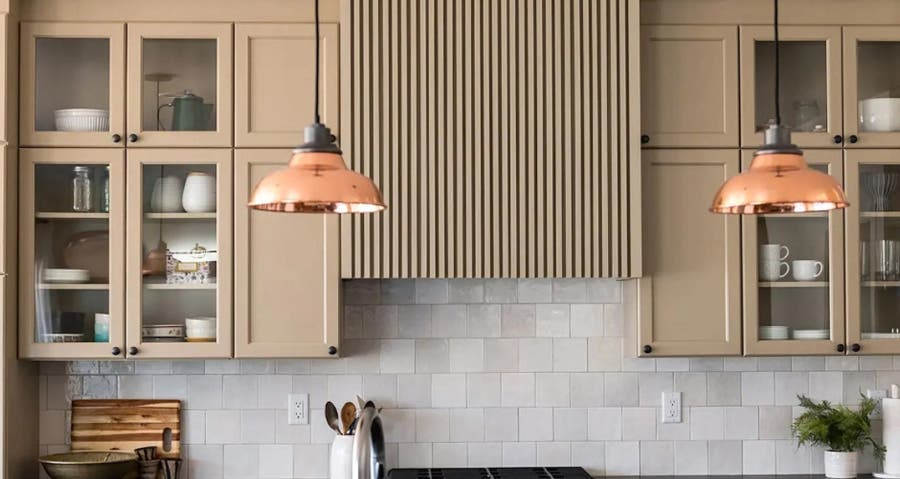
Aesthetics should not compromise function. Beautiful materials can be practical too. Opt for easy-to-clean finishes. Glossy surfaces look modern and are easy to maintain. Ensure your choices match your lifestyle. Busy families need sturdy and low-maintenance options.
Credit: www.cabinets.com
Lighting And Ventilation
Designing your kitchen layout involves many decisions. Two crucial aspects are lighting and ventilation. Proper lighting enhances the kitchen’s functionality and ambiance. Good ventilation keeps the space fresh and healthy. Both elements significantly impact your kitchen’s efficiency and comfort.
Brightening Up Your Space
Natural light brings warmth to your kitchen. Large windows are ideal. Consider skylights if possible. They flood the area with daylight. For evening tasks, install layered lighting. Task lighting helps with cooking and preparation. Under-cabinet lights illuminate workspaces. Pendant lights add charm above islands or dining areas. Dimmer switches offer flexibility. Adjust lighting based on time and mood.
Ensuring Proper Airflow
Effective ventilation is vital for a healthy kitchen. A range hood is essential. It removes smoke, odors, and grease. Choose a hood that fits your stove’s size. Ensure it vents outside for optimal performance. Open windows regularly for fresh air circulation. Ceiling fans can help move air around. Consider installing exhaust fans for additional airflow. Proper ventilation reduces moisture buildup. It helps prevent mold and improves air quality.
Personalizing Your Design
Crafting your kitchen layout allows you to tailor the space to your needs. Prioritize functionality by considering appliance placement and workflow. Personal touches, like color schemes and materials, add character and comfort.
Designing your own kitchen layout is a rewarding journey, especially when you add a personal touch. Personalizing your design means crafting a space that fits your lifestyle and reflects your personality. It’s about making your kitchen truly yours, where every detail tells a story and serves a purpose.Adding Unique Touches
Consider what elements make you feel at home. Is it a vintage clock that reminds you of your grandmother’s house, or perhaps a bold backsplash that reflects your love for vibrant colors? These unique touches can transform a standard kitchen into a personal haven. Think about using open shelves to showcase your favorite cookbooks or ceramics. These small details bring character and warmth, making the kitchen a reflection of who you are. Don’t shy away from using colors that speak to you. Whether it’s a bright yellow cabinet or a soft blue island, choose hues that spark joy and creativity.Integrating Technology
In today’s digital age, integrating technology into your kitchen design can enhance both functionality and convenience. Smart appliances can streamline your cooking process, like a fridge that alerts you when you’re low on milk or an oven you can control from your phone. Consider installing USB outlets to charge devices or a built-in speaker system for music while you cook. These modern additions can make your kitchen more user-friendly and enjoyable. However, balance is key. While tech can add efficiency, ensure it aligns with your needs and doesn’t overwhelm your space. What tech features will truly improve your kitchen experience? Personalizing your kitchen layout is an exciting opportunity to create a space that is uniquely yours. By adding unique touches and integrating technology, you can design a kitchen that is not only functional but also a reflection of your personality and lifestyle.Budgeting And Planning
Designing your own kitchen layout is an exciting journey. It begins with careful budgeting and planning. These steps ensure your project stays on track. A well-thought-out plan avoids unexpected costs. This section guides you through estimating costs and creating a timeline.
Estimating Costs
Start by listing all essential items. Include appliances, cabinets, and flooring. Research the average cost of each item. Consider visiting local stores for prices. Online reviews help in choosing quality products. Next, calculate installation fees. Professional help might be necessary for plumbing or electrical work. Always add a buffer for unexpected expenses. This prevents your budget from being stretched.
Creating A Project Timeline
Once the budget is set, plan your timeline. Begin by setting clear deadlines for each phase. Consider the time needed for ordering materials. Some items may have longer shipping times. Schedule work around these delivery dates. Arrange for different tasks to occur simultaneously. For example, painting can happen while cabinets are being built. Keep a calendar handy to track progress. This helps in maintaining momentum and ensures completion.
Credit: www.kitchenplanner.net
Frequently Asked Questions
Is There An App To Help Design A Kitchen Layout?
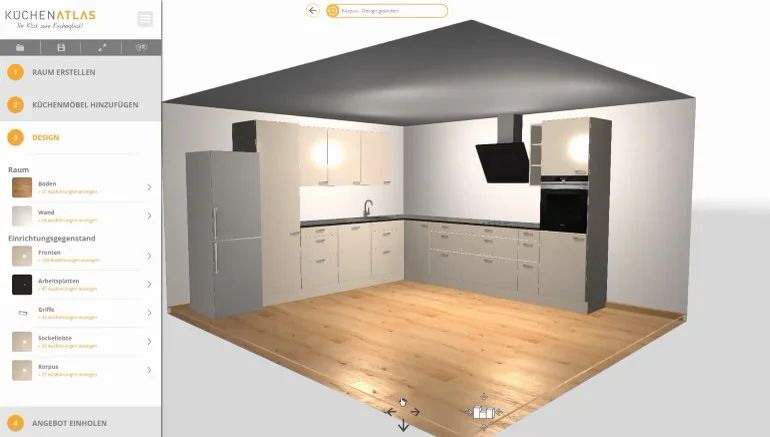
Yes, various apps can help design kitchen layouts. Popular options include HomeByMe, SketchUp, and RoomSketcher. These apps offer user-friendly tools for creating detailed kitchen plans. They provide 3D visualizations, customization options, and easy navigation, making kitchen designing efficient and fun.
Is There A Website Where You Can Design Your Own Kitchen?
Yes, websites like IKEA Kitchen Planner and HomeByMe let you design your own kitchen online. These tools offer customization features and 3D visualization. They help bring your kitchen ideas to life, providing a practical and interactive design experience.
How To Design The Layout Of Your Kitchen?
Plan your kitchen layout by optimizing space and workflow. Ensure easy access to appliances and storage. Use the triangle rule for stove, sink, and fridge. Consider lighting and ventilation. Choose durable materials for countertops and floors. Tailor the design to your lifestyle and cooking habits.
What Is The 3×4 Kitchen Rule?
The 3×4 kitchen rule suggests a layout with three work areas: cooking, cleaning, and storage, each four feet apart. This design improves workflow and efficiency by minimizing movement between zones. Optimize your kitchen space with this practical guideline for better organization and accessibility.
Conclusion
Creating your own kitchen layout can be rewarding. Focus on functionality and style. Think about your space needs and cooking habits. Choose materials that are durable and easy to clean. Consider lighting for both beauty and practicality. Don’t forget storage solutions that keep everything organized.
Personalize with colors and decor that reflect your taste. Seek inspiration from online resources or magazines. Remember, a well-planned kitchen enhances your home. Enjoy the process and make it uniquely yours. Designing your kitchen can be a fun journey. Start planning today and transform your space!