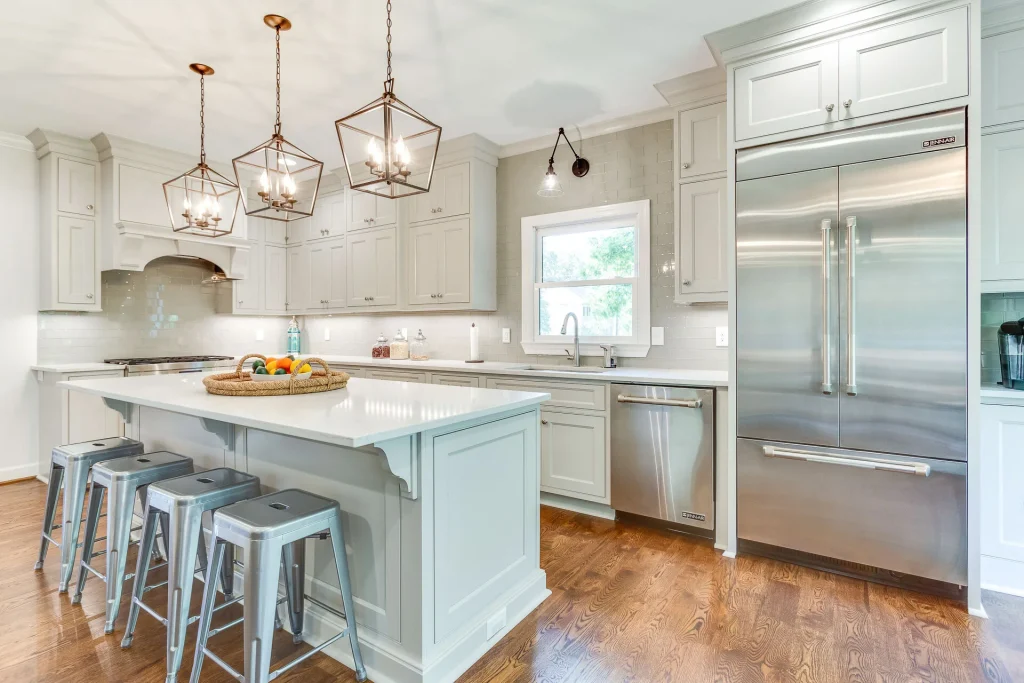
Imagine walking into your kitchen and feeling instantly welcomed by its warm, inviting glow. The way you design lighting for your kitchen is not just about functionality; it’s about creating a space that feels like the heart of your home.
Whether you’re whipping up a quick breakfast or hosting a dinner party, the right lighting can make all the difference. You deserve a kitchen that not only looks stunning but also makes every culinary task a joy. In this guide, you’ll discover practical tips and creative ideas to transform your kitchen lighting from mundane to magnificent.
Get ready to unlock the secrets of kitchen lighting design that will not only enhance your space but also elevate your cooking experience. Curious to know how? Let’s light up your kitchen together!
Lighting Types For Kitchens
Designing kitchen lighting involves choosing the right types to fit your space. Different lighting types serve specific purposes. Ambient, task, and accent lighting each play a role in creating a functional and beautiful kitchen.
Ambient Lighting Options
Ambient lighting sets the overall mood in your kitchen. Ceiling-mounted fixtures like chandeliers offer widespread illumination. Recessed lights provide a sleek look and distribute light evenly. Pendant lights add style and can brighten up the space efficiently.
Task Lighting Essentials
Task lighting focuses on areas where work is done. Under-cabinet lights are perfect for illuminating countertops. They help with chopping and cooking. Track lighting allows for adjustable fixtures, directing light to specific tasks.
Accent Lighting Ideas
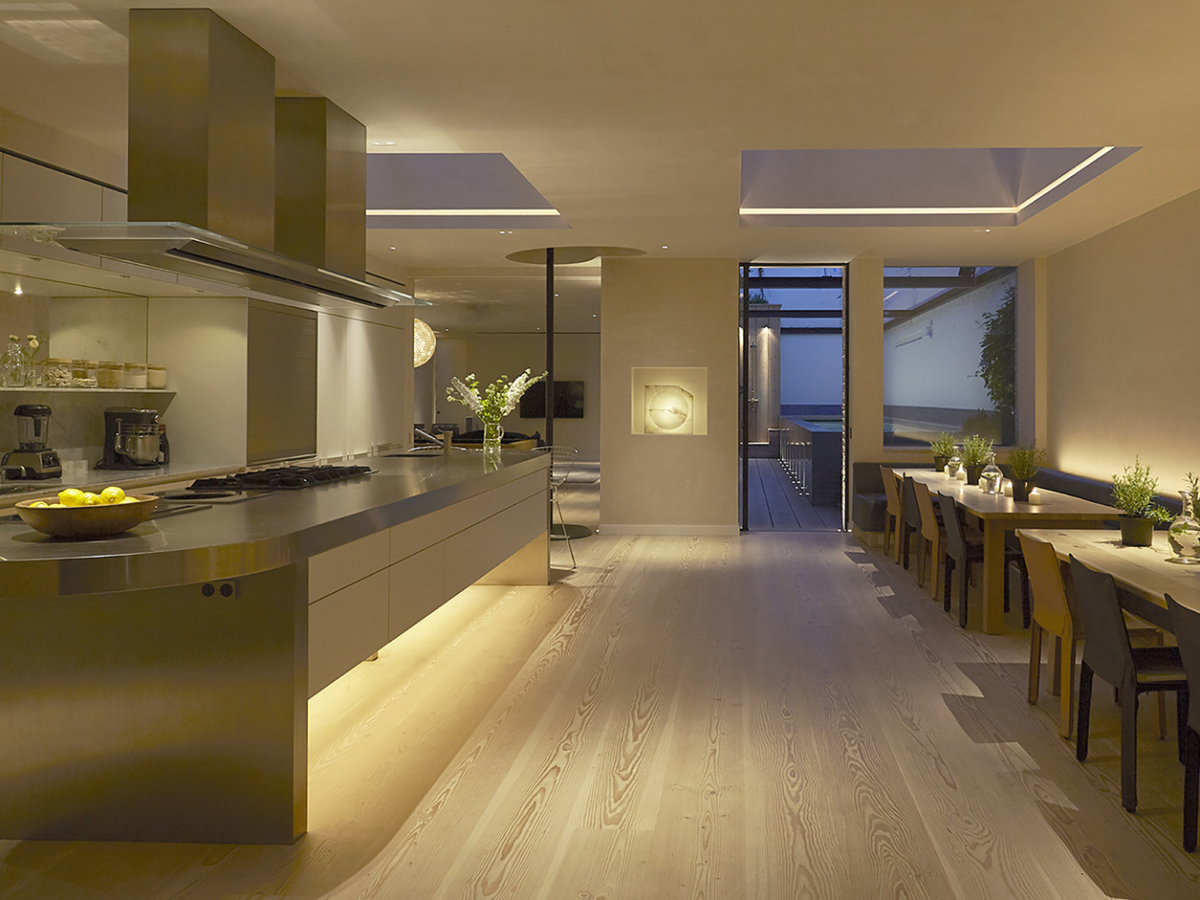
Accent lighting highlights specific features in your kitchen. Strip lighting can accent cabinet interiors or shelves. Spotlights showcase artwork or architectural details. Wall sconces add a decorative touch while offering additional light.
Choosing The Right Fixtures
Designing kitchen lighting can be complex yet rewarding. Picking the right fixtures is essential. It sets the mood and functionality of your kitchen. Different fixtures serve different purposes. They also add style and character. Let’s explore some popular choices.
Pendant Lights For Islands
Pendant lights add charm above kitchen islands. They offer focused light for tasks like chopping or mixing. Choose pendants with adjustable heights. This ensures light reaches the right spot. Opt for designs that match your kitchen style. Glass pendants give a modern look. Metal ones offer a rustic touch. Pendant lights are both decorative and functional.
Under Cabinet Lighting Choices
Under cabinet lights brighten countertops. They help with cooking and food prep. LED strips are a popular choice. They provide even lighting and are energy-efficient. Puck lights offer a focused beam. They highlight specific areas. Under cabinet lighting reduces shadows. It enhances visibility in the kitchen.
Recessed Lighting Benefits
Recessed lights are subtle and sleek. They blend with any kitchen design. These lights provide uniform illumination. They help light up the entire kitchen. Recessed lights work well in low-ceiling areas. They do not take up space. Adjust the direction for more targeted lighting. Choose dimmable options for mood setting.
Energy Efficiency And Sustainability
Designing a kitchen’s lighting involves more than just aesthetics. Energy efficiency and sustainability play a critical role. Modern kitchens demand lighting that cuts energy costs and supports the environment. Thoughtful lighting choices benefit both your wallet and the planet. Let’s explore how energy-efficient lighting enhances kitchen design.
Led Lighting Advantages
LED lights consume less energy than traditional bulbs. They last longer, reducing the need for replacements. This durability saves money over time. LEDs emit less heat, keeping your kitchen cool. Less heat means lower cooling costs during warmer months. Choose LEDs for a brighter, eco-friendly kitchen.
Smart Lighting Solutions
Smart lighting controls offer flexibility and efficiency. Adjust brightness with a smartphone or voice command. Schedule lighting patterns for optimal energy use. Smart systems learn your habits, providing light when needed. They help reduce energy waste, making your kitchen more sustainable.
Eco-friendly Materials
Consider fixtures made from recycled or sustainable materials. Bamboo and recycled glass are popular choices. These materials reduce environmental impact. They add a unique touch to your kitchen’s design. Selecting eco-friendly options contributes to a greener home.
Credit: www.johncullenlighting.com
Design Aesthetics And Trends
Kitchen lighting design involves more than just choosing fixtures. It reflects style and personality. Different aesthetics can change the whole look of your kitchen. Current trends offer varied options. From sleek modern styles to charming vintage designs.
Modern Minimalist Styles
Modern kitchens embrace simplicity. Clean lines and neutral colors define minimalist aesthetics. Recessed lighting is popular. It offers a sleek, uncluttered look. Pendant lights with simple shapes add elegance. LED strips under cabinets add functionality and style.
Rustic And Vintage Designs
Rustic kitchens provide warmth and coziness. Vintage lighting fixtures fit well here. Think wrought iron chandeliers or antique brass pendants. Edison bulbs add a timeless feel. Rustic designs often use materials like wood and metal. These elements create a charming atmosphere.
Color And Finish Considerations
Colors and finishes play a key role in lighting design. For a modern look, choose metallic finishes like chrome or brushed nickel. These add a touch of elegance. In rustic settings, opt for warmer finishes like bronze or copper. They enhance the cozy feel.
Colors of light bulbs matter too. Warm white bulbs create a soft, inviting glow. Cool white bulbs offer a clean, bright light. Choose according to your kitchen’s mood and purpose.
Practical Tips For Installation
Designing kitchen lighting involves balancing function and style. Consider task lighting for work areas like countertops. Use ambient lighting to create a warm atmosphere.
Designing kitchen lighting involves more than just choosing fixtures. Proper installation is crucial for achieving the best results. Whether it’s task lighting for meal prep or ambient lighting for cozy dinners, these practical installation tips will guide you. Focus on functionality and style to enhance your kitchen’s beauty and utility.Diy Vs Professional Installation
Deciding between DIY and professional installation depends on your comfort level. DIY might save money but requires careful planning. Ensure you have the right tools and knowledge. Follow instructions closely to prevent errors. Professional installation guarantees expertise and precision. Experts handle complex setups effortlessly. Consider your budget and skills before choosing.Safety Precautions
Safety is paramount in lighting installation. Always turn off the power at the circuit breaker. Use insulated tools to prevent electric shock. Wear gloves and safety goggles for protection. Test wiring with a voltage tester before proceeding. Properly secure fixtures to prevent falls. Ensure all connections are tight and insulated to avoid hazards.Maintenance And Care
Proper maintenance prolongs the lifespan of kitchen lighting. Regularly clean fixtures to remove dust and grime. Check bulbs and replace them as needed. Inspect wiring for signs of wear or damage. Keep an eye on switches and connections. Ensure ventilation is adequate to prevent overheating. Regular upkeep ensures efficient and safe lighting.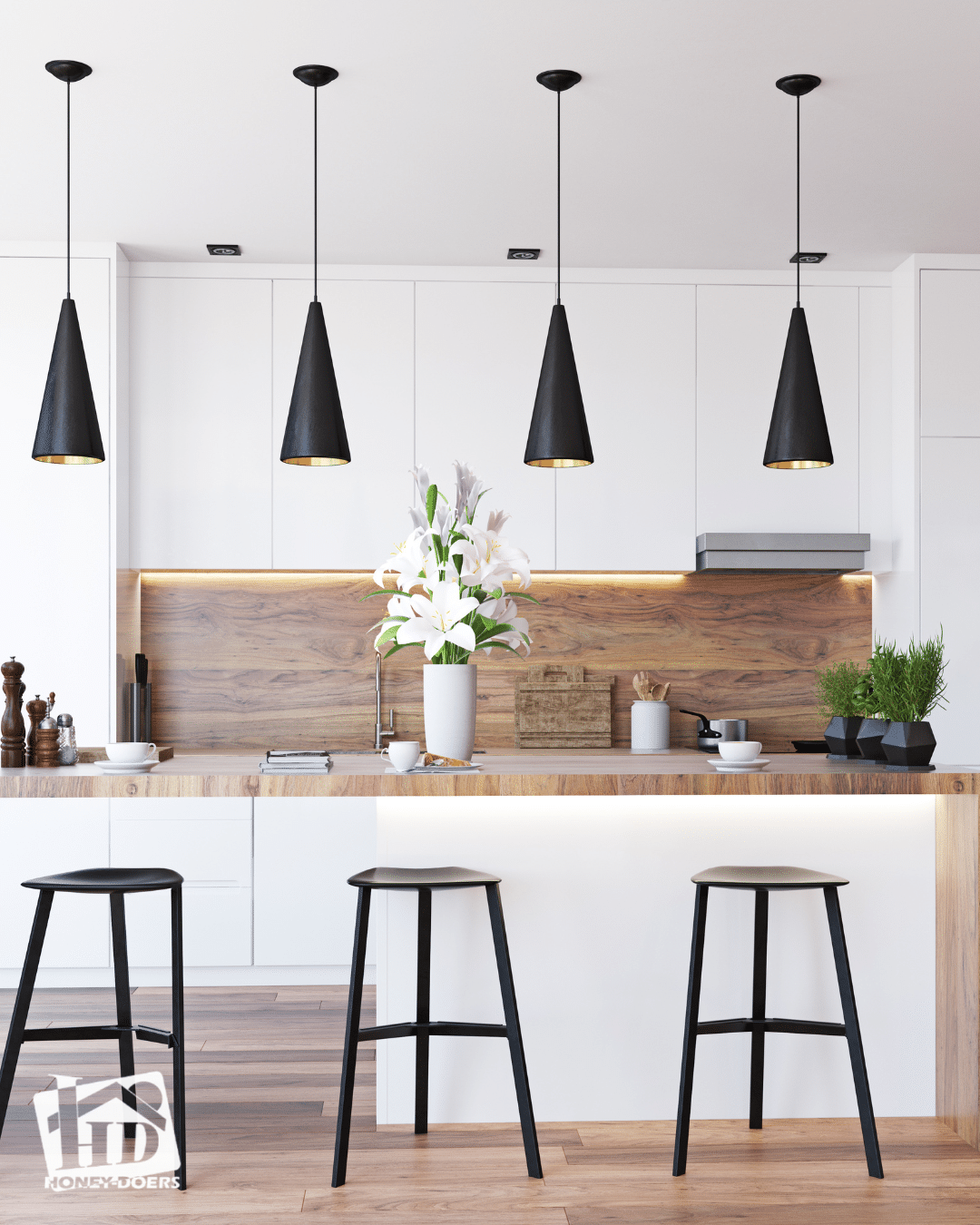
Credit: www.honey-doers.com
Balancing Functionality And Style
Creating the perfect kitchen lighting involves balancing functionality and style. Choose layered lighting for work areas and ambient glow. Opt for pendant lights or under-cabinet fixtures to enhance both practicality and aesthetic appeal.
Balancing functionality and style in kitchen lighting is crucial. The kitchen serves as both a workspace and a gathering spot. Proper lighting enhances efficiency and sets the mood. Finding this balance requires careful planning. You want lights that are both practical and visually pleasing.Creating A Cohesive Look
A cohesive look ties the kitchen together. Use similar materials and finishes for fixtures. Match lighting styles with cabinet hardware and appliances. This creates a unified appearance. Choose a consistent color palette for harmony. Blend task lighting with ambient lighting for a seamless effect.Integrating Technology
Modern kitchens benefit from smart lighting technology. Install dimmers to control light levels. Use motion sensors for energy efficiency. Smart bulbs offer color and brightness adjustments. These features add convenience and style. They help create the right ambiance for any occasion.Personalizing Your Space
Personal touches make a kitchen unique. Choose pendant lights that reflect your taste. Consider under-cabinet lighting for added flair. Use statement fixtures as focal points. Personalization makes the kitchen feel welcoming. It reflects your personal style and preferences.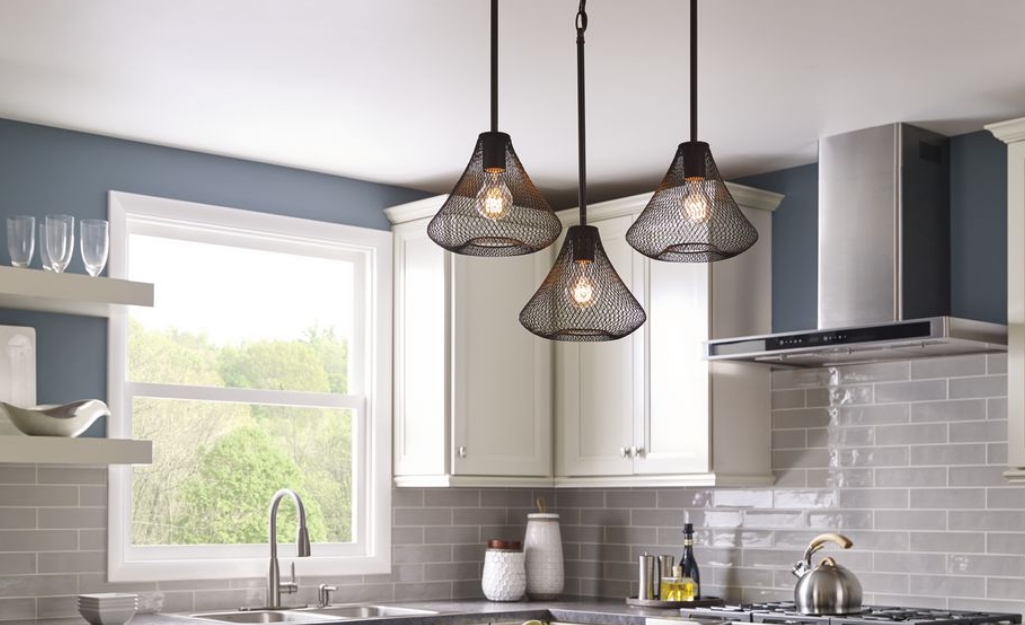
Credit: www.homedepot.com
Frequently Asked Questions
How To Layout Lighting In Kitchen?
Use layered lighting with ambient, task, and accent lights. Position task lights over workspaces like countertops and islands. Install ambient lighting for overall illumination. Use under-cabinet lights to reduce shadows. Consider pendant lights for style and functionality. Ensure lighting is adjustable for different needs and moods.
What Is The Rule For Kitchen Lighting?
Use layered lighting for the kitchen. Combine ambient, task, and accent lights. Ensure adequate brightness and energy efficiency. Use dimmers for flexibility. Choose fixtures matching the kitchen’s style.
What Is The Formula For Kitchen Lighting?
Calculate kitchen lighting by using 70-100 lumens per square foot. Measure the kitchen area in square feet. Multiply the area by the lumens to determine the total lumens needed. Choose a mix of ambient, task, and accent lighting to distribute these lumens effectively.
How To Decide On Kitchen Lighting?
Choose layered lighting: ambient, task, and accent. Consider kitchen size and layout. Use energy-efficient LED bulbs. Opt for dimmable lights for flexibility. Ensure proper placement for even illumination.
Conclusion
Designing kitchen lighting is both an art and a science. Balance is key. Consider task lighting for cooking areas. Think about ambient lights for mood. Accent lights can highlight features. Choose energy-efficient bulbs where possible. Keep colors consistent with your kitchen theme.
Test different light setups. Adjust according to your needs. Ensure safety with proper installation. Experiment with shadows and brightness. Invest in quality fixtures for durability. Consult experts if needed. Remember, lighting transforms spaces. Make your kitchen inviting and functional. Happy lighting design!