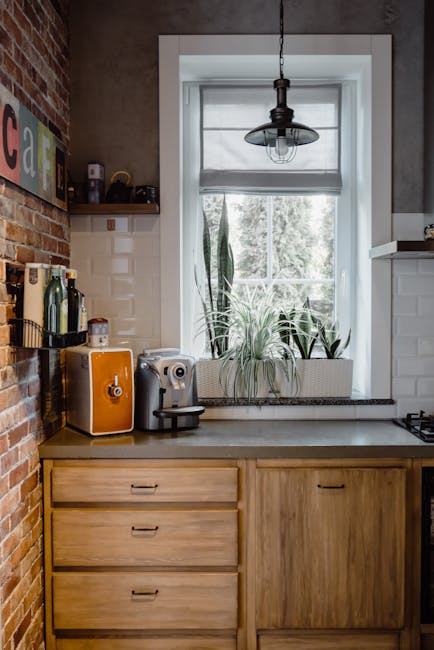
Are you tired of cluttered countertops and chaotic cabinets? Designing your kitchen shelves can transform not just the look of your kitchen, but also how you feel every time you step into it.
Imagine opening your cabinets to find a perfectly organized space, where everything has its place and style meets functionality. Whether you’re aiming for a minimalist look or a cozy, rustic vibe, the right shelf design can make it happen. In this guide, you’ll discover simple yet powerful tips to create kitchen shelves that reflect your personality and meet your everyday needs.
Let’s dive into the secrets of crafting shelves that will make your kitchen the heart of your home.

Credit: www.designcafe.com
Choosing The Right Materials
Selecting appropriate materials enhances kitchen shelf design. Opt for durable and easy-to-clean options like wood or metal. Consider moisture resistance to ensure longevity and style.
Choosing the right materials for your kitchen shelves can transform your space, making it both functional and stylish. The materials you select not only affect the look and feel of your kitchen but also influence the durability and maintenance needs of your shelves. Whether you’re drawn to the warmth of wood, the sleekness of metal, or the elegance of glass, each material comes with its own set of benefits and challenges.Wood Options
Wood is a classic choice for kitchen shelves, offering warmth and versatility. Consider oak or maple for a sturdy option that can support heavier items. If you prefer a softer look, pine might be your go-to, though it may require more care to avoid scratches. Think about the finish too. A polished varnish can add shine and protection, while a matte finish gives a more rustic touch. Mixing different wood types can add depth and character to your kitchen.Metal Choices
Metal shelves are ideal for those seeking a modern, industrial vibe. Stainless steel is a popular choice due to its durability and easy-to-clean surface. It can withstand the hustle and bustle of a busy kitchen. Aluminum offers a lightweight alternative without compromising on strength. However, it may not carry as much weight as steel, so consider what you’ll be storing. Powder-coated finishes add a splash of color and protect against rust, prolonging the life of your shelves.Glass Alternatives
Glass shelves introduce a touch of elegance and can make your kitchen appear more open and spacious. Tempered glass is a safe choice as it’s designed to shatter into small, less harmful pieces if broken. Think about whether you want clear or frosted glass. Clear glass creates a sleek, clean look, while frosted glass offers a bit of privacy for less tidy items. Consider where you place glass shelves to avoid high-impact areas, ensuring they remain a safe and stylish option. Choosing the right material is crucial. Which material speaks to your style and needs? Reflect on how each option complements your kitchen’s theme and your lifestyle. Make your kitchen not just a place for cooking but a space that reflects your personal taste and creativity.Determining Shelf Dimensions
Designing kitchen shelves requires precise measurement of shelf dimensions. Consider the height and depth to fit your items comfortably. Proper spacing enhances accessibility and organization, ensuring a functional and tidy kitchen space.
Determining the right dimensions for your kitchen shelves is crucial for both functionality and aesthetics. Too big, and they overwhelm the space; too small, and they fail to serve their purpose. Finding the perfect balance can transform a cluttered kitchen into a harmonious haven.Height Considerations
The height of your kitchen shelves can make or break their usability. Ask yourself: Who will be using these shelves? If you’re tall, high shelves might be practical, but they could be out of reach for others in your home. Consider the items you’ll store. Everyday essentials should be within easy reach. Reserve higher shelves for less frequently used items, like that holiday serving platter.Depth And Width
Depth and width are critical in ensuring your shelves are both practical and safe. A shelf that’s too deep can become a black hole where things get lost. Aim for a depth that allows you to see and reach everything easily. Consider what you’ll store. Narrow shelves work great for spices or mugs, while wider ones are better for larger items like mixing bowls. Don’t forget, the width of your shelves should complement your kitchen’s layout without cramping the space. Have you ever found a hidden treasure in the back of a deep shelf, long forgotten? Keeping shelves shallow helps prevent this, making it easier to maintain an organized kitchen. Always think about how your shelves will interact with your kitchen’s traffic flow. Will they obstruct doorways or natural paths? Ensuring they don’t will keep your kitchen functional and inviting.Maximizing Space Efficiency
Designing kitchen shelves effectively can transform your cooking space. Maximizing space efficiency is key for a tidy and functional kitchen. A well-organized kitchen reduces clutter and enhances usability. Smart shelf designs help utilize every inch of space.
Corner Shelving Solutions
Corners often remain unused in kitchens. Corner shelves can change that. They offer smart storage without taking up extra space. Use lazy susans or rotating shelves to access items easily. Install triangular shelves for a sleek look. They fit perfectly in the corner.
Vertical Storage
Vertical storage utilizes height, saving valuable counter space. Tall shelves can store rarely-used items up high. Use adjustable shelves for flexibility. Hooks or pegboards can hold utensils or pots. Magnetic strips keep knives or spice containers handy. Maximize wall space with vertical storage.
:max_bytes(150000):strip_icc()/styling-tips-for-kitchen-shelves-1791464-hero-97717ed2f0834da29569051e9b176b8d.jpg)
Credit: www.thespruce.com
Incorporating Aesthetic Elements
Designing kitchen shelves goes beyond practical storage. It transforms your kitchen’s look. Aesthetic elements breathe life into shelves. They create harmony and appeal. Thoughtful design choices can enhance this space. Let’s explore how color and accents work wonders.
Color Coordination
Color sets the tone in a kitchen. Choose a palette that fits your style. Light colors open up small spaces. Dark colors add depth and sophistication. Match shelf colors with kitchen walls. This creates a seamless look. Consider contrasting colors for a bold statement.
Neutral shades are timeless. They offer flexibility with decor changes. Bright colors inject energy and fun. Consider your kitchen’s overall theme. Color coordination ties the space together. It creates a visually pleasing environment.
Decorative Accents
Decorative accents personalize your shelves. They reflect your style and taste. Use plants for a touch of nature. They add freshness and color. Display beautiful dishes or glassware. This adds elegance and charm. Consider framed art or photos.
They make the space feel homey. Mix and match textures for interest. Use baskets or boxes for hidden storage. Choose items that complement your color scheme. Too many accents can clutter the space. Balance is key to a stylish design.
Ensuring Durability And Safety
Designing kitchen shelves involves more than aesthetics. Ensuring their durability and safety is crucial. Shelves hold heavy kitchen items like pots, pans, and dishes. Proper design prevents accidents and extends shelf life.
Weight Capacity
Consider the weight shelves will bear. Lightweight materials may not support heavy items. Choose sturdy materials like wood or metal. Check manufacturer guidelines for weight limits. Distribute weight evenly across shelves. Avoid overloading any one shelf.
Secure Mounting Techniques
Proper mounting ensures shelves stay firmly in place. Use high-quality brackets and anchors. Choose the right wall type for mounting. Drywall needs special anchors. Concrete or brick requires different hardware. Double-check screws are tight and secure.
Regularly inspect mounting hardware. Look for signs of wear or loosening. Tighten screws and replace damaged parts. Ensure shelves are level. Use a spirit level during installation. Level shelves distribute weight evenly.

Credit: www.housebeautiful.com
Customizing For Functionality
Designing kitchen shelves for functionality enhances your cooking experience. Customization ensures your kitchen meets your specific needs. Thoughtful planning can transform your space into a practical and stylish area. Consider the layout, material, and storage solutions. Tailor your shelves to improve efficiency and accessibility. This approach saves time and reduces clutter.
Adjustable Shelves
Adjustable shelves offer flexibility in your kitchen. They adapt to different storage needs. You can change the height of the shelves as required. This feature accommodates items of varying sizes. Tall jars, short cans, and everything in between fit easily. Adjustable shelves maximize available space. They provide a dynamic solution for evolving storage requirements. Consider installing adjustable shelves for a versatile kitchen.
Incorporating Lighting
Lighting enhances the functionality of kitchen shelves. It makes items easier to find and access. Proper lighting reduces the time spent searching for ingredients. LED lights are energy-efficient and bright. They illuminate your shelves without generating heat. Under-cabinet lighting is a popular choice. It highlights the contents and adds ambiance. Incorporating lighting transforms your kitchen into a welcoming space.
Budget-friendly Design Tips
Transform kitchen shelves with budget-friendly ideas. Use recycled wood for a rustic touch. Paint old shelves a fresh color. Add baskets for stylish storage.
Designing kitchen shelves on a budget doesn’t mean compromising on style or functionality. With a little creativity and strategic planning, you can transform your kitchen space without breaking the bank. Here, we’ll share some budget-friendly design tips that are both practical and inspiring.Diy Options
Building your own kitchen shelves can save you a significant amount of money. You only need a few basic tools and a can-do attitude. Start by measuring your space and deciding on a design that suits your kitchen’s aesthetic. Consider using reclaimed wood or old pallets for a rustic touch. These materials are often free or low-cost and add character to your kitchen. A friend of mine recently used leftover wood from a previous project to create stunning open shelves that became a focal point of her kitchen. What unused materials do you have lying around that could be upcycled? If you’re not confident in your carpentry skills, there are plenty of online tutorials to guide you. You might even find it a fun and rewarding experience. Plus, there’s nothing quite like the satisfaction of looking at your kitchen and knowing you built something yourself.Cost-effective Materials
Choosing affordable materials is key to keeping costs down. Plywood is a great option—it’s inexpensive, versatile, and easy to work with. You can paint it, stain it, or leave it natural, depending on your preferred look. MDF (Medium-Density Fiberboard) is another budget-friendly choice. It’s smooth, easy to paint, and can mimic the appearance of more expensive materials. However, keep it away from water-prone areas as it can swell. Consider using metal brackets with wooden planks. This combination is trendy and adds a modern industrial vibe. A friend of mine used simple metal pipes as brackets, which gave her kitchen an urban edge without the high price tag. What creative combinations can you think of for your kitchen? Think outside the box—literally. Repurpose crates or boxes as shelves. They’re often available for free and can be stacked in various configurations. You could paint them in bold colors to add a splash of personality to your kitchen. Remember, designing kitchen shelves on a budget is all about smart choices and creativity. Have fun with the process and enjoy the unique touch your personal design adds to your space.Frequently Asked Questions
What Are The Rules For Kitchen Shelves?
Organize items by frequency of use, placing frequently used items at eye level. Ensure shelves are sturdy and well-secured. Use uniform, labeled containers for a neat look. Maintain space between items for easy access and airflow. Regularly declutter to keep shelves tidy and functional.
How To Arrange A Kitchen Shelf?
Arrange kitchen shelves by grouping similar items together. Keep frequently used items within easy reach. Use clear containers for dry goods. Label containers for quick identification. Utilize shelf risers for maximizing space.
What Is The Best Thing To Line Kitchen Shelves With?
Use non-adhesive shelf liners for kitchen shelves. They protect surfaces and are easy to clean and replace. Choose waterproof materials for added durability. Ensure liners fit well to prevent slipping and provide a neat appearance. Select patterns or colors to complement your kitchen décor.
How To Design A Kitchen Layout For Beginners?
Start with the work triangle: stove, sink, and refrigerator. Ensure efficient workflow and accessibility. Maximize storage with cabinets and shelves. Use durable, easy-to-clean materials. Incorporate ample lighting for visibility. Personalize with colors and finishes.
Conclusion
Designing kitchen shelves can transform your space into a functional haven. It’s important to plan carefully for style and utility. Choose materials that match your kitchen’s vibe. Opt for adjustable shelves for more flexibility. Prioritize easy access to everyday items.
Consider creative arrangements for a personal touch. Open shelves can display your favorite dishes. Closed cabinets keep things tidy. Lighting can enhance your display. Remember, a well-organized kitchen makes cooking more enjoyable. Take your time, and have fun designing your perfect kitchen shelves.
Happy organizing!