
Is your stainless steel cookware not living up to its shiny promise? You’re not alone.
Many home cooks find themselves frustrated with cookware that sticks, discolors, or just doesn’t perform as expected. But here’s the good news: there’s a simple solution. By learning how to cure your stainless steel cookware, you can transform it into a kitchen powerhouse that makes cooking a joy rather than a chore.
Imagine effortlessly searing meats to perfection or sautéing vegetables without a hint of sticking. Intrigued? Let’s dive into the step-by-step process that will breathe new life into your pots and pans, ensuring they look great and function flawlessly. Keep reading, and unlock the secrets to cookware that’s as reliable as it is beautiful.
Credit: www.youtube.com
Choosing The Right Cookware
Choosing the right cookware is the first step towards a seamless cooking experience. Stainless steel cookware is a popular choice because of its durability and versatility. However, not all stainless steel is created equal. Knowing what to look for in your cookware can save you from a lot of frustration and ensure you enjoy every cooking session.
Types Of Stainless Steel
Did you know that stainless steel comes in different grades? The most common types are 18/10 and 18/8. The numbers refer to the percentage of chromium and nickel. These elements enhance corrosion resistance and shine.
If you’ve ever bought a pot that lost its luster after a few uses, you might have been dealing with lower-grade stainless steel. Opt for 18/10 for a pot that keeps its gleam and resists rust.
Another type to consider is tri-ply or multi-ply stainless steel. These have layers of aluminum or copper sandwiched between stainless steel. This layering ensures even heat distribution, reducing the chances of burning your meals.
Quality Indicators
Quality indicators in stainless steel cookware are not limited to the material itself. Look for sturdy handles and rivets. A wobbly handle can lead to accidents and spills, ruining your meal and your mood.
Check the weight of the cookware. Heavier stainless steel pots usually mean better quality. They hold heat well and provide stability on the stovetop.
Finally, examine the cookware’s base. A thick base ensures even cooking and prevents hot spots. You don’t want to spend more time cleaning up burnt food than enjoying your culinary creations.
Have you ever purchased a piece of cookware only to find it lacking in some area? Reflecting on past buys can guide you in choosing better next time. What do you prioritize when choosing your cookware?
Preparing For The Cure
Stainless steel cookware is a staple in many kitchens, prized for its durability and sleek appearance. However, maintaining its pristine condition requires a little effort. Preparing your cookware for curing is a crucial step to ensure it remains in top shape. This process not only enhances its performance but also prolongs its lifespan. So, how do you get started?
Gathering Necessary Materials
To begin, gather a few essential items that will aid in the curing process. You’ll need a mild dish soap, a non-abrasive sponge, and a soft cloth. White vinegar and baking soda are also handy for tackling stubborn stains. Having these materials ready saves time and makes the process smoother.
Consider using a dedicated spot in your kitchen for the curing process. This helps in keeping everything organized and ensures you don’t misplace any items. Have you ever started a task only to realize midway that something’s missing? It’s frustrating, right? Avoid this by preparing in advance.
Initial Cleaning Steps
Start by washing your stainless steel cookware with warm water and mild dish soap. Use a non-abrasive sponge to gently scrub away any food residues. This step is vital to remove any surface grime or oils that might affect the curing process.
Rinse thoroughly to ensure no soap residue remains. Leftover soap can lead to discoloration when the cookware is heated. Dry the cookware with a soft cloth to prevent water spots. Have you ever noticed how water spots can diminish the shine of stainless steel? Keeping it dry maintains its luster.
Once cleaned, inspect the cookware for any persistent stains. For these, create a paste using white vinegar and baking soda. Apply the paste to the stained areas and let it sit for a few minutes before gently scrubbing. This method is effective and avoids the use of harsh chemicals. Are you ready to see your stainless steel sparkle?
Seasoning Techniques
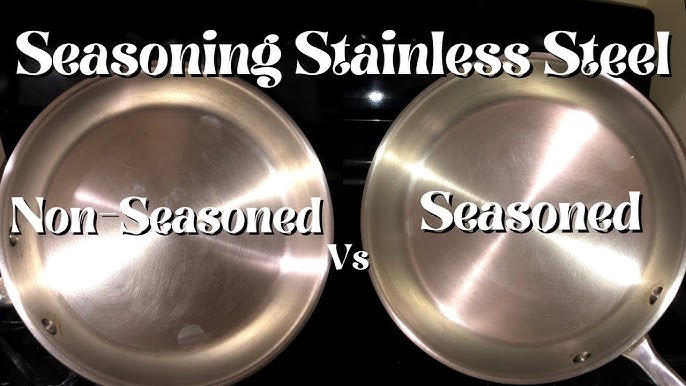
Curing stainless steel cookware enhances its performance and lifespan. Start by cleaning the pan thoroughly with soap. Apply a thin layer of oil and heat it on the stove until it smokes slightly. Allow it to cool, then wipe off excess oil with a paper towel.
Repeat for a slick, non-stick surface.
Seasoning your stainless steel cookware can elevate your cooking experience by preventing food from sticking and adding flavor to your dishes. While many think that only cast iron skillets can be seasoned, stainless steel can benefit too. This technique creates a natural non-stick layer that makes cooking and cleaning easier. Ready to transform your stainless steel pots and pans? Let’s dive into the steps of seasoning.Oil Selection
Choosing the right oil is crucial for effective seasoning. Oils with high smoke points work best because they can withstand high heat without burning. Canola oil, grapeseed oil, and sunflower oil are great options. Avoid oils with low smoke points like butter, which can burn and leave a sticky residue. Also, consider your cooking style; if you prefer a neutral flavor, stick with a neutral oil.Heat Application Methods
The way you apply heat determines how well your cookware gets seasoned. Start by cleaning your cookware thoroughly to remove any residues. Dry it completely to prevent water spots. Once clean, apply a thin layer of your chosen oil to the surface of the cookware. Stovetop Method: Place the cookware on the stove over medium heat. Watch as the oil starts to shimmer and the surface changes color slightly. This process usually takes about 10 minutes. Once done, let it cool completely before wiping off excess oil. Oven Method: Preheat your oven to 350°F (175°C). Place your oiled cookware upside down on a middle rack with a baking sheet underneath to catch drips. Bake for 45 minutes to an hour. Allow it to cool inside the oven for a deeper seasoning effect. Which method suits your routine and lifestyle best? The stovetop method is quicker, while the oven method provides a more uniform finish. Have you ever noticed how seasoned cookware makes cooking eggs or pancakes a breeze? It’s all about the technique. Seasoning adds a layer of protection that can transform your culinary adventures.
Credit: www.reddit.com
Maintaining Your Cookware
Protect stainless steel cookware by curing it. Start by cleaning thoroughly with warm, soapy water. Dry it completely. Apply a thin layer of oil, then heat on low for a few minutes. This process helps prevent food from sticking and keeps your cookware looking shiny and new.
Maintaining Your Cookware Owning stainless steel cookware is like having a trusty sidekick in the kitchen. But just like any good partnership, it requires a bit of care to keep everything running smoothly. Understanding how to maintain your cookware ensures it remains in top condition, ready to help you whip up delicious meals. Let’s dive into some practical tips that can make a real difference.Routine Cleaning Practices
Routine cleaning might sound tedious, but it’s the secret to longevity. After every use, wash your stainless steel cookware with warm water and mild detergent. This prevents food particles from sticking and causing stubborn stains. Avoid harsh chemicals or abrasive scrubbers. They can scratch and dull the surface of your cookware. Instead, use a soft sponge or cloth to gently clean the surface. If you encounter burnt food or stubborn stains, create a paste of baking soda and water. Apply it to the affected area and let it sit for a few minutes before scrubbing gently. This simple technique helps restore your cookware’s natural shine.Handling And Storage Tips
Handling your cookware with care is crucial. Always allow your pots and pans to cool down before washing. Sudden temperature changes can warp the metal, affecting its performance. When storing, make sure to stack your cookware carefully. Placing a soft cloth or paper towel between each piece prevents scratches. This small step can significantly extend the life of your cookware. Consider hanging your pots and pans if you have the space. It’s a great way to save space and avoid unnecessary scratching. Plus, it gives your kitchen a professional look. Have you ever thought about how you handle your cookware daily? These small adjustments can make a big difference. By integrating these practices into your routine, you can keep your stainless steel cookware looking and performing like new.Common Mistakes To Avoid
Avoid using high heat, as it can cause discoloration in stainless steel cookware. Always let the cookware cool before washing to prevent warping. Avoid using steel wool, which can scratch surfaces.
Curing stainless steel cookware can enhance its durability and performance, but there are common mistakes that can compromise the process. Being aware of these pitfalls can save you time and money. Do you often find your pots and pans looking dull or worse for wear? Let’s uncover how these missteps can be avoided.Overheating Risks
Overheating your stainless steel cookware is a common error. It might seem like a good idea to heat your pan quickly to speed up your cooking. However, excessive heat can cause discoloration and damage. Have you ever noticed rainbow stains on your cookware? That’s often the result of overheating. To prevent this, always preheat your pan on medium heat. Allow it to gradually reach the desired temperature. This simple adjustment can protect your cookware’s shine and functionality.Improper Cleaning
Improper cleaning techniques are another frequent mistake. Using abrasive cleaners or steel wool can scratch the surface. Have you ever scrubbed your pan vigorously, only to find it looking worse afterward? Instead, opt for gentle cleaning methods. Use a soft sponge and mild dish soap. If food is stuck, soak the pan in warm water to loosen debris before cleaning. Regular maintenance with non-abrasive materials will ensure your cookware stays pristine and performs well. Are you guilty of any of these common mistakes? Correcting them can make a noticeable difference in your cookware’s lifespan and appearance.
Credit: www.youtube.com
Benefits Of Cured Cookware
Stainless steel cookware is a staple in many kitchens. But did you know curing it can offer amazing benefits? Curing creates a protective layer. This layer enhances cooking performance and extends the cookware’s life.
Improved Cooking Performance
Cured stainless steel heats evenly. Food cooks more consistently and tastes better. The protective layer prevents sticking. Cleaning becomes a breeze. No more scrubbing or soaking for hours. This means less oil is needed. Healthier meals for you and your family.
Longevity And Durability
Curing boosts the lifespan of your cookware. It shields against scratches and stains. The cookware remains shiny and new longer. No need to replace pots and pans frequently. Invest once and enjoy for years. The durability saves money and time.
Frequently Asked Questions
Are You Supposed To Cure A Stainless Steel Pan?
No, you don’t need to cure a stainless steel pan. Instead, preheat it before cooking. This helps prevent food from sticking. Seasoning is only required for cast iron or carbon steel pans. Stainless steel is durable and naturally resistant to rust and corrosion, requiring minimal maintenance.
How To Season A Stainless Steel Pan For The First Time?
To season a stainless steel pan, heat it over medium heat. Add oil and swirl to coat. Allow the pan to cool. Wipe away excess oil with a paper towel. Repeat the process if necessary for better results. Enjoy a non-stick cooking surface.
Should I Oil My Stainless Steel Pan?
Yes, oiling your stainless steel pan prevents food sticking and enhances flavor. Heat the pan first, then add oil. Ensure even coating for best results. Use oils with high smoke points like canola or grapeseed. Proper oiling extends the lifespan of your pan and improves cooking efficiency.
Do And Don’ts Stainless Steel Pan?
Use medium heat and preheat the pan before adding food. Avoid harsh abrasives to prevent scratches. Use wooden or silicone utensils. Do not let food sit in the pan to avoid staining. Clean promptly with mild detergent for longevity.
Conclusion
Curing stainless steel cookware ensures it lasts long and performs well. Follow the steps carefully for best results. Clean your cookware regularly with mild soap. Avoid harsh cleaners to protect the surface. Always dry it completely to prevent water spots.
Heat evenly to maintain its structure and shine. Proper storage helps prevent scratches and damage. Remember, patience and care are key. With these tips, your cookware will stay in great condition. Enjoy cooking with your well-maintained stainless steel cookware. Happy cooking!