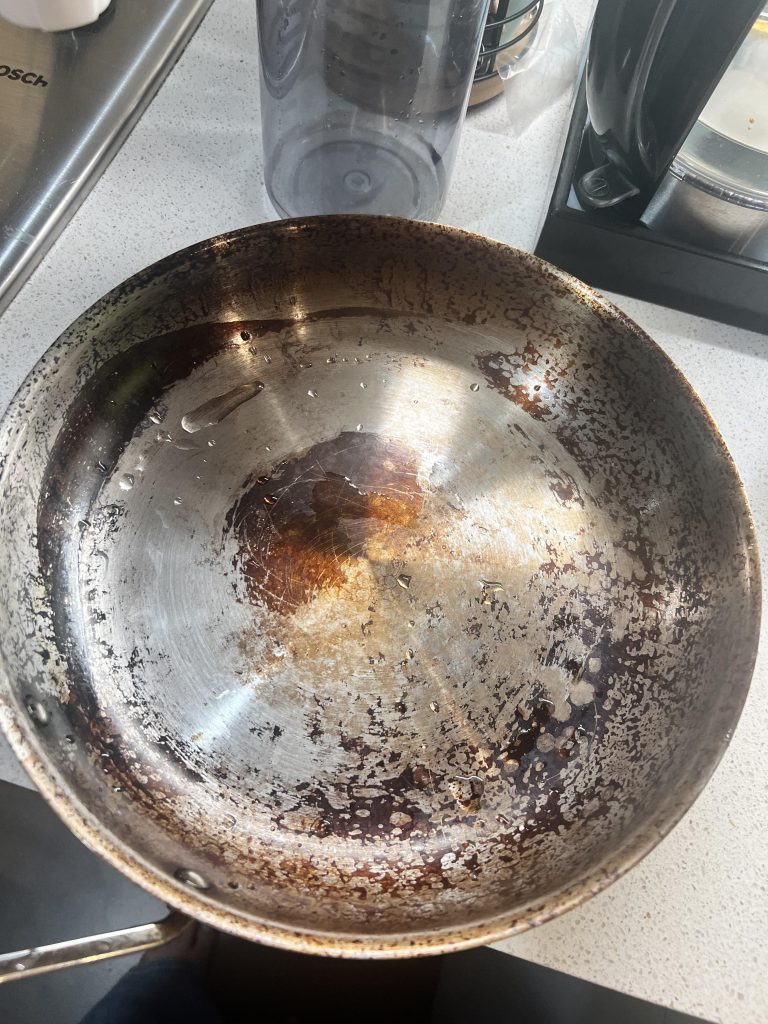
Is your once-shiny stainless steel cookware looking a bit dull and grimy? You’re not alone.
Stainless steel pots and pans are kitchen staples for many of us, but keeping them spotless can sometimes feel like a daunting task. Imagine the satisfaction of seeing your cookware gleam like new, reflecting your kitchen lights like a mirror.
This is not just a dream; it’s entirely achievable with the right cleaning techniques. Dive into this guide and discover foolproof methods to restore the sparkle to your beloved cookware. You’ll not only enhance their lifespan but also make your cooking experiences more enjoyable. Ready to unlock the secrets to pristine stainless steel? Keep reading to transform your kitchenware with ease!
Materials Needed
Gather mild dish soap, a soft sponge, white vinegar, baking soda, and a microfiber cloth. These items help maintain the shine and durability of stainless steel cookware.
Cleaning stainless steel cookware can be a rewarding task, especially when you see it gleaming like new. But to do it right, you need the right materials. Having the proper cleaning supplies and tools at your disposal can make all the difference. Whether you’re dealing with burnt-on food or simple smudges, these materials will help you tackle any cleaning challenge with ease.Essential Cleaning Supplies
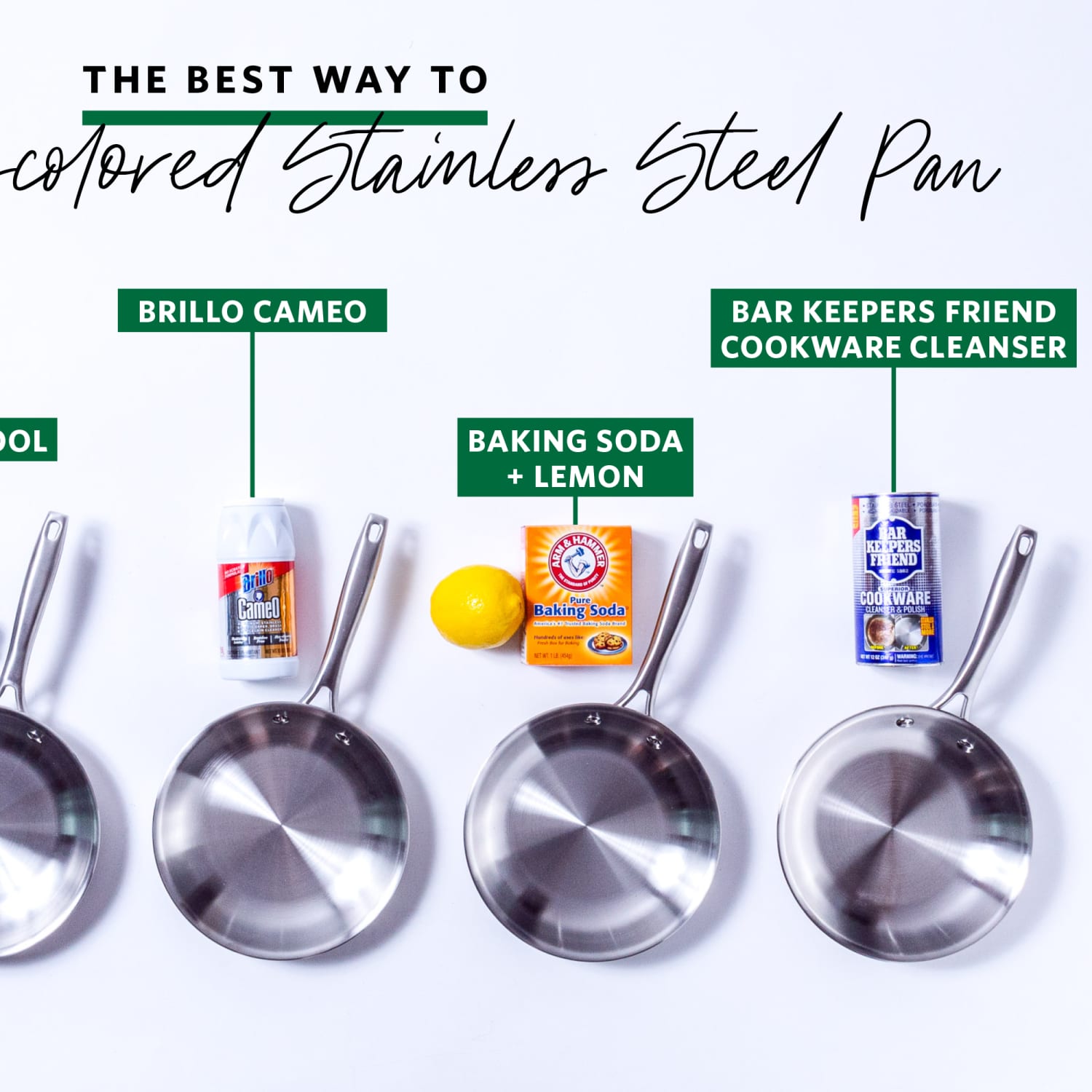
The basics of cleaning stainless steel cookware start with a few essential supplies. Dish soap is your best friend for general cleaning. It’s gentle yet effective, perfect for removing grease and residue. Baking soda is another must-have. It’s excellent for scrubbing away stubborn stains without scratching your cookware. A mixture of baking soda and water can work wonders on burnt-on spots. White vinegar is also useful. It helps to remove streaks and bring out the shine in your stainless steel. A simple wipe with a vinegar-soaked cloth can make your pots and pans sparkle.Recommended Tools
The tools you use can greatly impact your cleaning results. A soft sponge is crucial. It helps avoid scratches and is gentle on the surface of your cookware. Avoid anything too abrasive, like steel wool, which can damage the finish. A microfiber cloth is perfect for polishing. It leaves a streak-free finish and enhances the shine. It’s a small investment for a big payoff in the appearance of your cookware. A scrubber brush can also be handy for tackling tough spots. Choose one with soft bristles to prevent damage. Have you ever tried using a toothbrush for those hard-to-reach areas? It sounds unconventional, but it can be a game-changer for cleaning around handles and rims. With these supplies and tools, you’re well-equipped to keep your stainless steel cookware in top shape. Why settle for anything less than a brilliant shine?Preparation Steps
To clean stainless steel cookware, gather soft cloths, mild detergent, and warm water. Rinse off any food residue first. Use a gentle scrub to remove stains, then dry immediately to prevent water spots.
Cleaning stainless steel cookware can be a rewarding task when done right. The preparation steps are crucial to ensure your pots and pans regain their shine without damaging the surface. By investing a little time in preparation, you set yourself up for success. Let’s dive into these essential steps to make your cleaning process smooth and efficient.Initial Assessment
Before you start cleaning, take a moment to assess your cookware. Are there any food residues or stains that need extra attention? Look for burnt marks or stubborn spots. Identifying these areas helps you plan your approach more effectively. Remember, not all stains are created equal. Some might require gentle scrubbing, while others need a stronger cleaning solution. This step is your roadmap to cleaning success.Pre-cleaning Rinse
Begin with a simple rinse under warm water. This helps loosen any surface dirt or residue. It’s like giving your cookware a warm-up before the main event. Use a soft sponge or cloth to gently wipe off any loose particles. This step isn’t just about cleaning; it’s about setting the stage. By removing the initial layer of grime, you make the later stages easier and more effective. Have you ever found that rinsing your cookware feels oddly satisfying? It’s that first step where you see progress instantly. Plus, who wouldn’t want to start with a clean slate? Incorporating these preparation steps into your routine can make a noticeable difference. Are you ready to transform your stainless steel pots and pans into gleaming kitchen stars? Follow these steps and watch your cookware shine brighter than ever.Effective Cleaning Techniques
Clean stainless steel cookware with warm water and mild detergent. Gently scrub using a soft sponge to avoid scratches. Rinse thoroughly and dry immediately to prevent water spots.
Cleaning stainless steel cookware can be a challenge, but with effective techniques, you can keep it looking pristine. Stainless steel is known for its durability and resistance to rust, but it can still accumulate stains and lose its shine. By following a few simple methods, you can ensure your cookware remains as good as new. Let’s dive into some practical ways to clean and maintain your stainless steel cookware.Removing Stains And Residue
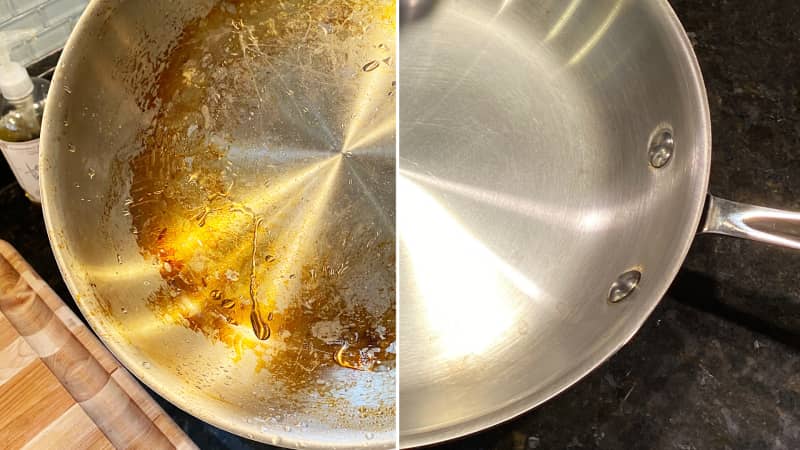
Burnt food and oil stains can seem stubborn. Start by soaking the cookware in warm, soapy water for 15 minutes. This loosens any baked-on food bits. For tougher stains, create a paste using baking soda and water. Apply it to the stained area and let it sit for 10 minutes. Then, gently scrub using a non-abrasive sponge. Vinegar is another excellent option. Fill the pot or pan with equal parts water and white vinegar. Bring it to a boil, then let it cool. This helps lift stubborn marks without scratching the surface.Polishing For Shine
Once clean, you might notice your cookware lacks its original gleam. A simple way to restore shine is by using olive oil. Apply a few drops to a soft cloth and buff the surface gently. You can also use a commercial stainless steel cleaner for a more polished look. Ensure you follow the manufacturer’s instructions for the best results. If you notice water spots, these can be easily wiped away with a mixture of vinegar and water. Spray the solution onto the cookware and wipe it dry immediately with a soft cloth. Have you ever wondered why some cookware loses its shine faster than others? It might be due to improper drying. Always dry your cookware immediately after washing to prevent water spots. By consistently using these techniques, you ensure your stainless steel cookware remains both functional and visually appealing. How do you keep your kitchenware looking its best?
Credit: notacook.com
Handling Burnt Cookware
Burnt stainless steel cookware can be a real headache. The stubborn marks ruin the look of your pots and pans. Understanding how to tackle this issue is essential. With the right techniques, you can restore your cookware to its original shine.
Soaking Method
Start by filling the burnt pot with warm water. Add a few drops of dish soap to the water. Let the pot soak for at least 30 minutes. This helps loosen the burnt residue. For tougher stains, soak overnight. The longer it soaks, the easier it becomes to clean.
Scrubbing Tips
Use a non-abrasive scrubber for scrubbing. Avoid using steel wool; it scratches the surface. Baking soda acts as a natural scrub. Sprinkle it over the burnt area. Gently scrub in circular motions. This method lifts grime without damaging the cookware.
If stains persist, try a paste of baking soda and water. Spread it on the burnt spots. Let it sit for 15 minutes. Scrub again with a soft brush. Repeat if necessary until the pan is clean.
Maintaining Stainless Steel
Stainless steel cookware is a favorite in many kitchens. It is durable, sleek, and resistant to rust. Proper maintenance keeps it looking new and performing well. Knowing how to clean it right is essential. Follow these simple tips for lasting shine.
Regular Cleaning Routine
Wash stainless steel cookware after each use. Use warm water and mild dish soap. Avoid using harsh chemicals. Scrub gently with a soft sponge. Rinse thoroughly to remove soap residue. Dry immediately with a soft cloth. This prevents water spots and maintains its gleam.
Avoiding Common Mistakes
Do not use steel wool or abrasive pads. They scratch the surface. Avoid leaving food residue for long periods. It can cause stubborn stains. Never use bleach or ammonia-based cleaners. They can damage the finish. Be cautious with high heat. It can cause discoloration. Proper care ensures your cookware lasts longer and stays beautiful.
Credit: www.americastestkitchen.com
Expert Advice
Stainless steel cookware is a kitchen staple. However, keeping it spotless and gleaming can be a challenge. In this section, we turn to expert advice to help you maintain your cookware’s shine and functionality. With professional tips and debunking common myths, you’ll learn how to clean your stainless steel like a pro.
Professional Tips
Experts recommend using a gentle dish soap mixed with warm water for daily cleaning. This simple method helps prevent any build-up of grease or grime.
For stubborn stains, try making a paste with baking soda and water. Apply it gently on the surface and scrub with a soft sponge.
Always remember to rinse thoroughly to avoid any soap residue. This step is crucial to maintaining the shiny finish of your cookware.
Drying your cookware with a soft towel immediately after washing prevents water spots. It’s a small step that makes a big difference in keeping your pots and pans looking new.
Common Myths Debunked
You might have heard that using vinegar can damage stainless steel. However, vinegar is safe and effective for removing tough stains and discoloration.
Another myth is that stainless steel doesn’t require regular maintenance. In truth, routine care is essential to preserve its quality and appearance.
Some believe that all scrubbing pads are harmful. While harsh scrubbing can scratch the surface, a gentle pad is safe for removing tough food residue.
Have you ever wondered if stainless steel can rust? While it’s resistant, it can still rust if not properly cared for. That’s why following expert tips is so important.
By taking these practical steps, you’ll ensure your stainless steel cookware remains in top condition for years to come. Which myth surprised you the most?
Credit: www.thekitchn.com
Frequently Asked Questions
What Is The Best Way To Clean Stainless Steel Cookware?
Clean stainless steel cookware using warm water, mild dish soap, and a soft sponge. Avoid abrasive cleaners or steel wool to prevent scratches. For tough stains, use a paste of baking soda and water. Rinse thoroughly and dry with a clean towel to maintain shine.
Can You Use Vinegar And Baking Soda On Stainless Steel Pans?
Yes, vinegar and baking soda effectively clean stainless steel pans. Mix them to remove stains and restore shine. Avoid using abrasive scrubbers to prevent scratches. Regular cleaning maintains the pan’s appearance and functionality.
What Is The Best Thing To Clean Stainless Steel With?
Use a mixture of vinegar and water to clean stainless steel. Spray the solution and wipe with a microfiber cloth. This method removes fingerprints and shines surfaces efficiently. Avoid abrasive cleaners to prevent scratches. Regular cleaning maintains the stainless steel’s pristine look and extends its lifespan.
How Do You Get Burnt Stuff Off A Stainless Steel Pan?
Scrub the pan with baking soda and water paste. Use a nylon scrubber for stubborn spots. Boil vinegar and water mixture to loosen burnt residue. Rinse thoroughly with warm water. For tough stains, try soaking overnight in dish soap and water.
Always dry the pan completely to prevent rust.
Conclusion
Keeping stainless steel cookware clean is simple with the right steps. Regular cleaning prevents stains and keeps pots shiny. Use gentle soap and avoid harsh scrubbers. Dry thoroughly to prevent water spots. Lemon juice or vinegar can help remove tough stains.
Remember, proper care extends the life of your cookware. Enjoy cooking with gleaming pots and pans. Happy cooking!