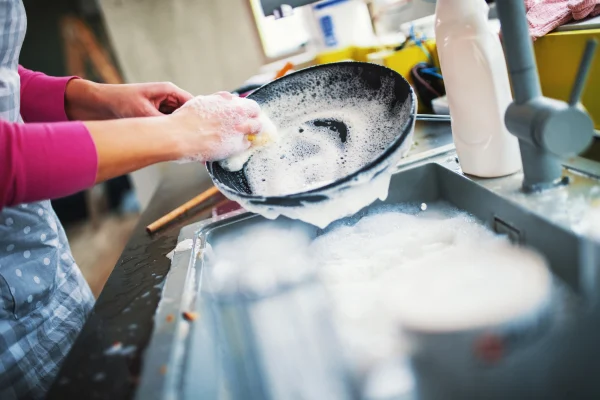
You use your kitchen tools and equipment every day, but have you ever stopped to think about how clean they really are? Over time, grease, food particles, and bacteria can build up, turning your trusty spatula or chopping board into a breeding ground for germs.
The good news? A few simple cleaning techniques can keep your kitchen tools spotless and safe for all your cooking adventures. By diving into this article, you’ll discover easy-to-follow methods that not only extend the life of your equipment but also ensure every meal you prepare is as hygienic as possible.
Ready to transform your kitchen into a pristine haven? Keep reading to learn how!

Credit: maggymaid.com
Essentials For Cleaning
Keeping your kitchen tools clean is essential for a healthy cooking space. Regular cleaning prevents bacteria buildup and extends the life of your tools. To make this task easier, you’ll need some essential items. These items ensure that your cleaning process is effective and safe.
Cleaning Supplies
Gather a few basic cleaning supplies to get started. Dish soap is a must for removing grease and food particles. White vinegar is great for sanitizing and breaking down tough stains. Baking soda can help scrub away stubborn residues. A sponge or dishcloth is necessary for wiping surfaces. Remember, a soft-bristled brush can reach into nooks and crannies. Microfiber cloths work well for drying and polishing.
Safety Gear
Protecting yourself during cleaning is just as important. Wear rubber gloves to shield your hands from hot water and cleaning chemicals. An apron keeps your clothes clean from splashes and spills. If you’re using strong chemicals, consider using a mask to avoid inhaling fumes. Safety goggles can protect your eyes from irritants. Having the right safety gear makes the cleaning process safer and more efficient.
Cleaning Techniques
Proper cleaning of kitchen tools ensures safety and longevity. Begin by rinsing tools in warm soapy water. Use a brush for stubborn residues. Dry thoroughly to prevent rust and maintain hygiene. Regular cleaning prevents bacteria buildup and extends equipment life.
Cleaning your kitchen tools and equipment doesn’t have to be a daunting task. With the right techniques, you can ensure your utensils are not only clean but also safe for future use. Let’s dive into some effective cleaning techniques that will keep your kitchen running smoothly.Hand Wash Vs Dishwasher
When deciding between hand washing and using a dishwasher, consider the material and delicacy of your kitchen tools. Hand washing is ideal for items like sharp knives, wooden spoons, and non-stick pans. These tools can be damaged by the harsh environment of a dishwasher. On the other hand, dishwashers are perfect for durable items like plates, glasses, and stainless steel pots. They save time and ensure thorough cleaning with high temperatures. But always check if your kitchen tools are dishwasher-safe. Have you ever found your favorite spatula warped after a dishwasher cycle? That’s why knowing which method to use is crucial.Sanitizing Methods
Cleaning isn’t just about removing visible dirt; it’s also about sanitizing to kill harmful bacteria. A simple way to sanitize is using a mixture of water and white vinegar. This solution is effective and eco-friendly. For more stubborn germs, consider a bleach solution. Mix one tablespoon of bleach with a gallon of water. Soak your tools for a minute and then rinse thoroughly with water. Do you ever wonder how clean your cutting board really is? Regular sanitizing is key to keeping your food preparation safe. By understanding these cleaning techniques, you can choose the best method for each of your kitchen tools. This not only extends their life but also ensures a healthier cooking environment. So next time you’re cleaning, ask yourself: is this tool better off in the sink or the dishwasher? And is it time for a quick sanitizing session?Specific Tools Care
Proper care is essential for kitchen tools to function well. Clean with warm water and mild soap. Avoid harsh abrasives that can damage surfaces. Dry thoroughly to prevent rust and maintain longevity.
Keeping your kitchen tools clean is essential for maintaining their functionality and ensuring your food remains safe and delicious. Specific tools care not only extends the life of your kitchen essentials but also keeps them performing at their best. Whether you’re a budding home cook or a seasoned chef, understanding how to properly care for your knives, pots, and bakeware can make a world of difference. Let’s dive into the specifics of keeping these tools in top shape.Knives And Cutlery
Knives are the workhorses of your kitchen, and they deserve special attention. Clean them immediately after use to prevent rust and staining. Use warm soapy water and a non-abrasive sponge to gently wash them. Avoid the dishwasher; it can dull the blade and damage the handle. Sharpening is another key aspect of knife care. A dull knife is not only frustrating but also dangerous. Regular sharpening ensures precision in your cuts and reduces the risk of accidents. Consider investing in a quality sharpening stone or a professional service. Remember to store your knives properly. A magnetic strip or a knife block is ideal. It keeps the blades sharp and prevents accidents. Think about this: how many times have you reached for a knife, only to find it dull or hard to locate? Proper storage solves this problem efficiently.Pots And Pans
Your pots and pans are indispensable, and they need the right care to last. After cooking, let them cool before washing. This prevents warping and helps remove stubborn food residue. Use a gentle scrubber and mild detergent to maintain their finish. Non-stick pans require extra attention. Avoid metal utensils to prevent scratching, and never use high heat, which can damage the non-stick coating. This simple care routine enhances their longevity and performance. Consider how you store them. Stacking can lead to scratches and damage. Use pot protectors or hang them to preserve their condition. Picture a neatly organized cabinet where you can easily grab the pan you need without the hassle—proper storage makes this a reality.Bakeware
Bakeware is crucial for all your baking adventures, and proper care ensures your treats come out perfectly every time. Wash your bakeware with warm soapy water, avoiding abrasive cleaners that can damage surfaces. Always let your bakeware cool before cleaning. This prevents warping and makes cleaning easier. Silicone bakeware is a popular choice due to its non-stick properties—be sure to rinse thoroughly to avoid residue build-up. Think about how you store your bakeware. Nesting them saves space, but place a soft cloth between each piece to avoid scratches. Imagine how much easier it would be to bake if every tray and pan was pristine and ready to use—proper care makes this possible. Taking the time to clean and care for your kitchen tools not only extends their life but also enhances your cooking experience. Are there tools in your kitchen that need a little extra care? Give it a try and see how it transforms your culinary adventures.Equipment Maintenance
Proper equipment maintenance in your kitchen can save you time, money, and even your health. Keeping your kitchen tools in peak condition ensures they work efficiently and last longer. Plus, a clean kitchen environment reduces the risk of food contamination. Let’s delve into how you can maintain your ovens, stoves, refrigerators, and small appliances.
Ovens And Stoves
Think about the last time you roasted a chicken or baked a pie. Did you remember to clean your oven afterward? Regular cleaning prevents grime and grease buildup, which can affect how your oven cooks food. Use a damp cloth to wipe the stove’s surface after each use. For deeper cleaning, remove the burners and soak them in warm soapy water. This prevents clogging and ensures even heat distribution.
Are you noticing your oven taking longer to preheat? It might be time to check the seals and hinges. These small parts play a big role in maintaining the oven’s efficiency. A quick check and clean can make all the difference.
Refrigerators
Your refrigerator is the heart of your kitchen, working tirelessly to keep your food fresh. How often do you clean its shelves and drawers? A simple wipe with a mild detergent can prevent bacteria growth and unpleasant odors. Keep an eye on the temperature settings; they should be cool enough to preserve food but not so cold that it wastes energy.
Don’t forget about the coils! Dirty coils can make your refrigerator work harder, consuming more electricity. Use a vacuum or brush to clean them every few months. This small step can save you money on your energy bills.
Small Appliances
From blenders to coffee makers, small appliances are often overlooked when it comes to cleaning. After using your blender, rinse it immediately to prevent food from sticking. Run vinegar through your coffee maker once a month to clean out any mineral deposits. These simple actions can keep your appliances running smoothly.
Ever wonder why your toaster isn’t toasting evenly? It might be time to empty the crumb tray. This ensures proper airflow and prevents burnt smells. Regular attention to these details keeps your small appliances functioning efficiently.
Keeping your kitchen equipment in top shape is not just about cleanliness; it’s about efficiency and longevity. How do you maintain your kitchen tools? Share your tips or experiences in the comments below!
Preventing Damage
Preserving the lifespan of kitchen tools demands care. Neglect leads to damage. Proper cleaning routines are essential. This helps to maintain functionality and appearance. Let’s explore key practices to prevent damage.
Avoiding Corrosion
Corrosion ruins metal tools. Acidic foods and water exposure are culprits. After use, rinse tools promptly. Use mild soap. Avoid harsh chemicals. They strip protective layers. Dry tools with a soft cloth. This reduces moisture contact. Store in a dry place. Humidity accelerates corrosion.
Proper Drying
Drying is crucial for wooden and metal tools. Moisture weakens materials. Air drying can leave residue. Use a clean towel instead. Pat down until completely dry. Ensure all crevices are moisture-free. For large equipment, use gentle heat. A fan can aid drying. Avoid sunlight. It causes warping in wood. Proper drying helps maintain integrity.

Credit: www.cleanipedia.com
Environmentally Friendly Options
Explore eco-friendly methods for cleaning kitchen tools and equipment. Use vinegar and baking soda for a natural clean. These options keep your kitchen spotless while protecting the environment.
When it comes to maintaining a clean kitchen, many of us are becoming more conscious of our environmental impact. Choosing environmentally friendly options for cleaning kitchen tools and equipment not only helps reduce waste but also ensures that your home is free from harsh chemicals. Let’s explore some practical, green solutions that you can easily implement in your daily routine.Eco-friendly Cleaning Products
Choosing eco-friendly cleaning products can be a game-changer for your kitchen. Natural ingredients like vinegar, baking soda, and lemon juice can effectively clean without the environmental toll of chemical cleaners. These items are not only affordable but are also readily available in most households. Have you ever tried using vinegar to clean your cutting boards? Simply mix equal parts of vinegar and water, spray it on the board, and wipe it clean. You’ll be amazed at the results and relieved to know you’re not adding harmful substances to your kitchen.Reducing Waste
Reducing waste in the kitchen is easier than you might think. Opt for reusable cloths instead of paper towels to cut down on disposable waste. Microfiber cloths are a great alternative as they are durable and effective for a variety of cleaning tasks. Think about the waste generated by single-use sponges. Switching to biodegradable or compostable options can significantly reduce your kitchen’s waste footprint. Why not make it a family challenge to see how much waste you can cut down in a month? By integrating these environmentally friendly options into your cleaning routine, you can create a healthier kitchen and a healthier planet. What small change will you make today for a greener tomorrow?Regular Cleaning Schedule
Establishing a regular cleaning schedule for kitchen tools and equipment ensures hygiene and efficiency. Use warm water and mild soap to remove food residues. Dry thoroughly to prevent rust and maintain longevity.
Maintaining a regular cleaning schedule for your kitchen tools and equipment is essential for a hygienic and efficient cooking environment. Not only does it keep your kitchen looking pristine, but it also prolongs the lifespan of your tools. By adhering to a regular cleaning routine, you can avoid the build-up of bacteria, prevent cross-contamination, and ensure your cooking space remains a safe and pleasant place to prepare meals. So, how can you make this routine efficient and manageable?Daily Tasks
Daily cleaning might sound daunting, but it’s the backbone of a clean kitchen. Start by wiping down all surfaces, including countertops and appliances like your microwave and toaster. This simple act removes food debris and prevents grease from setting. After every meal, give your utensils, pots, and pans a thorough wash with hot, soapy water. Don’t forget to sanitize cutting boards, especially after handling raw meat. This small step can significantly reduce the risk of foodborne illnesses. Create a habit of checking your kitchen sink. Rinse away any leftover food particles and clean the drain. A clean sink not only looks better but also prevents unpleasant odors.Weekly Deep Clean
While daily cleaning is crucial, a weekly deep clean ensures every nook and cranny is spotless. Dedicate a day each week to tackle the tasks that often get overlooked. Focus on cleaning your oven and stovetop. Use a mix of baking soda and water to scrub away any baked-on residue. This method is both effective and eco-friendly. Empty and clean your refrigerator. Discard expired items and wipe down shelves with a mild detergent. A clean fridge not only keeps your food fresh but also saves energy. Finally, pay attention to your dishwasher. Run a cycle with a dishwasher cleaner to remove any build-up and improve its efficiency. A clean dishwasher means cleaner dishes. By setting a regular cleaning schedule, you take control of your kitchen’s cleanliness. What small changes can you make today to transform your kitchen routine?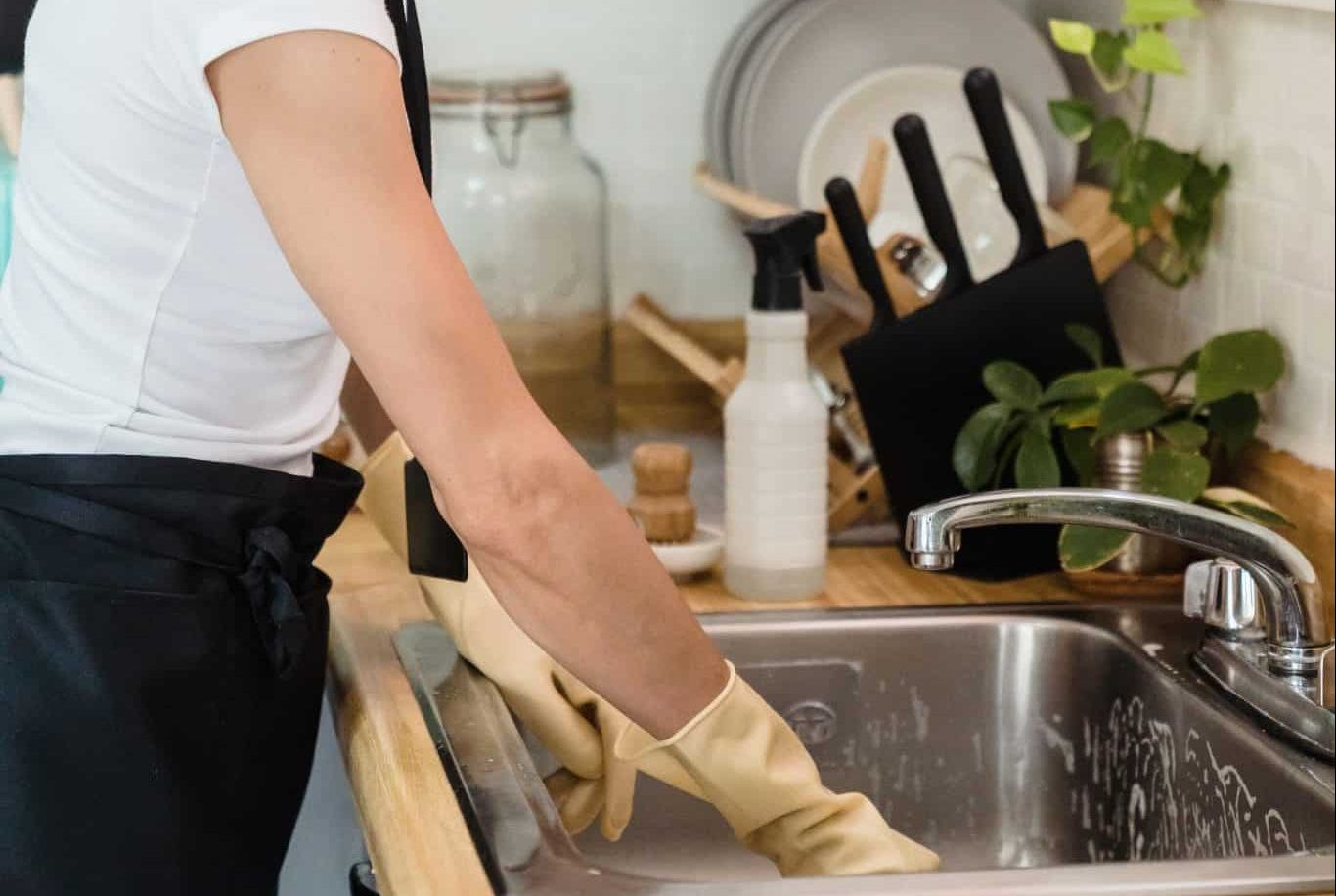
Credit: www.wecasa.co.uk
Frequently Asked Questions
How To Clean Kitchen Tools And Equipment Step By Step?
Start by rinsing tools under warm water. Apply dish soap using a sponge or brush. Scrub thoroughly to remove residue. Rinse again and dry with a clean towel. Store tools in a dry place to prevent rust.
What Is The Correct Way To Sanitize Utensils?
Sanitize utensils by washing with hot soapy water, rinsing, and soaking in a bleach solution. Air dry completely. Regularly sanitize to prevent germs and bacteria buildup. Follow manufacturer instructions for dishwasher-safe items. Ensure proper hygiene by maintaining clean kitchen surfaces.
How To Disinfect Tools And Equipment?
Clean tools with soap and water, then disinfect with a solution containing at least 70% alcohol. Rinse thoroughly and allow to air dry. Regular cleaning and disinfecting prevent contamination and ensure safety. Always follow manufacturer guidelines for specific tools and equipment.
How Do You Keep The Kitchen Tools And Equipment And The Kitchen Clean Always?
Keep kitchen tools organized and regularly sanitize surfaces. Clean spills immediately and wash equipment after use. Store items properly.
Conclusion
Keeping kitchen tools clean ensures safety and longevity. Regular cleaning prevents bacteria growth. Use warm soapy water for most items. Dry them thoroughly to avoid rust. Some tools need special care. Wooden spoons, for example, should not soak long. Disinfect surfaces with vinegar or alcohol.
This maintains hygiene effectively. Store tools properly after cleaning. Organized storage keeps them in good shape. Cleaning might seem tedious, but it’s essential. A clean kitchen promotes healthy living. Regular maintenance saves time and effort later. Start today, and enjoy a tidy kitchen.