
Imagine whipping up a delicious meal, only to find your favorite cast iron skillet stubbornly crusted with food remnants. We’ve all been there, and it’s frustrating.
But what if cleaning cast iron cookware could be straightforward, preserving its unrivaled cooking qualities while extending its life? You’re not alone in wanting your cookware to last, and the good news is, it can. In this guide, you’ll discover simple yet effective methods to keep your cast iron gleaming and ready for the next culinary adventure.
Whether you’re a seasoned chef or just love cooking at home, understanding how to clean cast iron properly is essential. Stick around, because this isn’t just about cleanliness—it’s about enhancing your cooking experience and protecting an investment that can last a lifetime.
Cast Iron Basics
Cast iron cookware has been a kitchen staple for generations, prized for its durability and ability to enhance flavors. Understanding the basics of cast iron is crucial for maintaining its longevity and optimizing its use in your cooking adventures.
Importance Of Cast Iron
Cast iron isn’t just another cooking material; it’s a game-changer. Its ability to retain heat makes it ideal for searing meats and creating perfectly crispy edges. Imagine serving a steak with a beautiful crust or a cornbread with a golden-brown surface—cast iron makes it possible.
Moreover, cooking with cast iron can add a small amount of iron to your food, offering a nutritional boost. This is particularly beneficial if you’re looking to increase your iron intake naturally. Have you ever wondered why your grandma swore by her cast iron skillet?
Common Types Of Cast Iron Cookware
There are several types of cast iron cookware, each with its own unique charm. Skillets are the most common and versatile, perfect for everything from frying eggs to baking pies. Their size varies, so you can choose one that fits your cooking needs.
Then there’s the Dutch oven, a heavy-duty pot with a snug lid, ideal for slow-cooking stews or baking bread. Its ability to evenly distribute heat makes it a favorite for cooking dishes that require hours of simmering.
Griddles and grill pans are also popular, especially for those who love making pancakes or grilling vegetables. These pieces provide a flat surface or ridges that mimic outdoor grilling. Have you tried grilling veggies on a cast iron grill pan?
Understanding these basics can transform your cooking experience. Which type of cast iron cookware are you excited to try next?
Preparing For Cleaning
Start by gathering warm water, a soft brush, and mild soap. Scrub gently to remove residue without damaging the surface. Dry thoroughly with a clean towel to prevent rust formation.
Cleaning cast iron cookware might seem daunting at first, but with the right preparation, it’s a simple task. Preparing to clean your cast iron begins with gathering the right tools and taking necessary safety precautions. This ensures your cookware remains in top condition and ready for your next culinary adventure.Gathering Essential Tools
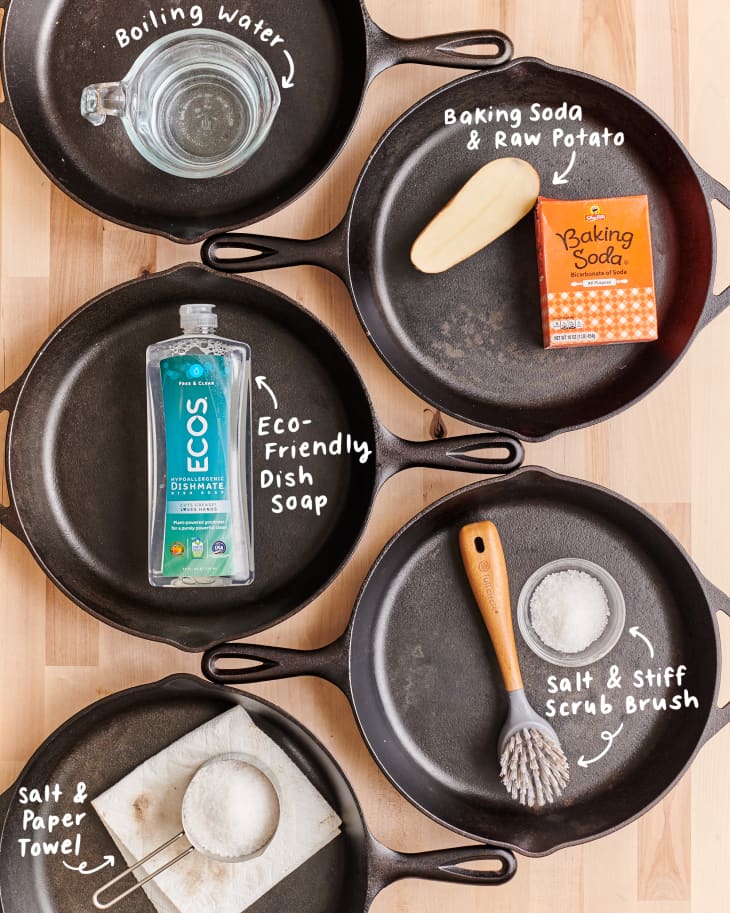
Start by assembling a few basic tools. You’ll need a soft sponge or a scrub brush, coarse salt, and a clean, dry cloth. The salt acts as a mild abrasive to remove food particles without scratching the surface. A small bottle of vegetable oil is also essential for seasoning your pan after cleaning. This helps maintain the non-stick surface and prevents rust. Keep all these items within arm’s reach before you begin.Safety Precautions
Before you dive into cleaning, ensure your pan is cool to the touch. Cleaning a hot pan can cause burns or damage the cast iron. Avoid using soap, as it can strip the seasoning. Instead, rely on salt and water for cleaning. If you must use soap, choose a mild one and rinse thoroughly. Remember, cast iron is heavy. Handle it carefully to prevent dropping and damaging both your cookware and kitchen surfaces. By preparing properly, you set yourself up for cleaning success. Have you ever considered how a bit of prep could make your task easier? Taking these small steps can transform your cleaning routine into a seamless process.Removing Residue And Debris
Gently scrub cast iron cookware with a soft brush to remove residue. Rinse with warm water to clear debris. Dry thoroughly to prevent rust.
Cleaning cast iron cookware might seem like a daunting task at first, but it’s quite simple once you understand the right techniques. One of the most crucial steps is removing residue and debris. This ensures your cookware remains in good condition, preserving its non-stick surface and enhancing its durability. Whether you’re tackling a stubborn layer of food or just some light grime, there’s a method that will suit your needs.Scrubbing Techniques
Start by rinsing your cast iron cookware with warm water. This helps loosen any food particles. Use a stiff brush or a scrub pad specifically designed for cast iron. These tools effectively remove debris without damaging the surface. Avoid using soap as it can strip the seasoning. Instead, rely on the power of hot water and a bit of elbow grease. If you’re worried about stubborn bits, let the pan soak in warm water for a few minutes before scrubbing. Remember, consistency is key. Regular cleaning after each use prevents build-up, making your job easier over time. Do you have a preferred scrubbing tool that works wonders for you?Using Salt For Tough Stains
For tougher stains, coarse salt can be your best friend. Sprinkle a generous amount of salt directly onto the surface of the pan. The salt acts as a mild abrasive, helping to break down stubborn residue. Use a paper towel or a clean cloth to scrub the salt into the pan. You’ll notice the salt picking up the grime as you work it around. Rinse thoroughly with warm water once you’re done. This method is especially useful after cooking meals that leave a sticky residue. Have you ever tried using salt for cleaning? It might just become your go-to technique for tackling those persistent stains. By following these simple steps, you’ll keep your cast iron cookware in pristine condition, ensuring it serves you well for many meals to come. Enjoy the satisfaction of a clean, well-maintained pan that’s ready for your next culinary adventure.Washing And Drying
Cleaning cast iron cookware involves gentle washing with warm water and a soft brush. Dry it thoroughly to prevent rust. Use a small amount of oil to maintain its non-stick surface.
Cleaning cast iron cookware might seem like a daunting task, but it’s surprisingly straightforward once you know the right steps. Washing and drying your cast iron is crucial to maintaining its quality and longevity. Let’s dive into the best practices for keeping your cast iron in top shape.Appropriate Cleaning Solutions
Cast iron cookware requires specific cleaning solutions to preserve its seasoning. Avoid using soap as it can strip the protective layer. Instead, opt for warm water and a gentle scrub with a brush or sponge. If food sticks, sprinkle coarse salt and use a paper towel to scrub. This helps lift stubborn bits without damaging the surface. A well-seasoned cast iron should be easy to clean with minimal effort. Have you found your cast iron easier to clean as it ages?Proper Drying Methods
Drying cast iron properly is just as important as washing it. Never let it air dry, as moisture can lead to rust. After washing, use a clean towel to thoroughly dry every nook and cranny. Place it on a warm stove for a few minutes to ensure all residual moisture evaporates. This step is essential; have you noticed any rust spots when skipping it? Taking these steps ensures your cast iron remains in pristine condition for years. Have you seen the difference in your cookware when you follow these methods consistently?Seasoning Cast Iron
Seasoning cast iron is an essential step in preserving its quality. It creates a natural, non-stick surface on the cookware. This process involves coating the pan with oil and heating it, allowing the oil to bond with the iron. Proper seasoning protects the cookware and enhances its cooking performance.
Why Seasoning Matters
Seasoning prevents rust and corrosion in cast iron cookware. It creates a barrier against moisture, which can damage the iron. A well-seasoned pan improves food flavor and prevents sticking. This process also makes cleaning easier.
Steps To Season Your Cookware
First, clean the cookware thoroughly using hot water. Dry it completely with a towel. Apply a thin layer of vegetable oil to the entire surface. Cover the bottom, sides, and handle. Place the cookware upside down in the oven.
Heat the oven to 375°F (190°C) and bake for one hour. Allow the cookware to cool inside the oven. Repeat this process if necessary. Regular seasoning maintains the cookware’s quality over time.
Credit: www.thekitchn.com
Maintaining Cast Iron
Cleaning cast iron cookware involves simple steps for lasting use. Start by washing gently with warm water and a brush. Avoid using soap to preserve the seasoning. Dry completely to prevent rust. Finish by applying a thin layer of oil before storing.
Regular care keeps your cast iron in top condition.
Maintaining your cast iron cookware is more than just a chore—it’s an investment in culinary excellence. Proper upkeep ensures that your pans and skillets last for generations, preserving the rich flavors and textures they help create. Whether you’re a seasoned chef or a weekend warrior in the kitchen, knowing how to care for your cast iron can elevate your cooking game.Regular Care Tips
Regular maintenance of cast iron cookware is crucial. After each use, wash your pan with warm water and a gentle brush. Avoid using soap or harsh detergents to preserve the seasoning. Once clean, dry the pan thoroughly with a towel. Moisture is cast iron’s enemy, and drying prevents rust. Rub a light layer of vegetable oil onto the surface to maintain its non-stick properties. Store your cookware in a dry place. You might stack them with paper towels in between to protect the seasoning. Consistent care like this keeps your cast iron ready for any culinary challenge.Handling Rust And Damage
Rust can sneak up on your cast iron, but it’s not the end of the world. If you spot rust, scrub it off with steel wool or a stiff brush. Rinse, dry, and then re-season your pan by applying a thin coat of oil and baking it in the oven. For more extensive damage, consider a full re-seasoning. Strip the pan to the bare iron using a lye bath or an oven cleaning cycle. Then, reapply oil and bake at high heat. This process breathes new life into even the most neglected cookware. Have you ever saved a rusty pan? It’s a satisfying experience and a testament to the resilience of cast iron. By addressing rust and damage promptly, you ensure your cookware remains a reliable kitchen companion.Expert Insights
Discover the secrets of cleaning cast iron cookware with ease. Learn effective methods to remove rust and maintain your pans. Keep your cookware in top condition for delicious meals every time.
When it comes to maintaining your cast iron cookware, expert insights can make all the difference in preserving its quality and longevity. From avoiding common pitfalls to adopting tried-and-true techniques, understanding the nuances of cast iron care will ensure your cookware remains a kitchen staple for years. Let’s delve into what the experts say about keeping your cast iron in pristine condition.Common Mistakes To Avoid
Many people mistakenly use soap to clean their cast iron. This can strip away the seasoning, leaving your cookware vulnerable to rust. Instead, use hot water and a stiff brush. Another frequent error is leaving cast iron to air dry. Moisture is cast iron’s enemy. Always dry your pan thoroughly with a towel and then heat it on the stove for a few minutes to remove any remaining moisture. Storing your cookware with the lid on is also a mistake. This traps moisture, which can lead to rust. Keep the lid off or insert a paper towel to absorb moisture.Pro Tips For Longevity
After cleaning, always apply a thin layer of oil to your cookware. This helps maintain the seasoning and prevents rust. Choose oils with a high smoke point like vegetable or canola oil. Season your cast iron regularly. Even if you don’t use it often, a quick seasoning routine can prolong its life. Simply rub it with oil and bake upside down in the oven at 375°F for an hour. Consider using a silicone handle cover. This protects your hands from burns and adds a layer of safety when handling hot cookware. Have you ever thought about what you might be missing in your cast iron care routine? Small tweaks can lead to big improvements. Embrace these expert tips and watch your cookware thrive.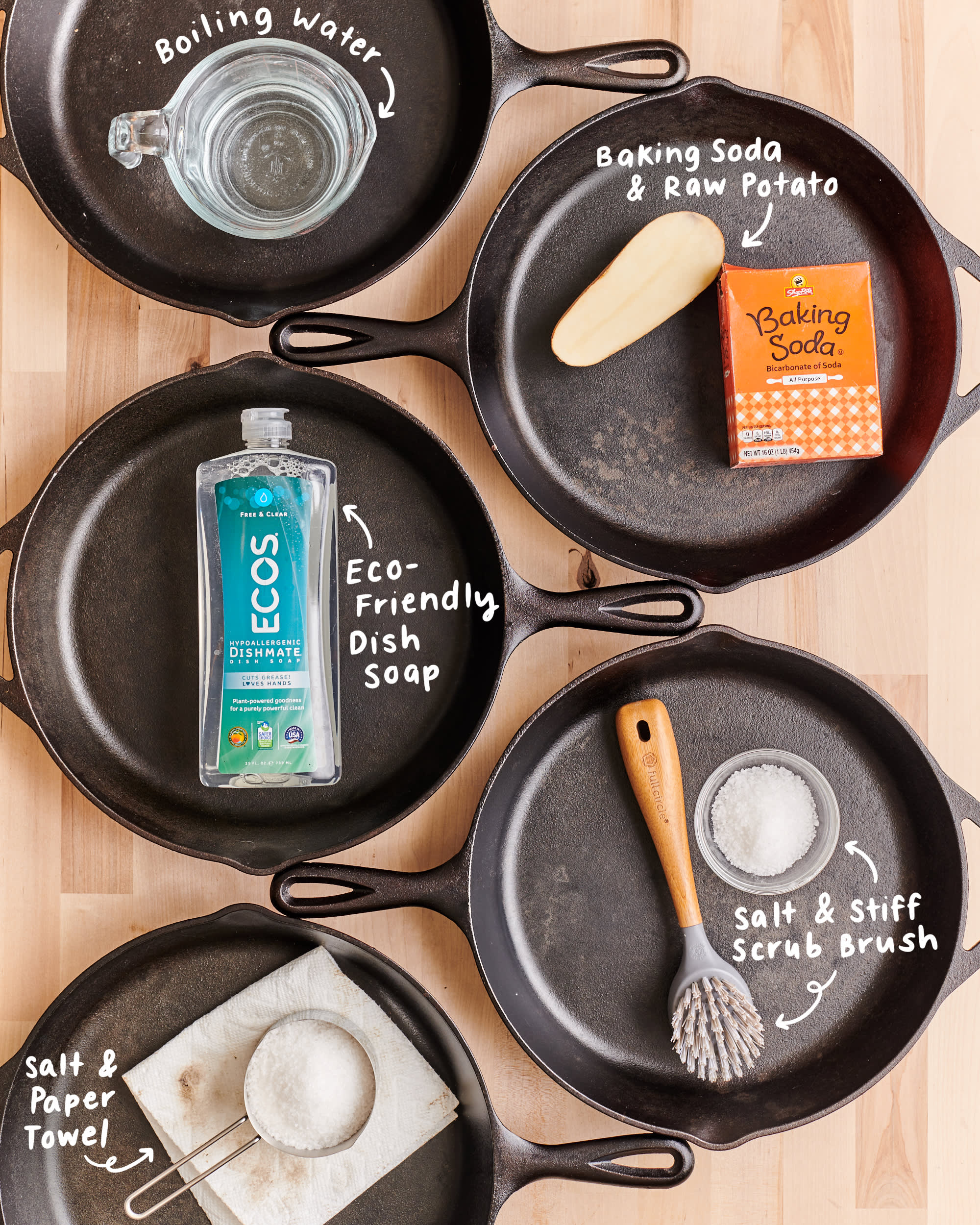
Credit: www.thekitchn.com

Credit: www.youtube.com
Frequently Asked Questions
How Do You Clean A Cast Iron Skillet After Use?
Scrub the skillet with warm water and a sponge. Avoid soap. Dry immediately to prevent rust. Apply a thin layer of vegetable oil to the surface. Store in a dry place. Repeat seasoning as needed for non-stick performance.
How Do I Get The Black Stuff Off My Cast Iron Pan?
Scrub the pan with coarse salt and a non-abrasive sponge. Rinse and dry it thoroughly. Apply a thin layer of oil and heat to re-season. Avoid using soap or steel wool to protect the seasoning. Regular maintenance will keep the pan smooth and ready for cooking.
What Not To Do When Cleaning A Cast Iron Skillet?
Avoid using soap or dishwasher to clean cast iron skillets. Don’t leave it soaking in water. Dry immediately to prevent rust. Skip abrasive scrubbers to maintain seasoning. Avoid storing without drying thoroughly.
How To Clean Burnt Stuff Off A Cast Iron Pan?
Scrub the burnt area with coarse salt and a damp cloth. Rinse thoroughly with warm water. Dry immediately to prevent rust. Apply a thin layer of vegetable oil to preserve the seasoning. For stubborn residue, boil water in the pan, then scrape gently with a spatula.
Avoid soap to maintain seasoning.
Conclusion
Caring for cast iron cookware is simple with the right steps. Start with gentle scrubbing. Rinse well, dry completely. Season it to protect from rust. Avoid soap, it can strip the seasoning. Use salt for tough spots. Maintenance is key.
Keep it dry and oiled. This way, your cast iron lasts for years. Cooking becomes joy with well-kept tools. Remember, practice makes perfect. Soon, cleaning will be second nature. Enjoy the rich flavors and durability cast iron offers. Happy cooking and cleaning!