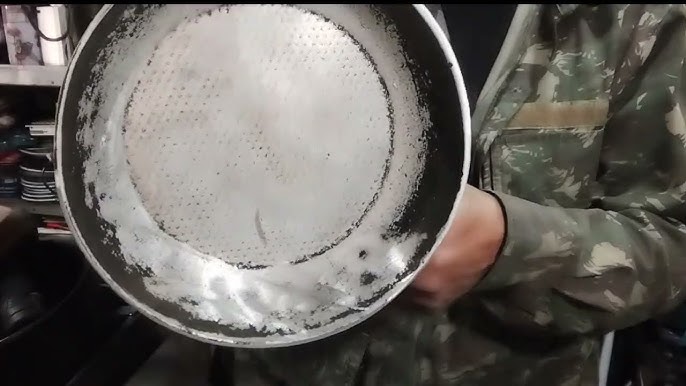
If you love cooking with cast aluminum cookware, you know how important it is to keep it clean and in great shape. But sometimes, cleaning it can feel tricky or time-consuming.
What if there was an easy way to make your cookware shine like new without any hassle? You’ll discover simple, effective methods to clean your cast aluminum pots and pans. Follow these tips, and you’ll keep your cookware looking fantastic while cooking your favorite meals.
Ready to make your kitchen routine easier and more enjoyable? Let’s dive in!

Credit: food52.com
Choosing The Right Cleaning Tools
Cleaning cast aluminum cookware needs care. Using the right tools keeps the surface safe and shiny.
Choose tools that clean well without scratching or damaging the metal.
Soft Sponges And Brushes
Soft sponges and brushes remove dirt without harming the cookware. They clean gently and reach small spaces.
Use sponges made of cellulose or soft foam. Brushes with soft nylon bristles work well.
- Soft cellulose sponges
- Foam sponges
- Soft nylon-bristle brushes
Avoiding Abrasive Materials
Abrasive tools can scratch cast aluminum surfaces. Scratches damage the cookware and affect cooking.
Do not use steel wool, hard scrubbing pads, or metal brushes. These can leave marks and reduce the cookware’s life.
- Do not use steel wool
- Avoid hard scrubbing pads
- Skip metal brushes
Recommended Cleaning Agents
Choose mild cleaning agents that clean well without harming the aluminum. Harsh chemicals can cause damage.
Use dish soap or baking soda mixed with water. These clean grease and stains safely.
- Mild dish soap
- Baking soda paste (baking soda and water)
- White vinegar diluted with water (for tough stains)
Daily Cleaning Routine
Cleaning cast aluminum cookware after each use keeps it in good shape. A regular routine helps prevent damage and stains.
Follow simple steps to wash, remove stuck food, and dry your cookware safely every day.
Washing After Each Use
Wash your cast aluminum cookware with warm water and mild dish soap. Use a soft sponge or cloth to avoid scratches.
Rinse well to remove all soap and food particles. Avoid harsh detergents or steel wool pads.
Handling Stubborn Food Residue
Soak the cookware in warm, soapy water for 10-15 minutes to loosen stuck food. This makes cleaning easier.
Use a soft brush or non-abrasive pad to gently scrub away residue. Do not use metal scouring pads.
- Fill the cookware with warm water and soap
- Let it soak for 10-15 minutes
- Scrub gently with a soft brush or sponge
- Rinse thoroughly
Drying Techniques To Prevent Rust
After washing, dry your cookware immediately with a soft towel. This stops water spots and rust from forming.
You can also warm the cookware on low heat to fully evaporate any leftover moisture.
- Use a clean, dry towel to wipe the cookware
- Place cookware on low heat for a few minutes
- Store in a dry place to avoid moisture buildup
Deep Cleaning Methods
Cast aluminum cookware needs deep cleaning to keep it safe and shiny. Dirt and stains can build up over time. Using the right methods helps restore your cookware.
This guide covers three effective ways to deep clean cast aluminum cookware. Follow these simple steps for the best results.
Using Baking Soda And Vinegar
Baking soda and vinegar are gentle but strong cleaners. They remove grease and stuck-on food without harming the metal.
- Sprinkle baking soda over the cookware surface.
- Pour vinegar slowly to create fizzing action.
- Let it sit for 10 to 15 minutes.
- Scrub gently with a soft sponge or brush.
- Rinse well with warm water and dry.
Soaking Techniques For Tough Stains
Soaking helps soften tough stains and burnt spots. It makes cleaning easier and prevents scratching the cookware.
| Soaking Solution | Duration | Purpose |
| Warm water with dish soap | 30 minutes | Loosen grease and food bits |
| Water with lemon juice | 1 hour | Break down mineral deposits |
| Baking soda paste in water | 2 hours | Soften burnt residue |
Removing Discoloration And Stains
Discoloration on cast aluminum can look dull or stained. Use safe methods to restore the metal’s natural shine.
- Make a paste with equal parts cream of tartar and water.
- Apply paste on stained areas and let sit for 20 minutes.
- Rub gently using a soft cloth or sponge.
- Rinse thoroughly with warm water.
- Dry the cookware completely to avoid water spots.
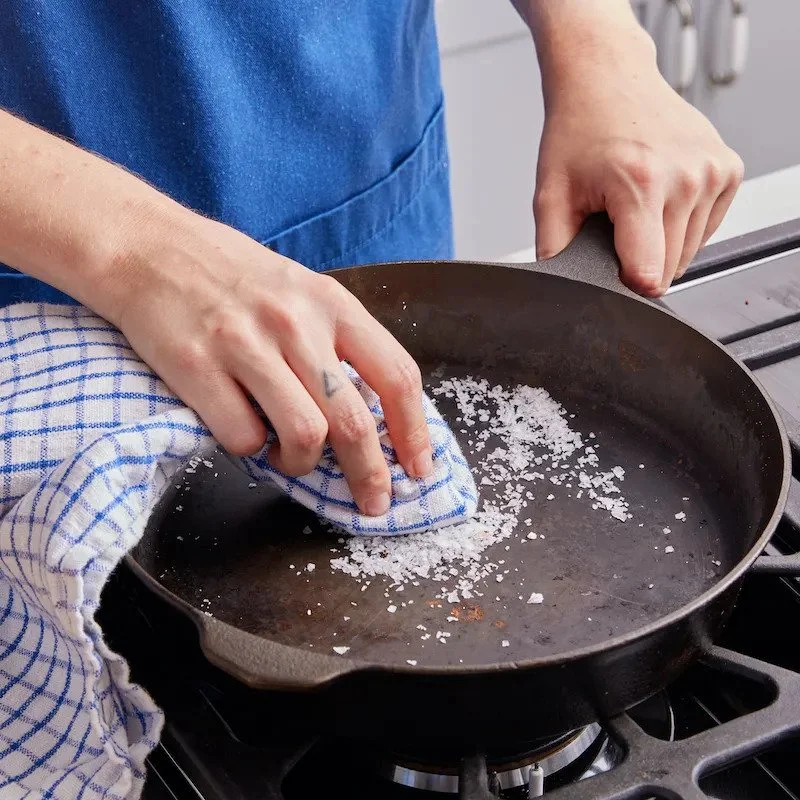
Credit: blog.blueapron.com
Maintaining Seasoning On Cast Aluminum
Seasoning helps protect cast aluminum cookware from rust and sticking. It creates a smooth, non-stick surface.
Proper care keeps the seasoning strong and your cookware lasting longer. Learn how to maintain and renew seasoning.
Why Seasoning Matters
Seasoning forms a protective layer on cast aluminum. It prevents food from sticking and stops the metal from rusting.
Without seasoning, the cookware can lose its non-stick quality and may become damaged over time.
Reapplying Seasoning
Reapply seasoning when the surface looks dull or food starts sticking. Clean the cookware first with warm water and mild soap.
- Dry the cookware completely.
- Apply a thin layer of oil all over the surface.
- Heat it on low heat for 30 minutes.
- Let it cool before wiping off excess oil.
Best Oils For Seasoning
| Oil Type | Smoke Point | Notes |
|---|---|---|
| Flaxseed Oil | 225°C (437°F) | Dries to a hard, durable coating |
| Canola Oil | 204°C (400°F) | Easy to find, good for beginners |
| Vegetable Oil | 205°C (401°F) | Common and affordable |
| Grapeseed Oil | 216°C (421°F) | Neutral flavor, high smoke point |
Common Mistakes To Avoid
Cleaning cast aluminum cookware is easy if you avoid common mistakes. These errors can damage the cookware or reduce its lifespan.
Follow simple tips to keep your cookware in good shape and safe to use for years.
Using Harsh Chemicals
Strong cleaning chemicals can harm the surface of cast aluminum cookware. They may cause discoloration or corrosion over time.
Use mild soaps and warm water instead. Avoid bleach, ammonia, or abrasive cleaners.
- Harsh chemicals remove protective coating
- They make cookware prone to stains and damage
- Gentle cleaning keeps the aluminum smooth and safe
Soaking For Too Long
Leaving cast aluminum cookware soaked in water for many hours can cause damage. The metal may start to weaken or discolor.
Soak the cookware only for short times if needed. Quickly wash and dry after soaking.
- Long soaking causes water spots and stains
- It can lead to corrosion on cast aluminum
- Dry cookware thoroughly after washing
Dishwasher Usage
Dishwashers can be harsh on cast aluminum cookware. The strong detergents and high heat may damage the metal.
Hand wash your cookware to keep its finish and performance. This helps it last longer and stay safe for cooking.
- Dishwasher detergents can dull the surface
- High heat may warp or discolor the cookware
- Hand washing protects the cookware’s quality

Credit: gourmetkitchenworks.com
Storage Tips For Longevity
Cast aluminum cookware needs proper care to last a long time. Storing it right keeps it in good shape. This guide shares simple tips to protect your cookware.
Follow these storage tips to avoid damage and keep your cookware ready for use.
Proper Drying Before Storage
Always dry cast aluminum cookware fully before putting it away. Water left on the surface can cause spots or corrosion. Use a soft towel to remove all moisture.
Air drying is good, but make sure the cookware is completely dry before storage. Moisture can hide in crevices and cause damage over time.
Avoiding Moisture Build-up
Moisture can build up inside stored cookware and cause rust or stains. Keep the storage area dry and well ventilated. Use moisture absorbers if needed.
- Store cookware in a dry cabinet or shelf
- Place silica gel packets near the cookware
- Open cabinet doors occasionally for air flow
- Keep cookware lids slightly ajar to let air in
Safe Stacking Practices
Stacking cast aluminum cookware incorrectly can cause scratches or dents. Use soft liners or cloth between pieces to protect the surface.
| Tip | Description |
| Use Liners | Place paper towels or cloth between stacked pots and pans |
| Stack by Size | Put larger, heavier items on the bottom |
| Avoid Overstacking | Do not stack too many items to prevent warping |
| Store Lids Separately | Keep lids upright or in a separate rack to avoid pressure |
Frequently Asked Questions
How Do I Remove Stains From Cast Aluminum Cookware?
Use a mixture of warm water, mild dish soap, and a soft sponge. Avoid abrasive cleaners to prevent scratching. For stubborn stains, try a paste of baking soda and water, then gently scrub and rinse thoroughly.
Can I Use Vinegar To Clean Cast Aluminum Cookware?
Yes, diluted vinegar helps remove discoloration and mineral deposits. Mix equal parts vinegar and water, soak the cookware for 10 minutes, then rinse and dry. Avoid prolonged exposure to prevent damage to the aluminum surface.
Is It Safe To Clean Cast Aluminum Cookware In A Dishwasher?
No, dishwashers can cause discoloration and damage the finish. Hand washing with mild soap and a soft sponge is recommended to maintain the cookware’s quality and longevity.
How Do I Prevent Cast Aluminum Cookware From Oxidizing?
Dry the cookware completely after washing to prevent moisture buildup. Store in a dry place and occasionally apply a light coat of cooking oil to protect the surface from oxidation.
Conclusion
Cleaning cast aluminum cookware takes just a few simple steps. Use gentle soap and a soft sponge to avoid damage. Avoid harsh scrubbers that can scratch the surface. Dry the cookware fully to stop rust or stains. Regular care keeps your pots and pans looking great.
Enjoy cooking with clean and well-maintained cookware every time. Small efforts make a big difference in the kitchen. Keep your cast aluminum shiny and ready for your next meal.