How to Build a Kitchen Storage Pantry: Expert Tips
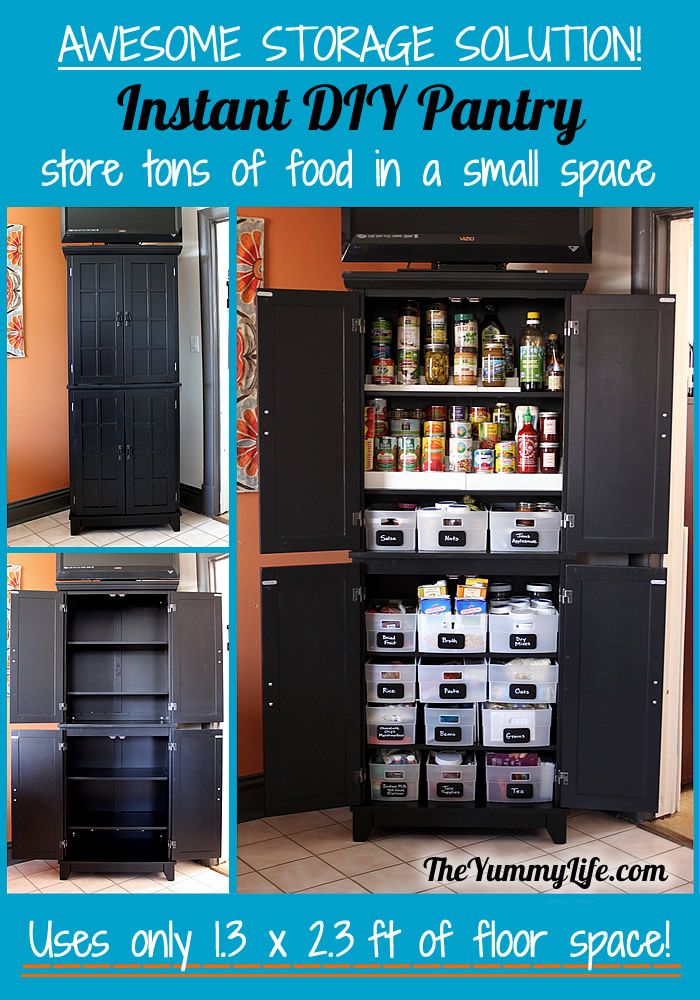
Imagine walking into your kitchen and finding everything perfectly organized. No more struggling to find that elusive spice or digging through cluttered drawers for a baking sheet.
A well-designed kitchen storage pantry can transform chaos into calm, making your cooking experiences more enjoyable and efficient. But how do you build one that fits your unique needs? This article will guide you step-by-step, offering practical tips and clever ideas to help you create a pantry that’s not only functional but also a joy to use.
You might be surprised at how simple it can be to maximize your kitchen space, giving you the freedom to store more and stress less. Ready to discover the secrets to a perfectly organized pantry? Let’s dive in!

Credit: www.bhg.com
Choosing The Right Location
Selecting the best spot for a kitchen storage pantry involves considering accessibility and space efficiency. Ensure the location is near cooking areas to streamline meal preparation. Prioritize areas with natural light for easy visibility of stored items.
Building a kitchen storage pantry is an exciting project that can transform the way you organize and utilize your kitchen space. One of the most important steps in this process is selecting the right location for your pantry. The spot you choose can significantly affect its functionality and your daily routine. Let’s explore how you can make this decision wisely.
Assessing Space Availability
Start by evaluating the space you have in your kitchen. Take a look around, and identify any underutilized corners or areas that could serve as potential pantry spots. Consider spaces like empty wall sections, or even that awkward space between the fridge and the wall. You might be surprised at how much potential you find in spaces you usually overlook. Measure these areas carefully. Knowing the dimensions helps you plan the pantry’s layout and ensures everything fits perfectly.
Optimal Areas For A Pantry
Now, think about the most convenient locations for your pantry. Proximity to cooking areas is crucial. You want your pantry to be easily accessible when you’re whipping up a meal. Consider placing your pantry near the stove or kitchen island. This way, you can grab ingredients without running across the kitchen. Also, think about the lighting in these areas. A well-lit pantry is a joy to use. Natural light can make it easier to spot items and adds a welcoming touch to your kitchen space. Choosing the right location for your pantry doesn’t just depend on space and convenience. It’s also about enhancing your kitchen’s functionality and making your cooking experience more seamless. Where would you want your pantry for maximum efficiency?
Designing The Layout
Designing a kitchen storage pantry involves planning efficient use of space. Arrange shelves for easy access to items. Ensure clear labeling to avoid clutter and maintain organization.
Designing the layout of your kitchen storage pantry is a crucial step in creating an efficient and organized space. A well-thought-out layout can transform your pantry into a functional area that meets your storage needs seamlessly. Whether you’re working with a small nook or a spacious room, careful planning will make all the difference.
Determining Storage Needs
Begin by assessing what you need to store. Do you have a collection of spices, oversized appliances, or bulk food items? Make a list of these items, grouping them by type or frequency of use. This will help you decide how much space to allocate for each category. Think about your daily routine. What items do you reach for most often? Plan for easy access to these essentials.
Incorporating Shelving And Cabinets
Consider adjustable shelving for flexibility. This allows you to modify heights to fit various items, from cereal boxes to canned goods. Install pull-out drawers or baskets for smaller, frequently used items. These make it easy to see everything at a glance, reducing the time spent searching. If you have tall items, think about vertical storage. Tall cabinets or wall-mounted shelves can maximize space without cluttering your floor area. When I redesigned my pantry, I realized I was constantly rummaging for my go-to ingredients. By adding pull-out shelves, I saved time and reduced frustration. What specific changes can make your kitchen more efficient? Think about how a few tweaks can streamline your daily routine.
Material Selection
Selecting the right materials is key in building a kitchen storage pantry. Choose durable wood or metal for shelves. Opt for moisture-resistant materials to prevent damage.
Selecting the right materials for your kitchen storage pantry is crucial. It affects the functionality, durability, and aesthetic appeal of your space. Let’s dive into some practical choices that can enhance your pantry’s performance and environmental footprint.
Durable Shelving Options
When choosing shelving, durability should be a top priority. Solid wood is a classic choice, known for its strength and timeless appeal. But if you’re looking for something resistant to moisture and warping, consider stainless steel or wire shelving. In my own kitchen, I opted for adjustable metal shelves. They can hold heavy items and are easy to clean. You might find this flexibility beneficial, especially if your storage needs change over time. Another option to think about is laminate shelving. It’s affordable and comes in various finishes. Ensure you select high-quality laminate to avoid chipping or peeling.
Eco-friendly Material Choices
Are you concerned about the environment? Eco-friendly materials can be a great choice for your pantry. Bamboo is a sustainable option that grows quickly and looks fantastic. It’s strong and offers a sleek, modern feel. Reclaimed wood is another excellent choice. Using it reduces waste and adds a rustic charm to your kitchen. Each piece is unique, telling its own story through knots and grains. Consider using recycled metal for shelving brackets or supports. It’s durable and aligns with eco-conscious values. These small decisions can make a significant impact on reducing your kitchen’s carbon footprint. Material selection is more than just an aesthetic choice; it’s about creating a functional and responsible space. What materials will you choose for your pantry?
Organizational Strategies
Crafting a kitchen storage pantry requires careful planning. Consider available space and storage needs. Use shelves and bins for organization. Label jars and containers for easy access. Keep items you use most frequently within reach.
Organizational Strategies Creating an efficient kitchen storage pantry is more than just putting items on shelves. It’s about making your space work for you. Organizational strategies can transform a cluttered pantry into a streamlined haven, saving you time and reducing stress. You’ll find that a well-organized pantry not only looks great but also enhances your cooking experience. Dive into these strategies to maximize your pantry space and make cooking a joy.
Utilizing Containers And Baskets
Containers and baskets are your pantry’s best friends. They keep similar items together, making it easier to find what you need. Clear containers are particularly useful as they allow you to see the contents at a glance. This prevents you from buying duplicates and saves money. Think about the sizes you need. Smaller containers work for spices, while larger ones are perfect for pasta or cereals. Baskets can be great for grouping snacks or baking supplies. I once grouped all my baking ingredients in a single basket and found that baking was much more enjoyable and less chaotic.
Labeling For Easy Access
Labels are essential for a well-organized pantry. They help everyone in the household know where things belong. This simple step can save time and reduce frustration. You’ll no longer need to search for that elusive bag of flour or wonder if it’s sugar or salt. Consider using a label maker for a neat look. Chalkboard labels can add a rustic charm, while printable labels are quick and easy. Include the name and expiration date on the label. A friend of mine started labeling her pantry items and was amazed at how much smoother her meal prep became. Do you find yourself constantly searching for items in your pantry? Implement these organizational strategies and transform your pantry into a functional and inviting space. What techniques will you try today?
Maximizing Space
Creating a kitchen storage pantry maximizes space effectively. Shelves offer organized spots for jars, cans, and dry goods. Utilize vertical space with wall-mounted racks for efficient storage.
Maximizing space in your kitchen storage pantry isn’t just about squeezing more into a small area; it’s about creating an organized, efficient, and easily accessible space. You’ve probably experienced the frustration of reaching for a jar of spices and knocking over a pile of cans. It doesn’t have to be this way. With a few strategic changes, your pantry can become a haven for your culinary essentials.
Vertical Storage Solutions
Have you ever looked at the empty space above your shelves and thought, “What a waste!”? Using vertical storage solutions can turn that wasted space into useful storage. Consider installing adjustable shelving or using stackable containers. These options allow you to make the most of your pantry’s height. Wall-mounted racks are another excellent idea. They can hold spices, baking sheets, or even utensils. Think of them as your pantry’s secret weapon, keeping items you use regularly within easy reach.
Sliding And Pull-out Features
Imagine pulling out a shelf to see every item clearly without having to dig through layers of clutter. Sliding and pull-out features can make this a reality. They provide easy access to items stored at the back, minimizing the hassle of reaching deep into your pantry. Consider pull-out drawers for storing snacks or canned goods. They’re perfect for those items that tend to get lost in the depths of the pantry. Sliding shelves can be particularly useful for heavy pots and pans. They allow you to grab what you need without straining your back. By integrating these features, you not only enhance your pantry’s functionality but also add a touch of modernity. Ask yourself, how often do you wish you could easily access that one elusive item? These solutions might just be the answer to your pantry woes.

Credit: www.youtube.com

Similar Posts


