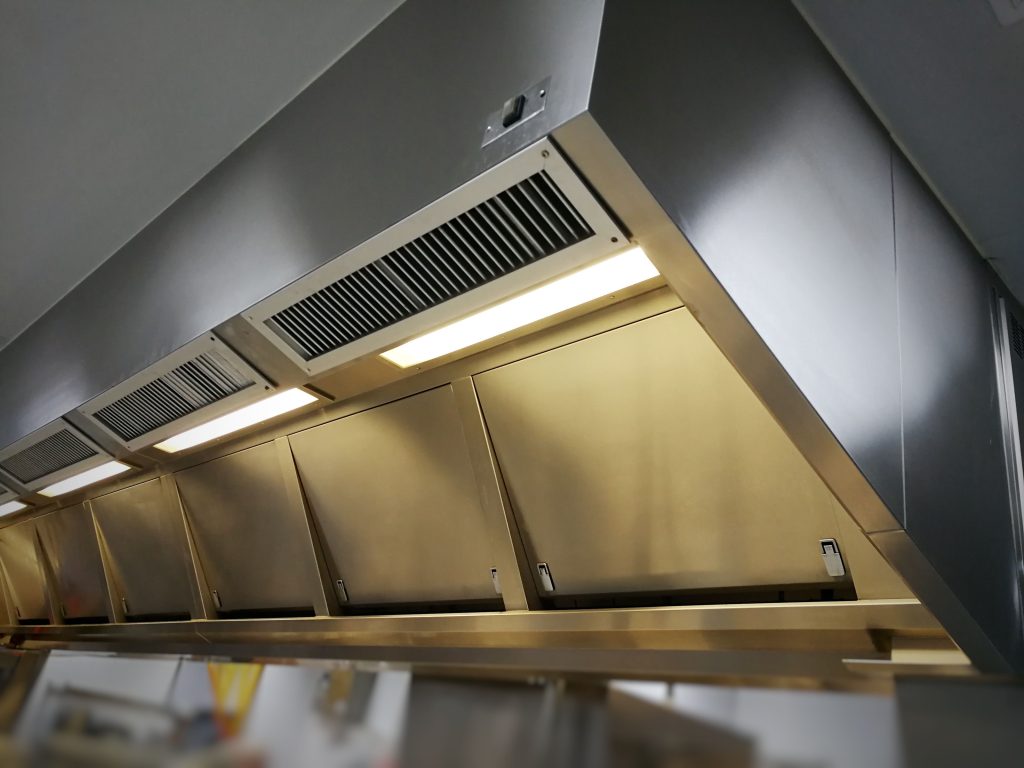
Your kitchen is the heart of your home, bustling with delicious aromas and flavors. But behind the scenes, there’s an unsung hero working tirelessly to keep the air fresh and clean – your kitchen exhaust ductwork.
You might not think about it often, but neglecting this crucial component can lead to a range of issues, from unpleasant odors to potential fire hazards. So, how often should you clean your kitchen exhaust ductwork to ensure it’s functioning at its best?
By understanding the ideal cleaning schedule, you can protect your home and enjoy a safer, healthier cooking environment. Discover the secrets to maintaining a pristine kitchen and avoid the hidden dangers lurking in your ductwork. Keep reading to uncover essential tips that could save you time, money, and peace of mind.
Importance Of Cleaning Exhaust Ductwork
Cleaning kitchen exhaust ductwork is essential to prevent fire hazards and maintain air quality. Experts recommend cleaning every three to six months, depending on usage. Regular maintenance ensures efficient airflow and reduces the risk of grease buildup.
Cleaning your kitchen exhaust ductwork is more than just a routine chore—it’s a critical practice for maintaining a safe and efficient kitchen. Whether you’re a home cook or a restaurant owner, keeping those ducts free from grease and grime is essential. Not only does it help in preventing fire hazards, but it also ensures that your cooking area remains a healthy place to prepare meals.Why Clean Kitchen Exhaust Ductwork Regularly?
Regular cleaning of your kitchen exhaust ductwork reduces the risk of fire. Grease buildup is highly flammable, and if left unchecked, it can ignite with a simple spark. Imagine your kitchen becoming a fire hazard just because of neglected ductwork. Regular cleaning is a straightforward preventive measure.Enhancing Air Quality
Clean ducts improve the air quality in your kitchen. When grease accumulates, it can release odors and particles back into your cooking space. This not only makes the kitchen unpleasant but can also affect your health. A clean exhaust system ensures that smoke, steam, and smells are efficiently removed.Boosting Efficiency
Keeping your exhaust system clean allows it to operate at peak performance. A clogged duct has to work harder, which can lead to increased energy consumption and higher utility bills. Maintaining a clean system can help you save money and energy over time.Prolonging Equipment Lifespan
Dirty ductwork can strain your exhaust fan and other components. Regular cleaning helps prevent wear and tear on these parts, extending their lifespan. It’s a small investment of time and effort that can lead to significant savings in repair or replacement costs.How Often Should You Clean?
Consider the frequency of your kitchen use. If you cook daily or run a commercial kitchen, more frequent cleaning is essential. A home kitchen might need cleaning every six months, while a restaurant might require monthly maintenance. Think about your cooking habits and adjust accordingly. Have you ever noticed how a clean kitchen just feels better? Take a moment to think about your own kitchen and what it might need. Are your ducts overdue for a cleaning?Factors Influencing Cleaning Frequency
Kitchen exhaust ductwork cleaning depends on cooking frequency and type. Busy kitchens with heavy grease need regular cleaning. Regular maintenance prevents fire hazards and ensures efficient ventilation.
Cleaning your kitchen exhaust ductwork is crucial for maintaining a safe and efficient cooking environment. But how often should you do it? The answer isn’t one-size-fits-all. Several factors influence the cleaning frequency. Understanding these can help you create a more effective maintenance schedule, keeping your kitchen safe from fire hazards and improving air quality.Type Of Cooking Operations
The nature of your cooking operations plays a significant role. If you run a commercial kitchen, you likely deal with more grease and smoke than a home kitchen. Fast-food restaurants, for example, require more frequent cleaning due to high grease production. On the other hand, if your cooking operations involve more baking or steaming, you might not need to clean as often.Volume Of Cooking
The amount of food you cook also impacts how often you should clean your exhaust. A bustling restaurant that serves hundreds of meals a day will accumulate grease faster than a small café. Even at home, a family that cooks daily meals will need more frequent cleaning compared to someone who cooks occasionally. Think about how often you cook and adjust your cleaning schedule accordingly.Type Of Fuel Used
The type of fuel you use in your kitchen also matters. Gas stoves tend to produce more grease and smoke than electric ones. This means that kitchens using gas may need more frequent cleaning. If you’re using charcoal or wood, the frequency might increase even more due to the additional soot and debris. Consider your fuel type as a key factor in planning your cleaning routine. Assessing these factors can help you determine how often your kitchen exhaust ductwork needs attention. It’s not just about following a set timeline but adapting to your specific situation. Have you considered all these aspects in your cleaning plan? Keeping your kitchen safe and efficient might be simpler than you think.Signs That Ductwork Needs Cleaning
Regular cleaning of kitchen exhaust ductwork is essential for safety and efficiency. Identifying signs of dirt and debris can prevent potential hazards. Understanding these indicators helps maintain a clean and functional kitchen environment.
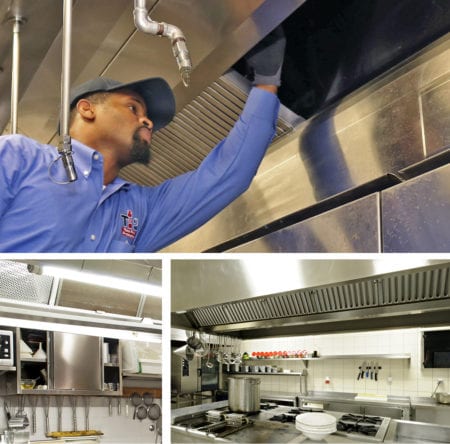
Visible Grease Build-up
Grease accumulation on ductwork surfaces is a clear sign of neglect. This build-up can restrict airflow and increase fire risk. Regular inspection helps in spotting excessive grease, ensuring timely cleaning.
Unpleasant Odors
Lingering odors often indicate ductwork needs attention. Stale or foul smells suggest trapped particles are decomposing. Clean ducts eliminate unwanted scents, enhancing kitchen comfort.
Reduced Ventilation Efficiency
Noticeable decrease in ventilation efficiency signals clogged ducts. Poor airflow affects cooking performance and air quality. Maintaining clean ducts ensures optimal ventilation and reduces energy use.
Credit: www.tfp1.com
Recommended Cleaning Intervals
Keeping kitchen exhaust ductwork clean is crucial for safety and efficiency. Regular cleaning removes grease and debris, preventing fire hazards and ensuring proper ventilation. Cleaning intervals vary based on usage and type of kitchen. Both residential and commercial kitchens have different needs. Understanding recommended cleaning intervals helps maintain a safe and functional kitchen environment.
Residential Kitchens
Residential kitchens require less frequent cleaning compared to commercial ones. Home cooking typically involves less grease buildup. Experts suggest cleaning exhaust ductwork every six months. If you cook frequently or use a lot of oil, clean every three months. Regular inspections help identify buildup early. This ensures ducts function efficiently and safely.
Commercial Kitchens
Commercial kitchens need more frequent ductwork cleaning. High-volume cooking leads to rapid grease accumulation. Cleaning intervals depend on the type of cuisine and kitchen activity. Fast-food restaurants should clean ducts monthly. Other commercial kitchens may require cleaning every three months. Regular maintenance prevents fire hazards and ensures optimal air quality. Compliance with health and safety regulations is crucial for businesses.
Benefits Of Regular Cleaning
Regular cleaning of kitchen exhaust ductwork offers numerous benefits. Over time, grease and dirt accumulate, impacting performance and safety. Keeping ductwork clean ensures a healthier environment and prevents costly repairs.
Improved Air Quality
Clean ductwork improves indoor air quality. It reduces smoke and odors in the kitchen. This enhances comfort for everyone. Airborne pollutants decrease with regular maintenance. Breathing becomes easier and safer.
Enhanced Fire Safety
Grease buildup poses fire risks. Regular cleaning minimizes this danger. It reduces potential fire hazards significantly. Clean ducts improve overall kitchen safety. Fire prevention starts with proper maintenance.
Extended Equipment Lifespan
Clean exhaust systems work more efficiently. This reduces strain on kitchen equipment. Less wear and tear occur over time. Equipment lasts longer with regular cleaning. Save money on repairs and replacements.
Credit: www.hoodmart.com
Professional Vs. Diy Cleaning
Cleaning kitchen exhaust ductwork is essential for safety and hygiene. Deciding between professional and DIY cleaning can be challenging. Each option has distinct benefits and drawbacks. Understanding these can help make the right choice.
Advantages Of Professional Services
Professional cleaners bring expertise and experience to the task. They have specialized equipment for thorough cleaning. Their work often includes detailed inspection. This helps identify potential issues early. Professionals follow industry standards and regulations. This ensures safety and compliance. Hiring experts saves time and effort. It also reduces stress and potential risks.
Steps For Diy Cleaning
DIY cleaning requires some basic tools. First, ensure safety by turning off power. Next, remove the exhaust fan cover. Clean it with warm, soapy water. Use a brush to scrub the fan blades. Be gentle to avoid damage. Rinse and dry the parts thoroughly. Check the duct for grease and debris. Use a vacuum with a hose attachment. Clean the duct interior carefully. Finally, reassemble the exhaust system. Test the fan to ensure it works well.
Choosing The Right Cleaning Service
Regular cleaning of kitchen exhaust ductwork is crucial for safety and efficiency. Experts suggest cleaning every three to six months. This frequency helps prevent fire hazards and maintains good air quality.
Choosing the right cleaning service for your kitchen exhaust ductwork is crucial to maintain a safe and efficient kitchen environment. A professional service can prevent potential fire hazards and ensure that your kitchen remains a healthy space for your family or business. Selecting the right team requires careful consideration and asking the right questions.Criteria For Selecting Professionals
When considering a cleaning service, look for experience and expertise. Ensure the company has a proven track record in handling kitchen exhaust systems similar to yours. A well-established service with positive reviews speaks volumes about their capability. Check if the service is certified and adheres to industry standards. Certifications from organizations such as the National Air Duct Cleaners Association (NADCA) can indicate a high level of professionalism. This ensures the team is knowledgeable about the latest cleaning techniques and safety regulations. Do they offer tailored services? Every kitchen is unique, and your ductwork might require specific cleaning methods. A service that assesses your kitchen’s needs before starting the work shows dedication and attention to detail.Questions To Ask Service Providers
Start by asking about their cleaning process. What methods do they use, and how do they ensure thoroughness? Understanding their approach helps you gauge if it aligns with your expectations. Inquire about their experience with similar ductwork systems. Have they worked with residential or commercial kitchens like yours? Their familiarity with your type of system can influence the quality of their service. Ask about their pricing structure. Is there a flat fee, or do they charge based on the size and condition of the ductwork? Clear pricing avoids unexpected costs and helps you budget accordingly. Have you ever faced service delays due to unexpected issues? How did they handle it? This question can reveal their problem-solving abilities and commitment to customer satisfaction. Choosing the right cleaning service might seem daunting, but by focusing on these key areas, you can make an informed decision that protects your kitchen and gives you peace of mind. What criteria matter most to you when selecting a service provider?Maintenance Tips Between Cleanings
Kitchen exhaust ductwork should be cleaned every three to six months. Regular cleaning prevents grease buildup and fire hazards. In between cleanings, wipe down surfaces weekly and check for blockages.
Keeping your kitchen exhaust ductwork clean is crucial for maintaining a safe and efficient cooking environment. But what should you do between those regular cleanings to ensure everything runs smoothly? Here are some maintenance tips that can help you keep your kitchen exhaust system in top shape.Regular Inspection Routine
Regular inspections can save you a lot of headaches down the line. Set a schedule to check your exhaust system every few weeks. Look for signs of grease build-up or any obstructions. Does the system make unusual noises? Is the airflow weaker than usual? These can be early indicators of issues that need attention. Catching problems early can prevent costly repairs.Simple Cleaning Techniques
You don’t always need a professional to keep your exhaust ductwork clean. Sometimes, a bit of DIY can go a long way. Use a damp cloth to wipe down the exterior of the exhaust hood weekly. This helps prevent grease build-up that can be hard to remove later. For the filters, soak them in hot, soapy water and scrub gently. Think about it: If you don’t clean the filters, they can’t do their job properly. Would you want that grease circulating back into your kitchen?Are You Missing Something?
Regular maintenance between cleanings is essential, but are you missing something? Have you considered the impact of neglecting these practices on your kitchen’s air quality and safety? Ask yourself, is it worth the risk? A little effort now can save a lot of trouble later.
Credit: www.youtube.com
Frequently Asked Questions
How Often Should I Clean My Kitchen Exhaust Duct?
Clean your kitchen exhaust duct every six months. Regular cleaning prevents grease buildup and ensures safety. For busy kitchens, consider quarterly cleaning. Proper maintenance enhances airflow and extends the duct’s lifespan. A clean exhaust duct also improves air quality and reduces fire hazards.
Always follow professional guidelines for best results.
How Often Should You Clean Vent Ducts?
Clean vent ducts every 3 to 5 years for optimal air quality. Homes with pets or allergies might need more frequent cleaning. Regular maintenance helps improve HVAC efficiency and reduce health risks. Always consult professionals for a thorough inspection and cleaning.
How To Clean A Kitchen Exhaust Vent?
Remove the vent cover and soak it in warm, soapy water. Scrub with a brush to eliminate grime. Clean the vent interior using a damp cloth. Dry thoroughly before reassembly. Regular cleaning ensures efficient airflow and prevents grease buildup.
How Much Does It Cost To Clean A Hood Exhaust?
Hood exhaust cleaning costs range from $150 to $500, depending on size, complexity, and location. Regular maintenance helps prevent costly repairs. Always hire professionals for thorough cleaning and compliance with safety standards. Obtain quotes from different providers to ensure competitive pricing and quality service.
Conclusion
Regular cleaning of kitchen exhaust ductwork ensures a safe environment. Grease buildup can cause fires. So, schedule cleaning every three to six months. Professional cleaning services offer thorough inspections. This helps maintain efficiency and safety. Clean ducts also improve air quality.
Bad odors reduce when ducts are clean. Regular maintenance saves money in the long run. It avoids costly repairs. Always prioritize safety in your kitchen. A clean exhaust system is essential. Keep your kitchen safe and fresh. Follow these guidelines for a worry-free cooking space.