Are you wondering if your kitchen RO filter needs maintenance? You’re not alone.
Many people rely on these filters for clean, safe drinking water but aren’t sure how to keep them working well. If you want to avoid costly repairs and enjoy fresh water every day, understanding the maintenance your RO filter requires is key.
Keep reading to discover simple steps you can take to protect your filter and ensure your water stays pure.
How Kitchen Ro Filters Work
Kitchen RO filters clean water by removing harmful substances. This process makes the water safe and tasty for drinking.
The filters use a special membrane that separates clean water from impurities. This helps to remove many contaminants.
Basic Filtration Process
The filtration process in a kitchen RO system follows several key steps. Each step removes different types of impurities.
- Water first passes through a sediment filter. This removes dirt, sand, and rust.
- Next, the water goes through a carbon filter. This removes chlorine and bad odors.
- The water then moves through the RO membrane. This membrane blocks bacteria, viruses, and dissolved salts.
- Finally, water may pass through a post-carbon filter to improve taste.
Key Components Of Ro Systems
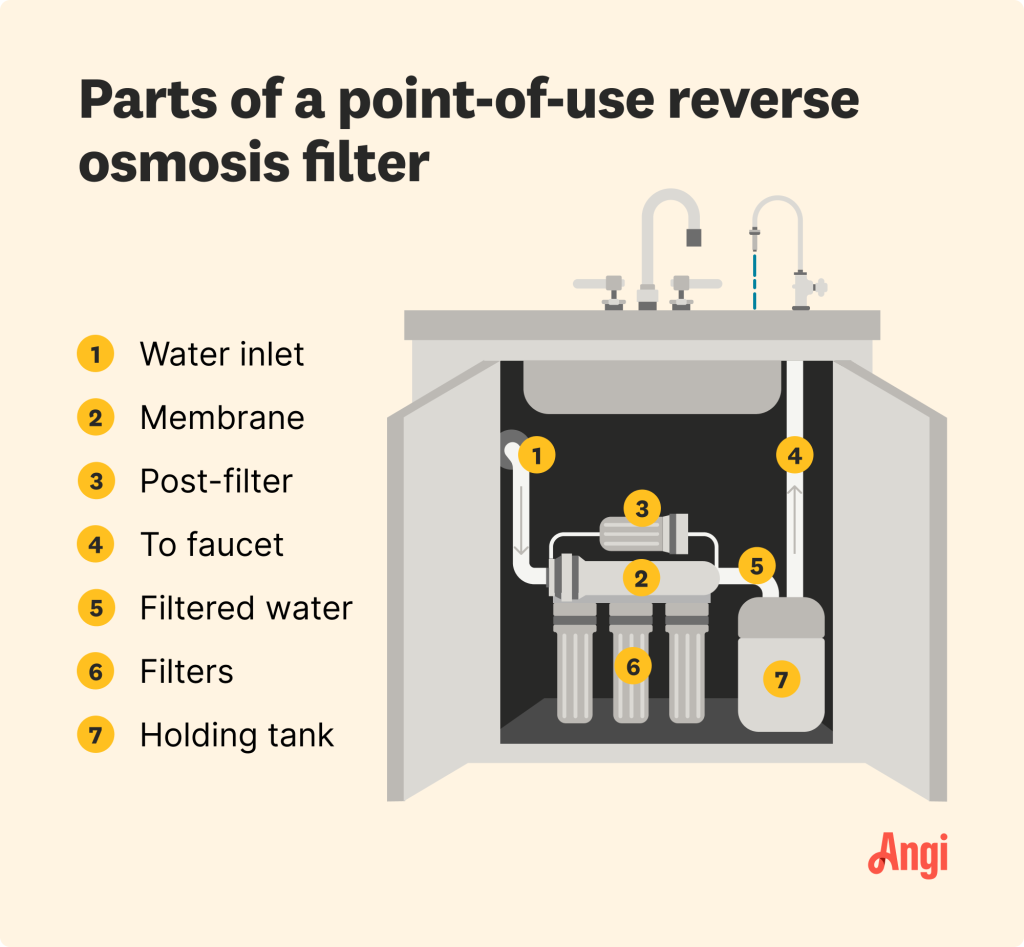
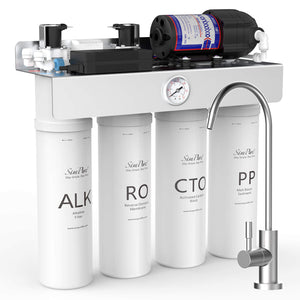
An RO system has several important parts. Each component plays a role in cleaning water effectively.
| Component | Function |
|---|---|
| Sediment Filter | Removes large particles like sand and rust |
| Carbon Filter | Removes chlorine and bad taste |
| RO Membrane | Blocks dissolved salts, bacteria, and viruses |
| Storage Tank | Stores clean water for use |
| Post Carbon Filter | Enhances water taste and quality |
Signs Your Ro Filter Needs Maintenance
Reverse osmosis (RO) filters clean your kitchen water. They need regular care to work well.
Some signs show your RO filter needs maintenance. Watch for these signs to keep water clean.
Reduced Water Flow
If water flows slowly from your RO faucet, the filter may be clogged. Dirt and particles block water.
Low water pressure or slow filling of containers also means the filter needs attention.
- Water takes longer to fill a glass
- Faucet pressure feels weak
- Flow stops suddenly or is uneven
Unusual Taste Or Odor
Clean water should taste fresh and odorless. Strange tastes or smells show the filter may be dirty.
Bacteria or contaminants can grow if the filter is old or not changed on time.
- Water tastes bitter, salty, or metallic
- Water smells like chlorine or rotten eggs
- Flavors linger after drinking
Leaks And Drips
Leaks around the RO system show that parts may be loose or damaged. This needs quick fixing.
Drips waste water and can cause damage under the sink or on the floor.
- Water puddles near the filter or pipes
- Dripping sounds from the RO unit
- Wet spots or stains under the sink
Essential Maintenance Tasks
Kitchen RO filters need regular care to work well. Maintenance keeps water clean and safe.
Following simple tasks helps your RO system last longer and perform better.
Replacing Filters On Time
Changing filters regularly is important. Old filters can let dirt and chemicals pass through.
- Replace sediment filter every 6 months
- Change carbon filter every 12 months
- Swap RO membrane every 2 years or as needed
Cleaning The Ro Membrane
The RO membrane blocks impurities from water. Dirt buildup reduces its efficiency.
| Cleaning Method | Description | Frequency |
| Flush with clean water | Remove loose debris | Monthly |
| Use membrane cleaner | Remove scale and biofilm | Yearly |
| Inspect for damage | Check for tears or holes | Every 6 months |
Sanitizing The System
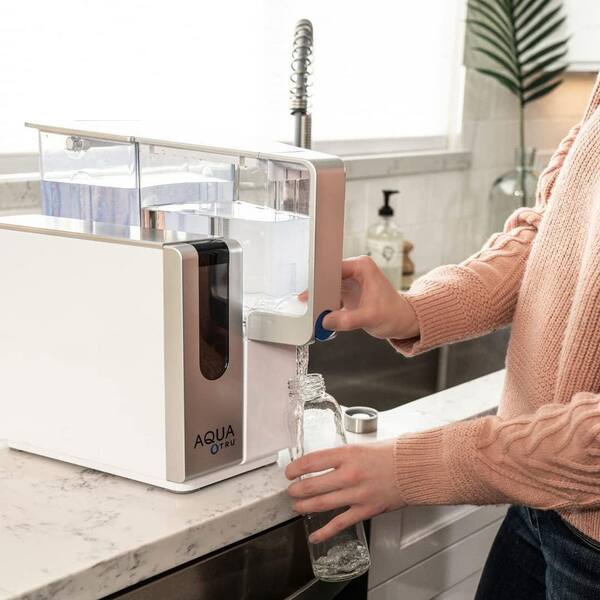
Sanitizing kills bacteria inside the RO system. This keeps your water safe and fresh.
- Turn off the water supply and power.
- Drain all water from the system.
- Use a sanitizing solution recommended for RO systems.
- Flush the system thoroughly with clean water.
- Restart the system and discard the first batch of water.
Credit: www.homedepot.com
Diy Vs Professional Maintenance
Kitchen RO filters need regular care to work well. Some tasks are easy to do yourself. Others need a professional’s help.
Knowing which maintenance to do yourself and when to call a technician saves time and money.
Simple Tasks You Can Do
You can clean and replace some parts of your RO filter on your own. These tasks keep the system running smoothly.
- Change the pre-filter every 3-6 months
- Clean the RO membrane housing gently
- Check for leaks around the filter
- Sanitize the water storage tank regularly
- Flush the system after replacing filters
When To Call A Technician
Some problems need expert care. Calling a technician prevents damage and ensures clean water.
- Low water pressure or no water flow
- RO membrane needs replacement
- Strange taste or odor in water
- Leaks inside the system or pipes
- Electric parts or pump issues
Benefits Of Regular Maintenance
Regular maintenance keeps your kitchen RO filter working well. It helps ensure clean water and saves money over time.
Taking care of the filter prevents problems and keeps your water safe to drink every day.
Improved Water Quality
Cleaning and replacing parts regularly remove harmful substances. This keeps your water fresh and pure.
- Removes dirt and sediments
- Reduces bacteria and viruses
- Improves taste and smell
- Prevents clogging and damage
Extended Filter Lifespan
Regular checks and cleaning help the filter last longer. It works better and avoids early breakdowns.
| Maintenance Task | Effect on Filter |
| Replacing filter cartridges | Prevents clogging and wear |
| Cleaning filter housing | Stops bacteria growth |
| Checking pressure levels | Ensures smooth operation |
Cost Savings
Maintaining your RO filter reduces repair costs. It also cuts down on buying new parts often.
- Less need for costly repairs
- Fewer filter replacements
- Lower energy bills from efficient operation
- Prevents damage to connected appliances
Credit: www.simpurelife.com
Common Mistakes To Avoid
Maintaining your kitchen RO filter is important for clean water. Many people make simple mistakes that reduce filter life.
Knowing what to avoid helps keep your filter working well and your water safe.
Ignoring Filter Replacement
One common mistake is not changing the RO filter on time. Filters clog with dirt and germs over time.
- Reduced water flow and pressure
- Bad taste or smell in water
- Possible growth of bacteria
- Damage to the RO system parts
Check your filter’s replacement schedule. Replace filters as the manufacturer suggests.
Using Unapproved Cleaning Agents
Using wrong cleaning agents can harm the RO filter and system. Some chemicals cause damage or leave residues.
| Common Cleaning Agent | Effect on RO Filter |
| Bleach | Corrodes filter membranes |
| Strong acids | Damages filter layers |
| Soap or detergent | Leaves residues, clogs filter |
| Approved RO cleaner | Safe and effective cleaning |
Always use cleaning products made for RO systems. Read instructions carefully before use.

Credit: www.angi.com
Frequently Asked Questions
Does A Kitchen Ro Filter Need Regular Maintenance?
Yes, kitchen RO filters require regular maintenance to ensure clean water. Filters should be checked and replaced every 6-12 months for optimal performance.
How Often Should I Replace Ro Filter Cartridges?
RO filter cartridges typically need replacement every 6 to 12 months. Timely changes prevent clogging and maintain water purity and taste.
What Happens If I Skip Ro Filter Maintenance?
Skipping maintenance can cause reduced water flow, poor filtration, and potential bacterial growth. Regular upkeep ensures safe, clean drinking water.
Can I Maintain My Kitchen Ro Filter Myself?
Yes, many RO systems allow DIY maintenance like filter changes. However, professional servicing is recommended annually for thorough cleaning and checks.
Conclusion
Regular maintenance keeps your kitchen RO filter running well. Clean filters ensure fresh, pure water. Check your filter often for clogs or wear. Replace parts when needed to avoid problems. Maintenance is simple and saves money long-term. A little effort goes a long way.
Enjoy safe and tasty water by caring for your RO filter. Keep it clean, and it will serve you well. Remember, a well-maintained filter ensures health and safety. Regular checks make a big difference. Prioritize your filter’s upkeep for peace of mind.