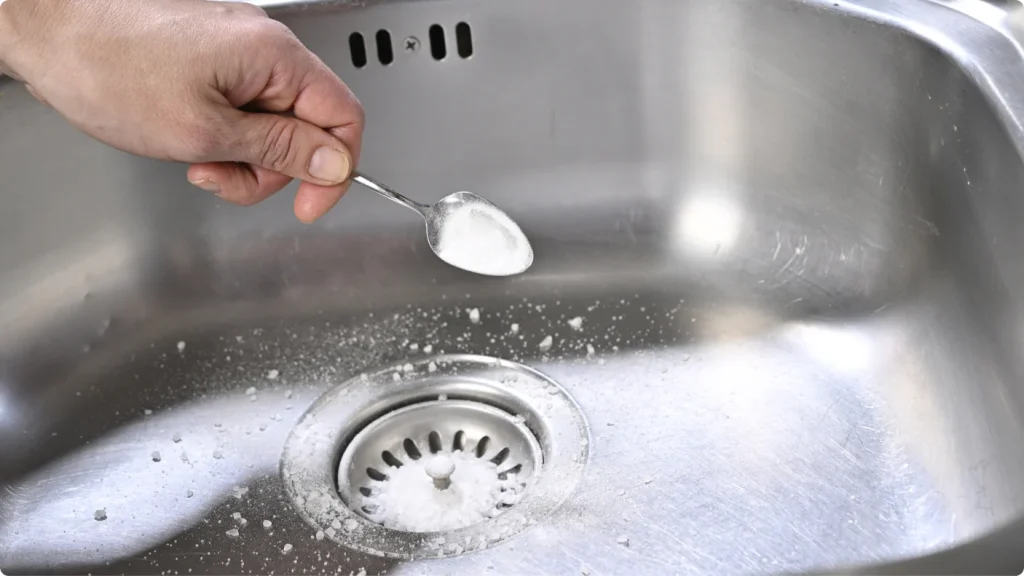
Have you ever stood in front of your kitchen sink, wondering why the water isn’t draining as quickly as it should? You might be tempted to reach for a bottle of drain cleaner to solve the problem.
But before you do, it’s crucial to understand the potential risks and benefits. Your kitchen sink is one of the busiest spots in your home, dealing with everything from leftover bits of food to grease and soap residue. Using drain cleaner may seem like an easy fix, but is it the right choice for your kitchen plumbing?
By the end of this article, you’ll know how to tackle those pesky blockages effectively and safely, ensuring your kitchen sink remains functional and free-flowing. Stick around, as we dive into the dos and don’ts of drain cleaning in your kitchen.
Common Kitchen Sink Clogs
Clogs in kitchen sinks are a frequent issue for many households. Understanding the causes helps in preventing these bothersome blockages. Various materials can accumulate in your kitchen sink, leading to frustrating clogs. Let’s explore some common culprits.
Food Residues
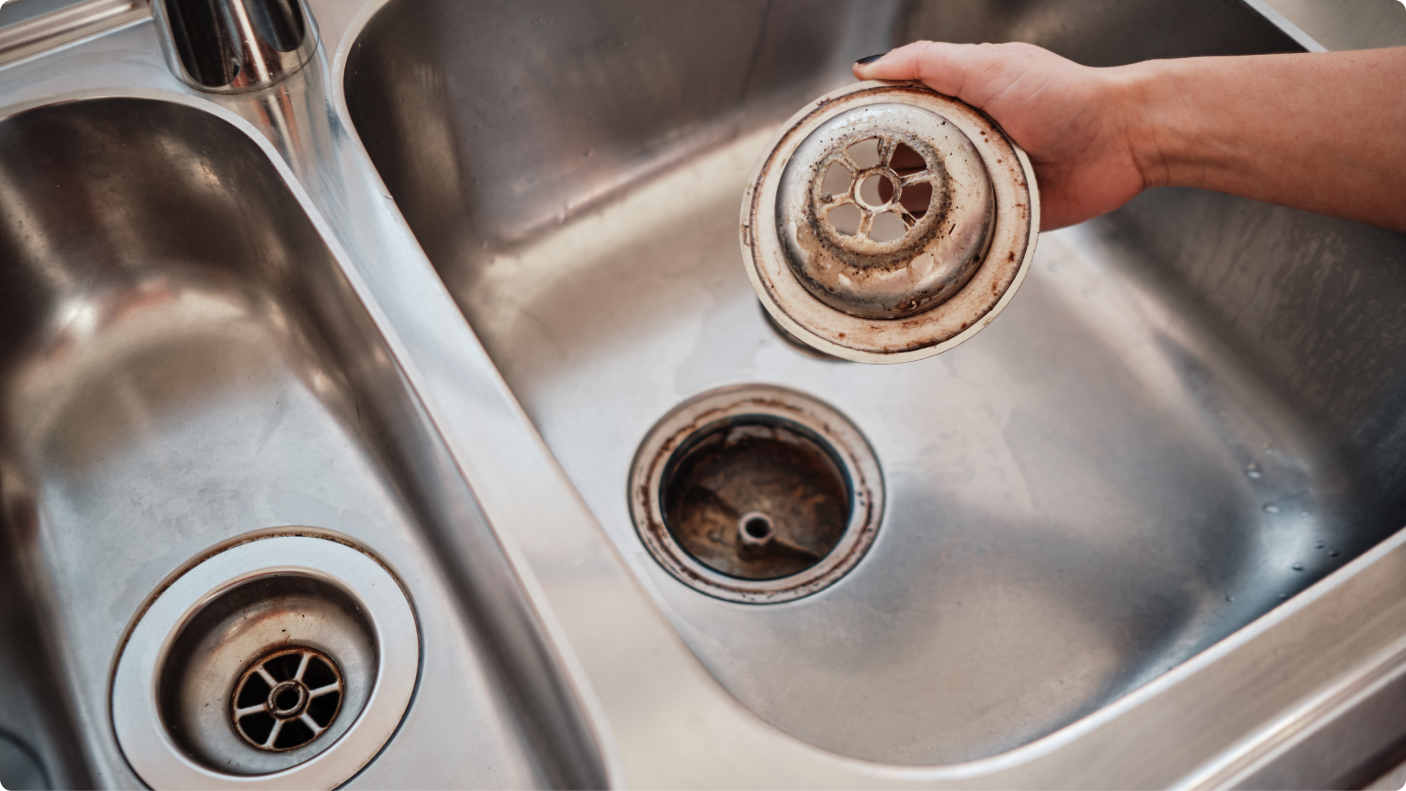
Bits of food often find their way down the sink. This is especially true during dishwashing. Small particles can stick together over time. They form a thick layer in the pipes. This layer slows water flow. Eventually, it may stop entirely. Regular cleaning can help minimize this buildup.
Grease Buildup
Grease is another sneaky clogger. It seems harmless when liquid. But as it cools, it hardens. This hardened grease sticks to the pipes. Over time, layers of grease create a blockade. Avoid pouring grease down the drain. Instead, dispose of it properly in trash containers.
Soap Scum
Soap scum is less obvious but equally problematic. It forms when soap mixes with hard water minerals. This sticky substance coats the pipes. Gradually, it builds up and restricts water flow. Consider using liquid soap and softening your water. These steps reduce soap scum formation.
Credit: www.youtube.com
Types Of Drain Cleaners
When your kitchen sink is clogged, finding the right drain cleaner can be crucial. There are various types of drain cleaners available, each with its own advantages and disadvantages. Understanding these options can help you make an informed decision that saves time and money. Let’s delve into the main types of drain cleaners you might consider.
Chemical Drain Cleaners
Chemical drain cleaners are perhaps the most common option. These cleaners contain harsh chemicals that dissolve clogs quickly. They are powerful and effective, especially for tough blockages.
However, they can also be dangerous. If you’ve ever splashed drain cleaner on your skin, you know it can burn. Moreover, repeated use can damage your pipes. So, consider if the risk is worth the reward.
Enzyme-based Cleaners
Enzyme-based cleaners offer a gentler alternative. They use natural enzymes to break down organic material like food scraps and grease. These cleaners are eco-friendly and safe for your plumbing.
They work slowly, taking hours or even overnight to clear a clog. But patience pays off with less risk of harming your sink. Have you ever thought about the environmental impact of your cleaning products?
Homemade Solutions
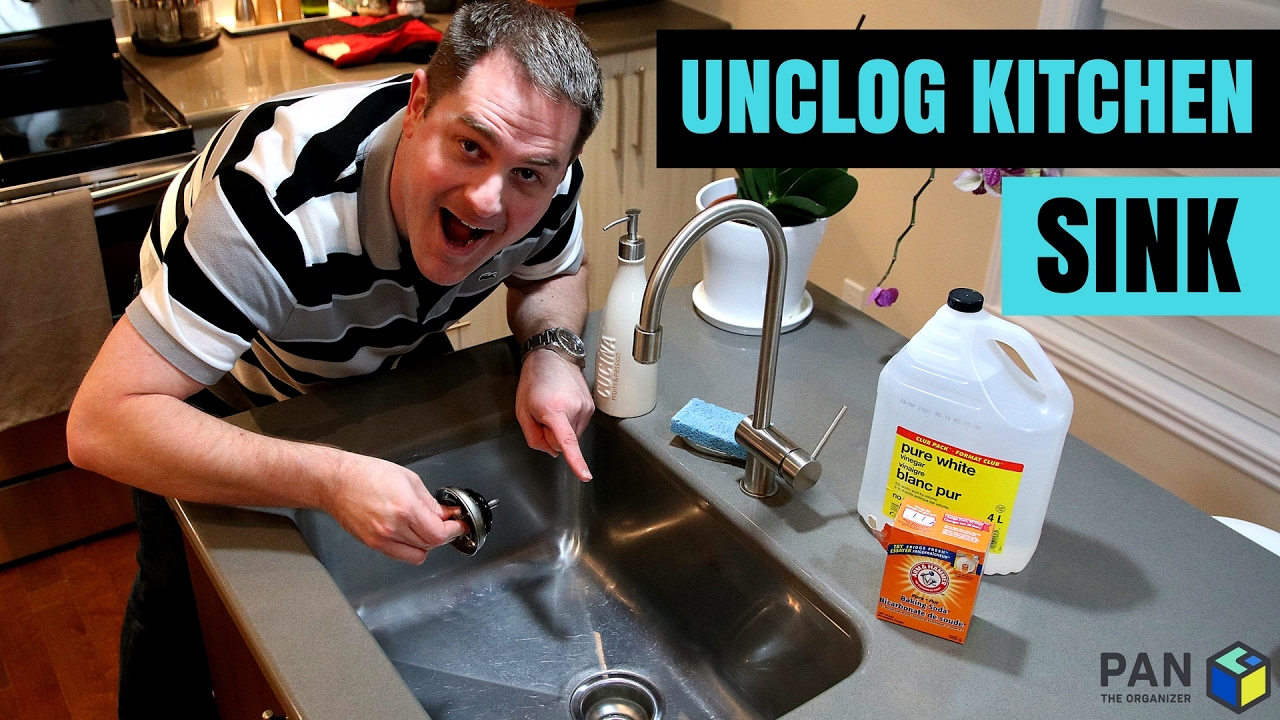
If you prefer a DIY approach, homemade solutions might be your best bet. Common household items like baking soda and vinegar can be surprisingly effective. These mixtures are safe, non-toxic, and inexpensive.
Mix equal parts of baking soda and vinegar, pour it down the drain, and let it fizz. Follow it with hot water to flush out the debris. It’s a simple, cost-effective method that many swear by.
So, which type of drain cleaner will you choose next time your sink gets clogged? Consider the pros and cons, and choose what aligns best with your priorities and lifestyle. Your kitchen sink will thank you!
Pros And Cons Of Chemical Cleaners
Drain cleaners can effectively clear kitchen sink blockages, but they may damage pipes. Their strong chemicals pose safety risks. Consider alternatives like baking soda and vinegar for eco-friendly solutions.
When faced with a clogged kitchen sink, many people reach for chemical drain cleaners as a quick fix. However, understanding the pros and cons of these chemical cleaners can help you make an informed decision. Are they the right solution for your kitchen sink woes?Effectiveness
Chemical drain cleaners can be highly effective in dissolving clogs. They work by breaking down grease, food particles, and other debris that often block kitchen sinks. If you’ve ever been frustrated by a slow-draining sink, you might find these cleaners provide a satisfying and immediate relief. However, their effectiveness can vary depending on the type and severity of the clog. A chemical cleaner might not work well on more stubborn blockages like tree roots or foreign objects. It’s essential to assess the nature of your clog before relying solely on chemicals.Potential Hazards
Chemical cleaners can pose significant hazards if not used correctly. They often contain harsh substances that can cause skin burns or irritate your eyes. Remember the last time you spilled a harsh cleaner on your skin? That burning sensation is a reminder of the potential danger. Additionally, these chemicals can damage your plumbing over time. The caustic nature of some products can corrode pipes, especially if used frequently. Consider if the short-term fix is worth the long-term damage to your plumbing system.Environmental Impact
The environmental impact of chemical drain cleaners is another crucial factor to consider. These products can introduce toxic substances into water systems, harming aquatic life. If you care about preserving the environment, this is a significant downside. Biodegradable alternatives, like enzyme-based cleaners, offer a more eco-friendly option. By choosing these, you can maintain your kitchen sink without contributing to environmental harm. What small changes can you make today to reduce your ecological footprint? Weighing the pros and cons of chemical cleaners can guide you to a responsible choice for your kitchen sink. Have you ever considered alternative methods for unclogging?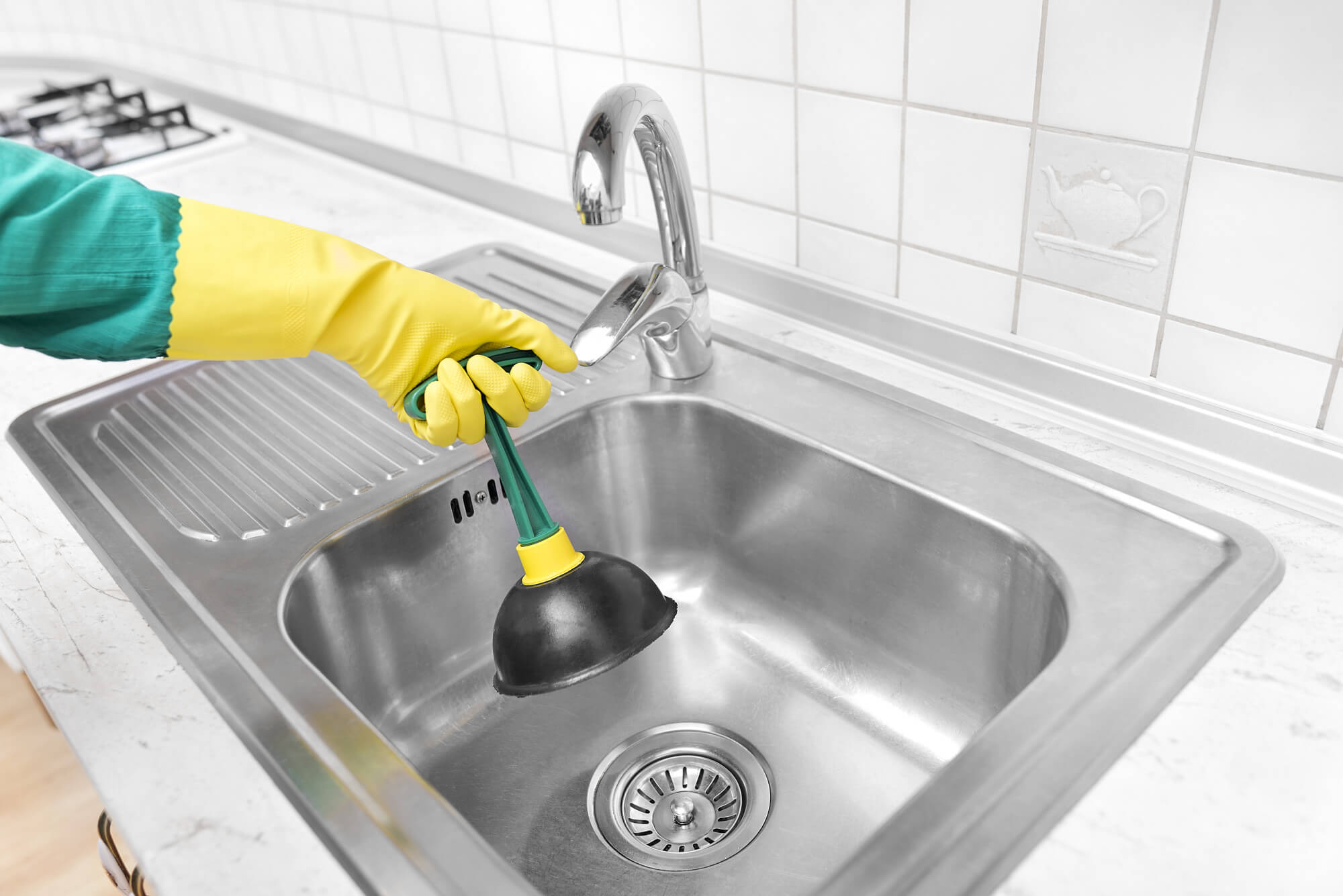
Credit: trusteyman.com
Safety Precautions
Using drain cleaner in the kitchen sink can be risky. It contains strong chemicals. These chemicals can cause harm if not handled safely. Knowing safety precautions is vital for protecting yourself and your home.
Protective Gear
Always wear protective gear when using drain cleaner. Gloves and goggles are important. Gloves protect your skin from burns. Goggles keep your eyes safe from splashes. Safety comes first.
Proper Ventilation
Ensure proper ventilation during use. Open windows or doors. Fumes can be harmful if inhaled. Fresh air reduces risks. It keeps the environment safe.
Emergency Measures
Know what to do in an emergency. Keep emergency numbers handy. Have first aid supplies ready. Quick action can prevent serious injuries. Be prepared for any situation.
When To Avoid Drain Cleaners
Drain cleaners can be a quick fix for kitchen sink clogs, but there are times when using them might not be the best option. You might think it’s an easy solution, but certain situations call for caution. Imagine finding out that the cleaner has damaged your plumbing, leading to a costly repair. Let’s dive into when you should steer clear of these chemicals.
Old Plumbing Systems
If your home has an old plumbing system, drain cleaners can be risky. Older pipes may not withstand the harsh chemicals, leading to corrosion and leaks. Picture the inconvenience of dealing with a sudden plumbing failure. Instead, using a plumber’s snake or a homemade solution like baking soda and vinegar might be safer. This can save you from unnecessary stress and preserve your plumbing.
Severe Blockages
When dealing with severe blockages, drain cleaners may not be effective. You might pour in the cleaner only to find it’s not budging the clog. This could result in a frustrating mess. In cases like this, mechanical removal methods like plungers or drain snakes are more reliable. Consider the satisfaction of resolving the issue without harsh chemicals.
Recurring Issues
Have you noticed your kitchen sink clogging frequently? Using drain cleaners repeatedly may not address the root of the problem. It’s like applying a band-aid without treating the wound. You may need to examine what’s causing these clogs. Could it be grease buildup or food scraps? Investigating the cause and implementing preventive measures can lead to a lasting solution.
In these scenarios, opting for alternatives can save your plumbing and your wallet. What’s your experience with drain cleaners? Share your story in the comments below!
Credit: www.liquidplumr.com
Alternative Unclogging Methods
Kitchen sinks often face clogs from food scraps and grease buildup. Chemical drain cleaners seem like a quick fix. But they may damage pipes or harm the environment. Instead, consider some alternative unclogging methods. These methods are safer and often more effective.
Plungers
Plungers are a common tool found in many homes. They can be effective for minor clogs. Start by filling the sink halfway with water. Place the plunger over the drain. Make sure it seals tightly. Push down and pull up with force. Repeat several times to dislodge the clog.
Drain Snakes
Drain snakes reach deep into pipes. They can remove tougher clogs. Insert the snake into the drain. Push gently until you feel resistance. Rotate the handle to break up the clog. Pull the snake out slowly. This method often clears stubborn blockages.
Baking Soda And Vinegar
Baking soda and vinegar make an effective natural cleaner. Pour a cup of baking soda into the drain. Follow with a cup of vinegar. The mixture will fizz and bubble. Let it sit for 30 minutes. Then flush with hot water. This solution helps dissolve minor clogs.
Expert Recommendations
When dealing with a clogged kitchen sink, many consider using drain cleaner. Yet, experts suggest some precautions to ensure safety and effectiveness. These insights help you choose the right approach for your needs.
Choosing The Right Product
Not all drain cleaners suit kitchen sinks. Some may damage pipes. Opt for enzyme-based cleaners for a safer choice. They break down organic materials without harsh chemicals. Read labels carefully. Choose products designed specifically for kitchen use. Avoid acidic cleaners. They can corrode pipes over time.
Professional Assistance
Sometimes, a professional plumber is the best option. Persistent clogs might signal deeper plumbing issues. Experts use specialized tools for thorough cleaning. They also offer advice on preventing future clogs. Hiring a professional ensures your plumbing system remains intact. It can save you money in the long run.
Preventive Maintenance Tips
Regular maintenance keeps your kitchen sink running smoothly. Avoid pouring grease down the drain. It hardens and causes blockages. Use a drain strainer to catch food particles. Flush your drain with hot water weekly. This helps dissolve minor buildups. Baking soda and vinegar also work as natural cleaners. They help maintain a clear drain without chemicals.
Frequently Asked Questions
Can You Pour Drain Cleaner In A Kitchen Sink?
Yes, you can pour drain cleaner in a kitchen sink. Ensure it’s suitable for kitchen use. Follow the instructions carefully to avoid damage. Regular use can prevent clogs but don’t overuse. Always wear protective gear and ventilate the area. Avoid using it on a garbage disposal.
What Is The Best Thing To Use To Unclog A Kitchen Sink?
Use baking soda and vinegar to unclog a kitchen sink. Pour half a cup of baking soda, followed by half a cup of vinegar. Let it fizz for 15 minutes, then flush with hot water. This natural method effectively clears clogs without harsh chemicals.
Is It Okay To Put Drano In A Kitchen Sink?
Using Drano in a kitchen sink is generally safe for minor clogs. Avoid use if you have a garbage disposal. Always follow the manufacturer’s instructions for safe use. For persistent clogs, consider professional help to avoid damaging pipes.
What’s The Best Way To Clean A Kitchen Sink Drain?
To clean a kitchen sink drain, pour baking soda and vinegar down the drain. Wait 15 minutes. Flush with hot water to remove residue. Use a drain brush for stubborn debris. Repeat monthly for optimal results and a fresh-smelling sink.
Avoid harsh chemicals for a safe and eco-friendly solution.
Conclusion
Using drain cleaner in a kitchen sink? Think carefully. It’s effective but can harm pipes. Frequent use may cause long-term damage. Natural alternatives exist. Baking soda and vinegar, for instance. Safe and eco-friendly. Plumber visits are wise for stubborn clogs.
Protect your kitchen investment. Always read labels on chemical cleaners. Follow instructions closely. Safety first. Keep children and pets away. Maintaining a clear sink is crucial. Regular cleaning helps. Prevention is better than cure. Save time and money with smart choices.
Remember, a healthy kitchen starts with safe practices. Your sink will thank you.