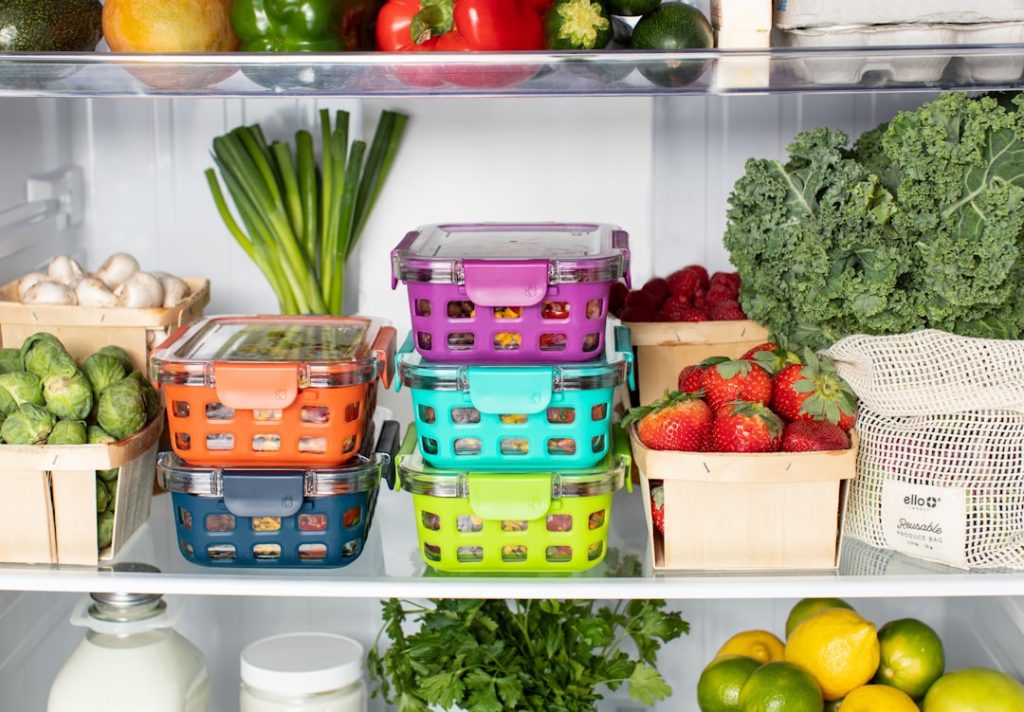
Are you tired of dealing with messy kitchens and spoiled leftovers? Finding the best food storage containers can change the way you store, save, and enjoy your meals.
Imagine opening your fridge and seeing everything neatly organized, fresh, and ready to eat. You’ll discover the top containers that keep your food safe, save space, and make your life easier. Keep reading to find the perfect storage solutions designed just for you.
Types Of Food Storage Containers
Food storage containers help keep your food fresh and safe. There are many types of containers for different needs.
Choosing the right container depends on what you store and how you use it. Here are common types of food storage containers.
Plastic Containers
Plastic containers are lightweight and affordable. They come in many shapes and sizes for storing different foods.
Most plastic containers are microwave and dishwasher safe. They often have tight lids to prevent spills and keep food fresh.
- Lightweight and easy to carry
- Usually clear to see contents
- Can stain or absorb odors
- Check for BPA-free labels
Glass Containers
Glass containers are sturdy and do not absorb odors or stains. They are a good choice for long-term food storage.
They work well in microwaves and ovens, but glass is heavier and can break if dropped. Most have airtight lids.
- Non-toxic and easy to clean
- Can be used in oven and microwave
- Heavier and fragile compared to plastic
- Often dishwasher safe
Stainless Steel Containers
Stainless steel containers are durable and do not stain or absorb odors. They keep food fresh without chemicals.
These containers are good for packed lunches and outdoor use. They are not microwave safe but often dishwasher safe.
- Strong and long-lasting material
- Do not leak or stain
- Not microwave safe
- Good for hot or cold foods
Silicone Containers
Silicone containers are flexible and lightweight. They collapse for easy storage and are safe for microwaves and freezers.
They are easy to clean and do not absorb odors. Silicone is a good option for snacks or small portions.
- Flexible and space-saving
- Safe for microwave, freezer, and dishwasher
- Non-toxic and odor resistant
- Best for light storage needs
Key Features To Consider
Choosing the right food storage containers helps keep food fresh longer. Look for features that improve usability and safety.
Good containers protect food from spills and spoilage. They also fit well in your kitchen space.
Airtight Seals
Airtight seals stop air from entering containers. This keeps food fresh and prevents leaks.
Look for lids with silicone or rubber gaskets. These create tight seals that lock in freshness.
- Prevents moisture and air from spoiling food
- Reduces odors escaping from containers
- Stops spills during transport
Material Safety
Food containers should be made from safe materials. Avoid containers with harmful chemicals like BPA.
Look for BPA-free plastics, glass, or stainless steel. These options are healthy and durable.
- BPA-free plastics reduce chemical risks
- Glass is non-toxic and easy to clean
- Stainless steel is strong and long-lasting
Temperature Resistance
Choose containers that handle different temperatures well. They should work in the fridge, freezer, and microwave.
Check labels for safe temperature ranges. This prevents containers from melting or breaking.
- Microwave-safe containers save time
- Freezer-safe containers prevent cracking
- Oven-safe containers allow cooking in the container
Stackability
Stackable containers save space in your kitchen. They keep your shelves and fridge neat.
Look for containers with flat lids and uniform shapes. This design makes stacking easier and more stable.
- Flat lids prevent tipping
- Uniform sizes fit better together
- Stacking saves storage space
Benefits Of Each Material
Food storage containers come in many materials. Each type offers different advantages for your kitchen needs.
Choosing the right material can make a big difference in how you store and preserve your food safely.
Durability And Longevity
Glass containers last long and resist stains and odors well. Plastic containers can scratch or warp over time. Stainless steel is tough and rarely breaks.
Ease Of Cleaning
Glass and stainless steel containers clean easily by hand or in a dishwasher. Plastic may absorb smells and stains, needing more care to keep clean.
Weight And Portability
- Plastic containers are lightweight and easy to carry.
- Glass containers are heavier but offer better visibility of contents.
- Stainless steel containers are durable but can be heavier than plastic.
Cost Effectiveness
| Material | Average Price | Longevity |
| Plastic | Low | Short |
| Glass | Medium | Long |
| Stainless Steel | High | Very Long |
Credit: www.nytimes.com
Best Containers For Different Foods
Choosing the right food storage container helps keep food fresh longer. Different foods need different types of containers.
Using proper containers prevents waste and saves money. It also keeps your kitchen organized and clean.
Fresh Produce
Fresh fruits and vegetables need containers that allow air circulation. This prevents moisture buildup and mold growth.
Containers with vented lids or breathable mesh bags work best. Keep leafy greens in containers with a paper towel to absorb moisture.
- Use vented plastic containers for berries and grapes
- Store leafy greens in containers with paper towels
- Keep root vegetables in breathable bags or containers
Leftovers
Leftovers need airtight containers to keep them fresh and safe. Glass containers with locking lids are durable and easy to clean.
Plastic containers with secure seals also work well. Choose containers that fit the amount of food to avoid air pockets.
- Use glass containers for reheating in the microwave
- Choose airtight lids to prevent spills and odors
- Pick containers that stack easily for fridge storage
Dry Goods
Dry goods like rice, pasta, and flour need containers that keep moisture out. Airtight containers with wide mouths work best.
Clear containers help you see the contents and check the quantity quickly. Use containers that seal tightly to avoid pests.
- Use airtight plastic or glass jars for grains and flours
- Choose containers with wide openings for easy scooping
- Label containers with contents and expiration dates
Freezer Storage
Freezer containers must be durable and prevent freezer burn. Use thick plastic or glass containers designed for freezing.
Look for containers that seal tightly and stack well. Consider portion sizes to avoid thawing too much food at once.
- Choose BPA-free plastic containers made for freezer use
- Use glass containers with silicone lids for freezer safety
- Label containers with date and content before freezing
Tips For Maintaining Freshness
Using the right food storage containers keeps food fresh longer. Proper care helps prevent spoilage and waste.
Follow simple steps to maintain freshness and keep your food safe to eat.
Proper Sealing Techniques
Seal containers tightly to keep air out. Air causes food to dry out or spoil faster.
Use containers with good lids that snap or screw on well. Make sure lids fit properly every time.
- Press lids firmly to close completely
- Check for cracks or damage on lids
- Use silicone or rubber seals if available
- Replace worn-out lids promptly
Labeling And Organization
Label containers with the food name and date stored. This helps track freshness and use older food first.
Organize containers by type or date to find food quickly. This prevents opening many containers and exposing food to air.
- Use waterproof labels or masking tape
- Write dates clearly with a permanent marker
- Group similar foods together on shelves
- Keep newer food behind older food
Avoiding Cross-contamination
Keep raw and cooked foods in separate containers. This stops germs from spreading and spoiling food.
Clean containers and lids well before reuse. This removes bacteria and food residue that cause spoilage.
- Use different containers for meat and vegetables
- Wash containers in hot, soapy water
- Dry completely before storing food
- Store leftovers in clean, airtight containers
Storage Environment
Store containers in cool, dry places. Heat and moisture speed up food spoilage.
Keep containers away from direct sunlight. Light can change food taste and quality.
- Use the refrigerator for perishable foods
- Keep pantry containers sealed tightly
- Check fridge temperature regularly (below 40°F or 4°C)
- Do not overcrowd storage areas to allow air flow
Eco-friendly And Sustainable Options
Food storage containers help keep your food fresh. Choosing eco-friendly options is better for the planet. These containers use safe materials and reduce waste.
We will explore different types of containers. Reusable materials, biodegradable options, and ways to cut down on plastic waste.
Reusable Materials
Containers made from reusable materials last a long time. They are often made of glass or stainless steel. These materials are safe and keep food fresh.
Glass containers do not absorb odors. Stainless steel is durable and easy to clean. Both options reduce the need for single-use plastics.
- Glass keeps food safe and fresh
- Stainless steel is strong and long-lasting
- Both reduce single-use plastic waste
Biodegradable Containers
Biodegradable containers break down naturally. They are made from materials like corn starch or bamboo. These containers return to the earth without harming it.
They are perfect for short-term storage. Use them for picnics or takeout meals. Remember, they help reduce landfill waste.
- Made from natural materials
- Break down naturally
- Good for short-term use
Reducing Plastic Waste
Reducing plastic waste is important for the environment. Choose containers that do not use plastic. Look for ones that have minimal packaging.
Bring your own container when shopping. This can help cut down on plastic bags. Every small step helps the environment.
- Choose non-plastic containers
- Look for minimal packaging
- Bring your own containers to stores
Top Brands And Recommended Products
Finding the right food storage container helps keep your food fresh and organized. Here, we explore top brands and their recommended products. Discover high-end picks, budget-friendly choices, and customer favorites.
Whether you want something durable or affordable, there’s an option for everyone. Let’s look at some of the best storage solutions available today.
High-end Picks
For those who value quality and durability, high-end food storage containers provide excellent solutions. These options often feature advanced sealing technologies and premium materials.
| Brand | Product | Feature |
| OXO | POP Containers | Airtight Seal |
| Rubbermaid | Brilliance | BPA Free |
| Pyrex | Ultimate Glass | Oven Safe |
Budget-friendly Choices
Not everyone wants to spend a lot on food storage. Budget-friendly options offer great value without breaking the bank. These products are perfect for everyday use and easy to replace.
- Sistema Klip It: Affordable and stackable
- Ziploc Containers: Easy to find and disposable
- Mainstays: Cost-effective and versatile
Customer Favorites
Customer favorites are often praised for their reliability and performance. These products are frequently chosen for their practicality and ease of use.
Many users recommend Tupperware for its variety and durability.
Glasslock is popular for its eco-friendly design and safety.

Credit: food52.com

Credit: www.amazon.ca
Frequently Asked Questions
What Are The Best Materials For Food Storage Containers?
The best materials are glass, BPA-free plastic, and stainless steel. Glass is durable and non-toxic. BPA-free plastic is lightweight and affordable. Stainless steel is sturdy and long-lasting. These materials keep food fresh and safe for longer.
How To Choose Airtight Food Storage Containers?
Look for containers with silicone seals and secure locking lids. Airtight containers prevent air and moisture from entering. This keeps food fresh and prevents spoilage. Choose containers that fit your food type and storage space.
Are Bpa-free Containers Safe For Food Storage?
Yes, BPA-free containers are safe and non-toxic. They do not release harmful chemicals into food. Choosing BPA-free plastic ensures safer storage for your meals. Always check labels to confirm BPA-free status.
Can I Use Food Storage Containers In Microwaves?
Only use microwave-safe containers labeled as such. Glass and certain BPA-free plastics are generally microwave-safe. Avoid metal containers in microwaves. Always follow manufacturer instructions to prevent damage or health risks.
Conclusion
Choosing the right food storage containers saves time and reduces waste. Good containers keep food fresh longer and fit your kitchen needs. Consider size, material, and sealing type for best results. Clear containers help spot food quickly. Durable options last through many uses.
Clean containers often to keep food safe. A smart choice makes meals easier and your kitchen neater. Small changes in storage can improve your daily routine. Try different containers to find what works best for you.