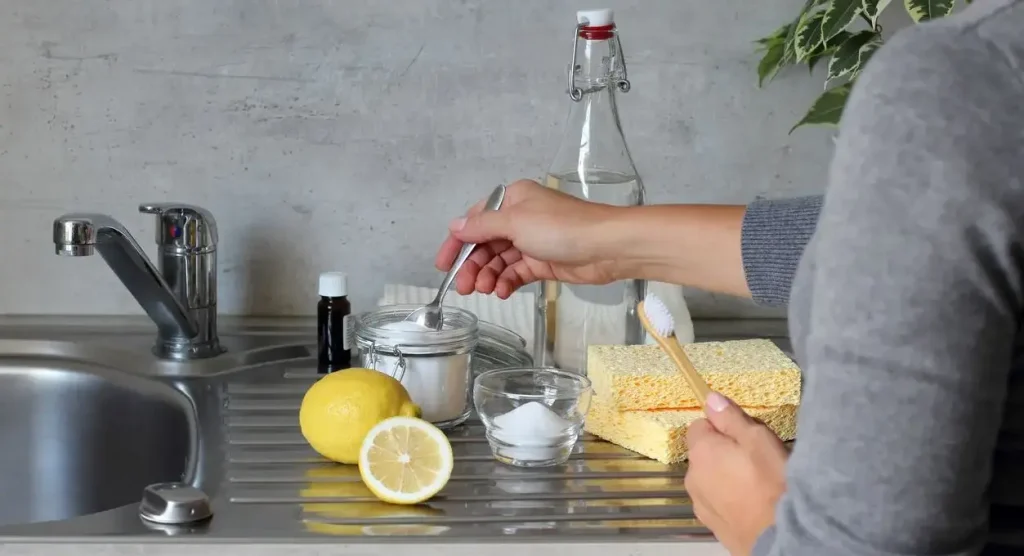
Are you tired of stubborn kitchen grease that just won’t budge? You might be wondering whether vinegar or lemon juice is the better choice to tackle that greasy mess.
Both are natural, easy to find, and affordable, but which one will give you the best results? Knowing the answer can save you time, effort, and even money. Keep reading, and you’ll discover which option cleans your kitchen grease faster and more effectively—making your cleaning routine smoother and your kitchen shine like new.
Kitchen Grease Challenges
Kitchen grease can be hard to clean. It builds up on surfaces and stains them.
Choosing the right cleaner helps remove grease better. Vinegar and lemon juice are common options.
Common Grease Types
Grease in kitchens comes in different forms. Each type needs a special way to clean it.
- Animal fats from cooking meat
- Vegetable oils from frying foods
- Butter and margarine residues
- Mixed grease from sauces and dressings
Why Grease Is Tough To Remove
Grease sticks strongly to kitchen surfaces. It traps dirt and dries into a hard layer.
| Reason | Explanation |
| Sticky Texture | Grease clings to surfaces and stays put. |
| Water Resistance | Grease does not dissolve well in water. |
| Heat Effect | Heat makes grease softer and spreads it more. |
| Mix with Dirt | Dirt and dust mix with grease making it thicker. |
Credit: www.goodharvest.com.au
Vinegar As A Cleaner
Vinegar is a popular natural cleaner in many kitchens. It works well against grease and grime.
Many people choose vinegar for its cleaning power and safety. It is an easy option for kitchen use.
Acidity And Cleaning Power
Vinegar contains acetic acid, which helps break down grease and dirt. Its acidity makes it effective for cleaning.
The acid in vinegar dissolves mineral deposits and stains. It also kills some bacteria and mold.
Best Uses In The Kitchen
- Cleaning greasy stovetops and ovens
- Removing water spots from faucets and sinks
- Wiping down countertops
- Freshening cutting boards
- Clearing microwave splatters
Safety And Precautions
| Precaution | Details |
|---|---|
| Dilution | Always dilute vinegar with water to avoid damage to surfaces. |
| Surface Test | Test on a small area first to check for discoloration or damage. |
| Avoid Stone | Do not use on marble, granite, or natural stone as it may etch. |
| Storage | Store vinegar in a cool, dark place away from children. |
Lemon Juice For Grease
Lemon juice is a natural cleaner used for kitchen grease. It works well because it is acidic and fresh-smelling.
Many people compare lemon juice to vinegar for cleaning. This article looks at the benefits of lemon juice on grease.
Natural Acidity Benefits
Lemon juice contains citric acid. This acid breaks down grease and oil on kitchen surfaces. It helps to loosen sticky grime and makes cleaning easier.
The acidity level of lemon juice is strong enough to cut through grease without harsh chemicals. It also avoids leaving a strong smell after use.
Aroma And Antibacterial Properties
Lemon juice has a fresh, citrus scent. This scent helps remove bad odors from the kitchen. It leaves a clean and pleasant smell behind.
- Contains natural antibacterial agents
- Reduces bacteria on kitchen counters
- Acts as a deodorizer for cooking smells
- Safe for use around food areas
Effective Cleaning Areas
| Area | How Lemon Juice Helps |
|---|---|
| Stovetops | Removes greasy stains and food splatters |
| Countertops | Breaks down oil and cleans surface |
| Kitchen sinks | Cleans grease buildup and freshens smell |
| Microwave interiors | Softens grease for easy wiping |
:max_bytes(150000):strip_icc()/SPR-how-to-use-lemon-peels-around-your-home-11777897-8b936952faa04db3a1999a2d3e1f0757.jpg)
Credit: www.thespruce.com
Comparing Vinegar And Lemon Juice
Cleaning kitchen grease can be tricky. Vinegar and lemon juice are common natural cleaners.
This article looks at how vinegar and lemon juice compare for cleaning grease.
Cleaning Efficiency
Vinegar is acidic and breaks down grease effectively. Lemon juice also has acid and can cut through grease.
Vinegar usually works faster on tough grease stains. Lemon juice adds a fresh scent while cleaning.
Surface Compatibility
Both vinegar and lemon juice can clean many surfaces. But they may damage some materials.
- Vinegar can harm natural stone like granite and marble.
- Lemon juice may also etch or dull stone surfaces.
- Both are safe for glass, ceramic, and stainless steel.
- Test on wood finishes before full use, as acid can wear them down.
Cost And Availability
| Cleaner | Average Cost | Availability |
| Vinegar | Low | Widely available year-round |
| Lemon Juice | Medium | Seasonal, fresh or bottled |
Environmental Impact
Both vinegar and lemon juice are eco-friendly alternatives to harsh chemicals.
They are biodegradable and non-toxic.
Using them reduces plastic waste if buying fresh lemons instead of bottled cleaners.
Tips For Removing Kitchen Grease
Kitchen grease can be tough to clean. Natural cleaners like vinegar and lemon juice help break down grease safely.
Using the right methods makes cleaning easier and keeps your kitchen fresh.
Combining Natural Cleaners
Vinegar and lemon juice work well together. Vinegar cuts through heavy grease while lemon adds freshness and extra cleaning power.
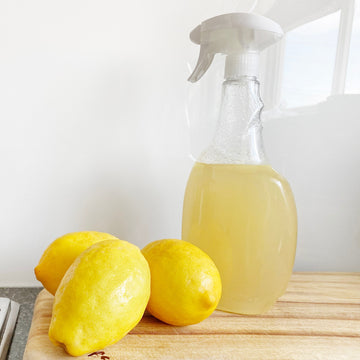
- Mix equal parts of vinegar and lemon juice in a spray bottle.
- Spray on greasy surfaces and let sit for 5 minutes.
- Wipe with a clean cloth or sponge.
Application Techniques
Apply natural cleaners with care to get the best results.
| Technique | Details |
| Spraying | Use spray bottle for even coverage on surfaces. |
| Soaking | Soak cloth in cleaner and place on grease spots for 10 minutes. |
| Scrubbing | Use soft brush or sponge to scrub after application. |
Preventing Grease Build-up
Regular cleaning stops grease from building up and makes kitchen work easier.
- Wipe stove and counters after cooking.
- Use a degreaser spray once a week.
- Keep kitchen vents clean to reduce grease in the air.
- Use a splash guard while frying foods.
- Clean cooking utensils right after use.

Credit: www.lisabronner.com
Frequently Asked Questions
Does Vinegar Effectively Clean Kitchen Grease?
Yes, vinegar is effective at cleaning kitchen grease. Its acidic nature helps break down oily residues. Simply spray vinegar on the greasy surface, let it sit for a few minutes, and wipe clean with a cloth. It’s an eco-friendly and cost-effective cleaning solution for your kitchen.
Can Lemon Juice Remove Stubborn Kitchen Grease?
Lemon juice can effectively remove stubborn kitchen grease. Its natural acidity dissolves grease, leaving surfaces clean. Apply lemon juice to the greasy area, allow it to sit for a few minutes, and wipe away with a damp cloth. It’s also a natural deodorizer, leaving your kitchen smelling fresh.
Is Vinegar Or Lemon Juice Better For Cleaning?
Both vinegar and lemon juice are effective for cleaning kitchen grease. Vinegar is more potent due to higher acidity. Lemon juice is milder but adds a pleasant scent. Choose vinegar for tough grease and lemon juice for lighter cleaning. Both are natural, eco-friendly, and safe for kitchen use.
Can Vinegar And Lemon Juice Be Mixed For Cleaning?
Yes, vinegar and lemon juice can be mixed for cleaning. This combination increases cleaning power and leaves a fresh scent. Mix equal parts of each in a spray bottle, apply to greasy surfaces, and wipe clean. This natural solution is effective and environmentally friendly for kitchen cleaning.
Conclusion
Both vinegar and lemon juice clean kitchen grease well. Vinegar works fast and kills germs. Lemon juice smells fresh and removes stains. Choose based on what you have at home. Both are natural and safe for your family. Try them on small spots first to see results.
Keep your kitchen clean using these simple options. Cleaning doesn’t have to be hard or costly. Use what suits your needs best. Your kitchen will shine with either choice.