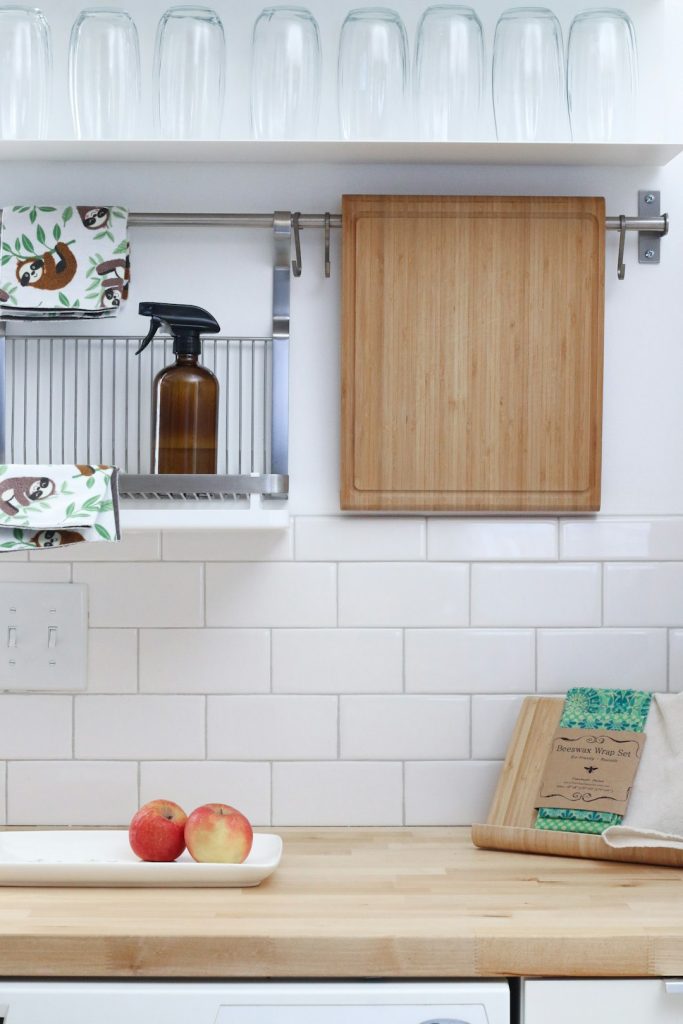
Are you ready to transform your kitchen without spending a fortune? Designing your own kitchen cabinets can be easier than you think—and it puts you in full control of style, space, and budget.
Imagine opening your cabinets every day, proud of the unique look you created yourself. In this guide, you’ll discover simple, practical ideas to design kitchen cabinets that fit your needs perfectly. Keep reading, and you’ll learn how to turn your kitchen into a space that’s truly yours.

Credit: penniesforafortune.com
Choosing The Right Materials
Picking the right materials is key for your kitchen cabinet project. It affects how the cabinets look and last.
Good materials make your cabinets strong and easy to clean. Choose materials that fit your style and needs.
Wood Types
Wood is a popular choice for kitchen cabinets. Different woods have different looks and strengths.
Hardwoods like oak and maple are strong and last a long time. Softwoods like pine cost less but dent easier.
- Oak: Durable and has a classic look
- Maple: Smooth grain and resists wear
- Pine: Affordable with a rustic style
- Cherry: Darkens over time, elegant
- Birch: Light color, good for painting
Eco-friendly Options
Eco-friendly materials help protect the environment. They use less energy and produce less waste.
Look for wood from sustainable forests or recycled materials. Bamboo is also a fast-growing, green choice.
- FSC-certified wood ensures responsible harvesting
- Bamboo grows fast and is very strong
- Reclaimed wood adds character and saves trees
- Low-VOC paints and finishes improve indoor air quality
Budget-friendly Materials
Some materials cost less but still look good. Choose these if you want to save money on cabinets.
Plywood and MDF are common budget options. They are stable and work well with paint or veneer finishes.
- Plywood: Strong, resists warping
- MDF: Smooth surface, easy to paint
- Particleboard: Cheapest, but less durable
- Laminate: Covers surfaces to add color and protection
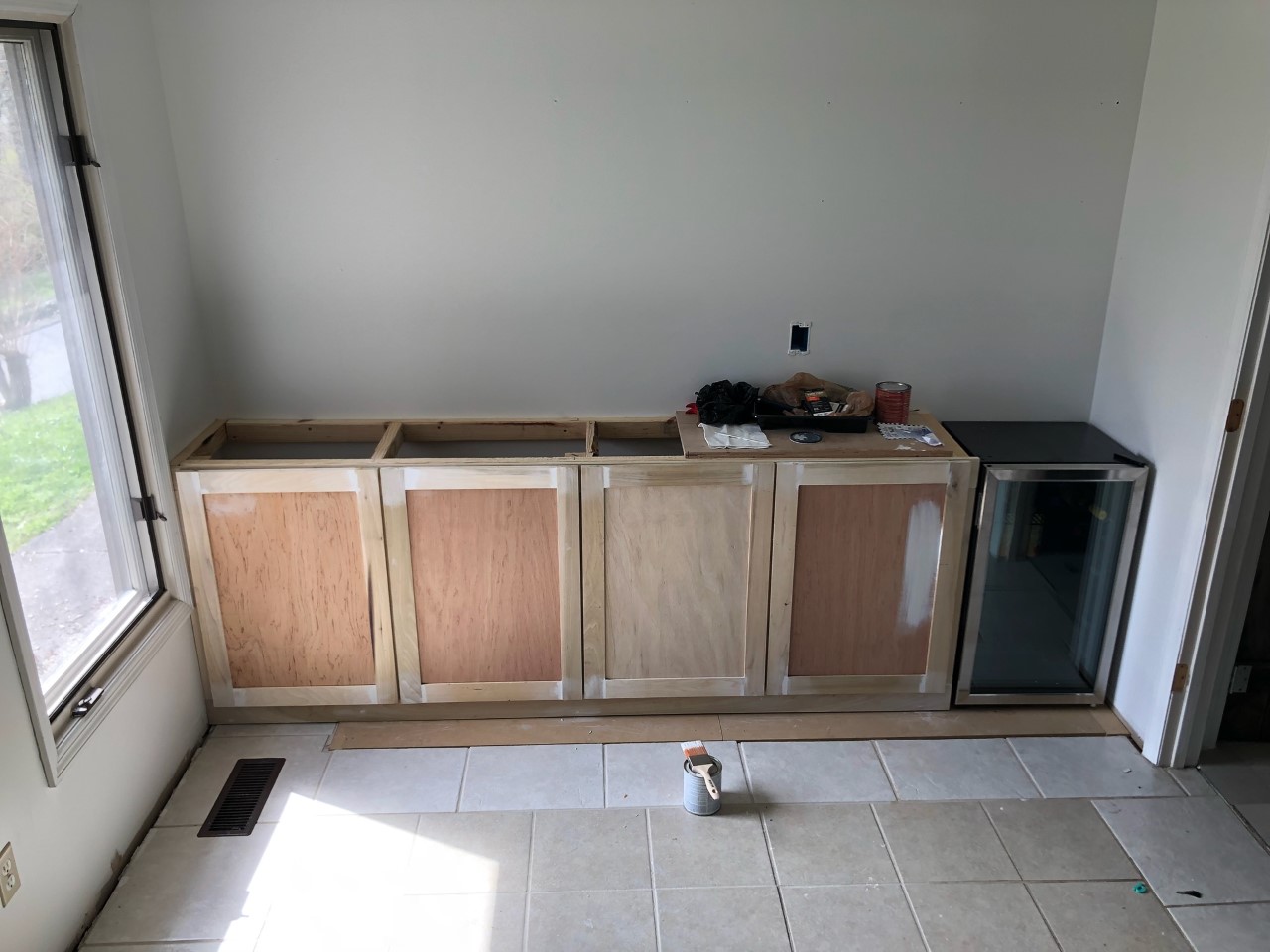
Credit: designingvibes.com
Essential Tools And Supplies
Building your own kitchen cabinets needs the right tools and supplies. Using proper items makes the work easier and safer.
This guide covers the basic tools, safety gear, and paints you need for your project.
Basic Tool Kit
A good tool kit is key for any kitchen cabinet project. You need tools for measuring, cutting, and assembling.
- Measuring tape for accurate dimensions
- Pencil for marking cuts
- Hand saw or circular saw for cutting wood
- Power drill to make holes and drive screws
- Screwdrivers for tightening screws
- Clamps to hold pieces together while gluing
- Hammer for nails and adjustments
- Level to keep cabinets straight
Safety Equipment
Safety gear protects you during the work. It helps prevent injuries from tools and dust.
- Safety glasses to protect your eyes
- Work gloves to guard your hands
- Dust mask to avoid breathing sawdust
- Ear protection if you use loud power tools
- Proper clothing that fits well and covers skin
Paints And Finishes
Paints and finishes protect your cabinets and make them look good. Choose ones made for wood.
- Primer to prepare wood for paint
- Paint in your chosen color and finish
- Clear sealant or varnish for extra protection
- Brushes and rollers for smooth application
- Sandpaper to smooth wood before painting
Planning Your Design
Designing your own kitchen cabinets can be a fun project. Planning your design carefully saves time and money.
Start by thinking about your space, your style, and what you need. Good planning helps you build cabinets that fit well and look great.
Measuring Your Space
Measure your kitchen area before you start. Accurate measurements make sure your cabinets fit perfectly.
Use a tape measure to get the width, height, and depth of walls and corners.
- Measure the length of each wall
- Note the height from floor to ceiling
- Check for doors, windows, and vents
- Record where appliances and plumbing are
Sketching Your Ideas
Draw your kitchen space on paper. This helps you see how cabinets will fit and look.
Sketch different layouts to find the best way to use your space.
- Start with a simple outline of your kitchen walls
- Add cabinets and appliances in your drawing
- Try placing cabinets in different spots
- Mark where shelves and drawers go
Choosing A Color Palette
Pick colors that match your style and kitchen theme. Colors affect how your kitchen feels.
Think about colors for the cabinets, walls, and countertops.
- Light colors make a small kitchen look bigger
- Dark colors add warmth and style
- Neutral colors fit most styles
- Choose colors that match your appliances and floor
Building Your Cabinets
Building your kitchen cabinets can save money and add a personal touch. You need some basic tools and materials to start.
Follow clear steps to ensure sturdy and attractive cabinets. This guide covers construction, doors, drawers, and hardware installation.
Simple Cabinet Construction
Start with quality plywood for the cabinet box. Cut panels to size for the sides, bottom, top, and back.
- Assemble the frame using wood glue and screws
- Make sure corners are square for proper fit
- Attach the back panel to add strength
- Sand edges smooth before finishing
Assembling Doors And Drawers
Doors and drawers give your cabinets style and function. Use solid wood or plywood for durability.
| Component | Material | Tips |
|---|---|---|
| Door Frame | Solid wood | Cut precise joints for a tight fit |
| Door Panel | Plywood or MDF | Use smooth surfaces for painting |
| Drawer Box | Plywood | Ensure square corners for smooth sliding |
| Drawer Front | Solid wood | Match door style for consistency |
Installing Hardware
Hardware makes your cabinets easy to use. Choose handles and hinges that fit your style.
Follow these tips for hardware installation:
- Mark exact spots before drilling
- Use a drill bit that fits screws well
- Attach hinges so doors open smoothly
- Install drawer slides straight and level
Creative Painting Techniques
Painting your kitchen cabinets can change the whole room look. You do not need to hire a pro. Try simple painting techniques that anyone can do.
These creative ideas add style and charm to your kitchen. Use colors and patterns to make your cabinets stand out.
Distressed Finishes
Distressed finishes give cabinets a worn, vintage look. You paint and then sand some spots to show the wood under the paint. It adds character and a cozy feel.
Start with a base color, then add a top coat. Use sandpaper to rub edges and corners lightly. This reveals the paint layers or wood beneath.
Two-tone Effects
Two-tone painting uses two different colors on cabinets. You can paint the doors one color and the frame another. This creates a fresh, modern look.
- Choose colors that match your kitchen style.
- Use lighter colors on upper cabinets for brightness.
- Try darker shades on lower cabinets for depth.
- Use painter’s tape for clean, sharp edges.
Stenciling Designs
Stenciling adds patterns or shapes to your cabinets. It is easy and lets you create unique designs. Use simple shapes for a neat look or complex ones for art.
| Stencil Type | Design Style | Paint Tips |
|---|---|---|
| Geometric | Modern and clean | Use painter’s tape for sharp lines |
| Floral | Soft and decorative | Use a sponge for light paint application |
| Abstract | Artistic and unique | Try layering colors for depth |
Incorporating Unique Features
DIY kitchen cabinet designs let you add personal touches. Unique features make your kitchen stand out.
Adding special elements improves both look and function. These ideas fit many kitchen styles.
Glass Fronts
Glass fronts show off your dishes and glassware. They add light and openness to the kitchen.
Use clear or frosted glass to match your style. Glass fronts also make cabinets feel less heavy.
Open Shelving
Open shelves give easy access to everyday items. They create a casual and airy look.
Keep shelves neat with matching containers or dishes. Open shelving works well in small kitchens.
- Display favorite plates or mugs
- Store spices in clear jars
- Add plants for a fresh feel
Pull-out Accessories
Pull-out accessories improve cabinet storage and reach. They keep items organized and easy to find.
Use pull-out trays, baskets, or racks inside cabinets. These add convenience without changing cabinet style.
- Pull-out trash bins
- Spice rack drawers
- Sliding cutting boards
Maintenance Tips For Longevity
DIY kitchen cabinets can last many years with proper care. Regular maintenance helps keep them looking good.
Simple habits prevent damage and extend the life of your cabinets. Follow these tips to protect your investment.
Cleaning Your Cabinets
Clean cabinets regularly to remove dirt and grease. Use a soft cloth with mild soap and water.
Avoid harsh cleaners that can damage wood or finish. Wipe spills quickly to prevent stains.
- Use a damp cloth, not soaking wet
- Dry cabinets after cleaning
- Clean handles and knobs often
- Use mild dish soap or wood cleaner
- Test cleaner on a small hidden area first
Handling Repairs
Fix small issues quickly to stop bigger problems. Tighten loose hinges and screws as soon as you notice them.
Use wood filler for small dents or scratches. Sand lightly and apply matching paint or stain to blend the repair.
- Check hinges and handles monthly
- Replace broken parts promptly
- Use wood glue for loose panels
- Fill scratches before they worsen
- Call a professional for major damage
Preventing Wear And Tear
Protect cabinets by avoiding excess moisture and heat. Use coasters and mats under hot or wet items.
Open and close doors gently. Avoid hanging heavy items on cabinet doors to prevent stress on hinges.
- Keep cabinets dry and ventilated
- Use drawer liners to prevent scratches
- Do not overload shelves
- Limit exposure to direct sunlight
- Handle doors and drawers with care

Credit: www.countryliving.com
Frequently Asked Questions
What Are The Best Materials For Diy Kitchen Cabinets?
Popular materials include plywood, MDF, and solid wood. Plywood is durable and affordable. MDF offers smooth surfaces for painting. Solid wood provides a classic look but is pricier. Choose based on budget, style, and durability needs for your kitchen.
How Much Does A Diy Kitchen Cabinet Project Cost?
Costs vary by materials, tools, and design complexity. On average, DIY projects save 30-50% compared to hiring professionals. Budget around $200-$1,000 for materials, depending on cabinet size and finishes. Planning ahead helps avoid unexpected expenses and keeps your project affordable.
What Basic Tools Are Needed For Diy Cabinets?
Essential tools include a drill, saw, measuring tape, level, and clamps. A screwdriver, sander, and paintbrushes are also useful. Having the right tools ensures precision and smooth assembly, resulting in professional-looking kitchen cabinets.
How Long Does It Take To Build Kitchen Cabinets Yourself?
Building DIY cabinets typically takes 1-2 weekends for beginners. Time depends on cabinet size, design complexity, and skill level. Allow extra time for painting or staining. Proper planning and preparation can speed up the process.
Conclusion
DIY kitchen cabinet designs bring a personal touch to your home. You can save money and choose styles you love. Simple tools and ideas make the process fun and easy. Taking time to plan helps avoid mistakes. Enjoy creating cabinets that fit your space and needs.
Small changes can make a big difference in your kitchen. Start your project with confidence and creativity. Your kitchen will feel fresh and unique in no time.