Are you ready to upgrade your kitchen with a new faucet? Before you start, it’s important to have the right tools on hand.
Using the correct tools makes the job faster, easier, and less stressful. Imagine avoiding common mistakes like leaks or loose fittings just by being prepared. You’ll discover exactly what tools you need to install a kitchen faucet like a pro.
Keep reading, and you’ll feel confident tackling this project yourself—no plumber needed.
Basic Tools Required
Installing a kitchen faucet needs a few simple tools. These tools help you work safely and quickly.
Having the right tools makes the job easier and prevents damage to parts.
Adjustable Wrench
An adjustable wrench fits many nut sizes. It helps tighten or loosen faucet connections.
Use it to hold or turn nuts without scratching metal surfaces.
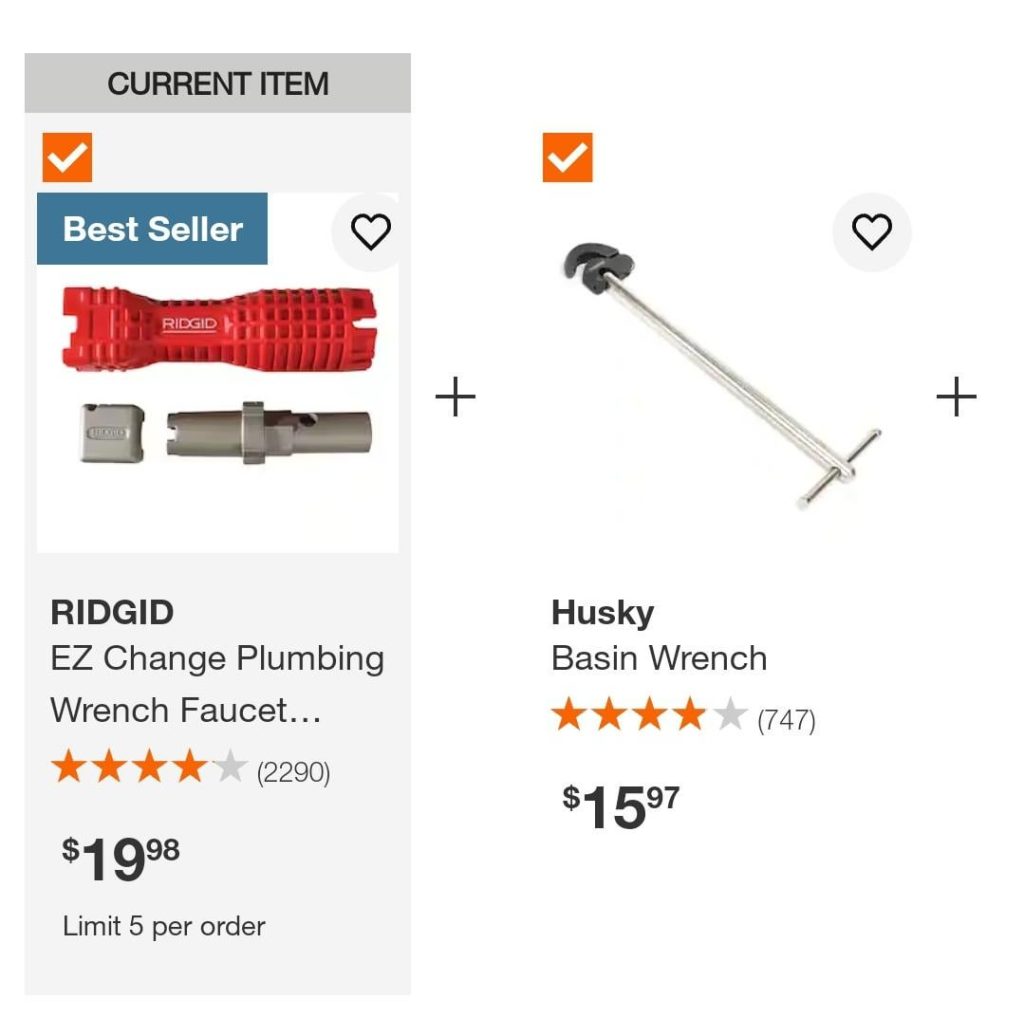
Basin Wrench
A basin wrench is made for hard-to-reach nuts under the sink. It has a long handle and a swiveling jaw.
This tool lets you reach tight spaces easily. It helps remove or install faucet mounting nuts.
Screwdrivers
Screwdrivers are needed to remove or tighten screws on faucet parts. Both flathead and Phillips types are useful.
Choose the right size to avoid stripping the screws or damaging the faucet.
Pliers
Pliers grip and hold small parts firmly. They help twist or pull things that are hard to reach by hand.
Use slip-joint or tongue-and-groove pliers for better control during installation.
Specialty Tools For Efficiency
Installing a kitchen faucet requires more than just basic tools. Using specialty tools can make the job faster and cleaner. These tools help avoid mistakes and ensure a secure fit.
Below are some key specialty tools that improve efficiency during faucet installation. Knowing how to use them will save time and effort.
Faucet Installation Tool
A faucet installation tool is designed to reach tight spaces under the sink. It helps tighten or loosen mounting nuts without strain. This tool often combines multiple functions in one.
- Includes a basin wrench with a long handle
- Has a swiveling jaw for angled access
- May feature a socket set for different nut sizes
- Reduces the need to work in awkward positions
- Speeds up faucet mounting and removal
Plumber’s Putty
Plumber’s putty is a soft, clay-like sealant. It creates a watertight seal between the faucet base and sink. This prevents leaks and protects the cabinet below.
| Feature | Purpose |
| Soft and moldable | Easy to shape around faucet edges |
| Water-resistant | Prevents water from seeping under faucet |
| Non-hardening | Allows faucet adjustment after installation |
| Easy cleanup | Wipes off without damaging surfaces |
Measuring And Marking Tools
Installing a kitchen faucet needs careful measuring and marking. Accurate marks help avoid mistakes and save time.
Two main tools for this are a tape measure and a marker or pencil. Each plays an important role in the process.
Tape Measure
A tape measure helps you get precise dimensions for the faucet and the sink area. It shows the length in inches or centimeters.
- Measure the sink holes where the faucet will fit.
- Check the distance from the edge of the sink to the faucet location.
- Confirm clearance space for handles and spout movement.
- Measure pipe lengths for supply lines if needed.
Marker Or Pencil
A marker or pencil marks the exact spots for drilling or placing the faucet. Clear marks prevent errors during installation.
| Tool | Use | Tip |
| Permanent Marker | Mark drill spots | Use on smooth surfaces |
| Carpenter’s Pencil | Make visible marks | Erasable if needed |
| Chalk Pencil | Mark wet or rough surfaces | Washes off easily |

Credit: www.reddit.com
Safety Equipment
Installing a kitchen faucet can be tricky. Using safety equipment helps protect you from injuries.
Safety glasses and gloves are important tools to keep you safe during the installation process.
Safety Glasses
Safety glasses protect your eyes from water splashes and flying debris. They keep your vision clear and safe.
Always wear safety glasses when loosening old parts or cutting pipes. This prevents eye injuries from unexpected accidents.
Gloves
Gloves protect your hands from sharp edges and harsh chemicals. They also improve your grip on tools and parts.
Choose gloves that fit well and are water-resistant. This helps keep your hands dry and safe during installation.
Cleaning Supplies
Before installing a kitchen faucet, it is important to have cleaning supplies ready. These help keep the work area tidy and prevent dirt from causing problems.
Cleaning supplies also protect your tools and the faucet parts from damage. Clean surfaces ensure a better fit and longer-lasting installation.
Rags Or Towels
Rags or towels are essential for wiping away dust and water during installation. They help you keep the workspace dry and clean.
Use old towels or lint-free rags to avoid leaving fibers on the faucet or sink. Keep some handy to quickly clean spills or drips.
Cleaning Solution
A gentle cleaning solution helps remove grease and grime from the sink and faucet parts. It ensures all surfaces are clean before fitting the faucet.
Choose a mild soap or a vinegar-water mix to clean without damaging finishes. Avoid harsh chemicals that can harm metal or paint.
Credit: faucetexpress.ca
Additional Helpful Items
Installing a kitchen faucet requires more than just the main tools. Some extra items can make the job easier and cleaner.
These helpful items improve your workflow and reduce mess during the installation process.
Bucket
A bucket is useful to catch water that drips when you disconnect pipes or remove the old faucet.
- Place the bucket under the sink drain before starting
- Use it to hold small parts temporarily
- Empty the bucket regularly to avoid spills
Flashlight
A flashlight helps you see clearly in tight or dark spaces under the sink.
| Flashlight Type | Best Use |
| Headlamp | Keeps hands free |
| Handheld | Adjustable beam direction |
| Rechargeable | Longer work sessions |

Credit: www.magnushomeproducts.com
Frequently Asked Questions
What Basic Tools Are Needed To Install A Kitchen Faucet?
You need an adjustable wrench, basin wrench, plumber’s tape, and a screwdriver. These tools help loosen and tighten connections securely.
How Do I Choose The Right Wrench For Faucet Installation?
A basin wrench is best for tight spaces under the sink. An adjustable wrench works well for larger nuts and bolts.
Why Is Plumber’s Tape Important In Faucet Installation?
Plumber’s tape seals threaded connections, preventing leaks. It ensures a tight, waterproof fit between faucet parts.
Can I Install A Kitchen Faucet Without Specialized Tools?
Basic tools like screwdrivers and adjustable wrenches suffice. However, a basin wrench makes installation easier in tight spots.
Conclusion
Having the right tools makes faucet installation easier and faster. A wrench, screwdriver, plumber’s tape, and bucket are essential. These tools help avoid leaks and save time. Prepare your workspace and gather all items before starting. A smooth installation means less stress and better results.
Take your time and follow steps carefully. Soon, you will enjoy your new kitchen faucet working perfectly. Simple tools, clear steps, good results. Ready to get started?